Image
ST. PAUL, Minn. Before sunrise on a February morning, when sidewalks are still glazed with frost and porch lights flicker against the dark, they are already on the road.
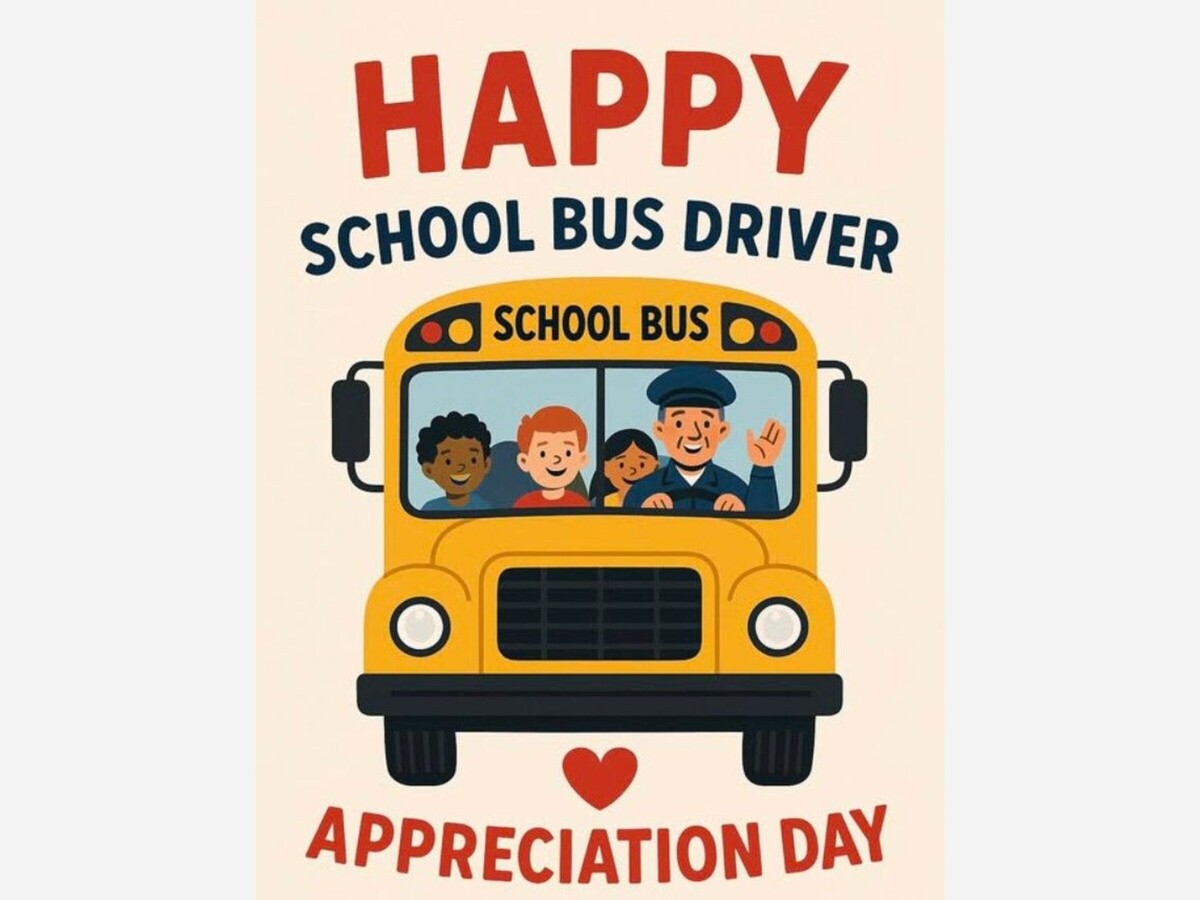
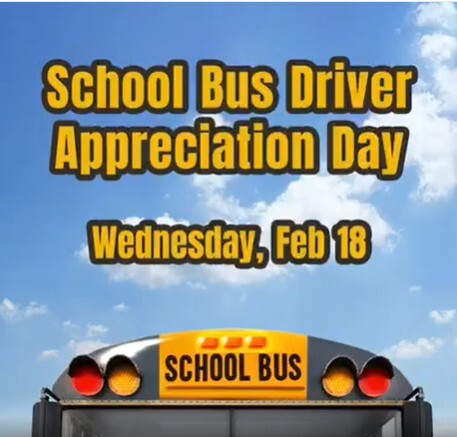
Today, Wednesday, Feb. 18, 2026, Minnesota marks its 10th annual School Bus Driver Appreciation Day, a statewide observance honoring the thousands of professionals who form what transportation officials describe as the largest mass transit system in the state.
Established in 2017 through a partnership between the Minnesota School Bus Operators Association and the Minnesota Association for Pupil Transportation, the day was created to publicly recognize drivers who operate in the background of public education yet carry one of its most visible responsibilities, safely delivering children to and from school.
This year’s recognition comes with formal backing from Tim Walz, who issued a gubernatorial proclamation declaring Feb. 18 as School Bus Driver Appreciation Day across Minnesota. The proclamation describes drivers as highly trained professionals and underscores their role in maintaining safety, consistency, and trust for families statewide.
According to Nick Klaseus, president of the Minnesota Association for Pupil Transportation, school bus drivers in Minnesota transport more than 700,000 students every school day. That figure includes regular home to school routes and expands further when pre-K programs, special education transportation, and extracurricular activities are accounted for.
In practical terms, it makes pupil transportation the state’s largest daily mass transit network, exceeding most other forms of organized public movement.
Behind that number are thousands of routes stretching from dense urban neighborhoods in Minneapolis and St. Paul to rural roads that cut through farmland and forest. Drivers must navigate:
Each run is choreographed to the minute.

School buses remain widely regarded as the safest way for children to travel to and from school. Data from the National Highway Traffic Safety Administration indicates that students are nearly eight times safer riding in a school bus than traveling in a passenger vehicle.
That safety record is not accidental. It rests on layered federal and state standards governing:
Drivers must undergo commercial driver’s license certification, background checks, drug and alcohol testing, and ongoing safety training.
The result is a transportation system that has become so routine it often escapes notice.
Beyond safety, school buses play a measurable role in energy conservation. National industry data estimates that school buses help save approximately 2.3 billion gallons of fuel annually across the United States by consolidating student travel and reducing the number of individual passenger vehicles on the road.
Minnesota districts have increasingly explored alternative fuels and electric bus fleets, aligning transportation systems with broader environmental goals while maintaining route reliability.
This year’s observance includes symbolic gestures meant to elevate what is often invisible labor. The I-35W Bridge in Minneapolis is scheduled to be illuminated in yellow tonight in tribute to school bus drivers.
Districts across Minnesota are encouraging students and families to participate through handwritten thank you cards, small appreciation breakfasts at bus garages, and public acknowledgments at school assemblies.
Organizers emphasize that these gestures matter.
Drivers are often the first and last school representatives a student sees each day, Klaseus said in remarks tied to the observance. That daily connection builds trust and sets the tone.
The appreciation day also carries a practical objective, recruitment.
Minnesota, like many states, continues to experience a shortage of school bus drivers. Districts have faced route consolidations, delayed start times, and added strain on remaining staff.
By spotlighting professionalism and community impact, transportation leaders hope to elevate bus driving as a respected and essential career path rather than a temporary or overlooked role.
The goal, organizers say, is cultural as much as operational. Gratitude is not only about a single day. It is about sustaining a workforce that quietly underpins public education.
On paper, 700,000 students is a statistic. In practice, it is a morning greeting, a familiar voice, a steady presence in unpredictable weather.
Drivers memorize names. They learn which child prefers the back seat, who needs help with a backpack, who rides quietly with headphones on.
For families, they represent reliability. For schools, they represent continuity. For students, especially the youngest ones, they represent the beginning and end of the school day.
And so, as Minnesota marks its 10th annual School Bus Driver Appreciation Day, the recognition is less about ceremony and more about acknowledgment.
Before teachers take attendance.
Before principals unlock office doors.
Before cafeterias serve breakfast.
The buses are already moving.



Sunny, with a high of 89 and low of 63 degrees. Sunny for the morning, clear overnight.