59° and Clear
Image



MINNEAPOLIS - In North Minneapolis, where food insecurity and health disparities intersect daily, the NorthPoint Health and Wellness Center Food Shelf stands as more than a pantry. It functions as a critical extension of healthcare itself, rooted in a philosophy that recognizes nutrition, dignity, and access as foundational to community well being.
Located at 2220 Plymouth Avenue North, with entry from 14th Avenue North, the food shelf provides free weekly access to groceries and household essentials for residents of Hennepin County, particularly those living in the 55411 and 55412 zip codes. The program allows households to shop once per week, offering flexibility and consistency during a time of persistently high food costs.
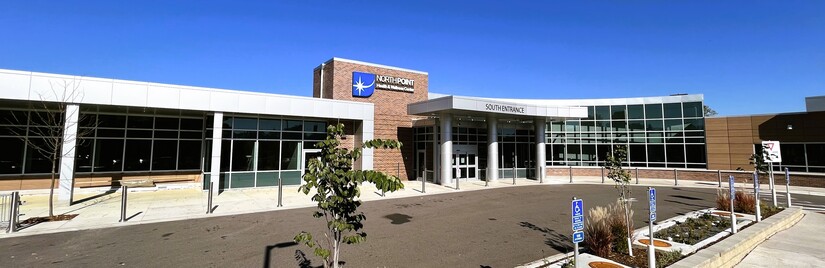
Founded in 1968 during the civil rights movement, NorthPoint Health and Wellness Center has grown into a BIPOC led anchor institution in North Minneapolis. Its mission centers on a whole person approach to care, addressing social determinants of health such as food access, housing stability, and economic security alongside clinical services.
By embedding a food shelf directly within a health campus, NorthPoint acknowledges a simple reality: medical care alone cannot succeed if families lack reliable access to nutritious food. The food shelf is designed to support both immediate needs and long term health outcomes.
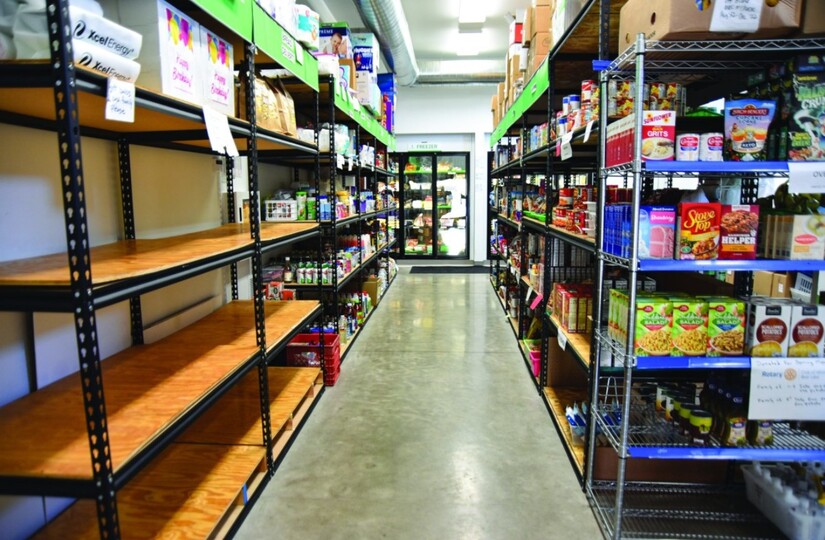
Following a major $100 million campus expansion, the NorthPoint Food Shelf now operates as a modern choice pantry. Rather than receiving pre packed boxes, guests shop for items that reflect their household size, cultural preferences, and dietary needs. This model emphasizes dignity and autonomy while reducing food waste.
Core offerings include fresh produce, dairy products, proteins including Halal options, pantry staples, and household necessities. Additional supports are built into the program to meet specific community needs.
These include:
During warmer months, NorthPoint also hosts Fresh Food Fridays, outdoor produce distributions held on the second and fourth Fridays from May through September.
According to posted information, the food shelf operates on the following schedule:
The food shelf is closed Fridays through Sundays, except for seasonal or special events.
While identification may be helpful during initial registration, it is not required to receive food, reinforcing the program’s low barrier, community first approach.
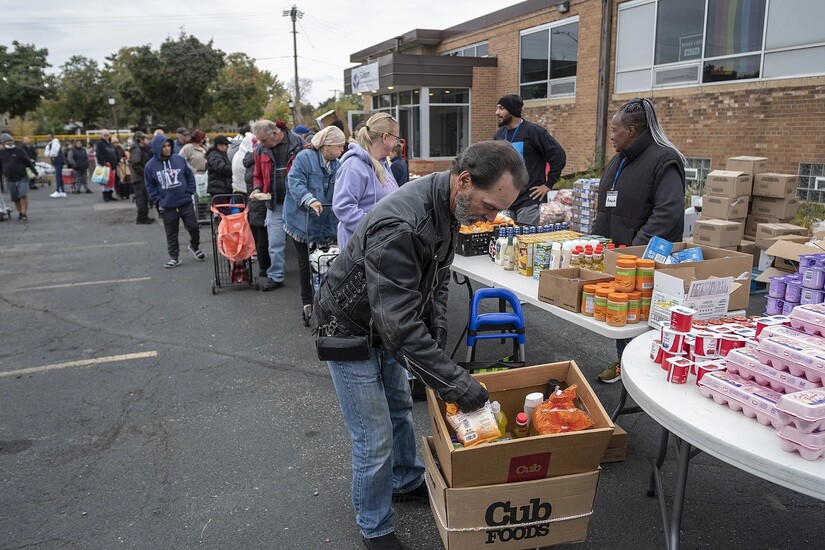
The NorthPoint Food Shelf serves more than 30,000 visitors annually, a scale made possible by a robust volunteer network known internally as “Super Supporters.”
Volunteer requirements include:
Those interested in volunteering or learning more can contact NorthPoint directly.
NorthPoint notes that a $10 donation can help provide approximately 25 meals, underscoring the tangible impact of community support.
As economic pressures continue to strain households across Minnesota, the NorthPoint Food Shelf remains a stabilizing force in North Minneapolis. Its integration of food access, healthcare, and community trust reflects a broader vision of public health, one rooted not only in treatment, but in dignity, equity, and shared responsibility.
For families navigating uncertainty, the food shelf is not simply a place to pick up groceries. It is a reminder that community care, when done thoughtfully, can be both practical and transformative.



Sunny, with a high of 84 and low of 59 degrees. Sunny in the morning, partly cloudy during the afternoon and evening, clear overnight.