65° and Patchy rain nearby
Image



The Anoka-Hennepin School District, Minnesota’s largest school system, has reached a decisive moment in contract negotiations with its teachers. As of Tuesday, January 6, 2026, district leaders and the teachers union, Anoka Hennepin Education Minnesota (AHEM), are engaged in what has been described by both sides as a final, high stakes mediation session aimed at averting a strike that could shut down schools across the north metro.
If no agreement is reached by the end of the session, roughly 3,000 educators are prepared to walk out beginning Thursday, January 8, an action that would close schools for approximately 38,000 students and mark the district’s first teacher strike in decades.
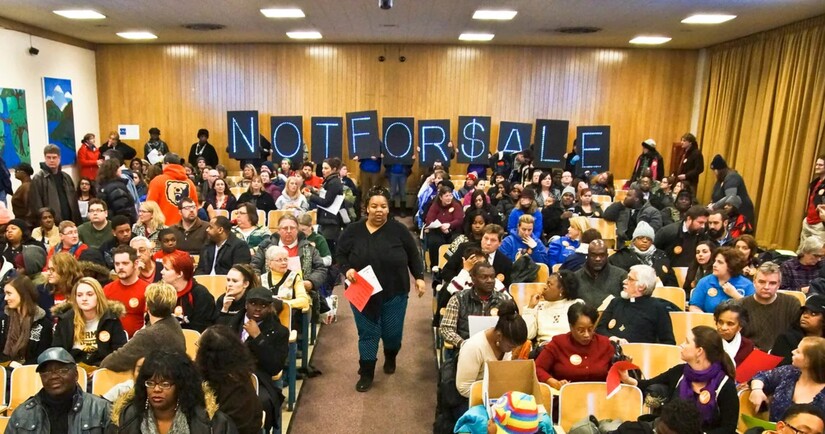
The current standoff is the culmination of negotiations that began after the previous teacher contract expired on June 30, 2025. Talks continued through the summer and fall and entered formal mediation in November. On December 22, following a strike authorization vote supported by 98.5 percent of participating members, AHEM filed a formal notice of intent to strike, setting the legal clock in motion under Minnesota labor law.
An eight hour mediation session on January 2 ended without a breakthrough, leaving this week’s talks as the last scheduled opportunity to resolve the dispute before a strike deadline.
At the heart of the conflict is what union leaders describe as a false choice between competitive wages and affordable health insurance. Educators point to sharp increases in the cost of the district’s self insured health plan. Union officials say premiums recently rose by about 22 percent, with some teachers paying more than $1,500 per month for family coverage. In those cases, AHEM argues, proposed salary increases are effectively erased by health care costs, amounting to a net pay cut.
The district acknowledges rising insurance expenses but says it faces significant financial constraints. Officials cite a projected $22.2 million budget reduction, along with new state mandated costs such as the Minnesota Paid Leave program, as limiting how far it can go in compensation proposals.
That tension is reflected in the gap between the two sides’ offers. The union is seeking total salary increases ranging from roughly 5.1 percent to 15.8 percent over two years, paired with substantially higher district contributions toward health insurance. The district’s most recent proposal includes salary increases ranging from about 2.0 percent to 12.7 percent and smaller increases to insurance contributions.
State law prevents either side from publicly detailing the specific proposals exchanged during mediation, but both acknowledge that the distance between positions remains significant.
If educators do walk out on January 8, the impact on families would be immediate and widespread. The district has said all K 12 classes would be suspended, along with regular bus routes. Middle and high school athletics, extracurricular activities, and elementary events would be canceled as soon as a strike begins.
The district has also warned that it will not provide alternative districtwide childcare during a strike. Only families already enrolled in the Adventures Plus program would have access to limited care in a non school day format, subject to staffing and licensing constraints. Some Community Education programs, particularly adult enrichment and recreation offerings, may continue, but core instructional services would not.
District leaders have emphasized that only the union can ultimately decide to call a strike, while urging families to prepare for possible disruptions. Union leaders, for their part, say they remain committed to reaching an agreement that addresses both take home pay and health care affordability.
A settlement remains possible, either through a late night deal or through a mutual decision to extend talks and delay a strike. As the final mediation session unfolds, families across Anoka Hennepin are watching closely, aware that the outcome will determine whether classrooms open or fall silent later this week.



Patchy rain nearby, with a high of 84 and low of 64 degrees. Don't forget your umbrella! Sunny in the morning, patchy rain nearby during the afternoon, sunny in the evening, clear overnight.