56° and Clear
Image



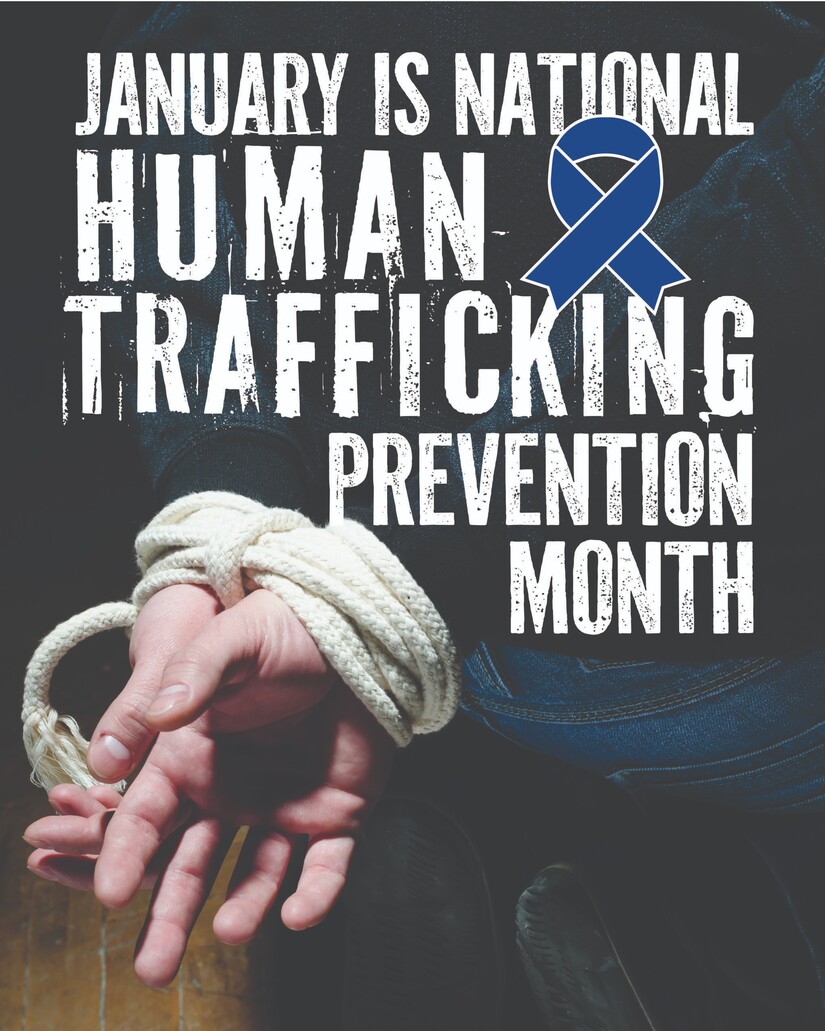
January is recognized nationwide as Human Trafficking Prevention Month, a time dedicated to raising awareness, strengthening prevention efforts, and connecting people to lifesaving resources. Throughout the month, communities across the country share information and tools that help residents recognize trafficking, support survivors, and reduce the conditions that allow exploitation to persist.
Human trafficking is not a distant or abstract problem. It affects individuals, families, and communities in every region of the United States, including urban, suburban, and rural areas. According to federal agencies, trafficking can take many forms, including forced labor, sex trafficking, and exploitation tied to economic insecurity, housing instability, immigration status, and social isolation.
To support public awareness and action, the Administration for Children and Families through its Office on Trafficking in Persons (OTIP) has published a practical guide titled Ten Things You Can Do to Help End Human Trafficking (current as of March 27, 2025). These steps are grounded in research, survivor-informed practice, and federal policy.
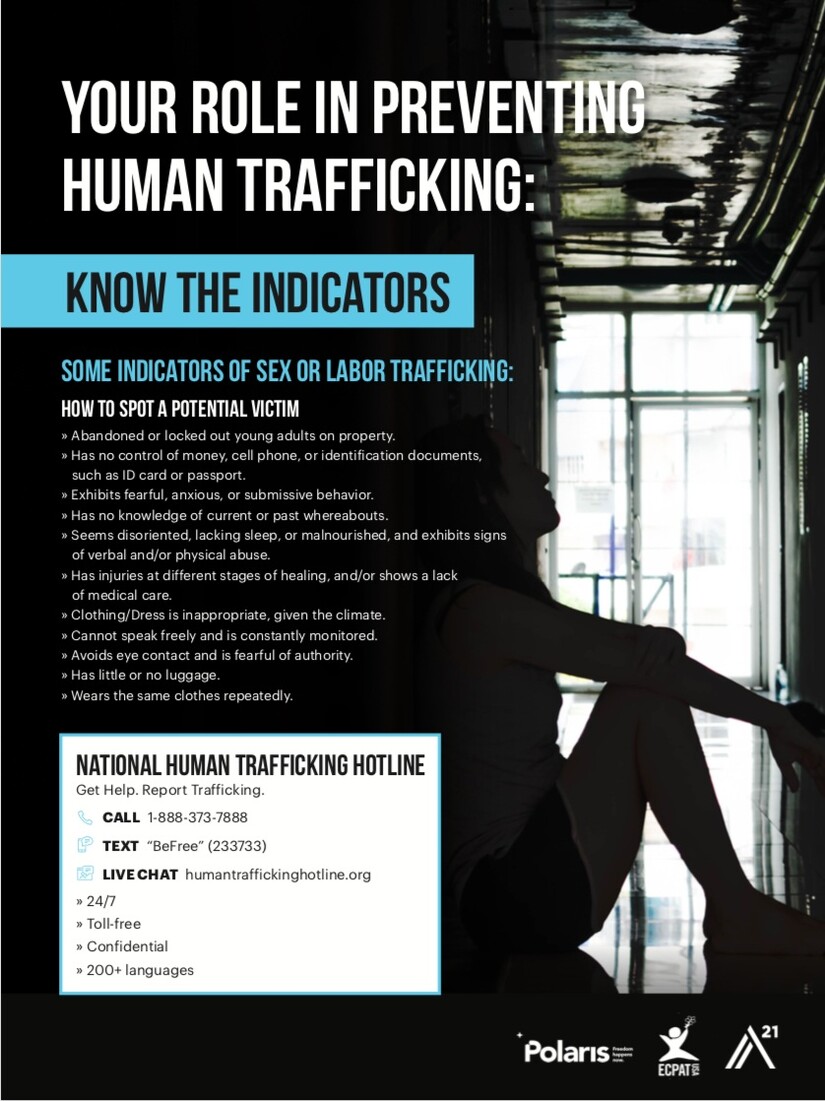
Human trafficking occurs when individuals are compelled to work or engage in commercial sex through force, fraud, or coercion. Learning how trafficking happens in the United States helps people recognize warning signs in everyday settings such as workplaces, schools, housing, and healthcare environments.
Trafficking can affect people you already know, including family members, students, patients, tenants, coworkers, or neighbors. Confidential help is available 24 hours a day through the National Human Trafficking Hotline:
The hotline connects callers to trained advocates, local service providers, and emergency assistance when needed.
Professionals who work with vulnerable populations play a critical role in prevention and early identification. Healthcare workers, educators, social service providers, and first responders can access evidence-based training through the SOAR to Health and Wellness National Training Program and request additional support from OTIP’s National Human Trafficking Training and Technical Assistance Center.
Public awareness saves lives. Share educational resources from the federal Look Beneath the Surface Campaign and make sure people in your network know that help is available. Residents are also encouraged to ask their elected officials how they are addressing trafficking and what resources are being invested locally.
Traffickers often target individuals facing crisis or isolation, including youth, new immigrants, people experiencing homelessness, and those without strong support systems. Being a consistent, trusted presence can reduce vulnerability and interrupt exploitation.
Local anti-trafficking organizations rely on volunteers, donations, and community advocates. Beyond direct service, communities can strengthen “protective factors” such as access to safe housing, healthcare, mental health services, education, childcare, and stable employment.
Prevention is most effective when institutions work together. Schools, healthcare providers, faith organizations, businesses, and nonprofits can coordinate policies and referrals, create ethical procurement standards, and develop workplaces that support survivors, including fair hiring practices.
Every profession has a role to play. Educators can implement trafficking awareness and safety protocols. Attorneys can offer pro bono legal services. Business leaders can review supply chains and employment practices. Community members can help spread accurate information.
Consumer choices matter. Some goods and food products are linked to child labor or forced labor. Learning where products come from and supporting ethical businesses helps reduce demand for exploitation.
The U.S. government maintains zero-tolerance policies for employees, uniformed service members, and contractors involved in forced labor or commercial sexual exploitation. These standards are enforced through federal acquisition and contracting regulations designed to prevent trafficking within government-funded activities.
Human Trafficking Prevention Month is not only about awareness. It is about action, accountability, and sustained commitment. Prevention requires informed communities, coordinated systems, and policies that address root causes such as poverty, housing instability, and lack of access to care.
If you or someone you know may be experiencing trafficking, confidential help is available at any time through the National Human Trafficking Hotline. Education, vigilance, and community support remain some of the most powerful tools in ending human trafficking.


Sunny, with a high of 66 and low of 45 degrees. Sunny for the morning, clear overnight.