Image
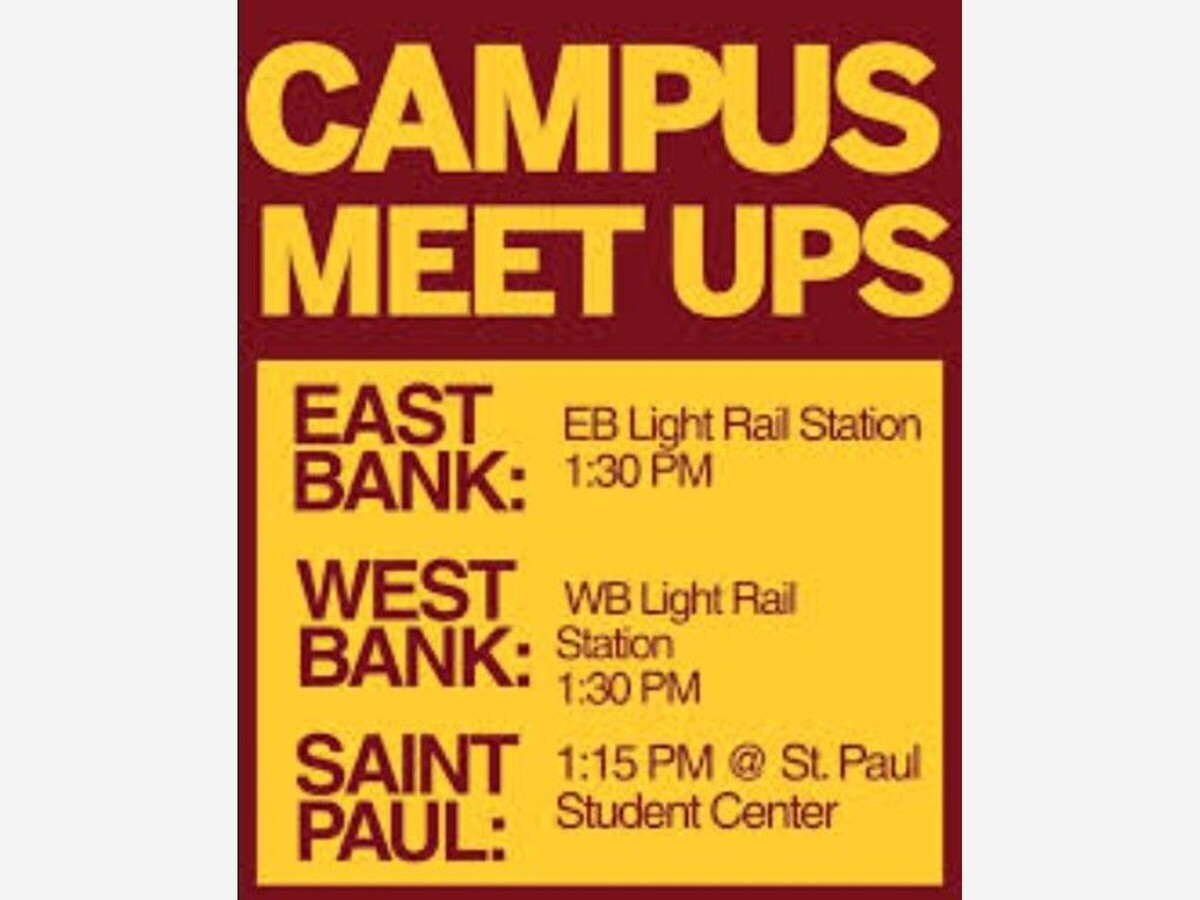



MINNEAPOLIS, MN - Student unions and campus labor organizations at the University of Minnesota are calling for a second general strike on Friday, Jan. 30, 2026, intensifying a growing movement that seeks accountability for recent fatal encounters involving federal immigration enforcement and the withdrawal of federal agents from Minnesota.
The call follows a historic statewide general strike on Jan. 23 that organizers framed as an “economic blackout,” urging residents to stay home from work and school and to refrain from shopping. That first action drew mass participation across the Twin Cities and beyond, including large downtown rallies held amid subzero temperatures, and it set the stage for what organizers describe as a second, more focused wave of resistance centered on campuses and federal buildings.
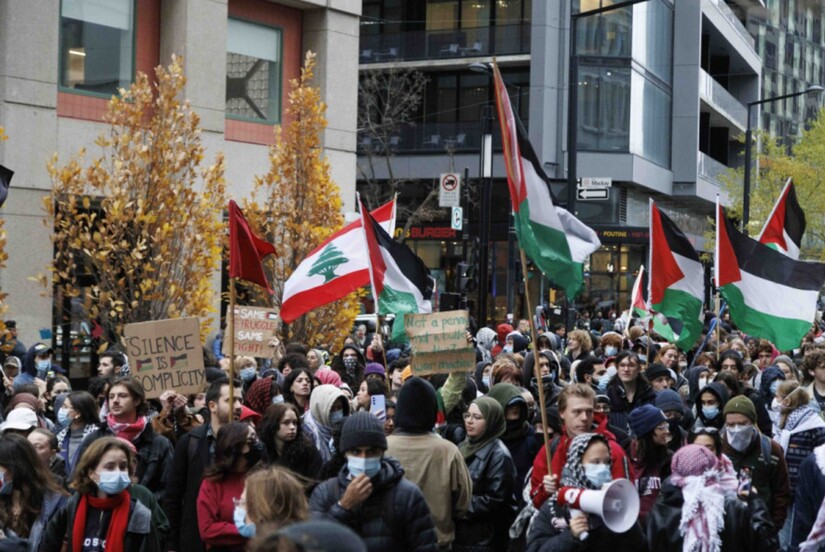
Organizers say the renewed action was propelled by a series of fatal shootings involving federal agents during intensified immigration enforcement operations in Minneapolis. They point to two deaths as central to their demands:
Federal authorities have not released a full public accounting of the circumstances surrounding either death. Investigations remain ongoing, and officials have cautioned against drawing conclusions while reviews proceed.
Unlike the broad, statewide economic shutdown urged last week, the Jan. 30 action is designed as a campus-anchored escalation. Organizers are promoting walkouts, teach-ins, and coordinated protests at federal facilities, along with renewed calls to withhold labor and spending.
The organizing coalition includes the UMN Graduate Labor Union, AFSCME Local 3800, the Black Student Union, and the Undergraduate Student Government, among others.
Their stated demands include:
Ahead of the Jan. 23 action, the University of Minnesota told students and employees that it supports lawful civic expression but expected classes and operations to continue, directing employees to use approved leave for absences. Whether similar guidance will be issued ahead of Jan. 30 remained unclear as of publication.
Labor leaders backing the movement argue that the strike framework, long associated with workplace power, is an appropriate response when traditional channels fail to deliver transparency or accountability. Student organizers, meanwhile, frame the moment as a test of the university’s values and its responsibility to protect vulnerable members of its community.
Whether the second strike will match, or surpass, the scale of the first will hinge on participation across campuses, the response of major employers, and how state and local agencies prepare for demonstrations. For organizers, however, the objective is already clear: to sustain pressure until, they say, accountability is achieved and federal agents leave Minnesota.
This story will be updated as investigations advance and official statements are released.



Overcast, with a high of 73 and low of 53 degrees. Sunny for the morning, light rain shower for the afternoon, light drizzle in the evening, overcast overnight.