66° and Clear
Image



Brooklyn Park, MN
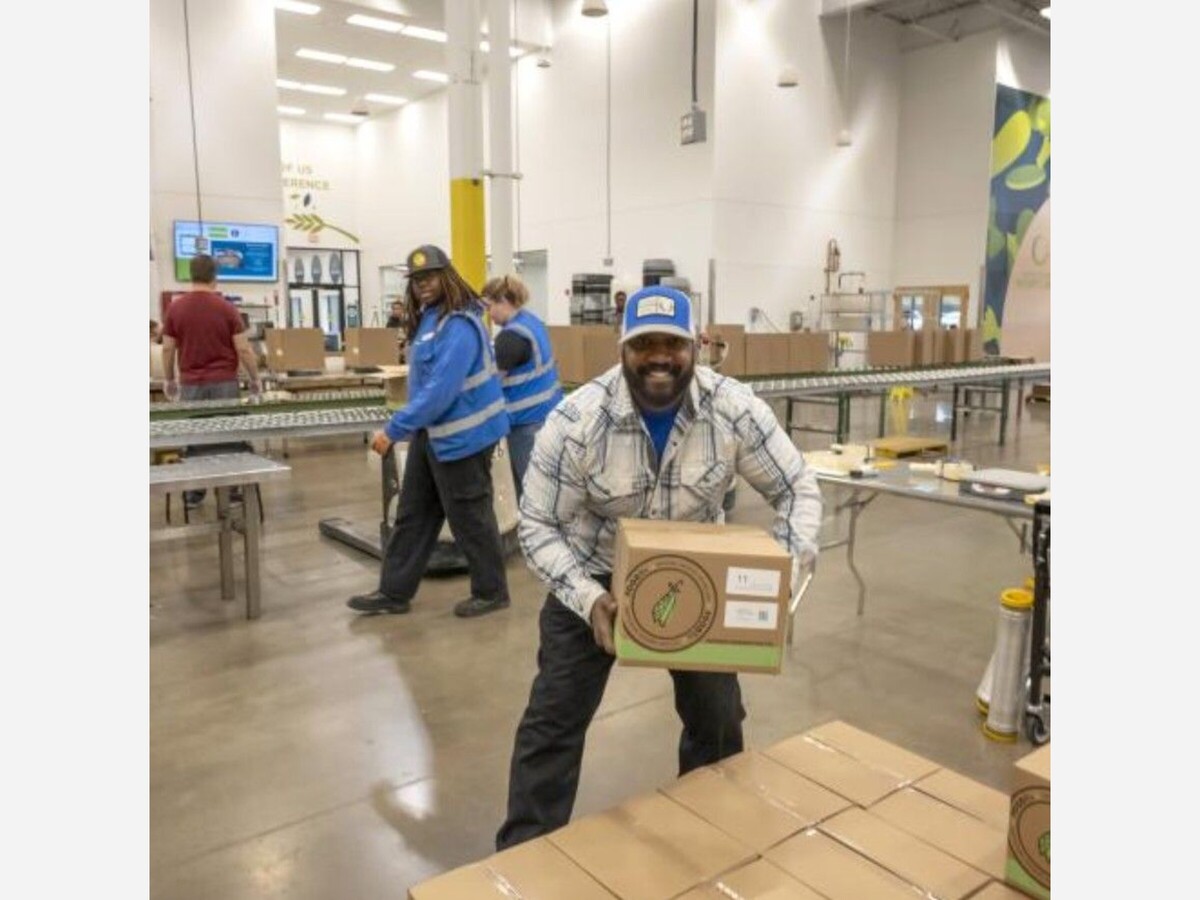
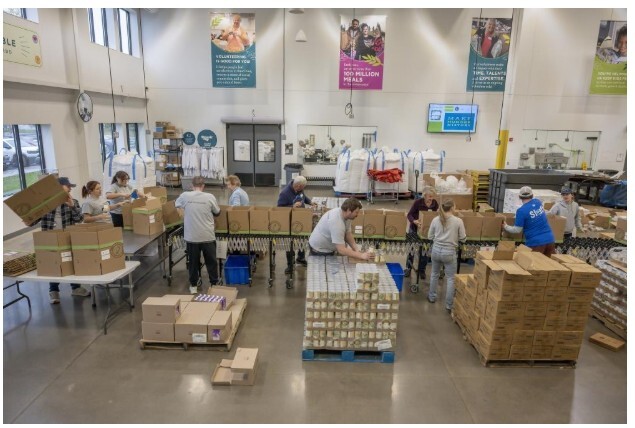
In late January 2026, the cavernous warehouse floor of Second Harvest Heartland in Brooklyn Park took on a new urgency. Volunteers moved with quiet focus along makeshift assembly lines, packing thousands of emergency food boxes meant not for routine distribution, but for families who had effectively disappeared from public life.
The disappearance was not accidental. It was driven by fear.
As federal immigration enforcement intensified across the Twin Cities under an initiative known as Operation Metro Surge, hunger relief organizations reported that many families stopped going to grocery stores, food shelves, and even school meal sites. For Second Harvest Heartland, the state’s largest hunger relief organization and the second largest food bank in the nation, the consequences were immediate and stark.
“We are seeing food deserts created not by geography, but by fear,” CEO Sarah Moberg said in interviews with local media. Families were not running out of food because help was unavailable, she explained, but because leaving home had begun to feel unsafe.
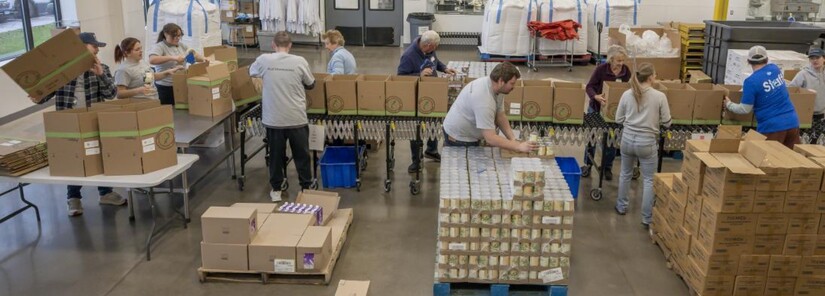
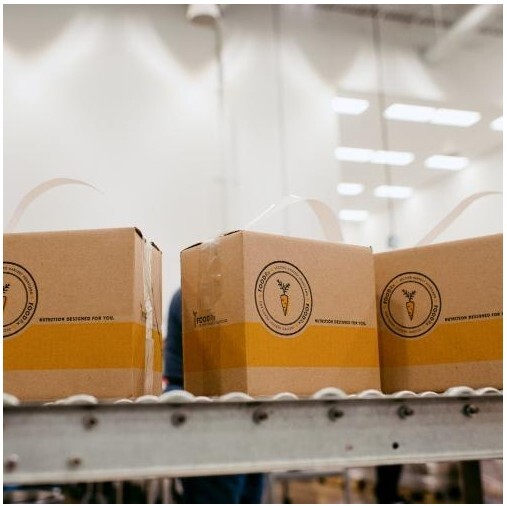
Inside the Brooklyn Park facility, volunteers packed boxes with shelf stable staples including pasta, cereal, sauces, peanut butter, canned chicken, tuna, and fruit. Each box was designed to provide multiple meals and to be delivered through trusted partners such as schools, faith based organizations, and neighborhood food shelves, reducing the need for families to travel or stand in public lines.
Second Harvest Heartland estimated that more than 50,000 emergency food boxes could be needed in the coming weeks as enforcement activity continued and fear spread across affected communities.
Local reporting by CCX Media and CBS Minnesota documented the scale of the operation and the tone inside the warehouse. Volunteers worked methodically. Completed boxes were shrink wrapped and stacked on pallets, ready to be moved quietly into neighborhoods where hunger was growing unseen.
Moberg described the anxiety driving the effort as “real, increasing, and growing,” emphasizing that access to food should never depend on whether someone feels safe stepping outside their door.
Second Harvest Heartland did not act alone. In January, the organization joined a coalition of more than 100 food shelves and hunger relief groups across the Twin Cities in a public letter calling for an end to Operation Metro Surge. The coalition warned that federal activity was interfering directly with food access and the safe delivery of aid.
According to the coalition, volunteers reported being followed by federal agents while making deliveries, encountering law enforcement vehicles stationed near food shelf entrances, and in at least one instance, seeing a volunteer detained during a delivery. Those encounters, the letter said, amplified fear among both aid providers and the families they serve.
For organizations built on trust and visibility, the impact was profound. Food shelves depend on routine, predictability, and the confidence of neighbors that showing up will not put them at risk. That confidence, many groups said, had eroded almost overnight.
Operation Metro Surge was launched in December 2025 and expanded significantly in January 2026 under the direction of the U.S. Department of Homeland Security, or Department of Homeland Security. The operation brought a large deployment of personnel from U.S. Immigration and Customs Enforcement and U.S. Customs and Border Protection into Minnesota.
Federal officials, including DHS Secretary Kristi Noem, have stated that the operation targets “the worst of the worst,” focusing on individuals with serious criminal convictions. By mid January, DHS reported approximately 3,000 arrests in the region.
On the ground, however, community organizations, local officials, and legal advocates described a far broader impact. Schools reported drops in attendance. Parents kept children home. Food shelves saw fewer visitors even as need increased.
Tensions escalated further after the January 7, 2026, fatal shooting of 37 year old Renee Nicole Good during an ICE operation, an incident that drew national attention and intensified scrutiny of enforcement tactics.
On January 12, 2026, the State of Minnesota, along with the cities of Minneapolis and St. Paul, filed a federal lawsuit against DHS. The suit alleged that militarized raids and unconstitutional stops disrupted daily life, undermined public safety, and triggered widespread panic across immigrant and mixed status communities.
While the legal battle unfolded in court, hunger relief organizations confronted the consequences in real time. Food, one of the most basic human needs, had become collateral damage in a broader enforcement strategy.
For Second Harvest Heartland, the emergency food box effort represents both a logistical pivot and a moral stance. The organization has framed its response not as political opposition, but as a commitment to meet people where they are, even when fear keeps them behind closed doors.
“We cannot allow hunger to grow in the shadows,” Moberg said, stressing that food access must remain unconditional and free from anxiety.
As Operation Metro Surge continues, the boxes leaving the Brooklyn Park warehouse carry more than calories. They carry reassurance. They signal to families that they are seen, that they are not alone, and that even in moments of upheaval, there are neighbors working quietly to ensure that no one goes hungry simply because they are afraid to step outside.



Sunny, with a high of 83 and low of 63 degrees. Overcast in the morning, sunny in the afternoon, clear for the evening,