48° and Sunny
Image



St. Paul, Minn.
On Tuesday, January 27, 2026, voters in Ramsey County and Washington County returned two Democratic-Farmer-Labor candidates to the Minnesota House of Representatives, restoring the chamber to an evenly divided 67 to 67 split between DFLers and Republicans.
The results closed a brief period of Republican advantage that followed the November 2025 general election and reset the House just weeks before lawmakers are scheduled to convene for the 2026 session.
While both districts were long considered DFL-leaning, the elections carried significance beyond their local boundaries. Together, they determined how power will be shared in the House during a pivotal legislative year marked by budget negotiations, workforce debates, and heightened scrutiny of public safety and economic stability.
The special elections were called to fill vacancies created by political transitions rather than resignations under pressure or scandal, a reminder of the fluid nature of Minnesota’s political bench.
In House District 64A, which covers parts of St. Paul in Ramsey County, the seat opened after Kaohly Her was elected mayor of St. Paul. Her departure from the House triggered a contest in a district that has consistently favored DFL candidates in recent cycles.
In House District 47A, which spans parts of Woodbury and Maplewood across Washington and Ramsey counties, the vacancy arose when Amanda Hemmingsen-Jaeger won a seat in the Minnesota Senate, leaving her House position open.
Though the circumstances differed, both races produced decisive outcomes that underscored the districts’ political leanings.
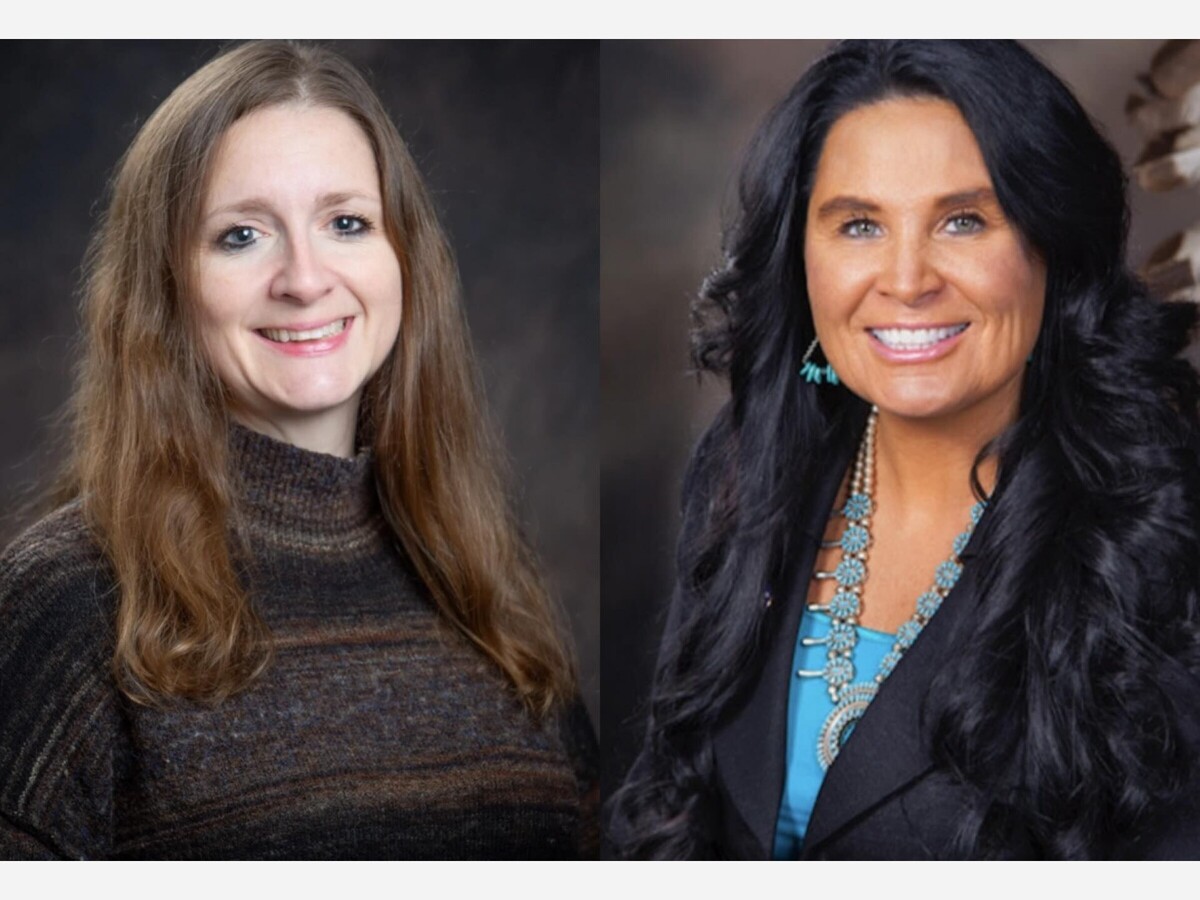
In District 64A, voters chose Meg Luger-Nikolai, a DFL candidate and labor attorney, in a lopsided contest against Republican challenger Dan Walsh.
According to official results from the Minnesota Secretary of State, Luger-Nikolai secured approximately 95 percent of the vote, with Walsh receiving just over four percent and the remainder cast as write ins. The margins reflected both the district’s political composition and the low turnout typical of winter special elections.
During the campaign, Luger-Nikolai emphasized worker protections, public safety, and neighborhood level investment. Her professional background in labor law featured prominently, positioning her as a legislator likely to engage deeply in debates over employment standards, collective bargaining, and workplace equity.
Her victory ensures continuity in representation for a district that has long aligned itself with DFL priorities at both the local and state level.
In District 47A, the outcome was effectively settled before Election Day.
Shelley Buck, the DFL nominee, appeared as the sole listed candidate on the ballot after no Republican candidate filed for the race. Voters were left with the option of supporting Buck or casting a write in vote.
Buck won with more than 97 percent of the ballots cast, easily clearing the threshold needed to claim the seat. The district spans portions of Woodbury and Maplewood and includes voters in both Washington and Ramsey counties, where results were reported separately but showed consistent support.
Buck brings a distinctive background to the Legislature. She previously served as president of the Prairie Island Tribal Council and has worked as an executive in the environmental nonprofit sector. Her election adds a voice with experience in tribal governance, environmental stewardship, and regional collaboration to the House.
Together, the two victories returned the Minnesota House to an exact partisan tie.
Following the November 2025 election, Republicans briefly held a narrow edge in the chamber due to unresolved vacancies. The January special elections erased that advantage and reinstated a balance that will shape how the House operates when lawmakers return to St. Paul.
With 134 seats in the chamber, 68 votes are required to pass legislation on the House floor. In a tied House, that reality makes unilateral action impossible and places bipartisan negotiation at the center of legislative work.
The 67 to 67 split activates Minnesota’s established framework for governing a tied House. Under these arrangements, committees are typically led by co-chairs from both parties, and procedural rules are crafted to prevent one caucus from sidelining the other.
Leadership roles, including the speakership, are often subject to negotiated constraints designed to keep the chamber functioning. While the precise contours of the 2026 agreement will be finalized when the session begins, the underlying principle remains the same: neither party can advance its agenda alone.
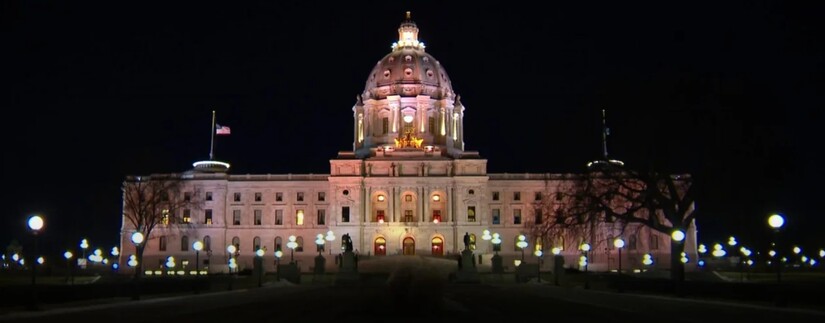
The Legislature is scheduled to convene on February 17, 2026, with a full agenda that includes budget planning, workforce and labor policy, infrastructure considerations, and ongoing debates over public safety and economic resilience.
Tied legislatures are not unprecedented in Minnesota, and past sessions have shown that power sharing can slow the pace of lawmaking while also forcing compromise. Supporters argue that such arrangements reflect a closely divided electorate and encourage moderation. Critics counter that they can lead to gridlock and diluted policy outcomes.
What is clear is that the outcomes in Ramsey and Washington counties have set the terms for the year ahead.
With Meg Luger-Nikolai and Shelley Buck preparing to be sworn in, the House enters 2026 not with a mandate for one party, but with a mandate for cooperation. In a state known for pragmatic politics and negotiated solutions, the special elections of January 27 served as a reminder that even low turnout races can reshape the balance of power and, with it, the direction of Minnesota’s legislative future.



Patchy rain nearby, with a high of 73 and low of 48 degrees. Patchy rain nearby during the morning, clear overnight.