76° and Overcast
Image
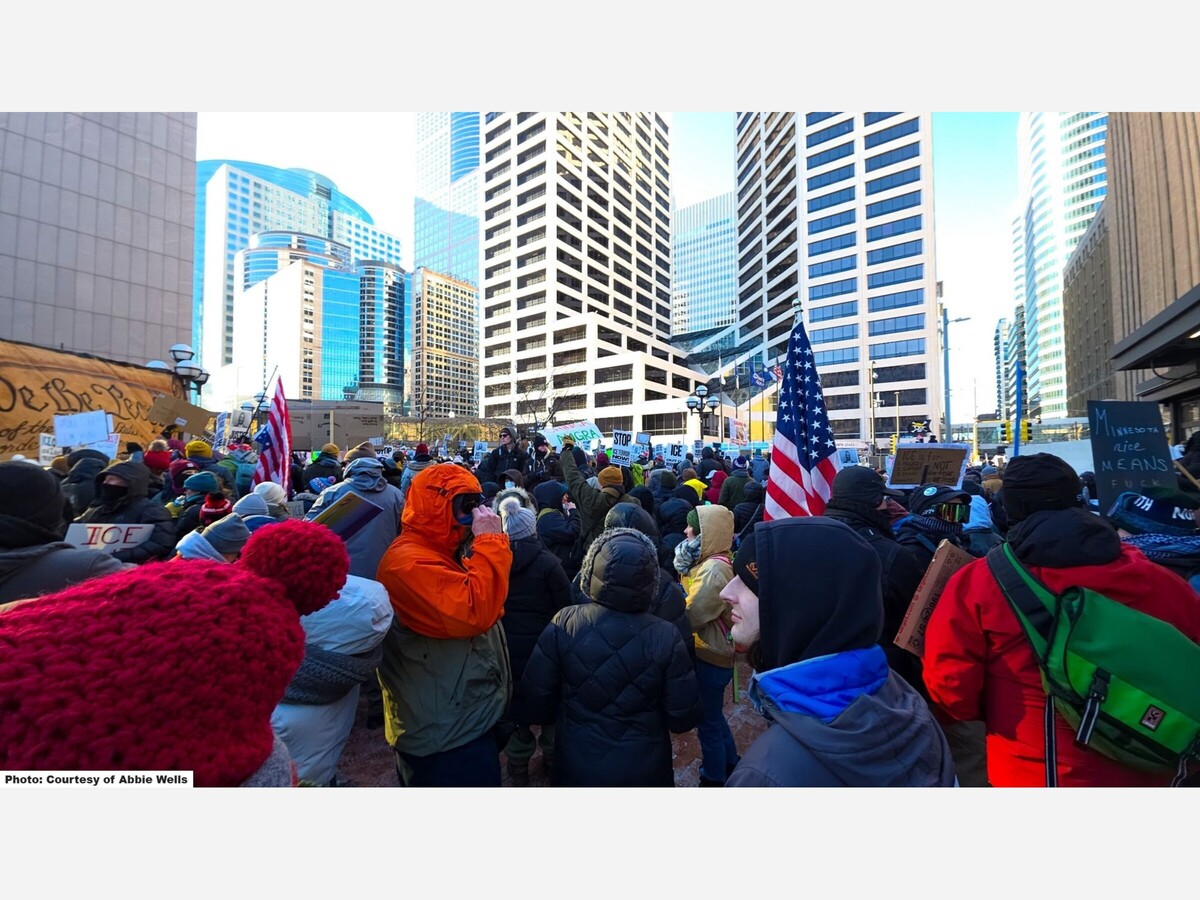



In January 2026, as winter tightened its grip on Minnesota and federal immigration enforcement intensified across the Twin Cities, an unexpected announcement pushed Minneapolis onto the global moral stage. The Nation, one of the country’s oldest progressive magazines, formally declared that it had submitted a nomination urging the Norwegian Nobel Committee to consider the City of Minneapolis and its residents for the Nobel Peace Prize.
The nomination was not framed as an honorific flourish or symbolic provocation alone. Instead, the editors described it as a recognition of what they called “countless acts of courage and solidarity” displayed by ordinary residents under extraordinary pressure. At the center of that pressure was a sweeping federal immigration crackdown and the city’s collective response to it, one marked less by violence than by restraint, mutual aid, and persistent nonviolent resistance.
The Nation’s nomination is rooted in the events surrounding Operation Metro Surge, a federal enforcement initiative launched in late 2025 that dramatically escalated immigration activity in the Minneapolis Saint Paul region. According to reporting by national outlets and civil rights groups, the operation involved the deployment of thousands of federal agents from Immigration and Customs Enforcement and Customs and Border Protection into neighborhoods across the metro.
Local officials and human rights organizations criticized the operation for aggressive tactics, including warrantless arrests and heavily armed raids that unfolded in residential streets, near schools, and outside workplaces. The presence of federal agents in tactical gear quickly became a defining feature of daily life in parts of Minneapolis, particularly in immigrant rich neighborhoods already sensitive to over policing.

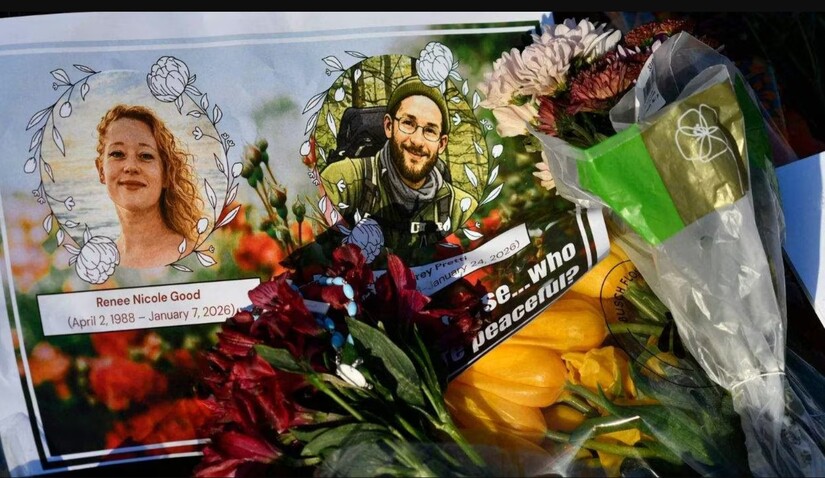
The Nation’s editors pointed to January 2026 as the turning point. Within weeks, two Minneapolis residents were killed in encounters involving federal immigration authorities, events that catalyzed public outrage and mass demonstrations.
On January 7, Renée Nicole Good, a 37 year old poet and mother of three, was fatally shot while seated in her vehicle during an encounter involving federal agents. The Department of Homeland Security initially characterized the incident as a response to what it described as “domestic terrorism,” a claim that was quickly disputed by witnesses and community advocates.
Seventeen days later, on January 24, Alex Jeffrey Pretti, a 37 year old intensive care unit nurse at the Minneapolis VA Medical Center, was shot multiple times by CBP agents in the Whittier neighborhood. Pretti had been filming an immigration raid and directing traffic. Video evidence later contradicted federal statements that he posed an active threat, showing him holding only his phone. On February 2, the Hennepin County Medical Examiner officially ruled his death a homicide.
The killings reverberated far beyond Minneapolis. National civil rights organizations called for federal investigations, members of Congress demanded answers, and protests spread across the country.
What distinguished Minneapolis in the eyes of The Nation was not only the severity of the federal actions but the character of the public response. Rather than descending into widespread unrest, residents organized sustained nonviolent demonstrations, court watches, mutual aid networks, and neighborhood patrols designed to warn residents of enforcement activity.
In its nomination statement, The Nation highlighted small but telling acts. Parents delivering groceries to neighbors afraid to leave their homes. Volunteers distributing whistles, hand warmers, and legal hotline numbers to protesters standing in subzero temperatures. Faith leaders opening church basements as warming centers and legal triage hubs.
The editors explicitly drew a line between these actions and the philosophy of Dr. Martin Luther King Jr., framing Minneapolis not as a city without conflict, but as one grappling with injustice through disciplined collective restraint. They argued that the city’s response had become a national touchstone. At protests in Boston and other cities, demonstrators were heard chanting, “Minnesota taught us to be brave.”
The Nobel Peace Prize nomination process allows a wide range of eligible individuals and institutions to submit candidates, including members of national assemblies, certain academic faculty, former laureates, and recognized organizations. While the Norwegian Nobel Committee keeps all nominations confidential for fifty years, it is not uncommon for nominators to publicly announce their submissions.
As a result, the nomination does not mean Minneapolis is under active consideration or has advanced to any formal shortlist. What it does represent is a deliberate act of political and moral framing. The Nation’s editors used the Nobel platform to elevate Minneapolis as a case study in civic resistance, signaling that peace is not merely the absence of conflict but the presence of organized, humane response to state power.
The nomination landed amid extraordinary volatility within the Trump administration. White House “border czar” Tom Homan arrived in Minneapolis in late January, pledging to personally oversee federal operations. At a January 29 press conference at the Bishop Whipple Federal Building, Homan said changes were underway, declaring, “President Trump wants this fixed, and I’m going to fix it,” while conditioning any drawdown of agents on full cooperation from Minnesota law enforcement.
Hours later, however, Donald Trump struck a notably softer tone. In a series of statements, the president suggested local officials were on a “similar wavelength” and hinted at scaling back what the administration had termed “enhanced operations.” The abrupt rhetorical shift underscored the political pressure generated by events in Minneapolis and the national scrutiny that followed.
In the days after Pretti’s death was ruled a homicide, the Department of Homeland Security announced that federal officers operating in Minneapolis would be issued body worn cameras, a policy change framed as an immediate transparency measure.
For Minneapolis, a city already etched into global memory by the murder of George Floyd in 2020, the Nobel nomination adds another complex chapter. This time, the focus is not on a singular act of violence but on what followed. How a city responded when confronted again with the machinery of state force.
Whether or not the Nobel Committee ever weighs the nomination is, in practical terms, beside the point. The Nation’s declaration has already achieved its aim. It has reframed Minneapolis not solely as a site of tragedy or unrest, but as a living example of how communities can choose solidarity over surrender, and nonviolence over despair, even when the stakes are life and death.



Sunny, with a high of 85 and low of 69 degrees. Clear in the morning, overcast in the afternoon, clear overnight.