Image
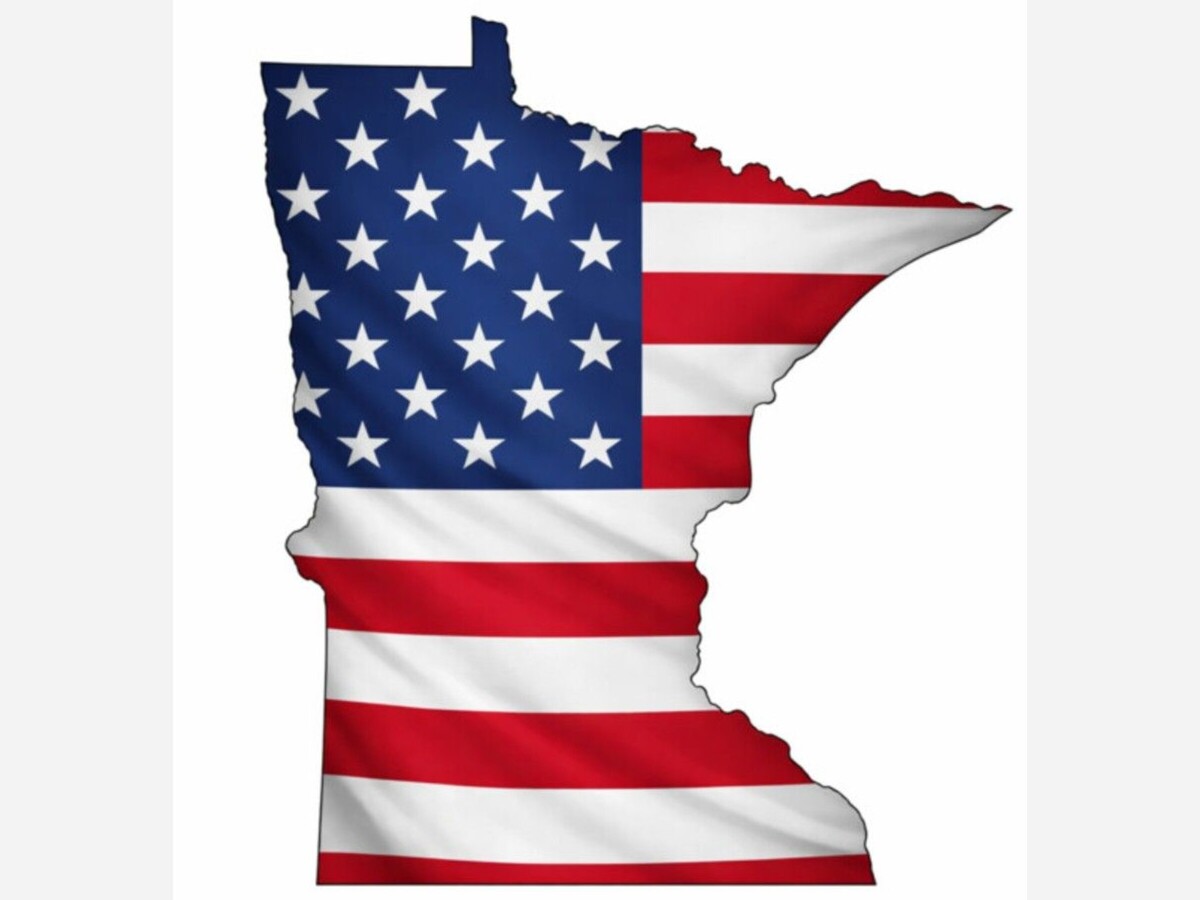



Shortly before 7:00 p.m. on a February evening, a woman stands just inside the doors of a suburban high school. She hesitates, coat still zipped, scanning handwritten signs taped to the walls. Precinct numbers. Arrows. Classrooms repurposed for civic life. She has lived in the neighborhood for twelve years. She has voted in every general election. This is her first caucus.
She is not late. Neither is Minnesota.
At 7:00 p.m. on Tuesday, February 3, 2026, thousands of doors like this one will close across the state, not to shut people out, but to bring neighbors together. In school auditoriums, cafeterias, churches, and community centers, Minnesotans will gather for precinct caucuses, the first formal step in the election season.
The caucus is not an election in the way most people understand elections. There is no private voting booth. No quick in and out. No instant result scrolling across a screen. The caucus is a meeting. A civic assembly. A structured conversation among neighbors, governed by rules, patience, and the understanding that democracy is something practiced in public.
In an era when politics often feels distant or abstract, the precinct caucus remains democracy at human scale. It is democracy in a room where your neighbors can see you, and you can see them.
Minnesota arrives at this caucus year carrying unusual civic weight. Open races at the highest levels of government have introduced uncertainty and opportunity. Federal immigration enforcement has heightened fear and sharpened questions about civil liberties and local responsibility. Labor unrest and economic anxiety have reignited debates about power, dignity, and fairness. Trust in institutions feels fragile, even as public engagement and protest have surged.
All of that walks into the caucus room.
The caucus does not resolve these tensions. It does something quieter and more enduring. It gives them a place to be spoken aloud, structured, debated, and translated into civic action.
If the state is a living organism, caucus night is a pulse check.
And for anyone who has never attended one, the most important thing to understand is this: caucuses may look small, but they shape what comes next.
A precinct caucus is a party-run neighborhood meeting. Political parties organize and operate the meetings within standards set by Minnesota law. The purpose is not only to express preference, but to organize the party from the ground up.
Minnesota does not have party registration. Participants simply attest that they generally align with the principles of the party whose caucus they attend. A person may attend only one party’s caucus in a given year.
At a caucus, participants do three essential things.
First, they organize the local party unit by electing precinct officers.
Second, they discuss issues and introduce resolutions. These resolutions can be local or statewide in scope. If they advance through subsequent conventions, they can influence or become part of a party’s official platform.
Third, they elect delegates and alternates. These individuals represent the precinct at later conventions where endorsements for public office are often decided.
A caucus is where politics stops being something you consume and becomes something you help construct.
Minnesota’s precinct caucuses take place Tuesday, February 3, 2026, beginning promptly at 7:00 p.m.
Locations are assigned by address and party. Many buildings host multiple precincts at once, with different rooms designated for each. Because caucuses are party-run, locations are posted by political parties and made available through statewide lookup tools.
For first-time caucus goers, the most practical advice is simple. Look up your location ahead of time. Arrive early. Expect a line. Bring patience.
Caucus night is designed as a shared civic moment. Everyone meets at the same time. No one waits to see how it turns out first.
Any eligible Minnesota voter may attend a caucus. There is no party registration requirement. Participants affirm alignment with the party they choose to caucus with.
You may attend only one party’s caucus in a caucus year.
Young Minnesotans are also part of the process. Both major parties allow 16- and 17-year-olds to attend caucuses, though eligibility for officer and delegate positions depends on party rules.
Minnesota law recognizes that caucuses require time. Employers must allow employees time off to attend, provided proper notice is given. The expectation is clear. Civic participation is not a hobby. It is a public responsibility.
Registration begins before 7:00 p.m. Attendees check in and are directed to their specific precinct room.
The meeting is called to order. Participants elect a chair, a secretary, and often tellers to assist with vote counting. These roles are filled by neighbors, not by appointees.
Sometimes party leaders or local candidates speak briefly. In a year shaped by uncertainty, these moments of direct human contact carry weight.
Next comes the governor preference ballot, often called the straw poll. State law requires that this ballot be available. It is nonbinding. It does not nominate anyone. What it does is signal energy.
In crowded races, that signal matters. Strong showings attract volunteers, donors, and attention. Weak ones often end campaigns quietly.
Then comes the most misunderstood and arguably most democratic part of the caucus. Resolutions.
Any attendee may introduce one. People debate. Amendments are offered. Votes are taken. Ideas begin their long journey from a classroom discussion to potential party policy.
Finally, delegates and alternates are elected. These are not celebrities or insiders by default. They are people willing to show up again, to sit through conventions, and to carry the voices of their neighbors forward.
This is how caucus night connects to real power.
Caucuses ask for physical presence and time. That is both their strength and their limitation.
Political parties provide limited alternatives for those who cannot attend, such as non-attendee or absentee nomination procedures. These options vary by party and are typically more constrained than in-person participation.
Caucus participation rewards preparation. Those who want to engage should review options well in advance.
The 2026 caucuses take place amid heightened concern about public safety and civic trust. Federal immigration enforcement has affected turnout expectations and the emotional reality of public gatherings.
This is not a partisan observation. It is a civic one.
When people are afraid to gather, democracy weakens. Not because one side wins or loses, but because the public square contracts.
At its best, the caucus pushes back against that contraction. It insists that civic life continues even under strain. It offers a structured space where participation remains possible.
Minnesota’s caucus tradition is rooted in a long civic culture that values participation over spectatorship. From township meetings to the Farmer Labor movement, the state has insisted that democracy is something people do together.
Precinct caucuses are one of the last living expressions of that belief.
They are imperfect. They are sometimes frustrating. They test patience. But they rest on a premise that feels increasingly rare. That citizens should deliberate face to face before power hardens and decisions are finalized.
If this is your first caucus, remember this.
Look up your location before caucus night.
Arrive early, especially if multiple precincts meet in the same building.
Bring your address information so you are routed correctly.
Decide your goal. Voting in the preference ballot. Introducing a resolution. Becoming a delegate.
If you want to be a delegate, be ready to explain why you want to represent your neighbors.
Caucuses reward clarity of purpose.
Years from now, the slogans of 2026 will fade. Campaign signs will come down. Officeholders will change.
What will remain is the quieter record of civic life. Who showed up when the climate was tense. Who spoke when silence would have been easier. Who chose to practice democracy not as a theory, but as an act.
On Tuesday, February 3, 2026, at 7:00 p.m., Minnesota’s caucus rooms will fill with something no poll can measure. Human presence. Civic courage. The belief that participation still matters.
Democracy rarely announces itself with spectacle. More often, it clears its throat in a school hallway, takes attendance, calls the meeting to order, and begins.
If Minnesota’s political season is to be remembered, it will begin the way it always does.
With neighbors, in a room, deciding together what comes next.


Sunny, with a high of 67 and low of 42 degrees. Sunny in the morning, partly cloudy during the afternoon and evening, clear overnight.