68° and Patchy rain nearby
Image



ST. PAUL, MN
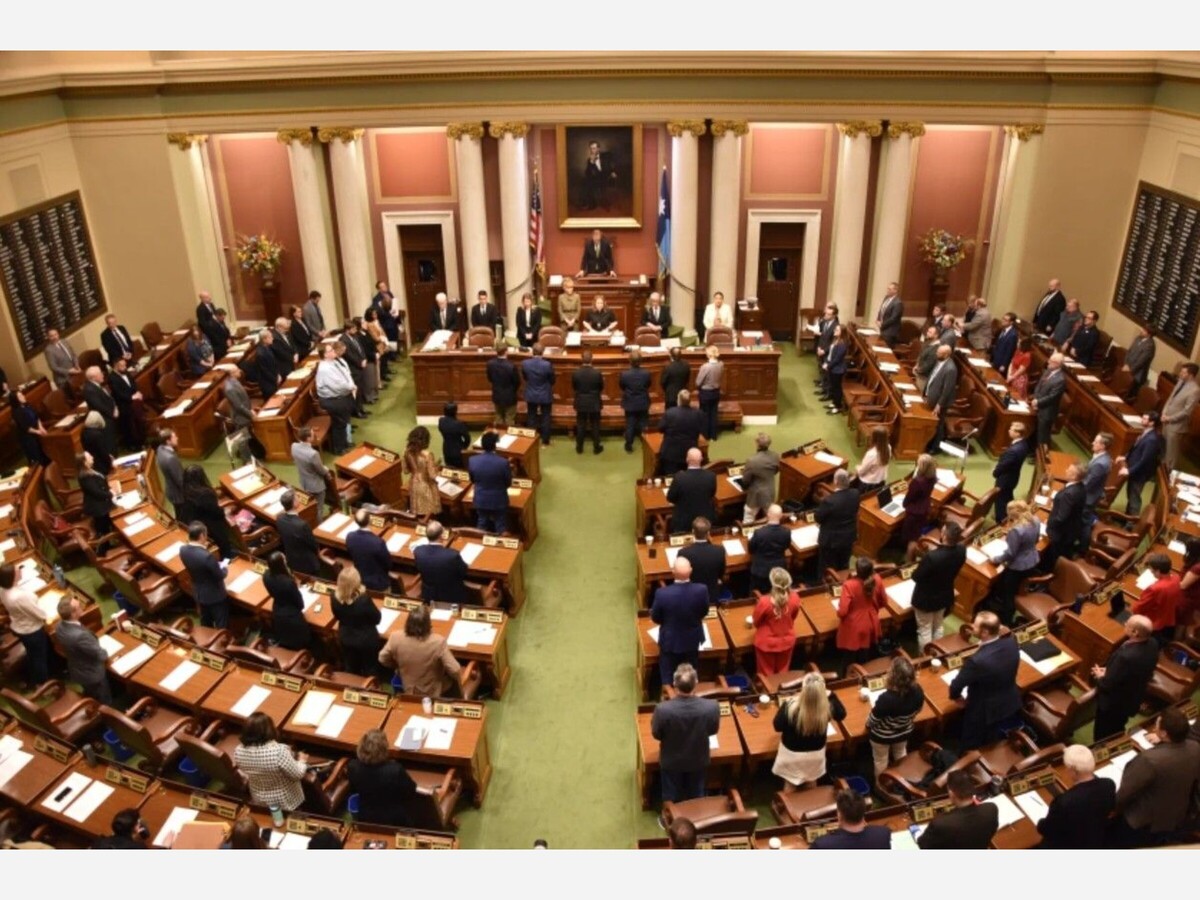
The Minnesota House of Representatives returned this week to an evenly divided chamber, as two newly elected Democratic-Farmer-Labor lawmakers were sworn in following special elections that concluded on January 27, 2026. The results restore a 67–67 partisan balance in the 134-member House, reestablishing the power-sharing dynamic that has defined much of the current legislative term as lawmakers prepare to convene for the 2026 session on February 17.
The swearing-in of Meg Luger-Nikolai of St. Paul and Shelley Buck of the east metro formally fills two vacancies created by recent shifts in local and state leadership.
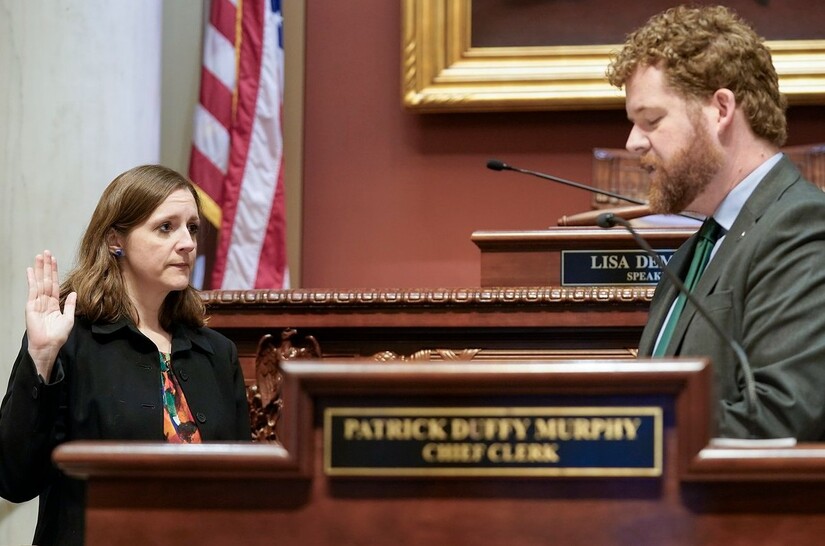
Luger-Nikolai now represents House District 64A, which encompasses the Summit Hill, Cathedral Hill, and Merriam Park neighborhoods of St. Paul. The seat opened after Kaohly Her resigned from the Legislature following her election as mayor of St. Paul in November 2025.
A labor attorney for Education Minnesota, Luger-Nikolai built her campaign around expanding workers’ rights, fully funding public education, and protecting access to healthcare. She defeated Republican challenger Dan Walsh in a district long considered a DFL stronghold, securing approximately 95 percent of the vote.
In District 47A, which includes parts of Maplewood and Woodbury, Buck was elected to replace Amanda Hemmingsen-Jaeger, who vacated her House seat after winning a special election to the Minnesota Senate late last year. Buck appeared on the ballot without major-party opposition and won with nearly 98 percent of the vote, with the remainder cast as write-ins.
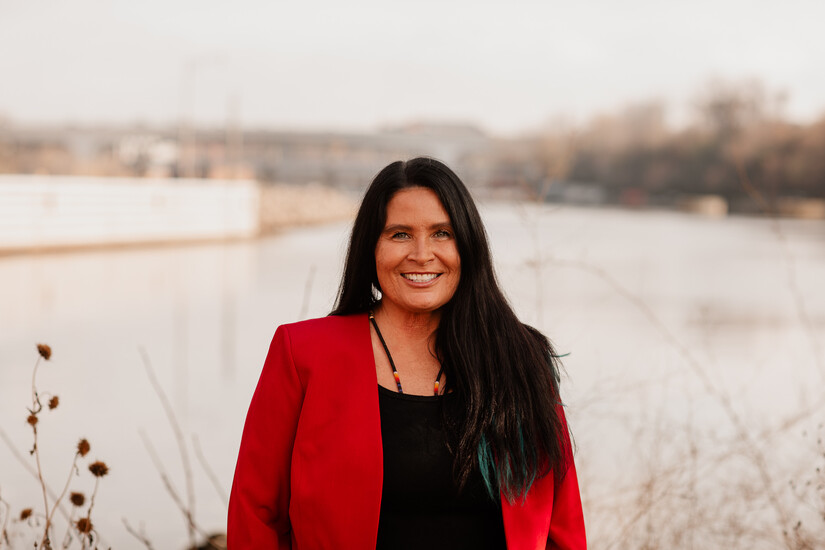
Buck brings more than a decade of leadership experience in tribal government, having served as president of the Prairie Island Indian Community. She also holds a Master of Jurisprudence in Tribal Indian Law. Her legislative priorities are expected to include environmental protection, particularly water safety, alongside policies supporting working families and tribal sovereignty.
With both seats now filled, the Minnesota House returns to a precise partisan tie, an outcome that carries immediate procedural and political consequences. Under House rules, evenly divided chambers require formal power-sharing agreements between the caucuses.
That arrangement, negotiated between DFL Leader Zack Stephenson and Republican Leader Lisa Demuth, typically results in co-chaired committees, evenly split committee membership, and jointly negotiated daily floor agendas. While such agreements are designed to ensure continuity of governance, they also demand a higher level of bipartisan cooperation to advance legislation.
The House tie stands in contrast to the Minnesota Senate, where Democrats currently hold a narrow 34–33 majority. Together, the split chambers set the stage for a session likely marked by negotiation rather than sweeping partisan action.
When lawmakers gavel in on February 17, they will confront a full slate of high-stakes issues, including infrastructure bonding proposals, school safety and education funding, and the state’s response to recent federal policy shifts that have reverberated across Minnesota communities.
For now, the swearing-in of Luger-Nikolai and Buck closes a brief chapter of uncertainty at the Capitol, restoring the House to full membership and reaffirming the delicate balance of power that will shape the 2026 legislative session.
In a year where every vote matters, Minnesota’s House once again stands evenly divided, and the path forward will be written not by margins, but by compromise.



Overcast, with a high of 73 and low of 57 degrees. Overcast during the morning,