Image
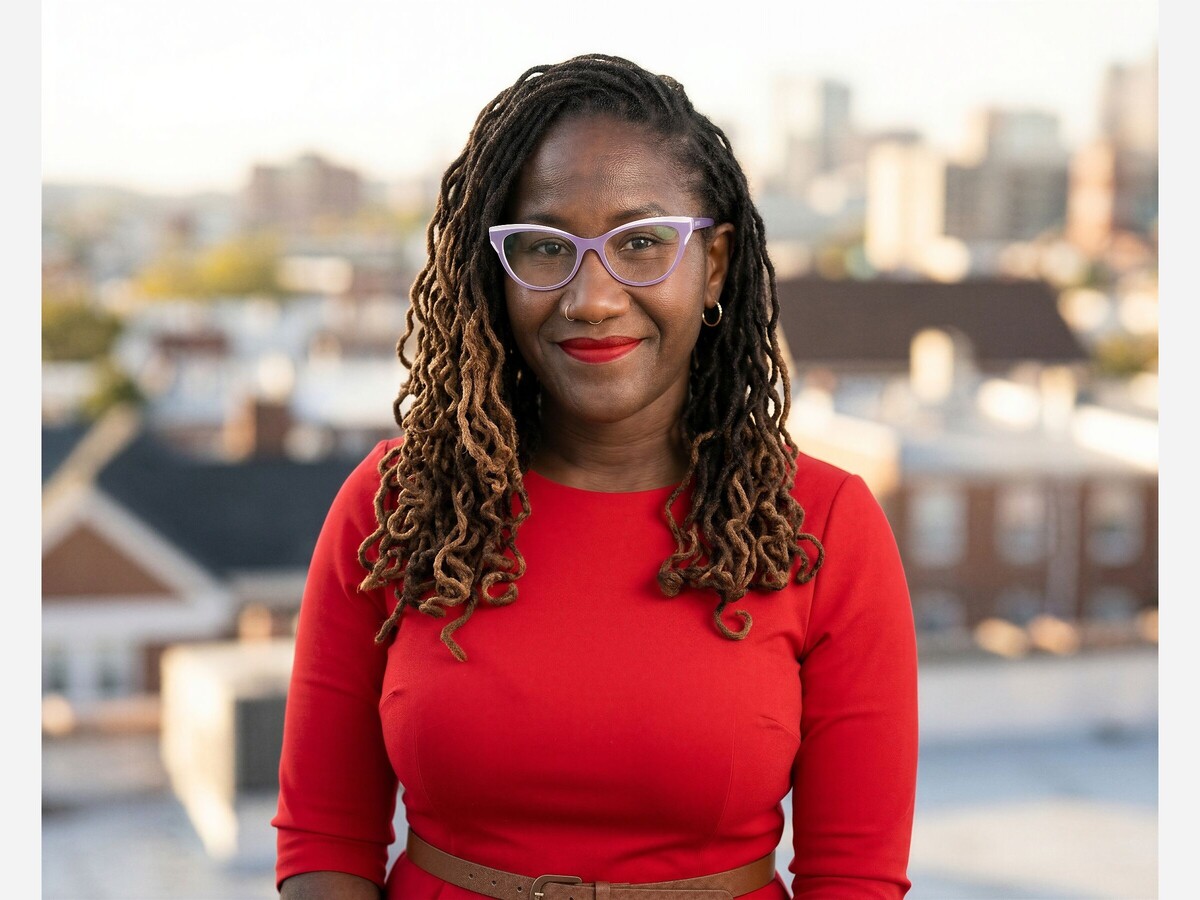



On a winter evening in Minnesota, Dr. Aja Dionna King speaks with the calm steadiness of someone who has spent much of her life listening.
Not the casual listening of everyday conversation. Something deeper. The kind of listening that requires patience, restraint, and a willingness to sit beside another person’s pain without rushing toward resolution.
For more than two decades, King has practiced that discipline as a Licensed Professional Clinical Counselor. In therapy rooms, community spaces, and civic settings across Minnesota, she has helped individuals and families navigate the complicated emotional terrain of trauma, grief, identity, and renewal.
Her work is rooted in a deceptively simple idea. Healing begins when people feel seen.
King is also the founder of Brave Defiance Consulting, a practice dedicated to restorative dialogue, emotional wellness, and the long work of rebuilding trust in fractured relationships and communities.
Yet what distinguishes her is not simply professional training. It is the philosophy that guides her work.
Healing, she believes, requires courage.
Sometimes even defiance.
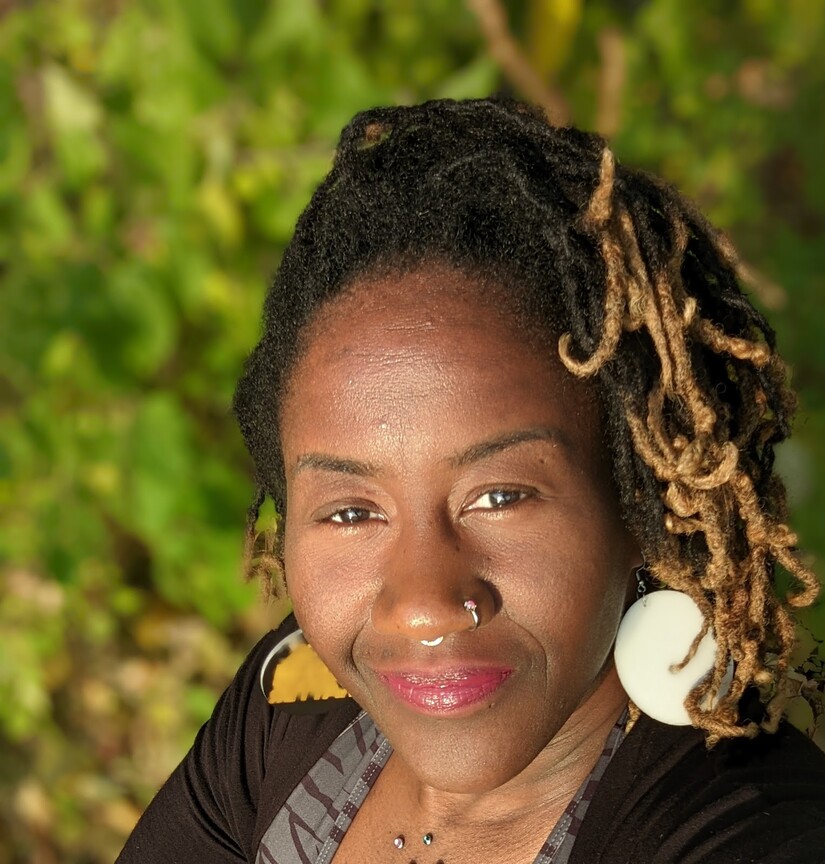
The path that led King to counseling began in Birmingham, Alabama, where she grew up.
In the eleventh grade, her high school offered students an opportunity to participate in a cooperative learning program that introduced them to professional fields. One option involved shadowing a therapist at Children’s Hospital.
King followed instinct.
“I always pay attention to signs,” she says. “I believe God guides us in ways we do not always recognize right away.”
The therapist she shadowed, Audrey Lampkin, was a licensed social worker and an African American woman in a leadership role. Watching her navigate the emotional realities of patients and families left a lasting impression.
But the seeds had been planted long before.
Even as a child, King noticed that people confided in her.
“My friends used to tell me their secrets,” she recalls with a gentle laugh. “One of my closest friends called me her favorite secret keeper.”
She moved easily among social circles. People trusted her instinctively.
The internship confirmed what she had begun to suspect about herself.
From that point forward, she never seriously considered another profession.
“I never wavered,” she says.

Many people arrive in therapy carrying the weight of self judgment.
Shame. Regret. The persistent feeling that life has not unfolded the way it should have.
King understands that burden intimately.
Over the years she has navigated her own life transitions, including divorce and relocation. At one point she lived in Virginia, a place she describes as her dream location. After her marriage ended, she moved to Minnesota to rebuild.
Experiences like those shape the perspective she now brings to her work.
“Life humbles you,” she says.
When clients enter her office, she often begins with a message that runs counter to the harsh expectations many people place on themselves.
Be gentle with yourself.
“We spend a lot of time punishing ourselves for what we think we should have done differently,” she explains. “Healing begins when we start nurturing those parts of ourselves instead.”
King encourages people to listen to the inner voices that produce shame and guilt, not to silence them but to understand them.
Spirituality plays an important role in this philosophy.
“I truly believe none of us are where we are by accident,” she says. “We are where we need to be right now.”
Progress, she adds, does not always arrive in dramatic leaps.
“You climb a mountain one step at a time.”

The name of King’s consulting practice captures the essence of her worldview.
Brave Defiance.
The phrase reflects a lifelong habit of questioning assumptions.
“Who said it has to be done this way?” she asks.
For King, defiance is not rebellion for its own sake. It is the courage to challenge expectations that do not serve our well being.
Many people move through life following scripts they never consciously chose. Cultural expectations. Family pressures. Social norms that quietly dictate how a person should live.
Brave Defiance invites people to pause and ask a simple but powerful question.
Who says?
Who says you cannot pursue education while raising children?
Who says you cannot define your own version of success?
“Wellness has to look right for you,” King says. “You get to shape your own path.”
A significant portion of King’s work involves restorative practices, approaches designed to repair harm in relationships, workplaces, and communities.
The process begins with communication.
Not debate. Not persuasion.
Curiosity.
“You have to sit with people and ask how they got here,” she says.
Understanding another person’s journey does not erase harm. But it can open a path toward accountability and reconciliation.
King often describes human relationships with a simple metaphor.
“We are like atoms moving through space,” she says. “We bump into each other.”
Those collisions can produce pain.
Healing requires patience and grace.
“In my household,” she explains, “we practice care, kindness, and concern.”
The principle extends beyond the home into her work with clients and communities.
Restoration, she believes, begins with a willingness to see one another as human.
King frequently works with women navigating overwhelming responsibilities.
From childhood, many girls are taught that caring for others is their primary role.
Even toys reinforce the lesson.
“I remember those dolls you were supposed to feed and change,” she says. “That was considered play.”
The expectation persists into adulthood.
Women hold families together, support colleagues, and manage emotional labor across multiple relationships.
Often at the cost of their own well being.
King challenges that narrative.
“It is okay to set boundaries,” she says.
Strength, she argues, does not require self sacrifice.
She practices this philosophy at home with her two children, now teenagers. Family meetings have long been a staple of their household.
Everyone has responsibilities.
“Leadership is not doing everything yourself,” she says. “It is guiding the collective.”

King’s children’s book, Finding My Cool, emerged from a deeply personal moment.
Her youngest son struggled with emotional regulation in school before being diagnosed with ADHD.
One day he asked a question that stopped her cold.
“What is wrong with me?”
The moment revealed something fundamental about childhood emotional development.
Children experience intense emotions but often lack the language to describe them.
King wrote the book to help children understand their feelings and express them openly.
“Children need vocabulary for their emotions,” she says.
Without it, they carry confusion into adulthood.
In a society that celebrates constant productivity, King advocates something that can feel almost revolutionary.
Rest.
Rest is not laziness, she insists. It is restoration.
Sometimes rest means sleep. Sometimes it means stepping away from obligations. Sometimes it means simply observing the world around us.
Modern culture equates busyness with value.
King rejects that equation.
“Even God rested,” she says.
One of her favorite exercises is surprisingly simple.
Watch birds.
Observe how they glide through the sky, land briefly for nourishment, then return to flight.
“They are just living,” she says.
In those moments, she suggests, we remember what it feels like to exist without constant urgency.
King moved to Minnesota in 2013.
Since then she has witnessed defining moments in the state’s history, including the deaths of Jamar Clark, Philando Castile, and George Floyd.
The events sparked national conversations about justice and racial equity.
Yet King’s perspective on Minnesota remains one of cautious optimism.
“This state shows up,” she says.
People organize. Communities mobilize. Conversations about justice unfold in public spaces.
She has also built a network of colleagues and friends who continue to advocate for change.
Minnesota, she says, offered her the opportunity to rebuild her life.
And she has embraced that opportunity.
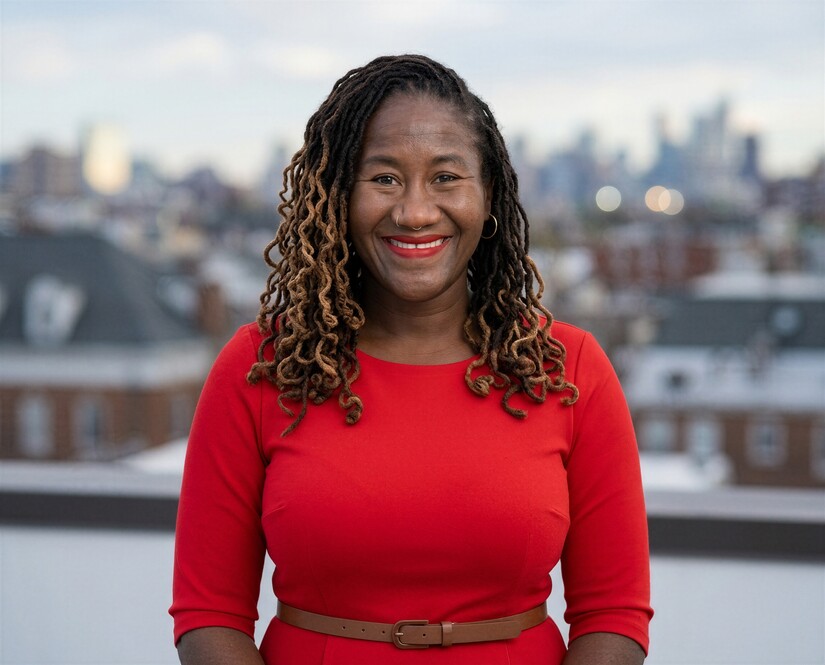
When asked about legacy, King does not speak about awards or recognition.
Instead she speaks about how people feel after encountering her work.
“I hope they feel welcomed,” she says.
More importantly, she hopes they feel empowered.
“I want people to know they get to define their own lives.”
Her guiding question remains simple.
Who says?
Who says you must live inside someone else’s expectations?
“Be courageous,” she says. “Be joyful. Be bold.”
Then she adds one final thought.
“Whatever you become, let it make the path easier for the next person.”
As part of the Power of Her series, King nominated two women whose work continues to shape Minnesota’s civic and cultural landscape.
Ebony Eromobor, a therapist and community advocate whose discipline and compassion have earned the admiration of colleagues and clients alike.
And Dara Beevas, author, publisher, and co founder of Pimento Jamaican Kitchen, whose leadership bridges storytelling, entrepreneurship, and community engagement.
Healing rarely announces itself loudly.
It happens in quiet rooms, in difficult conversations, and in the steady patience required to rebuild trust after harm.
Dr. Aja Dionna King has built a life around those moments.
Her work reminds us that leadership does not always demand the spotlight.
Sometimes it simply requires the courage to listen.
And in a fractured world, that courage may be one of the most powerful forms of leadership we have.
MinneapoliMedia
Community. Culture. Civic Life.


Sunny, with a high of 65 and low of 42 degrees. Sunny for the morning, clear for the afternoon and evening,