Image




The conversation begins the way many real conversations do lately, not with ceremony, but with logistics, shifting schedules, apologies made without guilt.
“Sorry for all the back and forth,” Alexis Rogers says, laughing lightly. “This day just keeps going all over the place.”
It is cold outside. Minnesota winter cold. The kind that settles into the bones. Inside the screen, there is warmth, but also motion. Transition. A woman in the midst of becoming something again.
“I’m taking on more freelance clients,” she says. “It’s a very different feel than going into the station every day. I feel like I’m back in school, learning as I go.”
There is no bitterness in her voice. Only honesty. Curiosity. A steady willingness to step forward without pretending the ground beneath her feet is fixed.
Alexis Rogers is a four-time Emmy Award–winning journalist, a community leader, and the founder of I Speak People and Lisa’s Girls Inc. But the titles do not arrive first. What arrives first is the human being navigating change in real time, still oriented toward people, still listening.
“I’ve always been curious,” she says. “That’s been the through line.”

Alexis describes herself as a child who wanted to understand excellence and then experience it fully. Not just perform it, but inhabit it.
“I wanted the fullness of whatever I was doing,” she says. “I wanted to do it right. And I wanted to enjoy it.”
As she grew older, that instinct collided with a reality many women of color encounter early and often. She understood the systems she moved through, but she did not fit neatly inside them.
“I realized that I didn’t fit into everybody’s box,” she says. “I could get it. I understood what they were asking for. But in my full authenticity, I wasn’t going to fit.”
At first, that dissonance felt like failure. Then, slowly, it became instruction.
“It wasn’t that I was doing it wrong,” she says. “I was just doing it differently.”
That realization required patience. And courage. And a willingness to remain coachable without surrendering the self.
“If I could tell my younger self anything,” she says, “I would tell her to be patient. To lean into creativity. There was nothing wrong with the way I was doing things. It just wasn’t familiar to people.”
She pauses.
“I’m still reminding myself of that today.”
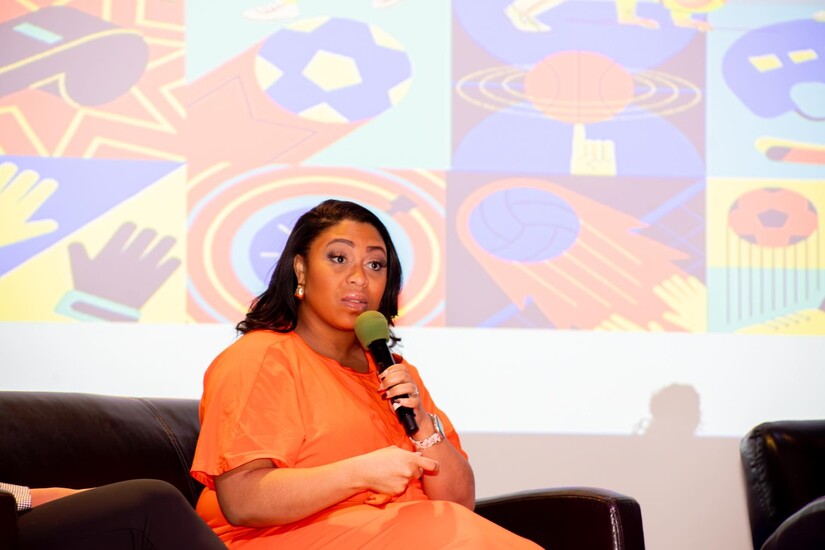
For Alexis, storytelling is not a profession she stumbled into. It is an inheritance.
“It’s always been ours,” she says. “From generation to generation.”
Across the African diaspora, across cultures, across time, storytelling has been the way people survived erasure. The way memory traveled when institutions refused to carry it. The way truth stayed alive.
“Storytelling can be helpful or hurtful,” she says. “People have used it to take power over others. To change narratives.”
What cannot be taken, she insists, is lived experience.
“That’s our power. The authenticity. The truth. Nobody can take that away.”
Her understanding of storytelling is grounded in faith, but not confined by it.
“I come from a faith basis,” she says. “That’s my core. And I understand if that’s not where someone else comes from. But you can’t understand the capacity of relationships without understanding people’s stories.”
Change, she notes, is inevitable. Platforms shift. Formats compress. Attention spans fracture.
“But storytelling,” she says, “that’s been the constant.”
Awards came. Recognition followed. But Alexis learned early that validation is a fragile place to build a life.
“You can strip away titles,” she says. “And if you’ve had no impact, then what was it all for?”
Her first Emmy came from a series called Kaylee’s Story, rooted in health justice and organ donation, especially within communities of color where misinformation and fear often fill the gaps left by silence.
Months before the story aired, a woman had come to Alexis confused and heartbroken, unable to understand why her son’s organs could not be donated to help his father.
“Curiosity is the best thing to have,” Alexis says. “It’s okay not to know.”
She began asking questions on the woman’s behalf, using access the woman did not have. Not because she wanted a story, but because she saw a need.
Then tragedy struck.
A car crash. Teenagers. A young woman named Kaylee, preparing for college, who had opted into organ donation under newly changed Ohio law. Her family agreed to unprecedented access, allowing Alexis to document the process from the inside.
For 72 hours, Alexis lived inside two timelines at once: daily news deadlines and a sacred, unfolding story behind hospital doors.
“It was the honor of my life,” she says.
The series reunited donor families and recipients in ways that rarely happen. It is now used nationally as an educational tool.
“That’s what keeps me going,” she says. “Impact.”
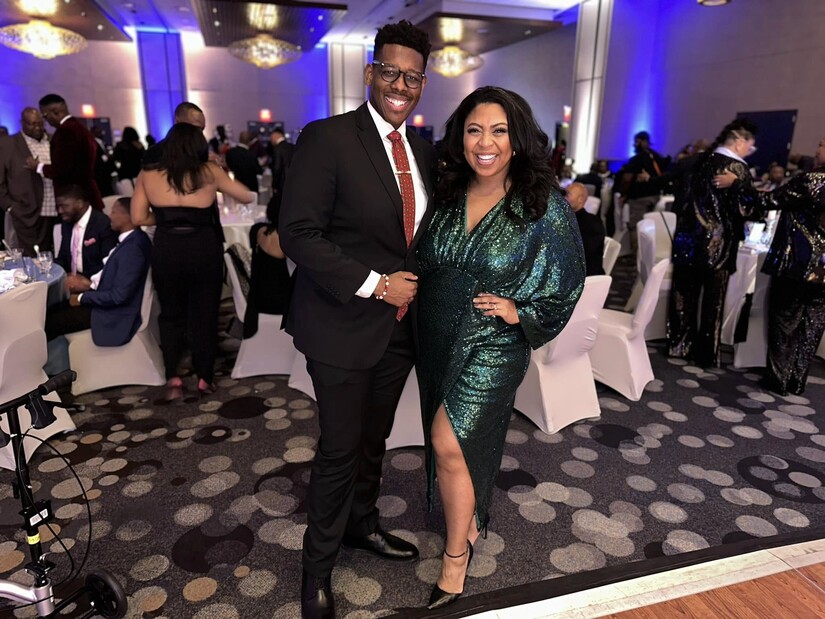
Alexis has lived in six or seven cities. Often without family nearby. Community, she says, is how she survives.
“When I moved to Minnesota,” she says, “community helped me feel at home. It helped me do my job.”
As Community Relations Manager at KARE 11, she was tasked with building trust across a complex landscape of diasporas, cultures, and expectations, while still meeting corporate goals.
“We did more in a year than they’d done in twenty,” she says, not boastfully, but matter-of-factly.
Her lived experience, once treated as an obstacle, became the asset.
“If you just lean into it,” she says, “it actually helps you hit your goals.”
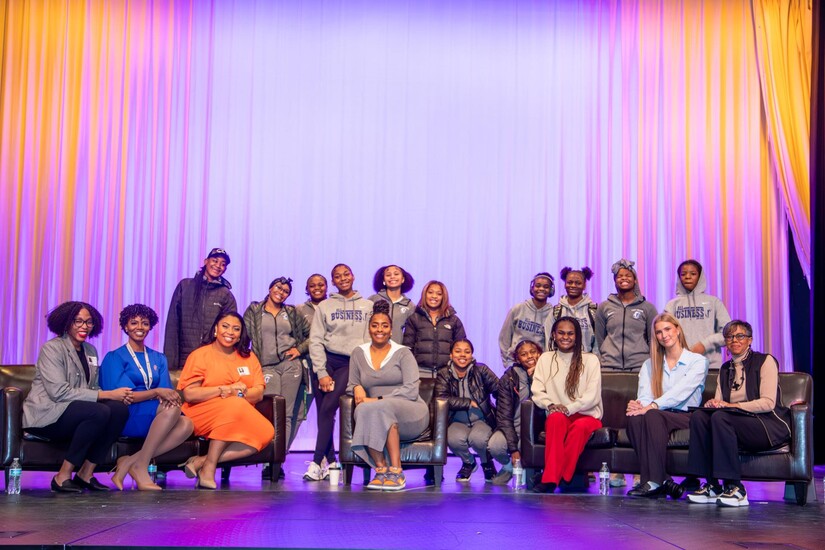
Lisa’s Girls Inc. was born from Alexis’s Girl Scout Gold Award. And from grief.
She lost her mother at nineteen.
“On paper, I was doing great,” she says. “But underneath, I was struggling.”
It was other women who saw her fully. Who addressed spiritual health, mental health, life skills, relationships. Who offered help without judgment.
“Black women saved my life,” she says plainly.
Lisa’s Girls became a resource generator, a place for intergenerational learning, for re-meeting oneself at every stage of life.
“Womanhood is not a monolith,” she says. “Especially for Black women.”
The work continues to grow. Demand outpaces resources.
“That’s a good problem,” she says, smiling.
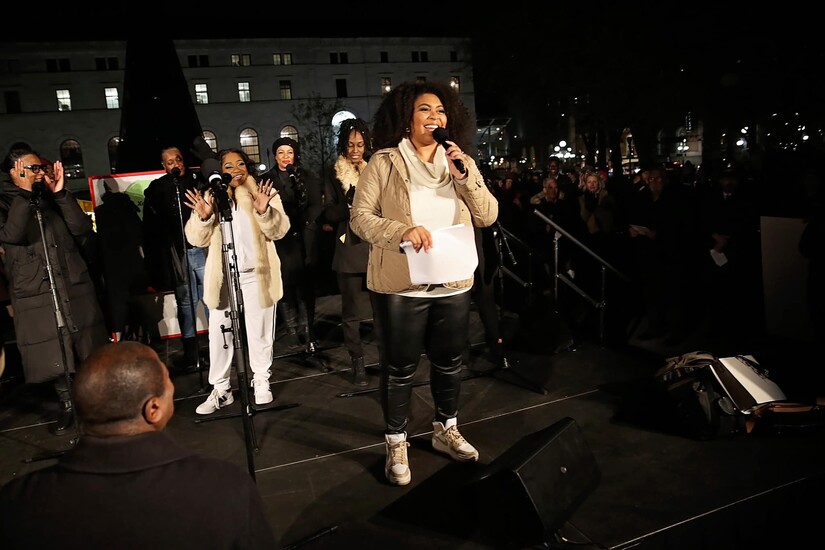
Leadership brings visibility. And pressure.
Alexis speaks candidly about the burden of being “the first,” about the exhaustion of moving goalposts, about the necessity of preservation.
“You have to protect yourself,” she says. “Because if you don’t, the spaces will take everything.”
Faith, her husband, her village anchor her.
“I just want everyone to thrive,” she says. “That’s always been the constant.”
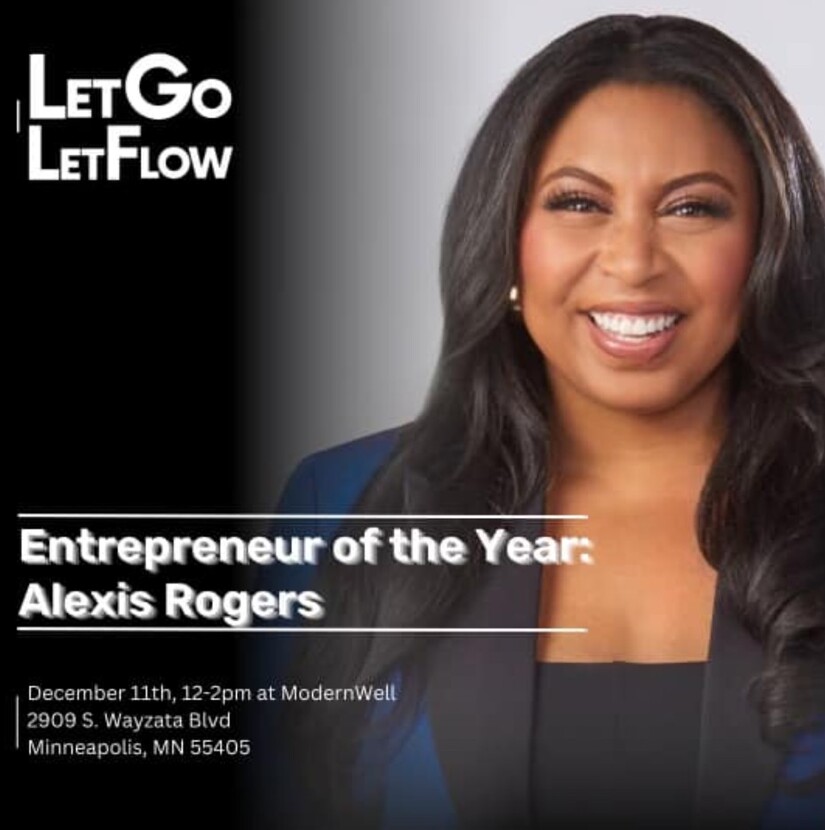
“Storytelling is resistance,” Alexis says.
Even if ignored at first, stories hold power. History proves it.
The tools may change. Platforms evolve. Algorithms distort.
“But the mission doesn’t,” she says. “We can’t get tired.”
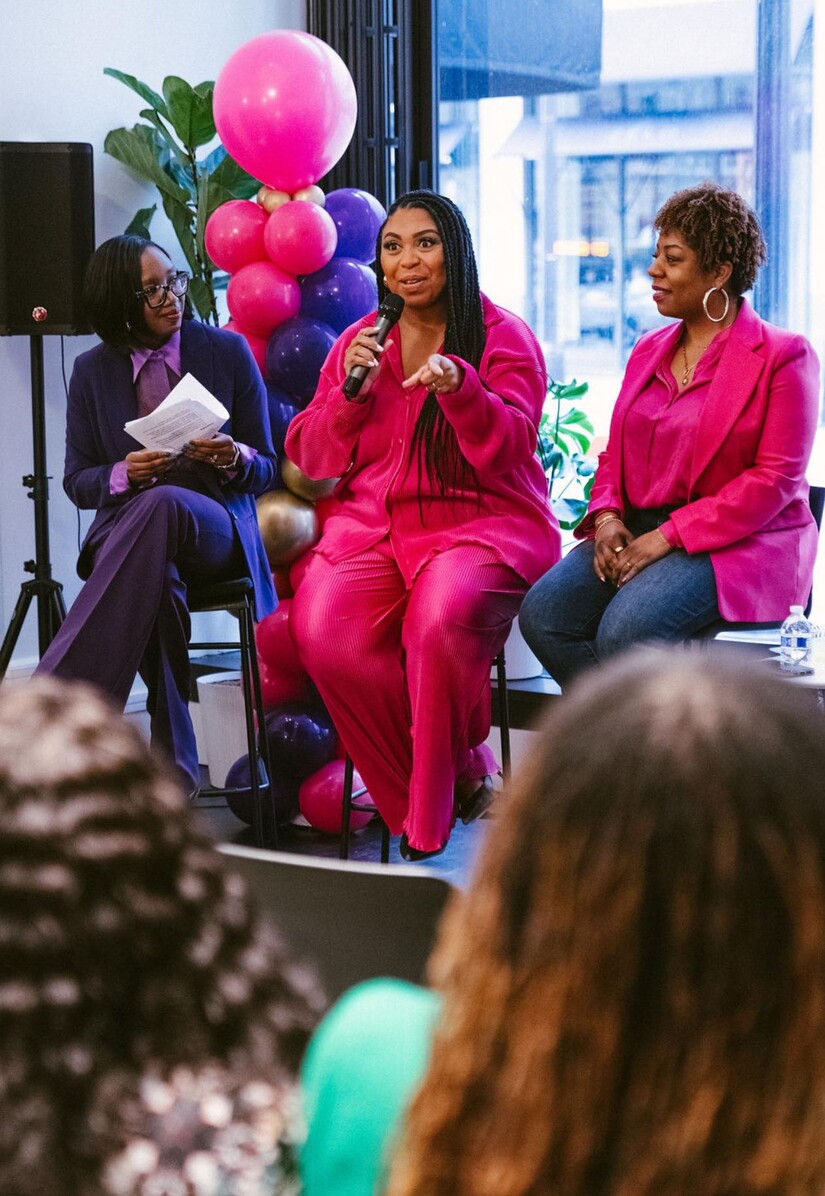
When asked what she hopes people remember, Alexis does not mention awards.
“I hope they remember how I made them feel,” she says. “And how I helped them make others feel.”
Connection. Joy. Strength passed forward.
“So the next generation,” she says, “doesn’t have to start where we did.”
As tradition holds, Alexis names other women doing essential work, Sharon Smith, Sonya Hodges, Cena Hodges, Georgia Fort.
Because her leadership, like Dawn L. Johnson’s, is not a ladder.
It is a widening table.


Sunny, with a high of 46 and low of 24 degrees. Sunny in the morning, freezing fog during the afternoon and evening, clear overnight.