40° and Clear
Image
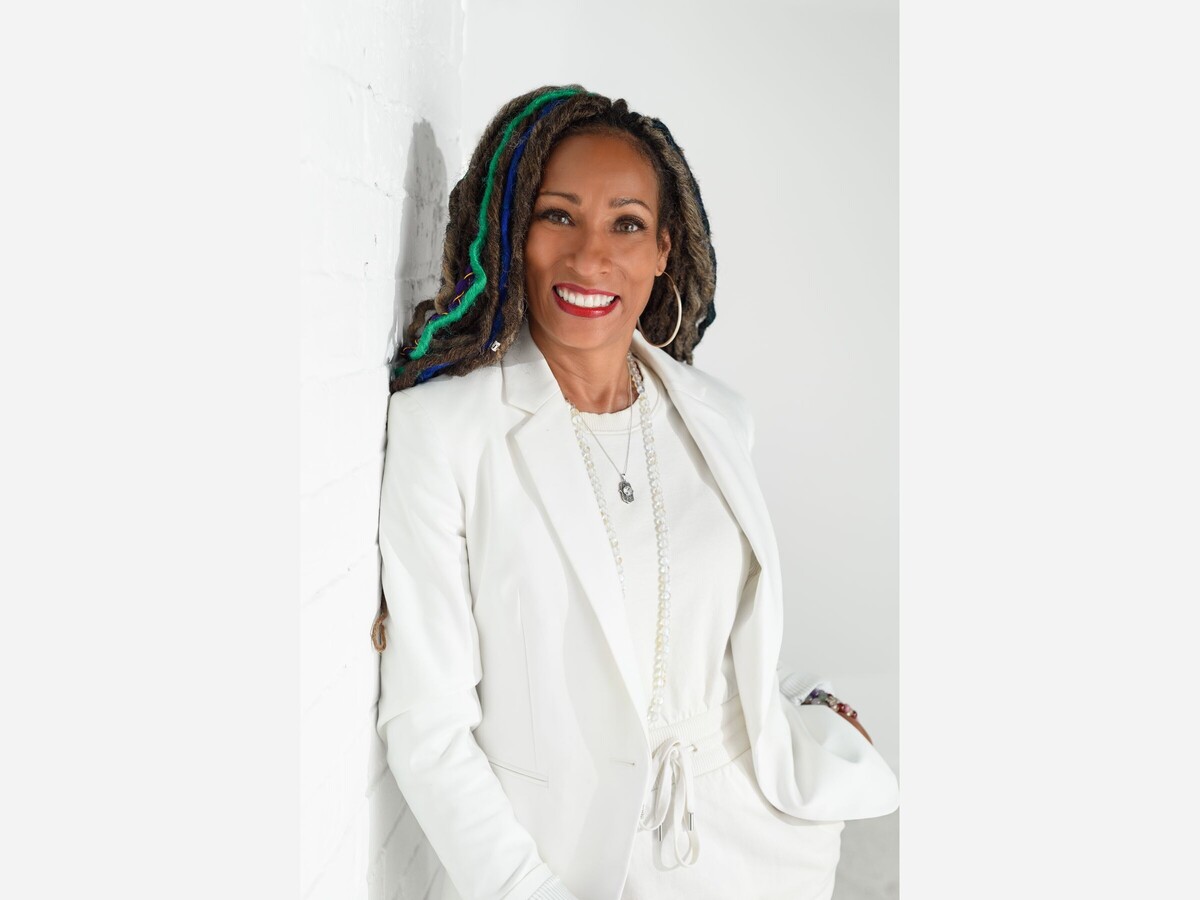



The interview begins the way real life often begins: not with a grand entrance, but with the small comedy of human friction, a microphone muted, a speaker too low, a momentary scramble for clarity.
“Hello, can you hear me — I’m not on mute? Let’s see. OK, I think we’re good.”
Voices overlap. Headphones are adjusted. Someone apologizes for a house filled with the movement of college-aged children home for break. The conversation settles, then opens.
And when Dawn L. Johnson arrives fully, when her voice finds its steady register, it is not as a brand, a résumé, or a curated title. It is as a person intent on the sacred, largely unseen labor of helping other people return to themselves.
“I am most excellent,” she says, with the kind of calm certainty that sounds almost like a choice made over and over again, especially in years when choosing it would have been easiest to abandon.
This year, she explains, has been hard for a lot of people. Hard in ways that don’t always make headlines. Hard in the ways that live in the body and turn up later as fatigue, irritability, numbness, grief. But she is reflective as the year winds down, not because she is ignoring what has been broken, but because she has trained herself to notice what remains alive.
“There is light in literally every aspect of our journey,” she says. “And I’m grateful that I’m a human that chooses to walk that path.”
In Minnesota, where institutions are often described as progressive and the language of equity is widely spoken, Dawn’s work does not happen in slogans. It happens in rooms. It happens in silence. It happens the moment someone realizes that the version of themselves they’ve been performing is not the version they were created to be.
She is a Minnesota-based life and leadership coach, facilitator, and mentor. Her professional path spans corporate leadership, youth development, wellness work, and community-centered coaching, the kind of career that looks linear only if you ignore the spiritual through-line: she has been studying people for a long time, and she has become fluent in the ways they hide from themselves.
Her leadership does not rely on visibility. It relies on transformation.
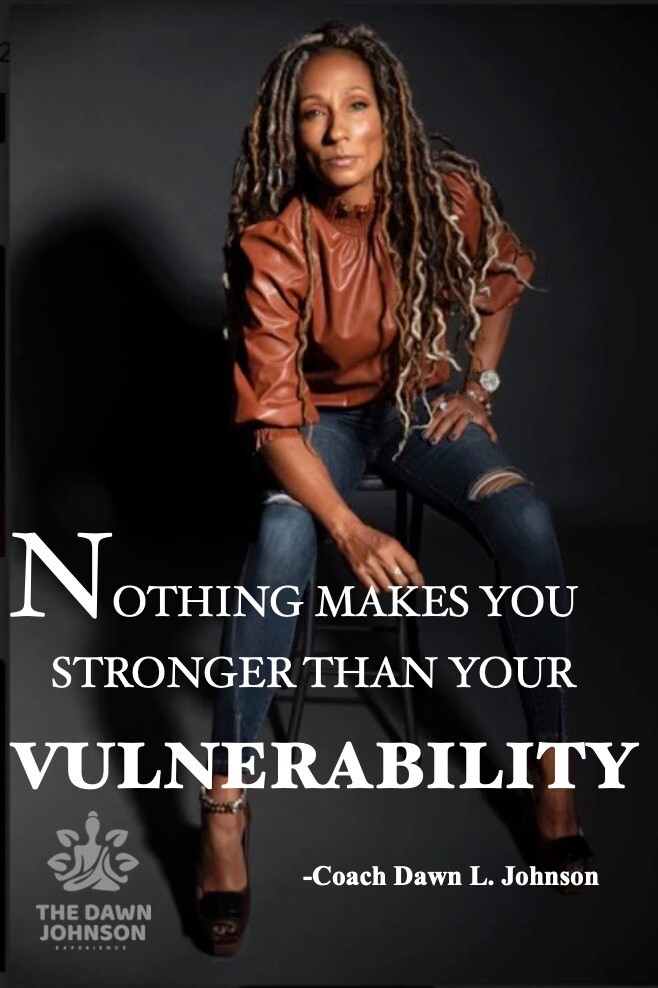
For nearly 23 years, Dawn worked in corporate environments, the kind of places where your worth is often measured in output, your identity collapses into a title, and your humanity is tolerated as long as it doesn’t slow the machine.
Then that chapter ended.
And like many people who have spent decades inside a system, she faced a question that can feel almost destabilizing in its simplicity: Who am I without this?
“When that was no longer… when I was at the end of that part of my journey,” she says, “I had the opportunity to sit with, well, how do I show up? What is my why?”
It’s the kind of question people postpone until they are forced to answer it.
For Dawn, the answer did not emerge from ambition. It emerged from responsibility, a conviction that what she had lived through, including what had been painful, could not remain private. Not if it could become a bridge for someone else.
“As an African American woman in predominantly white spaces in corporate America,” she says, “I had an amazing responsibility to take what I have learned… even the bad ones… and be able to work with organizations and individuals to take those lessons and blessings of the things that I endured.”
The word “endured” lands with quiet weight. It implies not just challenge but survival, the daily navigation of being misread, minimized, expected to be twice as competent and half as human. She does not list grievances. She describes a truth many African American women in institutions already know: the costs are real, even when they are never reimbursed.
Dawn’s coaching does not begin by asking what you do for a living. She begins by stripping that question of its power.
“I really don’t care that you’re the vice president of the United States, global blah, blah, blah,” she says, with a disarming bluntness that is less aggression than liberation. “We’re going to be heart to heart, human to human, soul to soul.”
It is not a gimmick. It is a method.
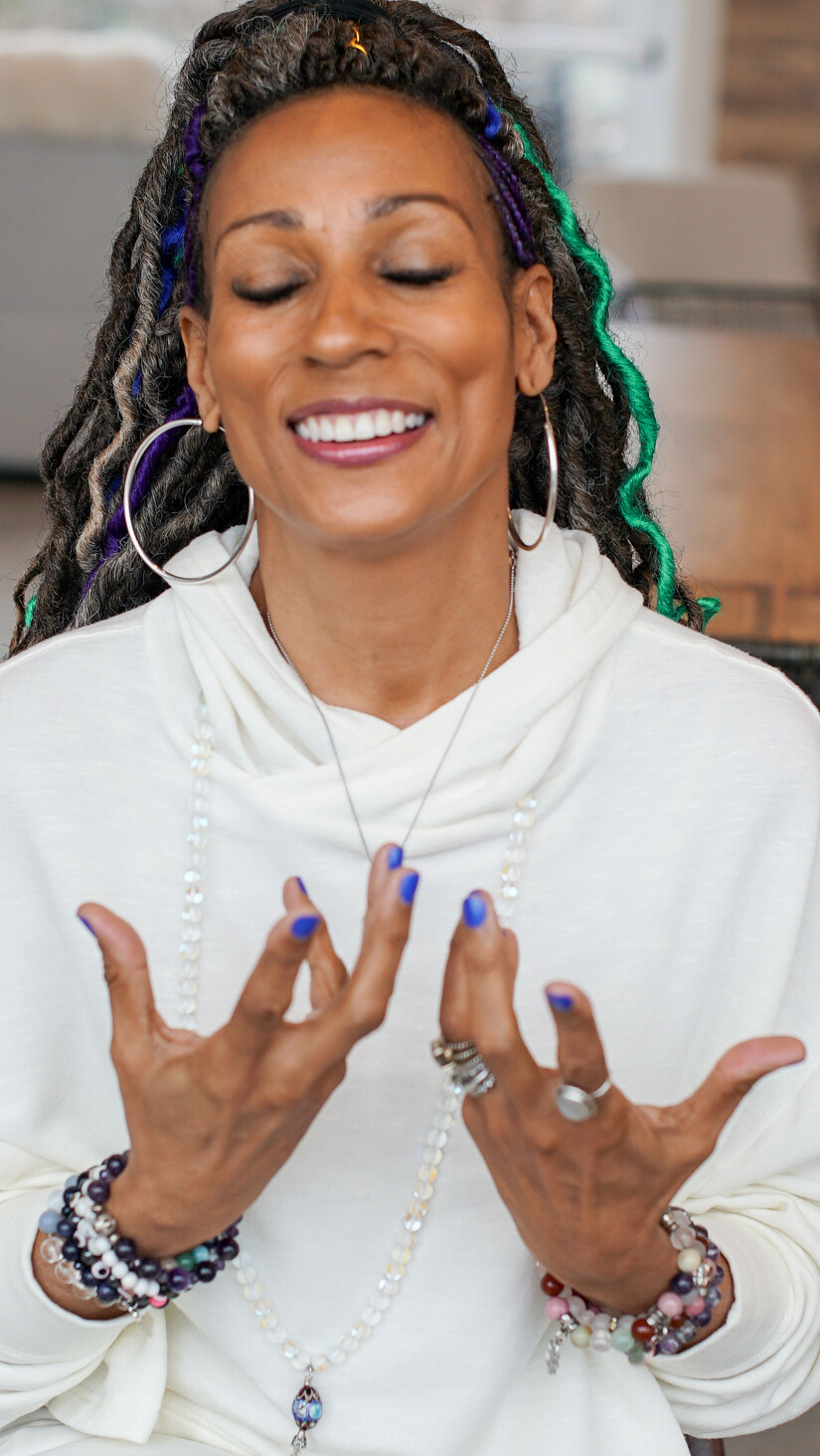
In a society that equates productivity with worth, Dawn insists on a different equation. Liberation, as she defines it, is choosing what is true for you, not what is efficient, not what is impressive, not what is rewarded.
“People feel after they’ve done a thing for so long that they don’t have power,” she says. “That they don’t matter. And that’s how they get disconnected, because worth is assigned based on output.”
Her work is a kind of excavation. She asks questions that “trigger” not for drama, but for clarity. She pulls at the layers people wear to survive, the persona, the perfectionism, the over-functioning, until the core appears.
“Freedom is getting to a space of choosing,” she says, “that you do have the power, that you do have a voice, and that you do matter beyond the output of your work.”
It sounds simple. It is not.
The modern workplace trains people to outrun their inner life. The internal message becomes: keep moving or be left behind. Dawn notices how many high-performing people are exhausted, not because they lack discipline, but because they have been asked to live as machines.
“Most people know when they’re at their bottom,” she says. “They just need to know that there are people that are gifted out there to bring you back… to this place of harmony.”
Then she says something that could be mistaken for inspirational rhetoric, if it weren’t so insistently practical.
“God made us all whole,” she says. “He didn’t bring in partial humanity… this whole myth that we are broken is simply not true.”
Her point is not religious ornament. It is an argument against the culture of self-contempt, the way institutions and social expectations convince people they are defective unless they are constantly producing, constantly achieving, constantly becoming someone else.
And then, with the force of someone who has watched too many people confuse self-care with consumption, she draws a line.
“Self-love is going deep within,” she says. “It is not going to get a manicure and a pedicure… It’s doing your inner work.”
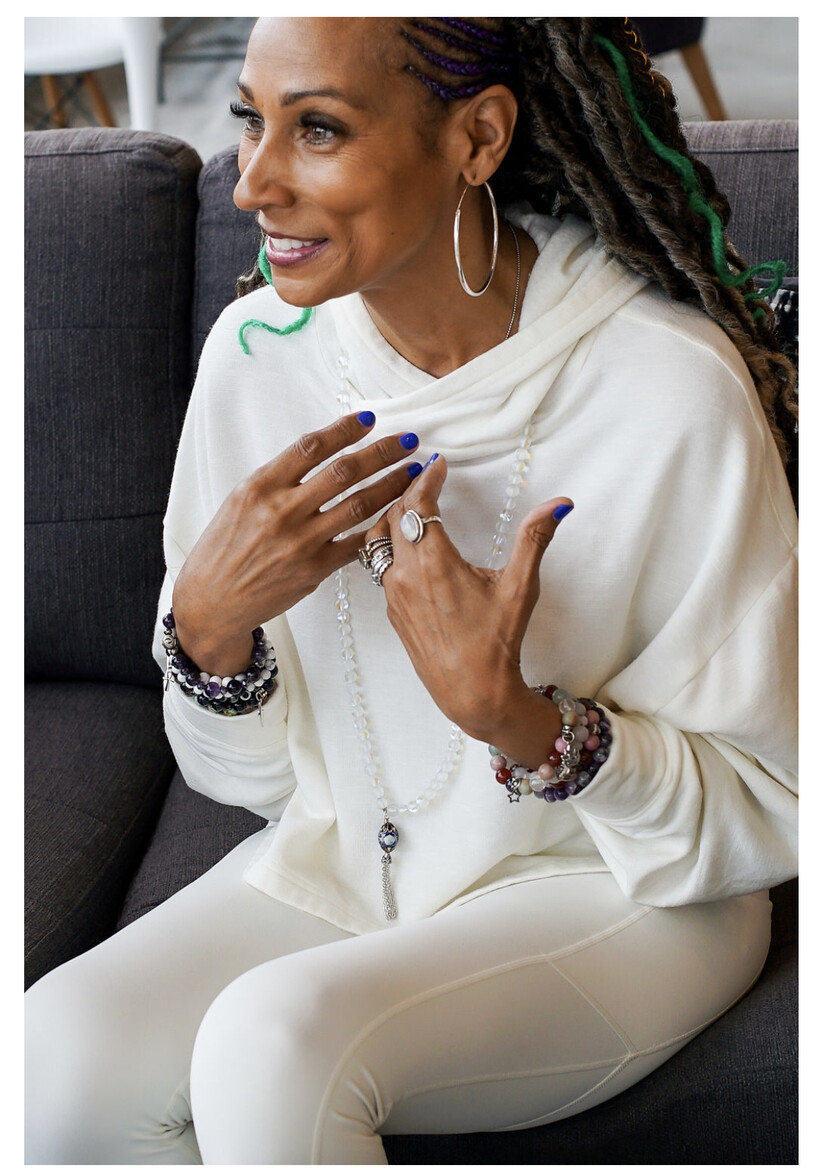
Dawn’s mentoring life stretches beyond boardrooms. Her voice changes slightly when she speaks about young people, especially athletes, because coaching athletics is, in her telling, a doorway into coaching the human being who runs.
A former track and field All-American, she coaches youth athletes. But she’s clear: the stopwatch is not the point.
“We also have a coach mindset,” she says. “We talk about stressors… mindfulness… work ethic… what are you willing to sacrifice to obtain that level of success?”
Her training philosophy counters one of the most common traps she sees in young people, especially young people of color, the belief that their value is dependent on fixing what others critique rather than developing what already shines.
“A lot of times,” she says, “we’re so like, ‘I’ve got to work on that one bad thing that I’m terrible at’… and you internalize that.”
Instead, she teaches them to name their strengths, to build a life around their superpowers, to stop treating their gifts as accidental.
Because in Minnesota, as in much of America, the problem for young people of color is not a shortage of talent. It is a shortage of access.
“It’s access,” she says plainly. “It’s access and opportunities. The doors aren’t open for them.”
So she becomes, in many cases, a door.
As a facilitator, Dawn often enters rooms where people are afraid of being wrong, rooms where race, power, and identity are discussed in polite abstraction until someone’s body tells the truth.
“The discomfort,” she explains, “is your body saying there’s something going on… you’re in direct conflict with the information.”
And then she does what good facilitators do: she refuses to let people weaponize their discomfort against the messenger.
“If you’re ever feeling that discomfort where you want to prove me wrong,” she says, “I need you to be silent. And I need you to sit with that… This is your internal work.”
It is a philosophy rooted in accountability and tenderness at once: don’t run from the heat, learn what it’s burning away.
She urges action, but not performative action.
“I don’t need you to go to the top of the Empire State Building,” she says. “No, start at home. Start at your church. Start at the Thanksgiving table.”
Liberation work, she knows, is often invisible. And the invisibility can be its own violence.
So she protects her sustainability the way many women in healing professions learn to protect it: by saying no.
“I actually turn down work if it is not aligning,” she says. “If I am charged with watering my messaging down in any way, then I do not do the work.”
Her boundaries are not negotiable because her nervous system is not negotiable. She speaks of equity facilitation as work that can cause burnout if it becomes her entire portfolio, especially for African American women, who are too often asked to carry the emotional labor of transformation while being denied the benefits of the transformed world.
“I have to make sure that I am coming from a place of my own wellness and groundedness,” she says. “Because I am the vessel. The vessel has to be healthy and whole.”
Minnesota is often described as a state of good intentions, and in many ways, it is. The language of allyship is common. So are diversity statements. So are committees.
But Dawn has watched the slow shift: after the 2020 murder of George Floyd, impact became harder to ignore. The question moved from Do we care? to What are we changing?
“People have just been OK with being allies,” she says. “Now the feeling around the impact is… are we there yet? Absolutely not.”
She also recognizes the backlash, how quickly commitments disappear when political winds change, how easily equity becomes optional in times of pressure, how fragile progress can be when it is not rooted in moral courage.
And yet, she does not speak as someone who has given up on people. She speaks as someone who has built a career on believing that hearts can change when they are met with truth and held with love.
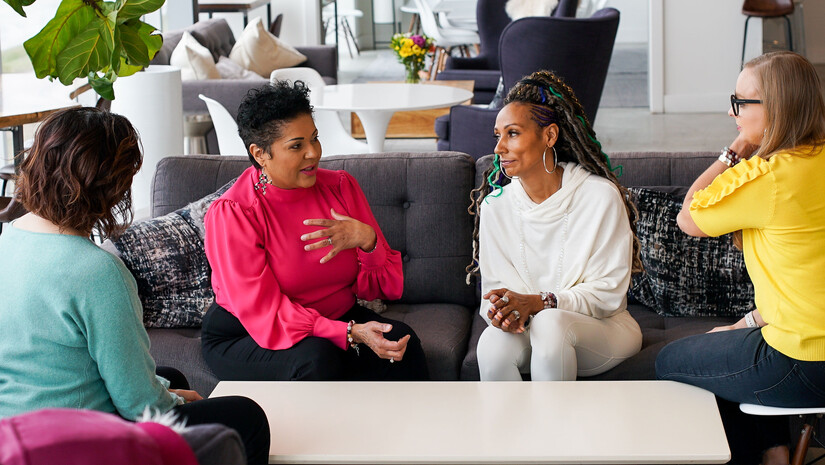
The majority of her clients, she says, are white women. Not because she seeks proximity, but because she understands influence. When a person with institutional access learns to see differently, not out of guilt, but out of clarity, the ripple can be real.
Her presence alone can shift assumptions. She describes the power of being an outsider in corporate spaces now: she does not have to code-switch. She does not have to shrink.
She shows up, fully.
“My locks or my afro or my braids… my hoop earrings… my impeccable dress… and my expertise,” she says. “But number one, it’s the light.”
And in that light, she’s seen something that changes the story: people begin to think twice about how they perceive African American women in leadership, not in theory, but in experience.
Dawn measures her work the way you measure the most consequential transformations: not by applause, but by what happens next.
“It happens in real time,” she says. “You get to realize… I actually do have my own answers.”
She describes the moment a person trusts their own wisdom, what she calls intuition, what she calls God’s voice, and stops outsourcing their life decisions to fear or approval.
Her referrals, she says, are large. Her clients send other clients. The work replicates, like health does.
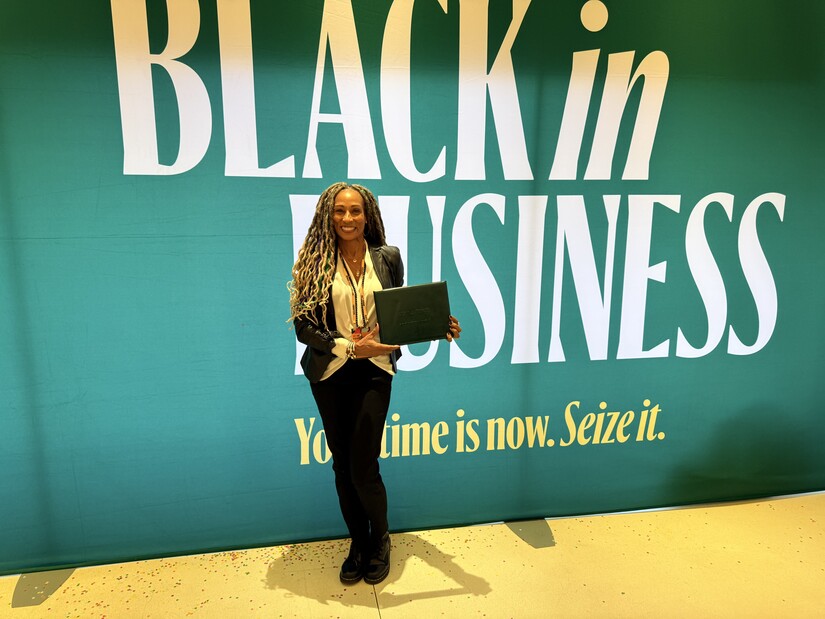
She also speaks about completing the Goldman Sachs One Million Black Women: Black in Business cohort, a program she describes as both strategic and necessary, especially in an economic climate where African American women are often hit hardest by job loss and structural barriers to funding.
What she is really naming is the reality beneath the entrepreneurship narrative: African American women build anyway, and too often pay for it with their bodies.
“We know how to struggle,” she says. “But with support… to help soften that so we can scale… in a way that’s not killing us.”
When asked what legacy she wants to leave, Dawn does not talk about fame. She talks about what happens when a person becomes whole.
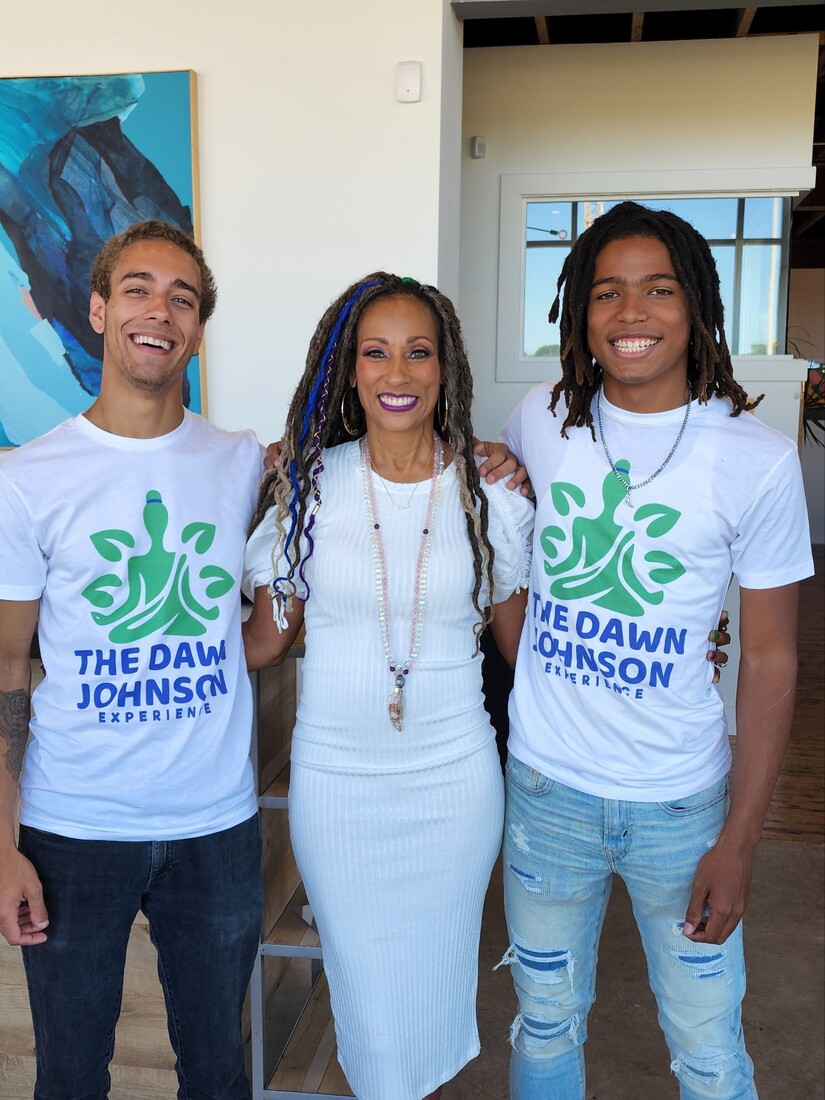
“I am literally desiring to empower every human that comes in contact with me for them to be their very best self,” she says, “because that is literally what we require. I need you thriving within in such a way that you’re not out here causing harm.”
Her legacy is not a monument. It is a mirror.
And she returns to one of her central teachings: perfectionism is a myth, and mediocrity is a choice disguised as resignation.
“I am who I am,” she says, repeating a phrase people use to justify stagnation. Then she dismantles it.
“That’s a choice to settle.”
If you want freedom, she argues, you must tell the truth about the stories you’re living inside, and stop confusing old programming for identity.
“The program was built on a lie,” she says. “When you get to a place where this program is causing harm… then you need to change it.”
Her affirmation for women across Minnesota doing uncelebrated labor, healing, organizing, leading, comes like a command delivered with care.
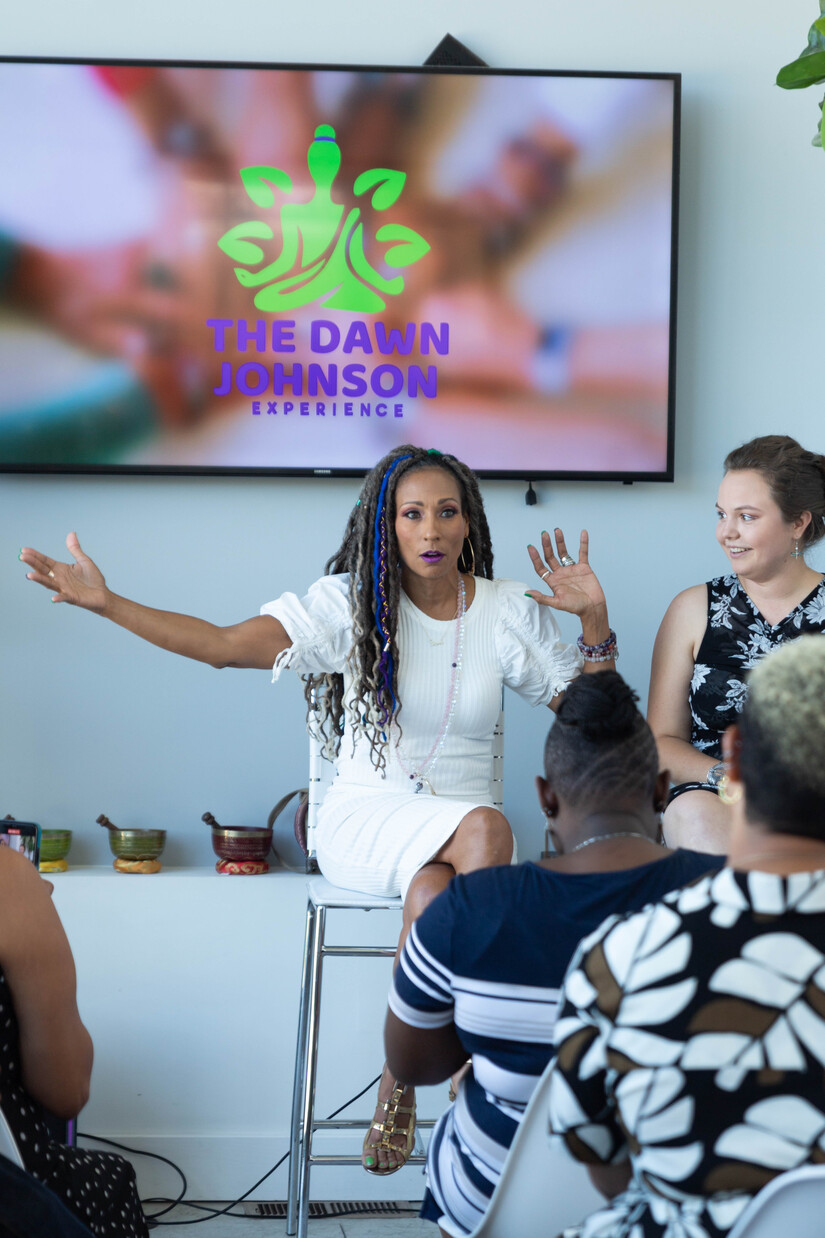
“Stay on your path,” she says. “Rest when you need to rest… then get back out there and stay on your path.”
Not because it’s easy. Because it matters.
“As long as there is breath in my body,” she says, “and God allows me the opportunity to open my eyes… I have a purpose.”
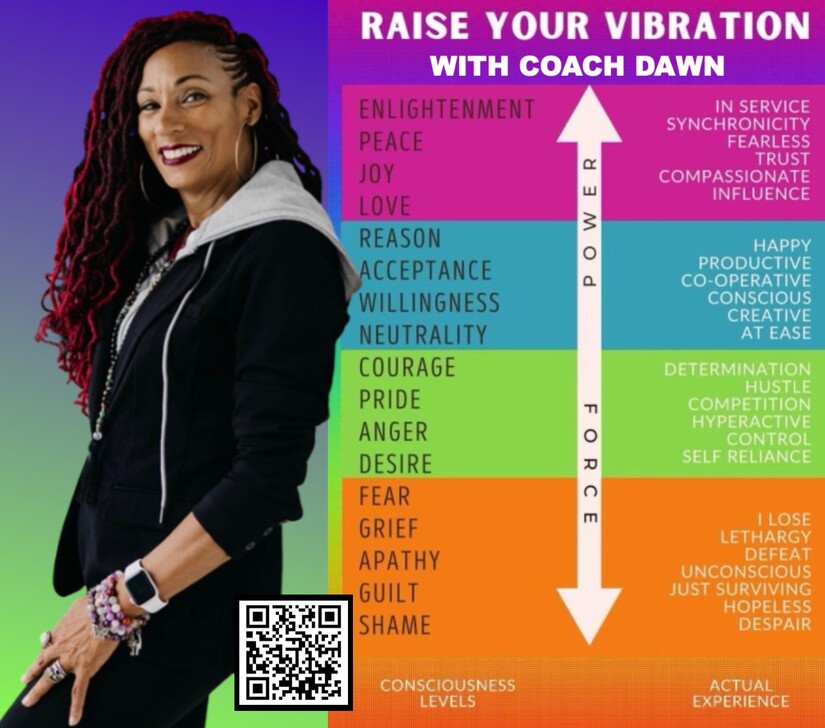
Toward the end, Dawn turns to young African American girls, the ones watching, even when adults forget they are watching.
She speaks about coaching women in their 20s and helping them build something the world cannot easily take: authentic confidence grounded in self-knowledge.
“What do you know to be your truth?” she asks, describing the kind of mentoring that changes a life. “Once you know that truth, no one in this world, no man, no job, can tell you any differently.”
Her legacy, she says, is simple: I’m going to help you see yourself.
And she says it with the kind of joy that comes from certainty, the certainty of someone who is no longer performing a life, but living one.
“You were a bag of chips,” she says, laughing at the phrase and meaning every word. “And then some.”
The conversation closes with the series tradition: Dawn offers to recommend other women, including those who work behind the scenes, those without platforms, those who have been carrying communities without ever being named.
Because Dawn’s leadership is not a ladder. It is a widening table.


Sunny, with a high of 73 and low of 37 degrees. Sunny in the morning, partly cloudy for the afternoon and evening, clear overnight.