Image
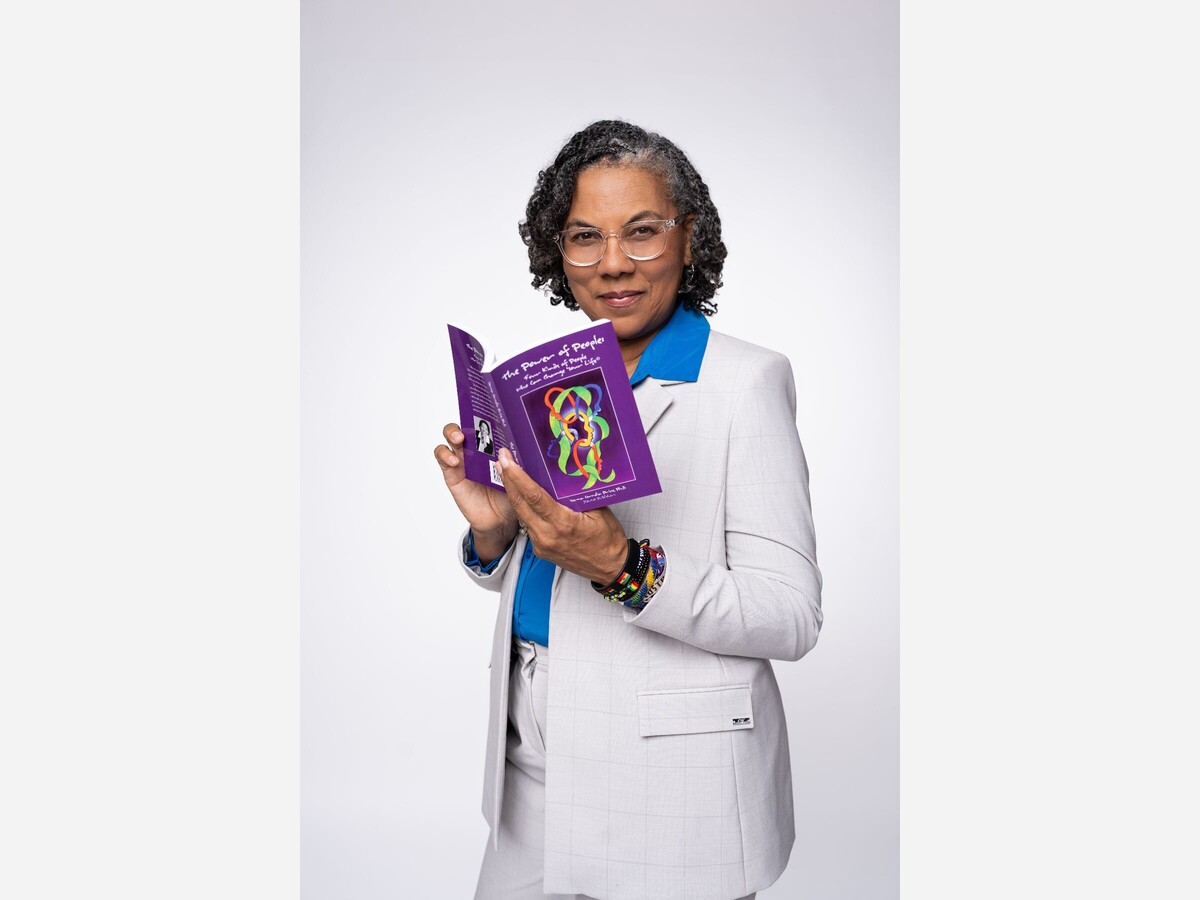



The screen flickers on.
There are only two people in the virtual room.
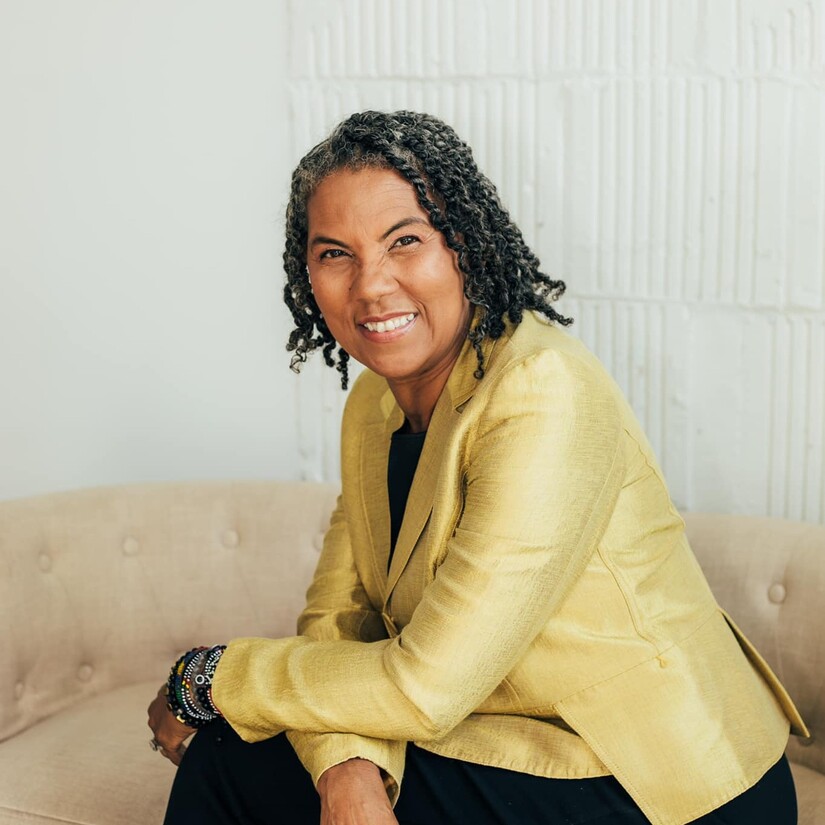
Dr. Verna Cornelia Price sits centered in her frame. Calm. Present. Fully there.
Before the formal questions begin, the tone shifts into something heavier. She speaks of a world that feels unsettled. She speaks of prayer. Of spiritual grounding. Of moments when what unfolds around us feels larger than politics or headlines. Moments that require something deeper than strategy.
There is no stage lighting. No auditorium. No applause.
Just a woman whose life’s work has been to teach people how to understand power, speaking quietly from a digital square.
Then the conversation begins in earnest.
Before Minnesota.
Before frameworks.
Before keynote stages and institutional design.
There was The Bahamas.
She was raised by her grandmother. Her mother was young, raising three children, doing what many young mothers do in fragile circumstances. She sent her daughter to her own mother for stability.
That decision was not dramatic. It was practical. It was survival. It was love.
Her grandmother gave her something that would shape everything that followed.
“Everybody is God’s child,” she was taught. “Everyone deserves to be honored, respected, and loved.”
This was not theory. It was daily instruction.
In that household, dignity was assumed.
When she left the island as a young woman, she did not leave feeling diminished. She left convinced she was extraordinary.
“You could not tell me I was not amazing,” she says.
That conviction was not arrogance. It was inheritance.
In The Bahamas, racial socialization operated differently. She was not categorized in the way she would later be categorized in the United States. She was Bahamian. Period.
The first rupture came when she landed in Miami.
She had grown up hearing that America was polished. Beautiful. Wealthy. Streets lined with possibility.
Instead, she saw homelessness on the beach.
She had never seen that before. On the island, if someone struggled, they were absorbed. Fed. Housed. Known. No one was left outside.
Miami unsettled her.
Then school complicated things further.
She encountered categories.
Students who looked like her but did not speak like her.
Students who were white.
Students who were Latino.
She did not know where she fit.
In The Bahamas she had not been called anything except Bahamian. Now she was assigned racial labels she had never lived inside before.
She did not collapse.
She observed.
She calls those years her silent years.
She studied how students interacted with each other. How teachers treated different groups. How power moved through rooms.
She had been placed outside of easy belonging. That gave her a vantage.
Later, she would stand in classrooms in Beijing as a guest professor and feel no intimidation. She had been studying human behavior for years.
That observation period did something else.
It strengthened her ability to stand alone.
Leadership, she would later teach, requires courage to speak truth when it is inconvenient. That courage was forged in those silent years.
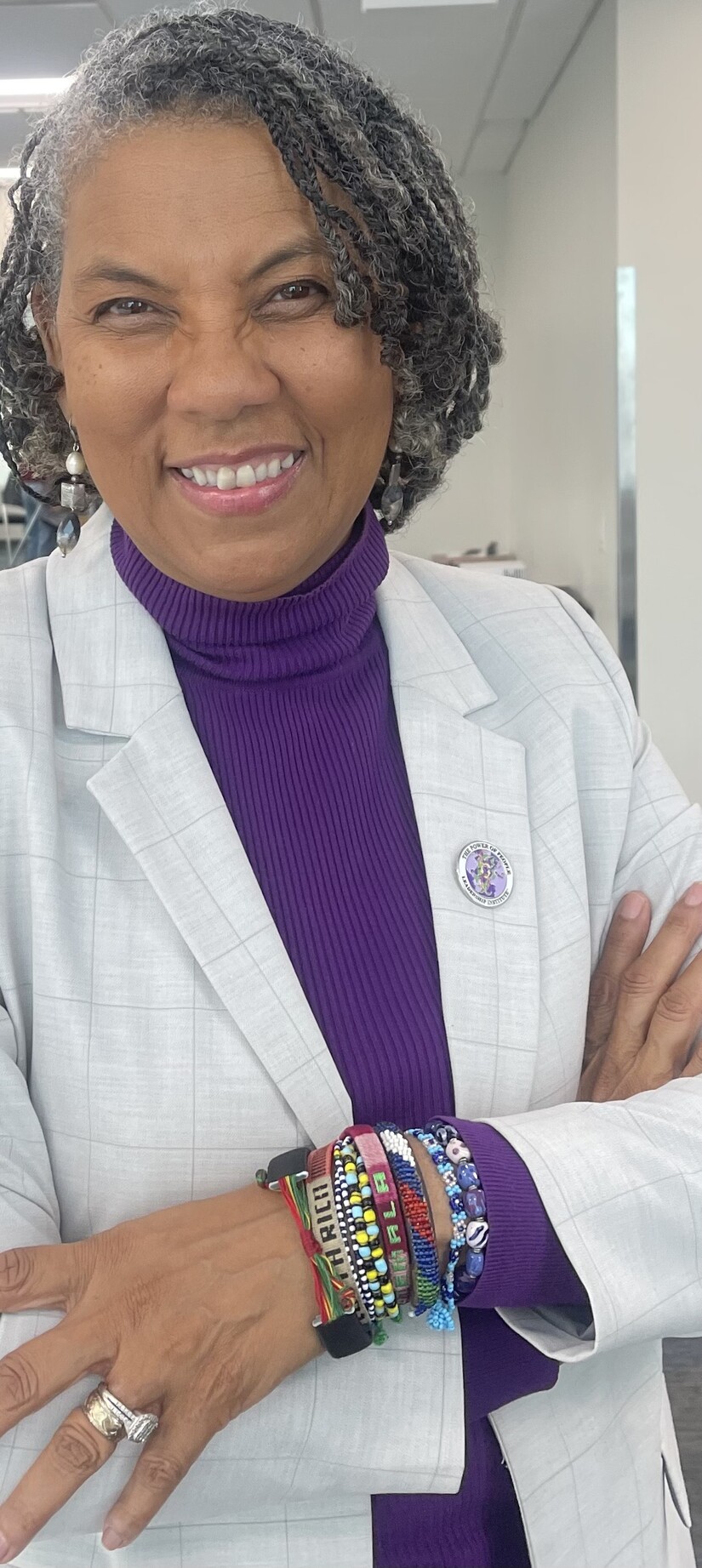
Her mother passed on November 8, 2024 at 1:36 in the afternoon.
She remembers the time.
“She sits in the heavenlies,” Dr. Price says. “And she’s proud of me.”
Grief is not theatrical when she speaks of it. It is anchored. Precise.
In her late twenties and early thirties, she realized something.
She had been handed a torch.
Her grandmother had empowered her. Her mother had released her. Their sacrifices had transferred responsibility.
Empowerment was not optional. It was lineage.
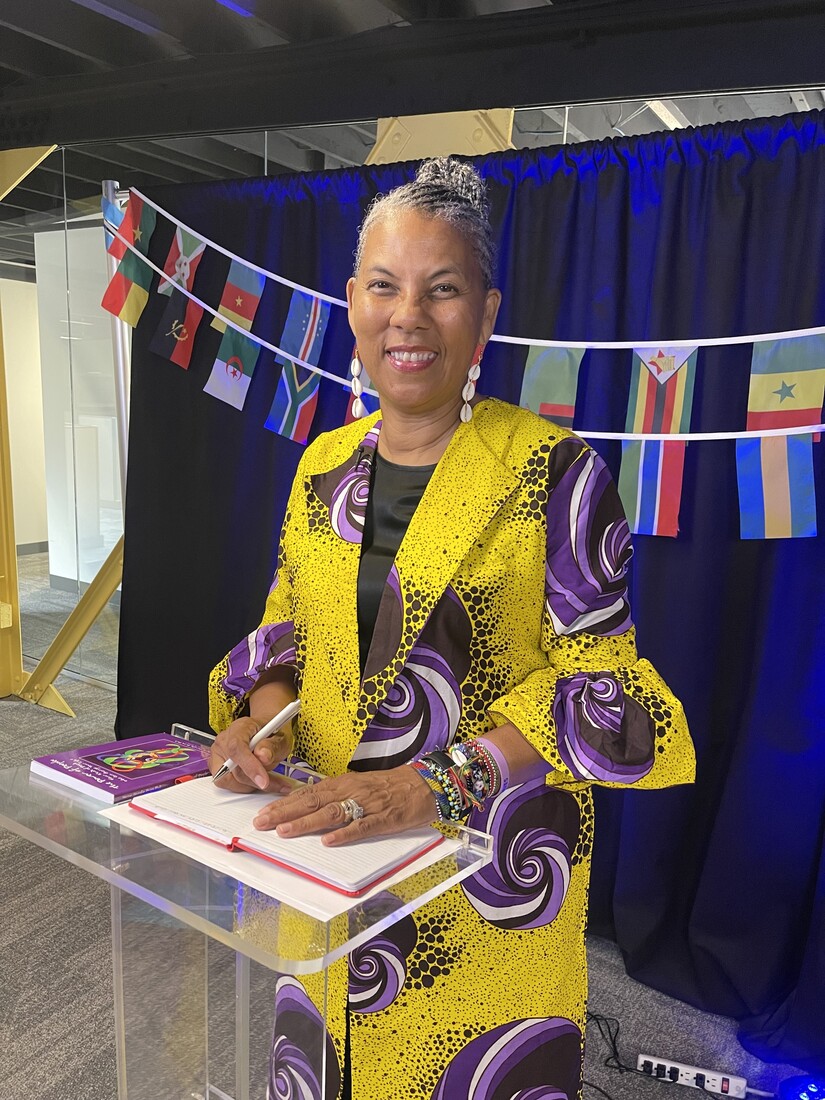
That torch became visible to her when she began writing what would become The Power of People.
She describes receiving the framework as something spiritual. It arrived as a calling, not as a business strategy.
She did not begin with a business plan.
“I had a purpose plan,” she says.
The framework was simple and disruptive.
Every human being is born with power.
Power can multiply.
Power can add.
Power can subtract.
Power can divide.
Titles are secondary. Behavior determines impact.
She did not write the book to build a brand.
She wrote it because she believed it had been given to her to give away.
There is a moment she marks as launch.
A call from North High School.
Up to that point, she had been teaching in corporate and institutional spaces. That call shifted her center of gravity.
North High was community. Immediate. Urgent.
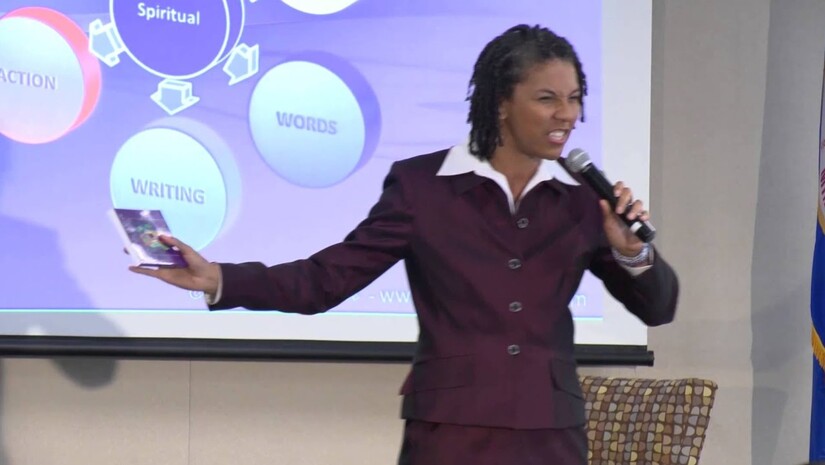
She stood in front of young people who had not been told they were powerful.
“When you were born,” she tells them, “you were born with power.”
Not after degrees. Not after permission.
Now.
This was not inspiration. It was instruction.
She began teaching young people to identify their power and direct it.
Not someday.
Immediately.
She earned her PhD at the University of Minnesota.
She had no money to pay for it.
She believed someone would.
The University paid for every dime.
Afterward, a mentor told her she could not leave. The institution needed her. There was no leadership program. She was asked to help build one.
She co-founded what became one of the largest undergraduate leadership academic minors in the world.
She did the work.
Then she felt called to leave.
This was not universally applauded.
She was an African American Caribbean American woman with a PhD from a major land grant university. Tenure was within reach. Security was within reach.
She walked away.
It was not romantic.
There were lean years.
There were moments of financial precarity when she and her husband felt they were hanging onto a cliff.
Bills do not bow to calling.
They prayed.
They persisted.
God first.
Family second.
Calling third.
That order was non-negotiable.
Her husband’s phrase became central to their work.
“We are the help we have been waiting for.”
No external rescue was coming.
If transformation was going to happen in their community, it would begin with them.
She volunteered with Junior Achievement, teaching business basics.
A vice president called her to the main office.
Her evaluations were off the charts. She was hired on the spot.
Then she noticed something.
The best information was reaching mostly white students.
Urban public schools were not receiving it.
She raised the issue directly.
If children do not know about business, investment, entrepreneurship, they cannot grow into those spaces.
She created the Urban Outreach program for Junior Achievement.
It became national.
She did not wait for permission to critique inequity.
She redesigned the pathway.
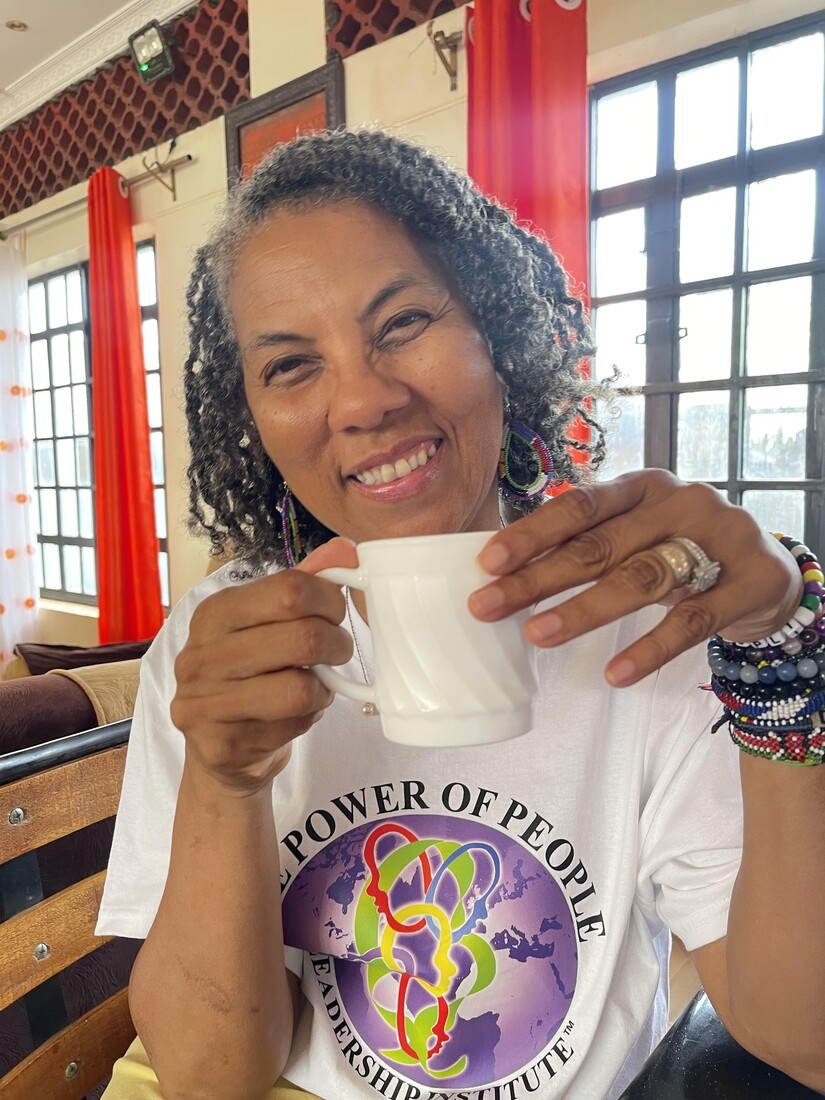
She speaks openly about the cost of navigating systems not designed for women like her.
Hotel staff assuming she was the maid when she arrived to keynote.
A tenured professor telling her she should not be in a PhD program.
Microaggressions small enough to dismiss individually. Cumulative enough to wound.
“I had to forgive white people,” she says.
Collectively.
So she could engage individually.
Bitterness would distort the framework she teaches. Division cannot heal division.
She does not deny racism. She confronts it directly in keynote rooms. She names systemic inequities. She challenges passive aggressive institutional behavior.
“Make your budget match your principles,” she tells corporations.
She stopped accepting speaking engagements limited to February.
She refuses to be seasonal representation.
Integrity, for her, is not negotiable.
Coca Cola once asked her not to mention God in a keynote.
She declined.
If she could not come as herself, they had the wrong speaker.
They reversed course.
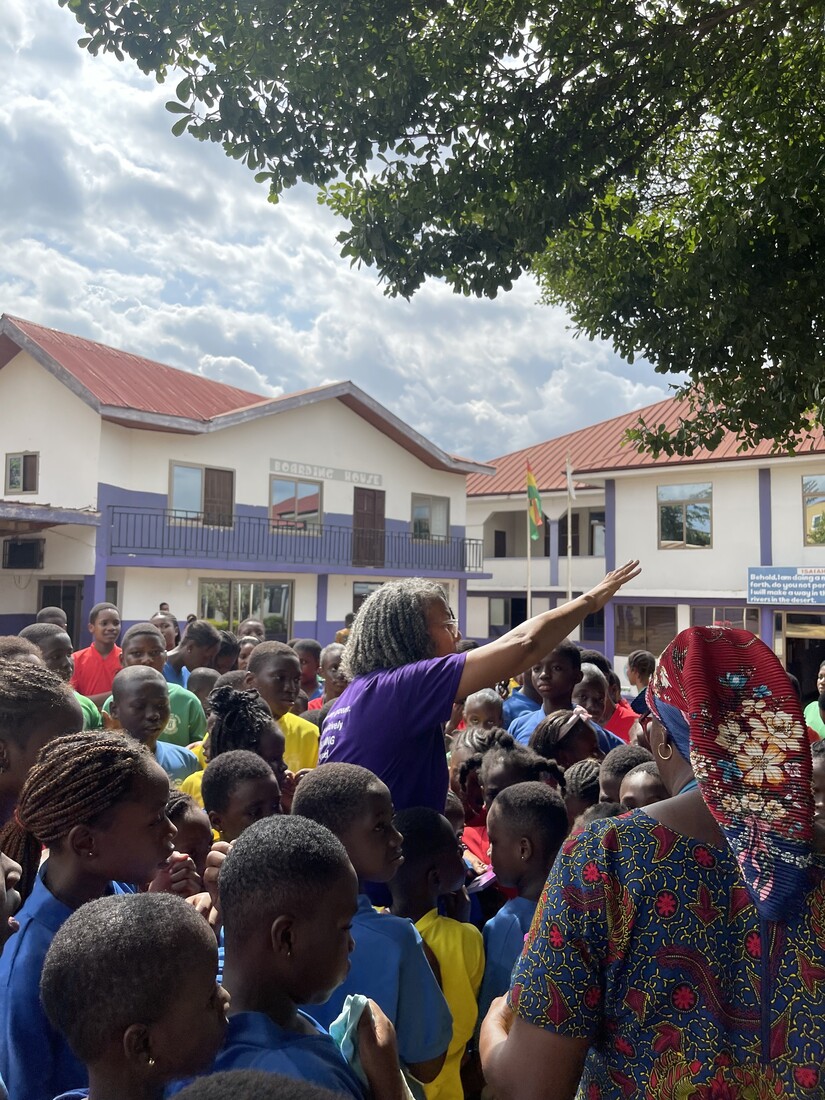
She travels internationally.
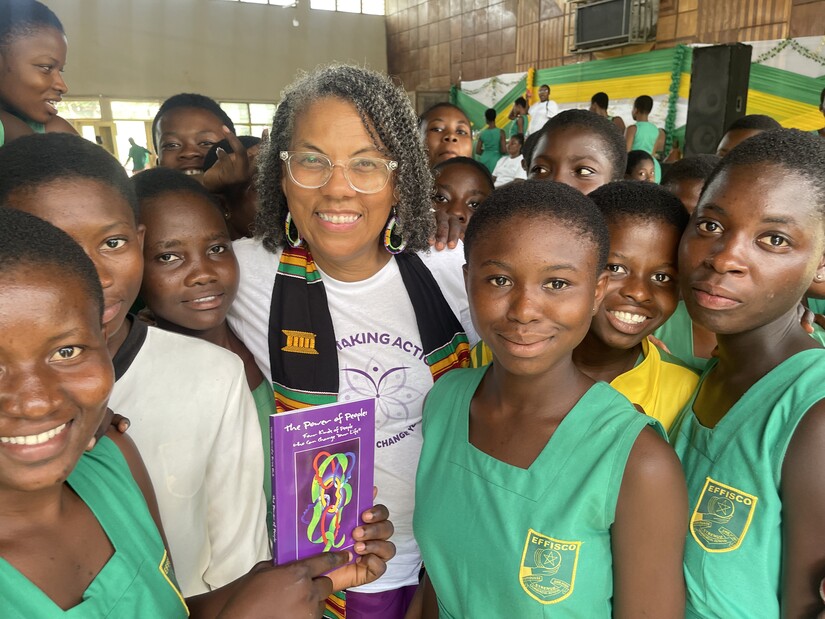
In Ghana, Liberia, Kenya, she meets girls carrying both innocence and armor.
“You don’t know what you don’t know,” she says.
She does not judge what they have not been taught.
But once they know, expectation rises.
Some call her mean.
She calls it high standards.
Leadership development without expectation is indulgence.
Resilience, she says, is not theatrical.
It is working it out.
Faith does not make life easy. Faith makes it possible.
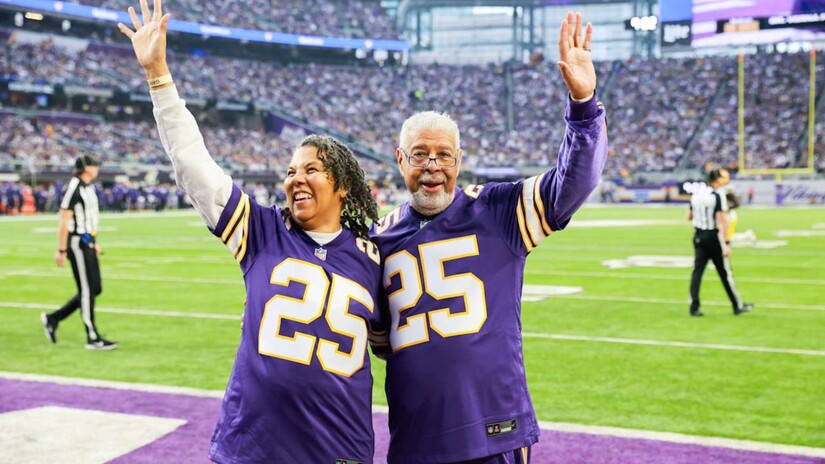
The call came unexpectedly.
The Minnesota Vikings wanted to honor her and her husband as community Game Changers.
She assumed it was small.
It was broadcast statewide.
They were given jerseys. Her name stitched across the back.
Recognition did not inflate her.
She went home.
Her son asked what was for dinner.
Legacy does not eliminate routine.
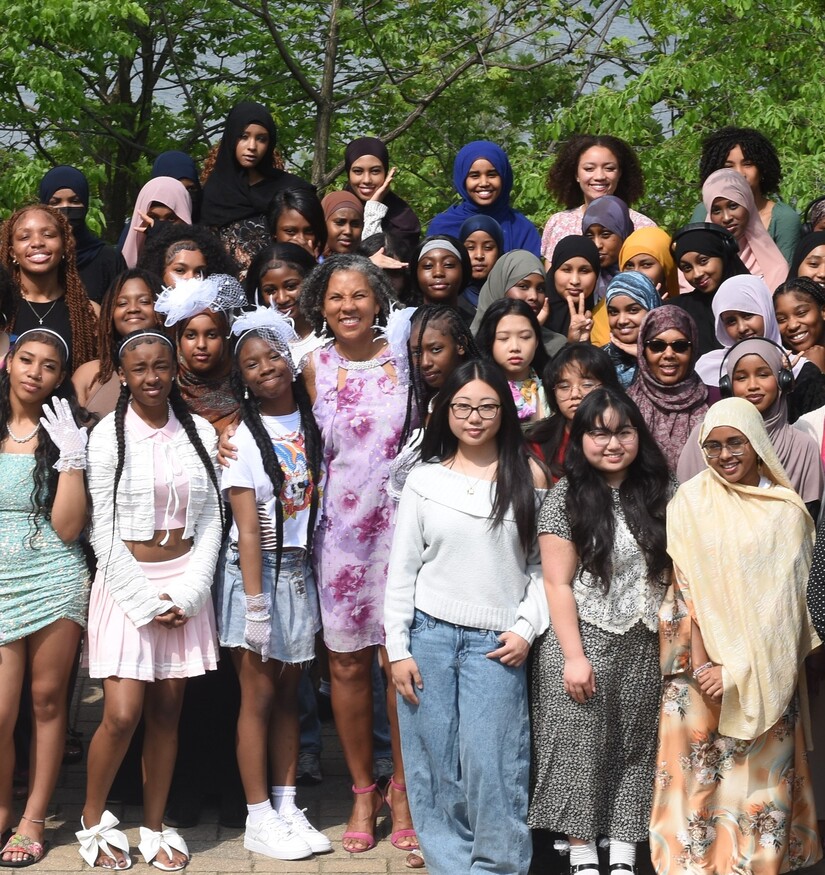
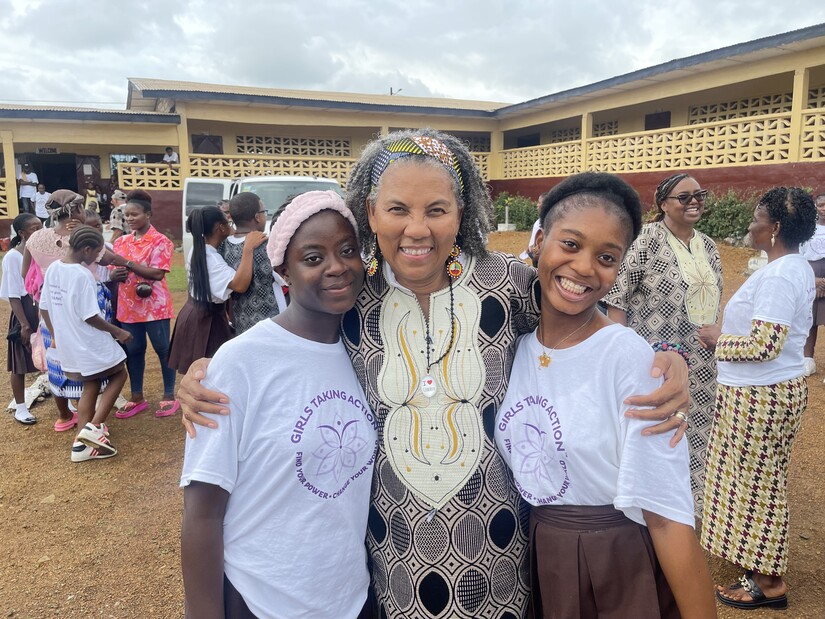
If it only works in Minnesota, she says, it does not work.
Her goal is multiplication.
There are many Dr. Vernas now.
Many Brother Shanes.
The Institute is expanding toward brick and mortar permanence.
Documentation. Systems. Replication.
Legacy is not memory.
It is continuity.

For women unsure if they belong in leadership spaces, especially women from underserved communities, she is direct.
“Get over it.”
There is a seat at the table.
If there is not, bring your own chair.
Act like the space belongs to you.
Because it does.

In times of social tension and uncertainty, she returns to the same philosophy.
We are the help.
No one else is coming.
Wherever you are planted, you serve with what you have.
She teaches personal development because that is her gift.
She multiplies because that is her calling.
At the end of the conversation, she names two women.
Natalie Johnson Lee.
Gabriel McNeal.
Undercover leaders. Quiet architects of transformation.
She agrees to introduce them.
The torch continues.
The screen goes dark.
Two squares disappear.
But the architecture remains.
Power identified.
Power disciplined.
Power multiplied.
And a woman who never chased visibility.
Only purpose.


Patchy rain nearby, with a high of 51 and low of 46 degrees. Don't forget your umbrella! Patchy rain nearby during the morning, overcast in the afternoon, patchy rain nearby overnight.