Image
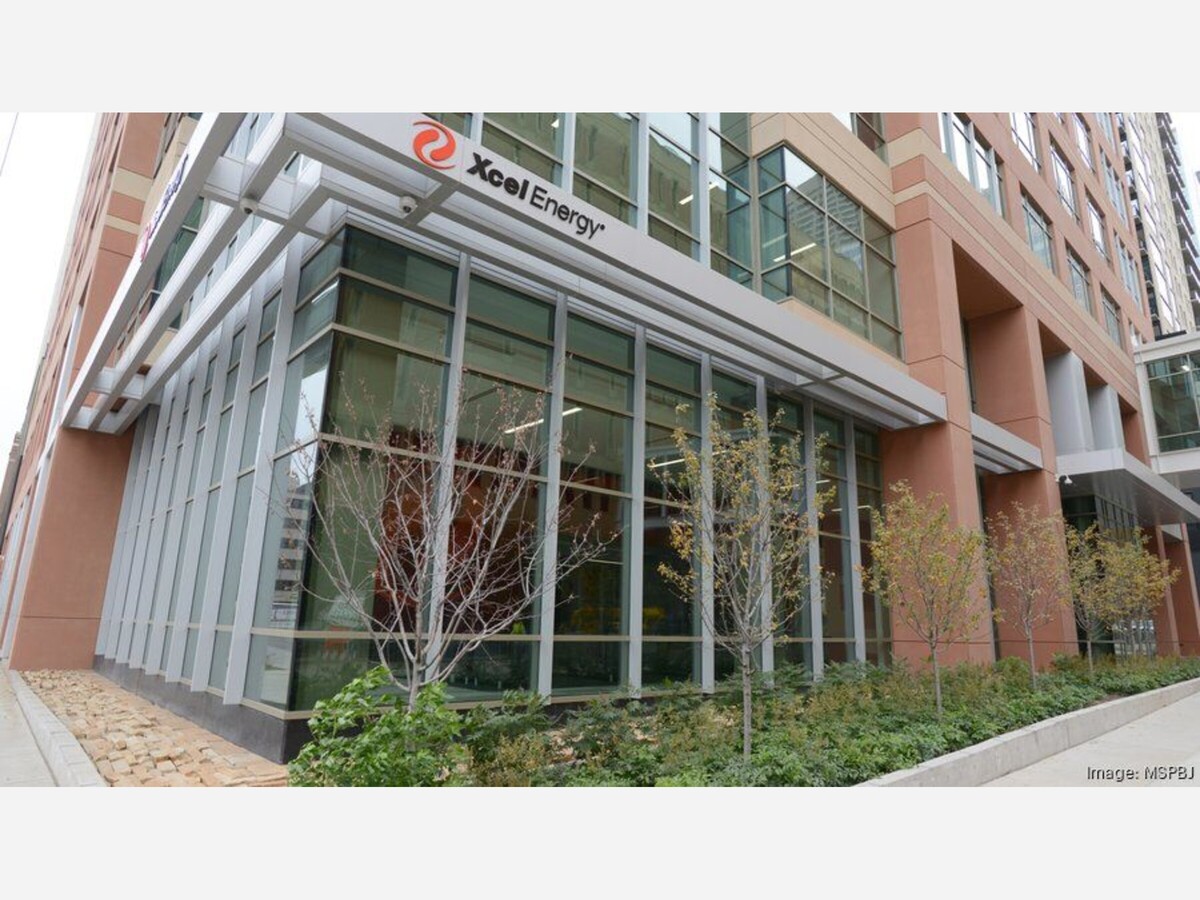



In early February, as federal immigration enforcement activity rippled across parts of the Twin Cities metro, Xcel Energy quietly adjusted its policies in a move that city officials described as a humanitarian safeguard.
According to a public notice shared by the City of Columbia Heights, the utility has suspended residential service disconnections for nonpayment across the seven-county metropolitan area: Anoka, Carver, Dakota, Hennepin, Ramsey, Scott, and Washington counties.
The moratorium took effect February 5 and is scheduled to run through at least February 28.
The protections, city officials said, are designed to provide a temporary safety net for households destabilized by recent immigration enforcement actions, where the sudden detention or displacement of wage earners can lead to immediate loss of income.
The disconnection pause is automatic. Customers do not need to call or apply to prevent their electricity or natural gas service from being shut off during this period.
But the protection carries an important caveat: bills will continue to accrue.
In other words, this is a suspension of shutoffs, not a cancellation of debt.
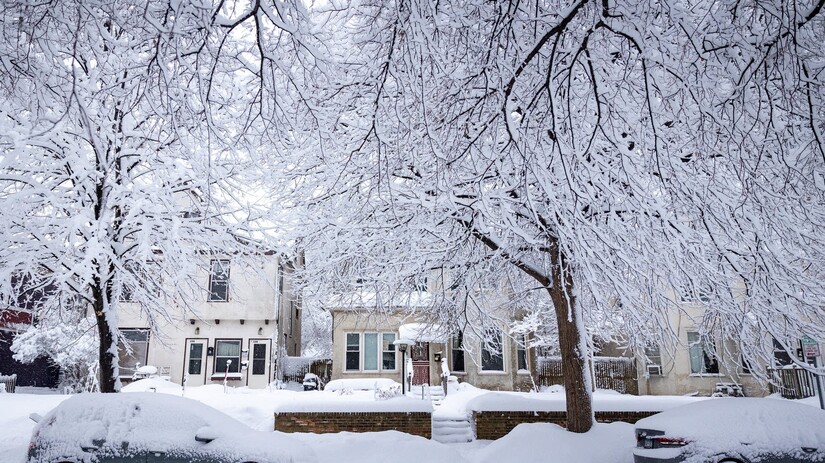
The timing matters. February is historically among Minnesota’s coldest months, when heating demand peaks and utility costs climb. Under Minnesota’s Cold Weather Rule, utilities already face winter restrictions on residential disconnections for qualifying households. Xcel’s metro-wide moratorium extends protections beyond standard eligibility criteria during a period of acute community disruption.
Beyond halting shutoffs, Xcel Energy has modified several internal financial protocols to reflect what it now classifies as extenuating circumstances.
Customer service representatives have been instructed to treat immigration enforcement actions, safety concerns, and sudden income loss similarly to traditional hardships such as medical emergencies.
That shift has practical consequences:
For households navigating legal uncertainty and lost wages, even incremental flexibility can be the difference between stability and crisis.
One of the most consequential components of the policy involves customers enrolled in affordability programs, particularly Percent-of-Income Payment Plans, often referred to as PIPP-style structures.
Under normal compliance rules, customers who miss two consecutive payments are removed from these reduced-rate programs. Removal can trigger higher monthly obligations and accelerate debt accumulation.
Xcel has paused those removals.
That decision ensures that low-income households remain on capped payment structures even if they miss payments during this period of instability.
The contrast between standard and emergency protocols is stark:
Utility officials and city leaders emphasize that the moratorium is temporary. When it expires, accrued balances will still need resolution.
For households requiring longer-term support, state and federally funded programs operate alongside Xcel’s internal protections.
The federally funded Low Income Home Energy Assistance Program, commonly known as LIHEAP, provides grants to eligible households to help pay heating bills. In Minnesota, that funding flows through the Minnesota Energy Assistance Program, administered by local Community Action Partnerships and service providers.
These programs can help with:
Xcel encourages customers facing hardship to contact 800-895-4999 early to establish manageable repayment plans and explore eligibility for assistance.
Public utilities rarely step into the center of social policy debates. Yet energy service is foundational. In Minnesota winters, electricity and heat are not luxuries but necessities tied to health, safety, and survival.
By classifying immigration enforcement impacts as extenuating circumstances, Xcel Energy has effectively acknowledged that federal policy decisions can cascade into local financial emergencies.
For now, lights will remain on across the metro, even in households navigating uncertainty.
Whether the protections extend beyond February may depend on evolving enforcement patterns and the depth of community need.
But in a month defined by subzero wind chills and economic fragility, the immediate effect is tangible: heat in the pipes, light in the kitchen, and time for families to regroup.



Patchy rain nearby, with a high of 85 and low of 48 degrees. Sunny in the morning, patchy light rain in area with thunder for the afternoon and evening, clear overnight.