Image
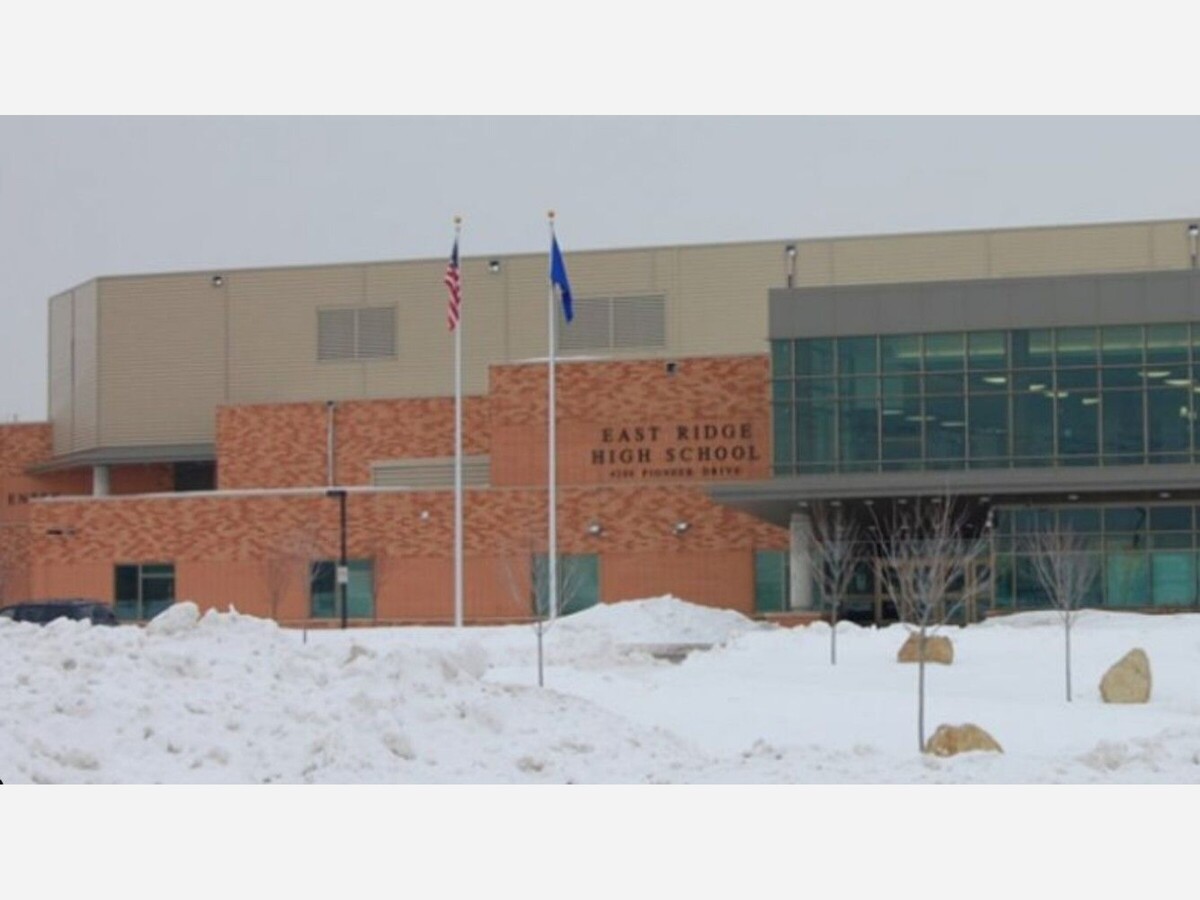



On Monday, February 16, while many students across Minnesota stayed home for the Presidents’ Day holiday, more than 100 teenagers chose instead to gather inside East Ridge High School for something organizers called a celebration of “Black Joy.”
Hosted by South Washington County Schools, the first-of-its-kind Black History Month High School Student Social brought together students from East Ridge, Park High School, Woodbury High School, South Washington Alternative High School and participants in Washington County’s Next Step and Pathways transition programs.
The tone was celebratory, but the structure was deliberate.
In a national climate where diversity, equity and inclusion initiatives face scrutiny and, in some regions, retrenchment, South Washington County Schools designed a half-day experience centered on affirmation, leadership development and professional exposure. The result was less a traditional assembly and more a student-centered convening rooted in culture, creativity and connection.
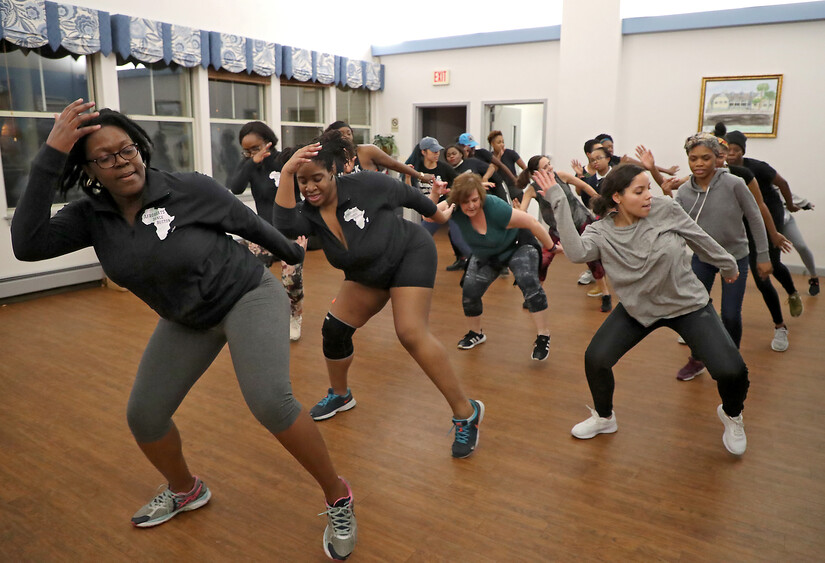
The social ran from 9 a.m. to 1:30 p.m. and moved in rotations: breakout sessions, dance workshops, creative labs and networking spaces.
Students wrote and recorded lyrics in a collaborative songwriting workshop, producing an original track slated for future publication. In another room, they learned Afrobeats choreography, tracing contemporary global rhythms back to West African musical traditions that have reshaped popular culture worldwide.
Game trucks stationed outside doubled as interactive career classrooms, where industry professionals discussed pathways into the gaming sector. Inside, raffle prizes, music from a live DJ and a catered lunch from Raising Cane’s contributed to a festival-like atmosphere.
But the architecture of the day extended beyond entertainment.
“We’re celebrating Black culture through music, dance, community connection, and providing a space where students feel affirmed and seen,” said Naitoh Kai, cultural liaison at East Ridge High School. “We’re highlighting Black influence by connecting students with Black professionals who reflect leadership and impact today.”
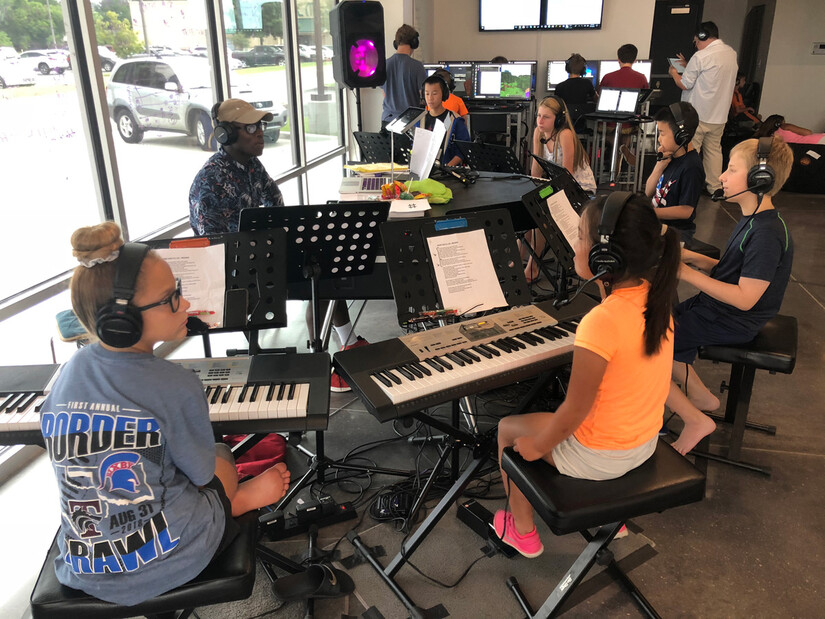
The featured speaker, Brandon Jones, is a mental health professional and host of the teen-focused podcast It’s Not Your Fault, which addresses adolescent well-being, parenting and family support. In sessions with students, Jones offered trauma-informed guidance on stress, digital safety and emotional resilience.
His presence underscored a broader reality facing schools statewide. Minnesota districts, like many nationally, have expanded mental health programming in response to rising reports of anxiety and depression among adolescents. Organizers said embedding mental health into the day’s programming was intentional.
Rather than isolate cultural celebration from social realities, the event braided them together.
While some districts across the country have scaled back or rebranded diversity initiatives, South Washington County Schools maintains formal policies related to racial equity and inclusion.
District Policy 102.1, titled “Racial Equity and Inclusion,” calls for the creation of safe spaces for conversations about race and culture. The district’s 2023 to 2026 Achievement and Integration Plan outlines goals to close achievement gaps and foster culturally affirming environments.
Cultural liaisons, including Kai at East Ridge and Olivia Alston, who serves students across Woodbury and East Ridge, function as direct bridges between families, students and district leadership.
Monday’s gathering represented those frameworks translated into lived experience.
Rather than centering compliance language or administrative messaging, the district opted for a social format that emphasized peer connection and mentorship. Organizers said holding the event on a school holiday helped signal that participation was voluntary and rooted in community interest, not mandate.

The event was sponsored in part by ShelettaMakesADifference.org, led by Minnesota-based media personality and advocate Sheletta Brundidge. Organizers emphasized the importance of face-to-face mentorship and sustained curiosity in helping students envision professional futures.
Throughout the building, clusters of students exchanged contact information with entrepreneurs, asked questions about career pathways and discussed leadership models that extended beyond textbook narratives.
For many attendees, representation was not abstract. It was embodied.
Black History Month events in schools often take the form of assemblies or bulletin board displays. Monday’s social suggested a different model: interactive, career-oriented, emotionally grounded.
By early afternoon, the commons at East Ridge echoed with basslines and laughter. Students posed for photos, compared notes from breakout sessions and rehearsed dance steps one more time before heading home.
In an era marked by polarized debates over the language and limits of equity initiatives, the scene in Woodbury was strikingly ordinary and quietly radical at once: teenagers choosing to spend a day off celebrating identity, building skills and imagining futures.
For four and a half hours, policy became practice.
And joy, by design, became the curriculum.

Sunny, with a high of 59 and low of 33 degrees. Sunny in the morning, clear in the afternoon and evening,