Image



In a city better known for its regional parks and suburban rooftops than sweeping climate declarations, sustainability often advances in quieter ways. A prairie patch replaces turf. A solar array tilts toward the southern sky. Volunteers fill bags along a creek bank before spring runoff carries litter downstream.
This month, the City of Coon Rapids is asking residents to name the people behind those changes.
The city’s Sustainability Commission has opened nominations for the 2026 Earth Month Sustainability Awards, an annual recognition honoring residents, businesses, and organizations whose measurable “eco-wins” advance local environmental stewardship within city limits. Winners will be formally recognized at a Coon Rapids City Council meeting in April, coinciding with Earth Month observances.
The commission is accepting nominations through Friday, February 28, 2026.
Residents may nominate:
Nominations should be emailed to sustainability@coonrapidsmn.gov and include:
City officials emphasize clarity and impact. What changed? How much energy was saved? How many volunteers participated? What habitat was restored?
The awards are not symbolic gestures, commissioners note. They are intended to document practical contributions that reduce emissions, strengthen ecological systems, and build community resilience.
The Sustainability Commission looks broadly across environmental categories, reflecting the varied ways sustainability shows up in suburban life:
Renewable Energy
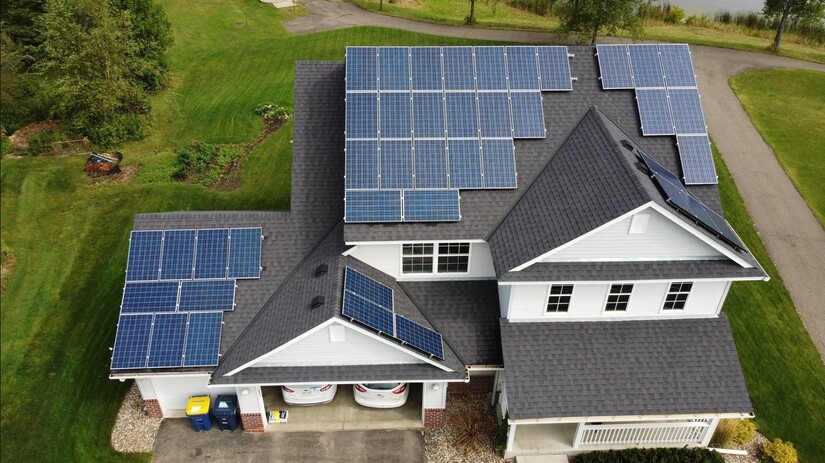
Residential rooftop solar installations, commercial solar arrays, energy-efficiency upgrades, and other clean energy improvements.
Habitat Restoration and Pollinator Support
Installation of “bee lawns,” native prairie gardens, and invasive species removal efforts such as buckthorn clearing.
Waste Reduction
Community clean-ups, composting initiatives, and business practices aimed at reducing landfill waste.
Water Conservation and Watershed Protection
Rain gardens, smart irrigation systems, and efforts that protect local waterways, including the Coon Creek watershed.
These are not abstract policy goals. They are visible changes in yards, campuses, and storefronts across the city.
Past award recipients illustrate the range and scale of sustainability work underway in Coon Rapids.
Anoka-Ramsey Community College was recognized for transforming portions of its campus landscape into a bee lawn and prairie garden. Bee lawns, often composed of low-growing flowering plants such as Dutch white clover and self-heal, provide food for pollinators while requiring less mowing and irrigation than conventional turf. The campus also features a solar wall on its Science Building designed to pre-heat intake air, improving building efficiency.
Mary T. Inc. earned recognition for organizing an annual Earth Day trash pick-up event that mobilizes volunteers to collect litter from parks and trails, helping prevent debris from entering storm drains and the Coon Creek watershed.
The Anoka-Hennepin School District was honored in 2024 for installing solar arrays at Adams and Hoover elementary schools, projects projected to reduce energy costs by up to 25 percent.
Individual residents have also been recognized for installing rooftop solar panels and participating in Minnesota’s Lawns to Legumes initiative, converting traditional turf into pollinator-friendly habitat.
In a community of roughly 64,000 residents, environmental progress rarely arrives through a single sweeping project. It emerges incrementally: one household, one classroom roof, one stretch of trail at a time.
By inviting public nominations, the Sustainability Commission is not only recognizing environmental leadership but also building a civic record of it. The awards serve as both celebration and documentation, capturing how climate action, habitat restoration, and resource conservation are taking shape locally.
In April, during a City Council meeting that will likely feature routine votes and infrastructure updates, honorees will stand briefly at the podium. Their work may not make national headlines. But it will represent something foundational: neighbors reshaping their environment, deliberately and measurably, in the place they call home.
For residents of Coon Rapids who have witnessed such work firsthand, the deadline is clear.
February 28.
And the story, city leaders suggest, belongs to those willing to tell it.


Sunny, with a high of 59 and low of 33 degrees. Sunny in the morning, clear in the afternoon and evening,