Image
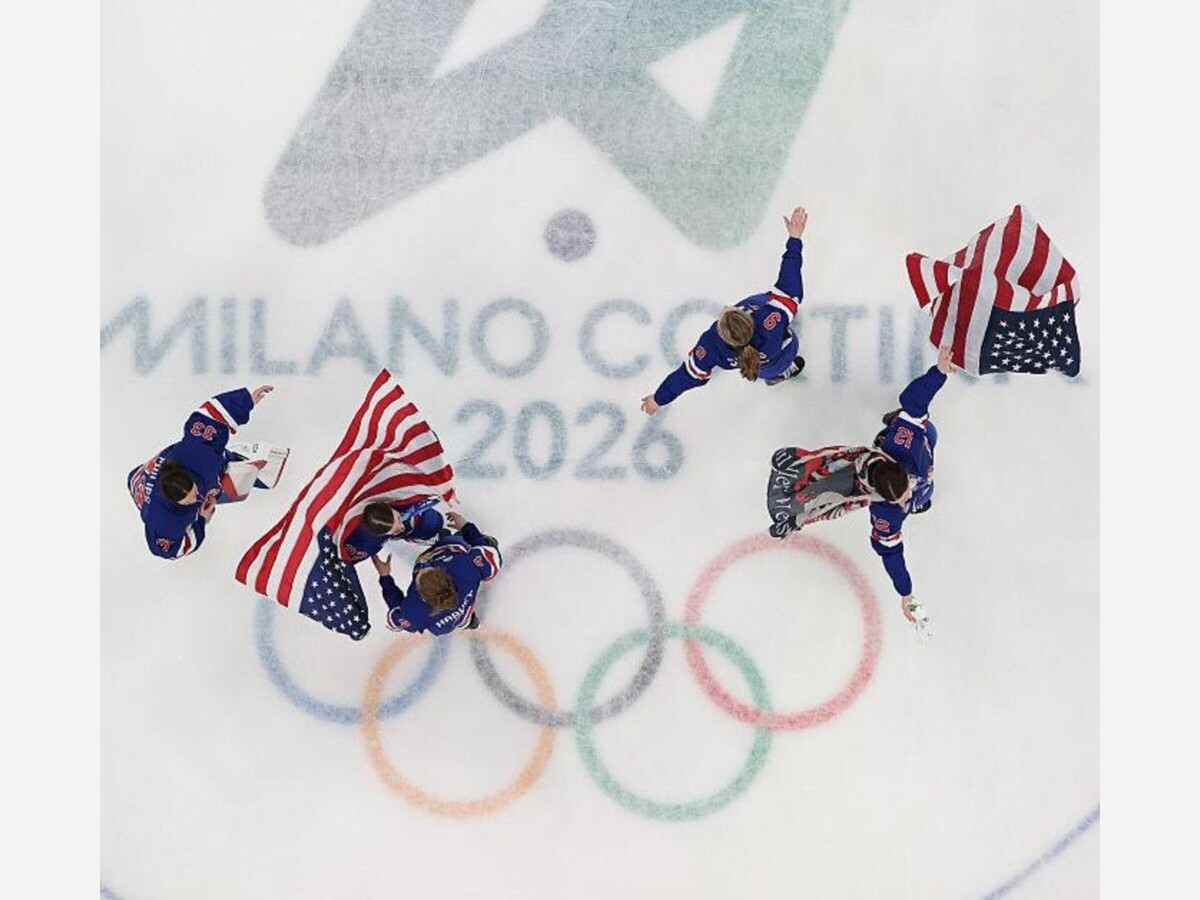



MILAN, Italy
The ice inside the Milano Santagiulia arena has begun to feel smaller.
Not because the rink has shrunk, but because history is closing in.
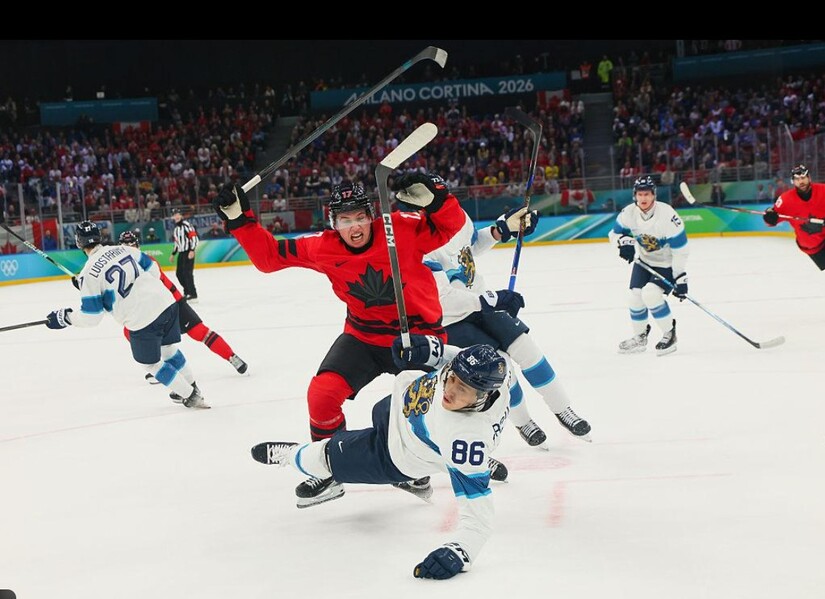
On Friday, Feb. 20, the United States men’s hockey team skated past Slovakia, 6–2, in a semifinal that was less a contest than a declaration. Hours earlier, Canada clawed back from two goals down to edge Finland, 3–2, on a late power play. The result is the final Olympic pairing the sport quietly hoped for and the continent braced for: United States vs. Canada, gold on the line Sunday morning.
For the Americans, the stakes extend beyond a medal. They are chasing their first Olympic gold since the 1980 triumph in Lake Placid, a victory forever memorialized as the Miracle on Ice. Forty-six years later, a different generation carries the burden of that memory.
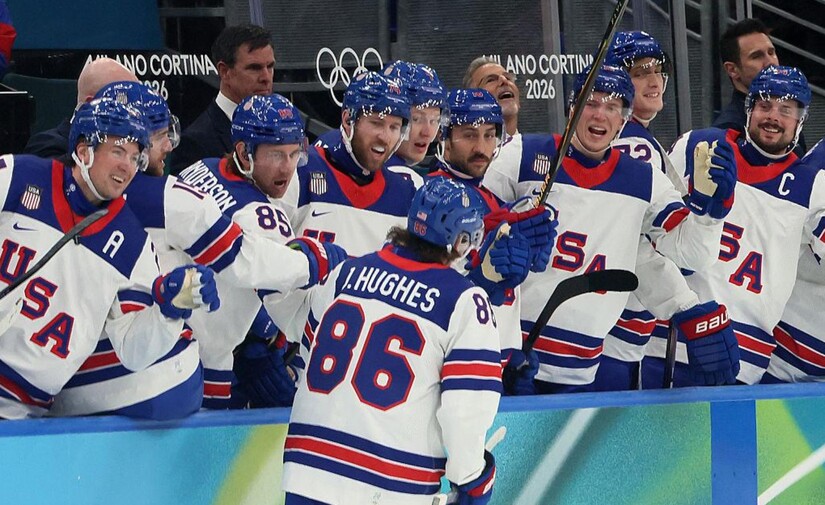
Against Slovakia, Team USA wasted little time imposing its will. Dylan Larkin opened the scoring just four minutes into the first period, finishing a rush that sliced through the Slovak defense and set the tone for the night.
The second period became a showcase.
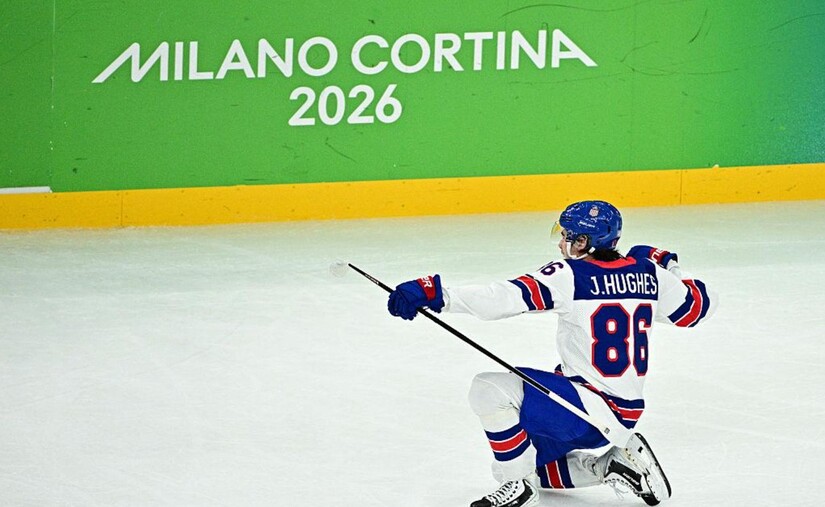
Jack Hughes scored twice in a dominant stretch that turned tension into inevitability. The Americans attacked in waves, their speed widening passing lanes and forcing mismatches. Defenseman Zach Werenski orchestrated from the blue line, recording three assists and repeatedly shifting the angle of attack before Slovakia could reset.
In goal, Connor Hellebuyck remained composed, absorbing early pressure and denying momentum swings. Slovakia broke through late with goals from Juraj Slafkovsky and Pavol Regenda, but by then the semifinal had been decided.
The only lingering question from the American bench involved forward Tage Thompson, who exited for precautionary reasons. His status for Sunday remains a storyline in a tournament now distilled to one game.
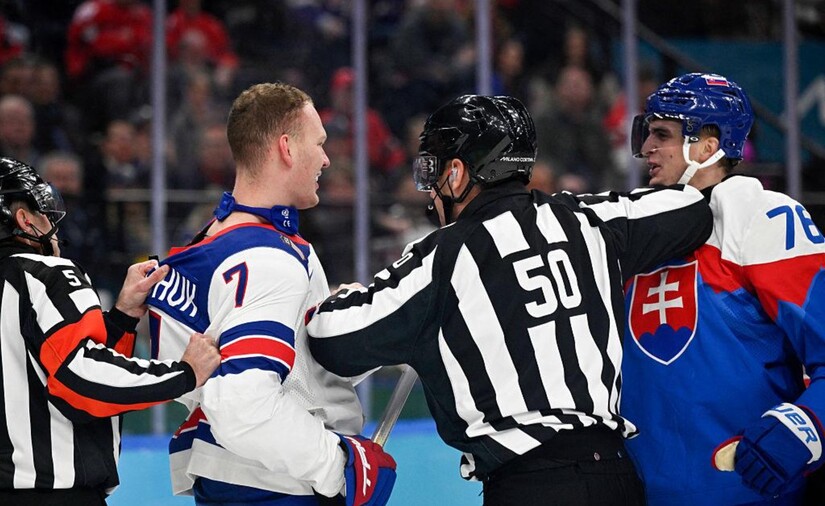
The path to this moment began two nights earlier, when the United States survived Sweden in a taut 2–1 overtime quarterfinal.
With the game tied in 3-on-3 play, defenseman Quinn Hughes skated into space and snapped a rising shot past Swedish goaltender Jacob Markstrom. The goal ended the game and altered the trajectory of the tournament.
Hughes, a Norris Trophy winner and one of the sport’s most dynamic puck-moving defenders, has logged heavy minutes throughout the Olympics, often paired with Charlie McAvoy. Together they form the backbone of a defensive corps that has combined mobility with discipline, turning transition into a weapon.
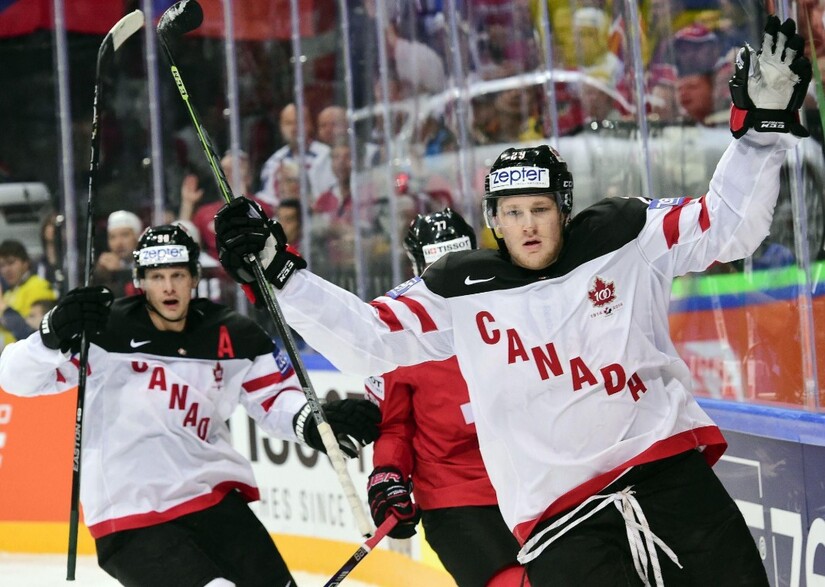
If the American semifinal felt decisive, Canada’s was defiant.
Finland built a 2–0 lead behind steady goaltending from Juuse Saros, frustrating a Canadian lineup stacked with scoring pedigree. But Canada’s patience eventually yielded.
Goals from Sam Reinhart and Shea Theodore erased the deficit, setting the stage for a final surge. With 35.2 seconds remaining in regulation and Canada on the power play, Nathan MacKinnon snapped home the winner, silencing the Finnish bench and sending Canada to the final.
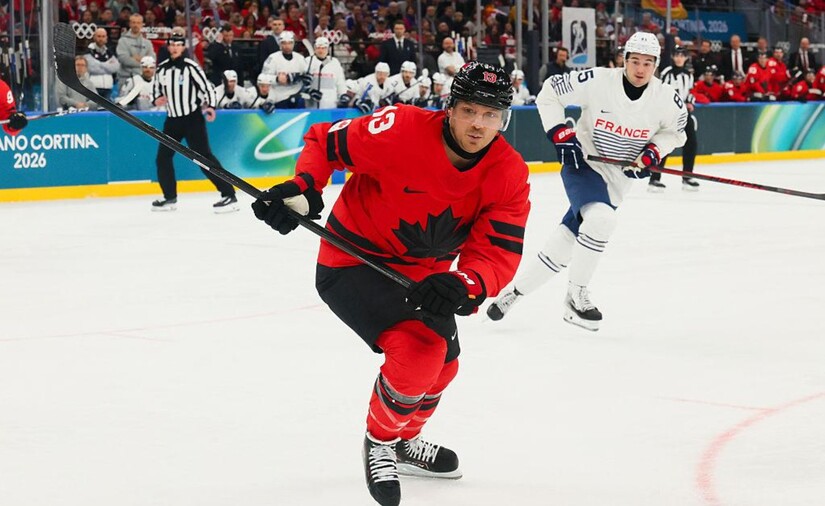
The Canadians did so without captain Sidney Crosby, who continues to nurse a knee injury sustained earlier in the tournament. His availability for Sunday remains uncertain, an echo of Olympic history that looms over the matchup.
The last time the United States and Canada met for Olympic gold was in Vancouver in 2010, when Crosby scored the “Golden Goal” in overtime. That image still lives in highlight reels and American memory alike.
The bronze medal game will feature Slovakia against Finland on Saturday afternoon. But the global focus has already shifted.
Sunday’s gold medal game, scheduled for 8:10 a.m. Eastern, will renew the most elemental rivalry in hockey. Two neighbors. Two developmental systems. Two national identities intertwined with ice.
For the Americans, this is not simply about erasing a drought that stretches back to 1980. It is about proving that the program built over decades of investment, speed, and skill can withstand the pressure of expectation.
For Canada, it is about continuity, about maintaining a lineage that assumes gold as inheritance.
By Sunday, Milan’s ice will hold more than skate marks. It will hold legacy.
And when the puck drops, forty-six years of American waiting will collide with a Canadian standard that never softened.


Sunny, with a high of 59 and low of 33 degrees. Sunny in the morning, clear in the afternoon and evening,