Image



Coon Rapids Police Department
Coon Rapids Fire Department
City of Coon Rapids
Coon Rapids Civic Center
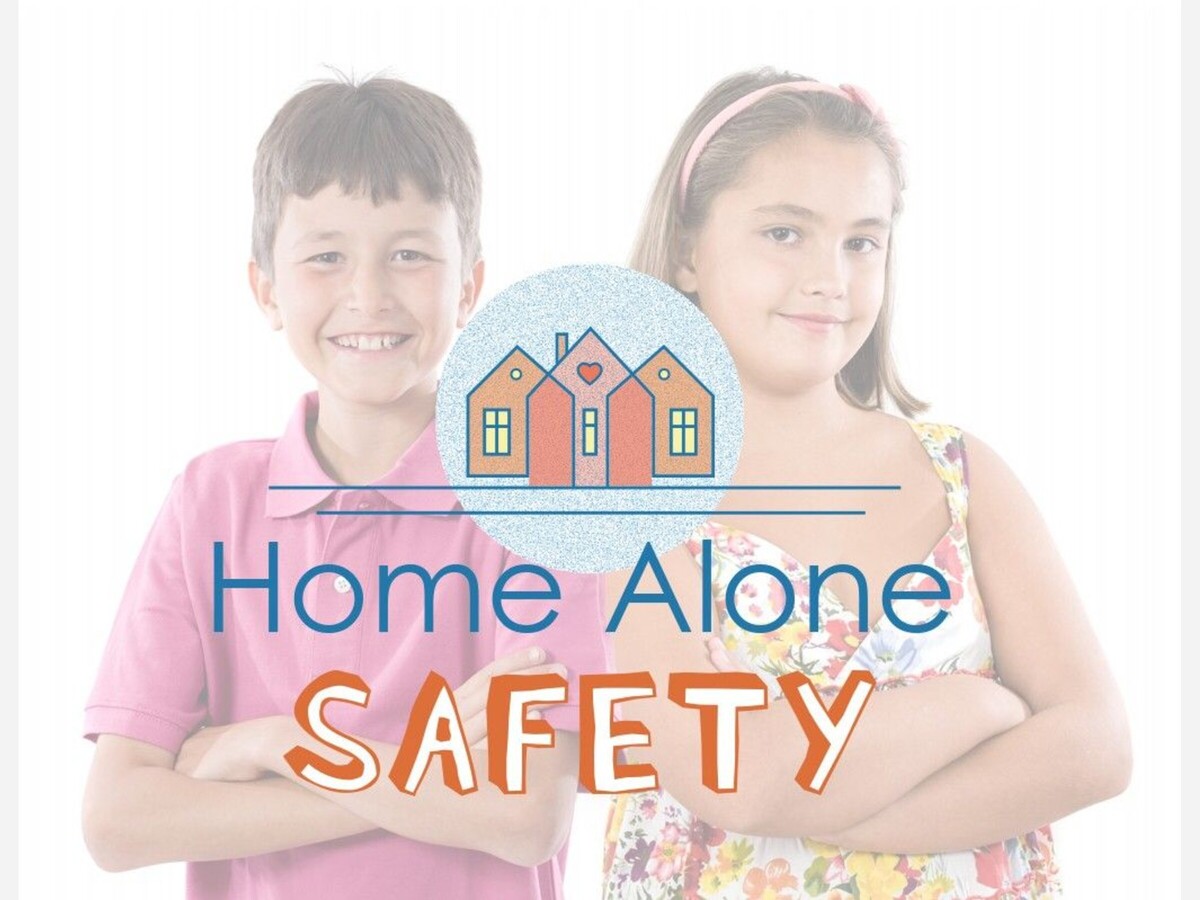
The Home Alone Safety Class, offered twice a year by the Coon Rapids Police Department in collaboration with the Coon Rapids Fire Department, has become one of the city’s most quietly consequential programs. Designed for children ages 8 to 12, it addresses a modern parenting reality that few families can avoid: the gap between a child’s growing desire for independence and a parent’s need for peace of mind.
This year’s session will be held Friday, March 6, from 9 a.m. to 3 p.m. at the Coon Rapids Civic Center, 11155 Robinson Drive. The cost is $25, and enrollment is capped at 30 participants, a deliberate choice that allows for direct interaction with officers and fire personnel leading the course. Registration is managed through the City’s Active Communities portal, and city officials note that the class often fills weeks in advance.
In Minnesota, there is no statute that sets a specific minimum age at which a child may legally stay home alone. Instead, state guidance emphasizes that supervision must be appropriate to the child’s age and maturity. That leaves families to make judgment calls in circumstances that are rarely simple.
The City of Coon Rapids’ approach is pragmatic. Rather than dictating readiness, it equips children and parents with shared language and skills. The Home Alone Safety Class provides what officials describe as a standardized foundation of safety knowledge, helping families move from guesswork to preparation.
National pediatric guidance echoes that readiness is less about a birthday and more about maturity, decision-making ability, and comfort handling emergencies. Many children, experts say, are not fully prepared to manage unexpected crises until around ages 11 or 12. Programs like this one attempt to close that gap before a crisis ever occurs.
The daylong session blends lecture, discussion, and hands-on exercises. It is structured not as a scare tactic, but as rehearsal.
Emergency Response:
Children learn when and how to call 9-1-1, how to clearly communicate their address, and how to distinguish a true emergency from a situation that requires a parent or neighbor instead.
Fire Prevention and Escape Planning:
Fire personnel guide students through identifying common household hazards and mapping out escape routes. The emphasis is simple: know two ways out and practice them.
Kitchen Safety:
Participants review safe snacking practices, basic appliance use, and burn prevention. The goal is not culinary independence, but hazard awareness.
Internet and Digital Safety:
Officers discuss online boundaries, appropriate communication, and how to respond to suspicious messages or digital pressure when no adult is in the room.
Basic First Aid:
Children practice responding to minor scrapes, cuts, and burns, building familiarity rather than fear.
Scenario Training:
Perhaps the most memorable portion involves role-playing real-life situations: a stranger at the door, a power outage, a smoke alarm sounding unexpectedly. The exercise reframes “What if?” into “Here’s what I do.”
The cap of 30 students is not incidental. Police and fire officials structure the day to allow for questions, repetition, and face-to-face instruction. In a program built around preparedness, proximity matters.
The $25 registration fee covers materials used during the class. City communications encourage parents to confirm any dietary needs during registration if snacks or lunch are included in the session.
The City of Coon Rapids also provides a “Home Alone Guide for Parents” on its website. The guide includes a readiness checklist and an emergency contact template, reinforcing that safety education does not end at 3 p.m. It continues at the kitchen table, on the refrigerator door, and in the quiet conversations that follow.
For many families, the first hour a child spends alone at home is less about logistics and more about trust. Programs like the Home Alone Safety Class do not eliminate risk. They narrow it. They replace uncertainty with rehearsal.
In a season when conversations about public safety often focus on headlines and emergencies, this small civic offering represents something quieter: prevention. Thirty children at a time, twice a year, learning that independence is not the absence of supervision but the presence of preparation.
For registration details, families can visit the City of Coon Rapids’ Active Communities portal. Space is limited.


Sunny, with a high of 59 and low of 33 degrees. Sunny in the morning, clear in the afternoon and evening,