37° and Sunny
Image
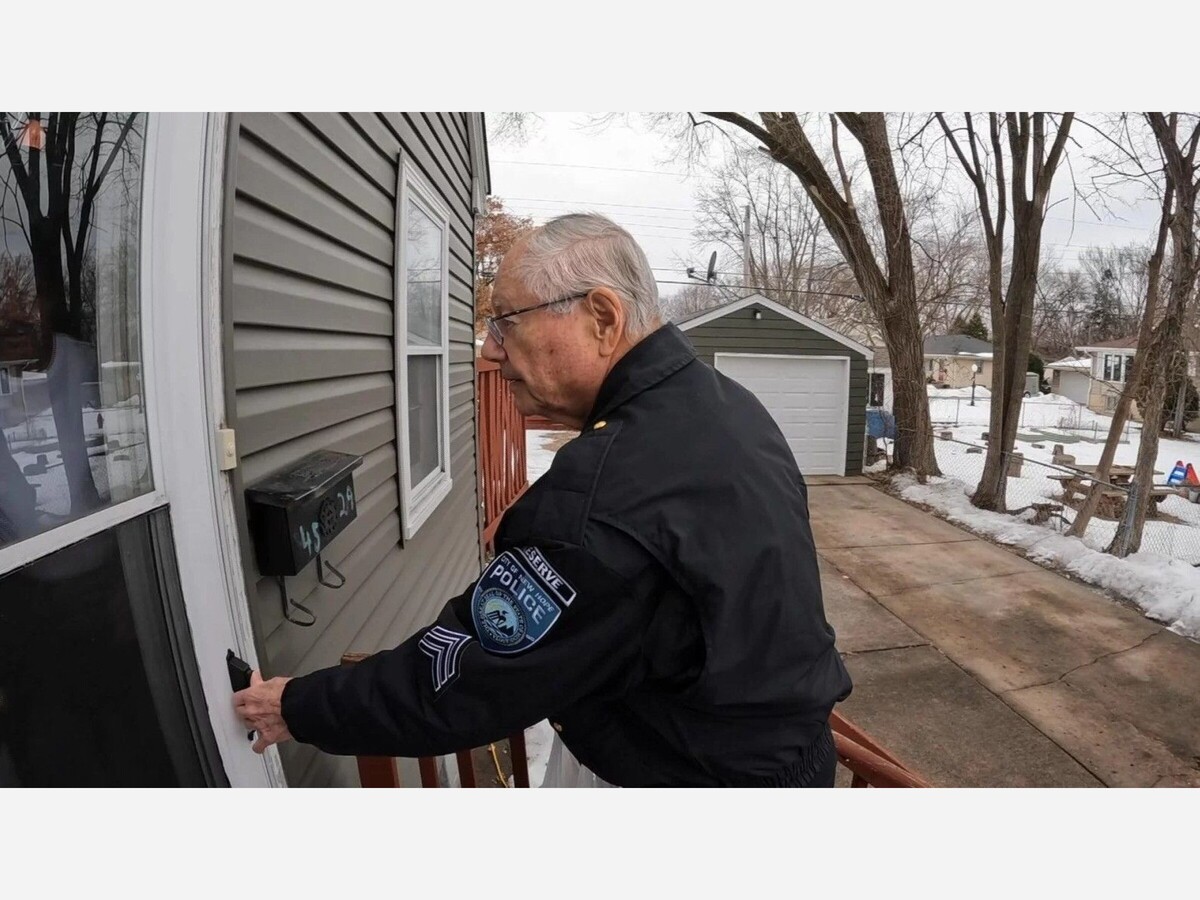



John Monson is 90 years old.
On most days, he serves as a reserve officer with the New Hope Police Department, assisting with patrols and responding to medical emergencies. Like other reserves, he is trained as a medical first responder, prepared to stabilize a scene until additional help arrives.
But a couple of times each month, Monson trades squad car radio traffic for a delivery route.
“I’m getting older and older and I figured I could do this, just help other folks,” Monson said.
The task is simple. Pick up the meals. Knock on the door. Offer a greeting.
“Some would like to stand and talk for a while,” he said. “Others just have the smile and ‘thank you’ and that’s it. That’s enough.”
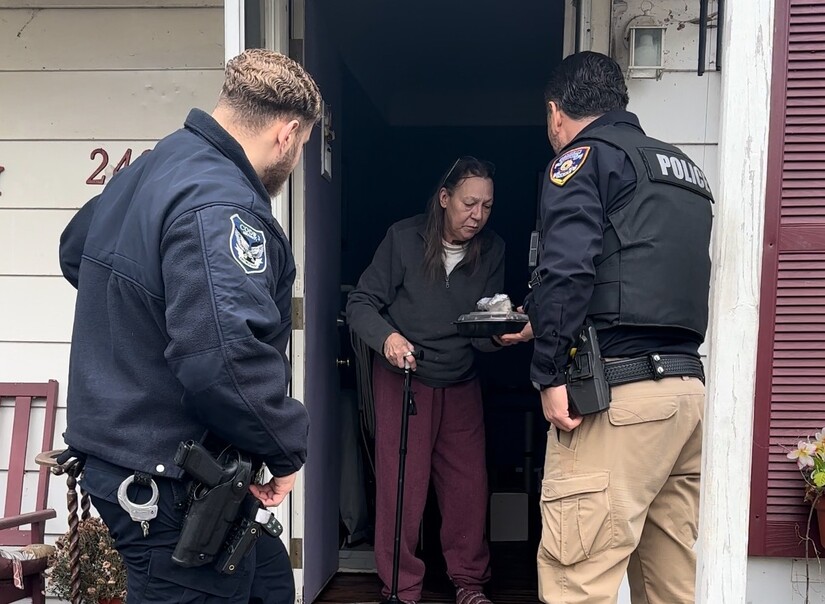
In that exchange, something subtle but powerful happens. A uniform associated with enforcement becomes a symbol of care.
Founded in 1970, CEAP has grown into a regional human services hub serving Brooklyn Center, Brooklyn Park, and East Champlin, while its Meals on Wheels routes stretch into Maple Grove, Plymouth, Robbinsdale, Crystal, and New Hope.
While many residents know CEAP for its food shelf, the organization operates on a broader “wraparound” model. It coordinates seasonal toy drives, resource referrals for families in crisis, and other stabilization services aimed at keeping residents housed, fed, and connected.
Through its affiliation with Meals on Wheels America, CEAP participates in a nationwide effort addressing both hunger and isolation among older adults and individuals with disabilities. The local demand reflects a larger demographic shift: more Minnesotans are aging in place, often on fixed incomes, in suburban communities not originally designed for residents with mobility limitations.
“We serve a big portion of people who are disabled and elderly,” said Whitney Kavanagh, CEAP’s Director of Programs. “Consistency is key. We have to know those routes are covered.”
Reserve officers are volunteers. They are not full-time sworn personnel, but they are trained, uniformed representatives of the department. They assist at city events, conduct community patrols, and provide medical response support.
In New Hope, that reserve corps has become part of CEAP’s delivery infrastructure.
The partnership, now five years strong, also includes collaboration with police departments in Robbinsdale, Crystal, and Brooklyn Center.
Meals on Wheels programs across the country face a common challenge: volunteer retention. Midday delivery windows can be difficult for working adults. Weather, illness, and scheduling conflicts can leave routes unexpectedly uncovered.
By coordinating with local police reserve units, CEAP reduces the risk of last-minute cancellations. The department provides a reliable rotation of drivers, ensuring that vulnerable residents do not miss meals.
But the partnership does more than close a staffing gap.
For some recipients, the Meals on Wheels driver may be the only person they see that day. Having a trained reserve officer at the door adds an additional layer of security.
Reserves are equipped to notice signs of medical distress or household hazards. A missed pickup, an unanswered door, or visible health concerns can trigger follow-up.
In that sense, the meal delivery doubles as an informal wellness check.
Monson is candid about another impact.
“I think it goes back to helping the community have a better feeling about the police,” he said. “We’re just part of the community, and they feel that. They see that.”
Modern community policing philosophies emphasize relationship-building outside of crisis situations. When residents encounter officers in non-enforcement roles, delivering help rather than citations, it reshapes perceptions. It builds what sociologists call social capital: trust accumulated through small, consistent acts of service.
In an era when policing is frequently debated in legislative chambers and on social media feeds, these quiet interactions offer a different narrative. Not a press conference. Not a policy change. A knock at the door.
The northwest metro’s aging population continues to expand. As more residents remain in their homes longer, the demand for meal delivery services rises.
CEAP reports a persistent need for:
“It’s nice to be able to rely on that relationship,” Kavanagh said of the police partnership. “We know those people are going to be getting those meals.”
For Monson, the motivation remains uncomplicated.
At 90 years old, he still shows up. Still knocks. Still listens.
In neighborhoods stretching from New Hope to Maple Grove, a warm meal arrives at the threshold. So does something less visible but equally sustaining: the reminder that public service can take many forms, and that sometimes, the most meaningful patrol happens on a quiet residential street, carrying lunch instead of a citation book.



Patchy rain nearby, with a high of 50 and low of 31 degrees. Sunny in the morning, overcast in the afternoon and evening, clear overnight.