33° and Overcast
Image
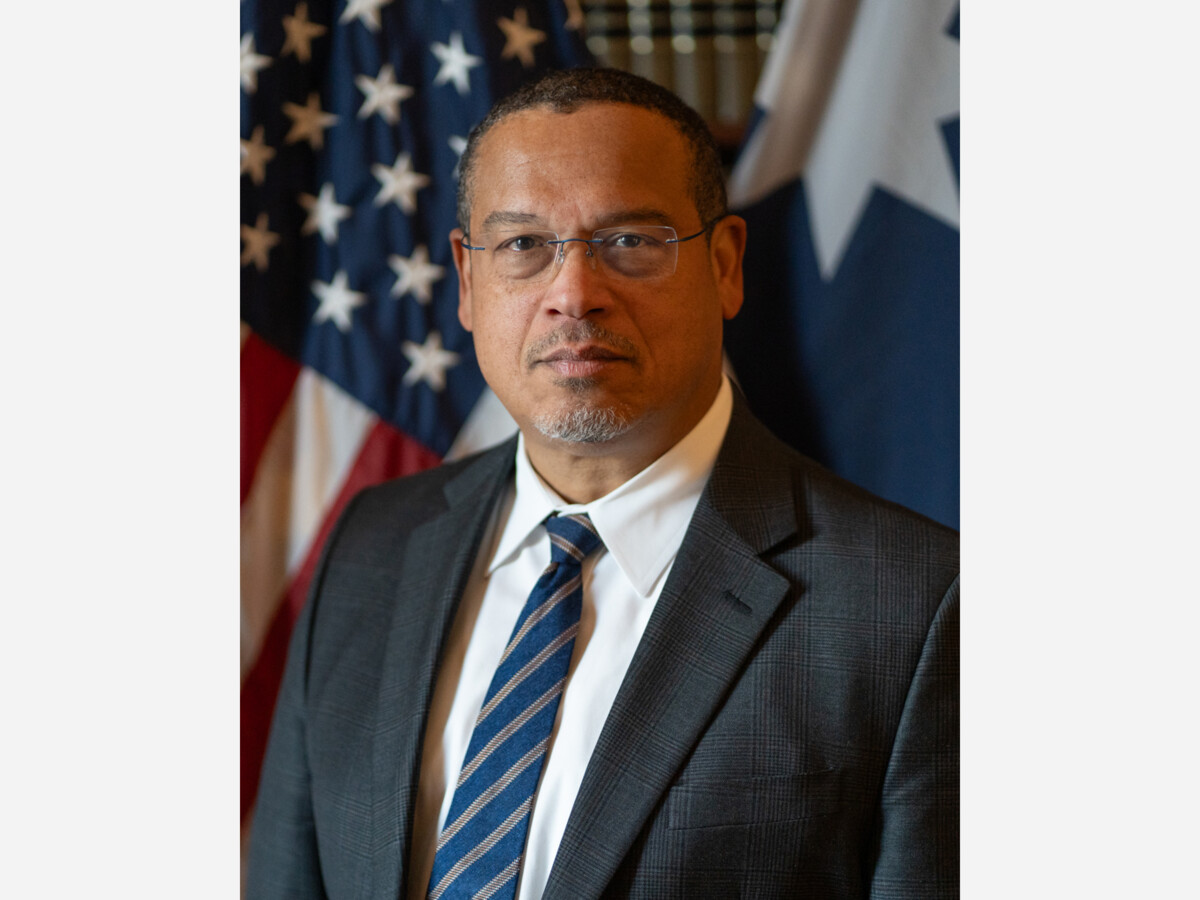



Filed as a consent judgment in federal court, the agreement requires Fleet Farm to pay $1 million to the State of Minnesota, implement new safeguards across its Minnesota stores, and submit to enhanced oversight designed to prevent high volume firearm purchases that signal potential trafficking. The company does not admit liability or wrongdoing under the terms of the settlement.
For Ellison, the resolution represents more than a financial penalty. It is an assertion that retailers who sell firearms are not passive actors in the chain of public safety.
“The warning signs that Fleet Farm ignored were so clear that Fleet Farm themselves went on to use those sales as examples of obvious red flags,” Ellison said in announcing the agreement. “On behalf of the people of Minnesota, we are holding them to account for that callous behavior.”
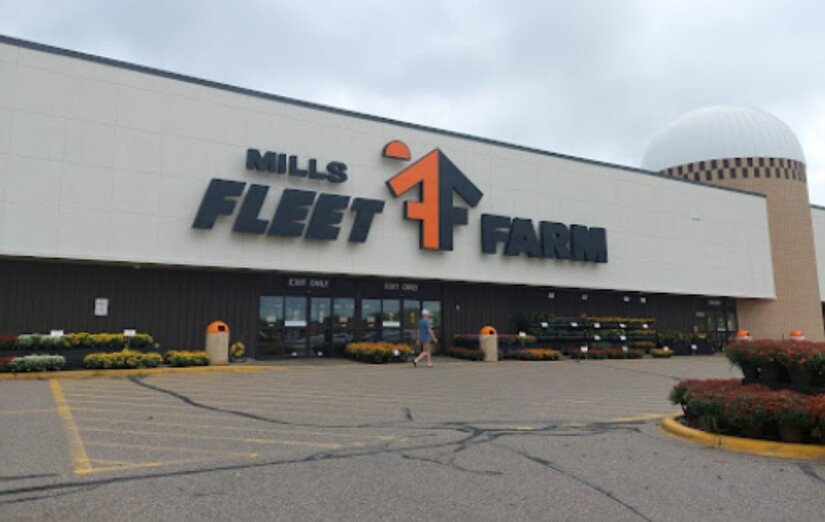
The state filed suit in 2022, alleging that Fleet Farm failed to act on glaring warning signs of straw purchasing. Straw purchasing occurs when someone legally eligible to buy a firearm does so on behalf of a person who is prohibited from possessing one.
At the heart of the case was the October 10, 2021 mass shooting at the Seventh Street Truck Park bar in downtown St. Paul. A gunfight inside the crowded venue left 27 year old Marquisha Wiley dead and 14 others injured. Law enforcement traced one of the handguns used in the shooting to purchases made earlier that year.
According to the Attorney General’s Office, the firearm was tied to Jerome Horton, who bought 33 guns from Fleet Farm over a four month span in 2021. The state argued that such purchasing patterns, particularly when repeated across multiple transactions, should have triggered internal scrutiny and halted sales.
The lawsuit also cited sales to Sarah Elwood, who purchased nearly 100 firearms for others at multiple retailers, including Fleet Farm. Many of those weapons were reportedly recovered at crime scenes within weeks of purchase, according to court filings.
The state maintained that Fleet Farm ignored conspicuous warning signs that federal guidance and industry standards identify as potential trafficking indicators, including unusually high volume purchases, repeated similar firearm buys, and customer behavior suggesting third party direction.
Fleet Farm attempted to dismiss the case, arguing that federal law, including the Protection of Lawful Commerce in Arms Act, shields firearms sellers from liability for crimes committed with lawfully sold weapons.
Courts allowed the case to proceed. In 2025, the judge denied Fleet Farm’s motion for summary judgment, clearing the path toward trial before the parties ultimately reached settlement.
The outcome stops short of a courtroom verdict but forces operational changes that may reshape how large retailers approach firearm compliance in Minnesota.
Under the consent judgment, Fleet Farm must implement a series of reforms in its Minnesota locations aimed at detecting and preventing straw purchases.
In a detail that became central to the state’s argument, internal Fleet Farm training materials reportedly used the Horton transactions themselves as examples of what obvious red flags look like.
Within 60 days of court approval, the Attorney General’s Office will release internal Fleet Farm documents obtained during litigation, including store level communications, training materials, deposition transcripts, and expert reports, subject to court ordered redactions.
The disclosure requirement adds a layer of public accountability rarely seen in civil settlements of this type.
In a statement, a Fleet Farm spokesperson said:
“We are pleased to have reached a resolution. We condemn gun violence and remain committed to partnering with law enforcement and community leaders to help keep our communities safe.”
The Wisconsin based retailer operates multiple locations across Minnesota and the Upper Midwest and remains one of the region’s largest firearm sellers.
For Minnesota, the case reflects an evolving legal strategy: rather than targeting manufacturers directly, state officials are focusing on retail level safeguards and compliance failures.
The consent judgment does not rewrite federal gun law. But it places measurable obligations on one of the state’s largest firearm retailers and signals that Minnesota intends to use civil enforcement tools to address gun trafficking upstream.
For the families affected by the 2021 violence at the Seventh Street Truck Park, the settlement cannot undo what was lost. But in Ellison’s framing, it establishes a precedent: warning signs, once ignored, now carry consequences.
And in Minnesota’s ongoing debate over public safety and accountability, that may prove to be the most enduring part of the judgment



Partly Cloudy , with a high of 43 and low of 27 degrees. Overcast during the morning, sunny during the afternoon, cloudy for the evening, clear overnight.