40° and Clear
Image
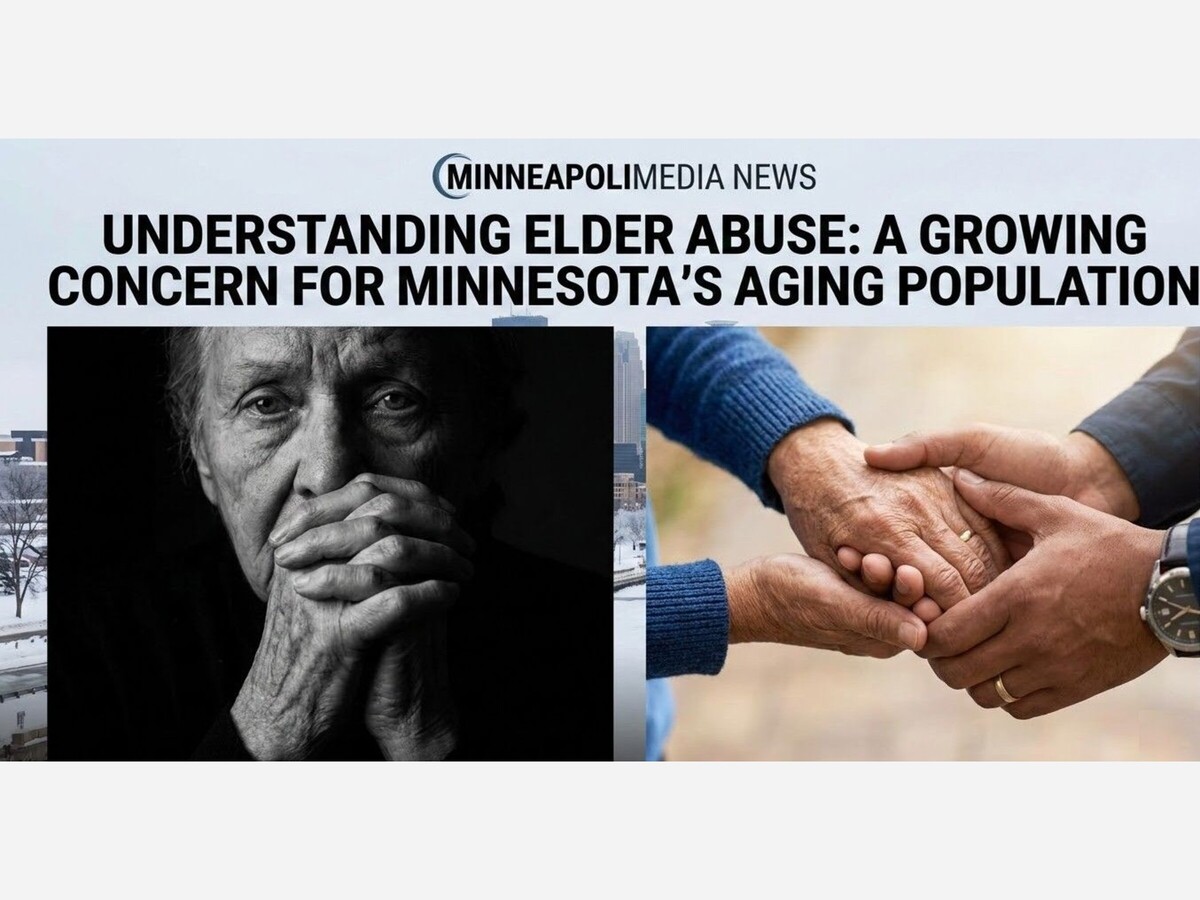



Elder abuse refers to the mistreatment, neglect, or exploitation of an older adult or vulnerable person. According to the National Center on Elder Abuse, elder abuse can take many forms and may occur in private homes, assisted living facilities, nursing homes, or other care settings.
The abuse is often carried out by someone the older adult knows or trusts, including family members, caregivers, or facility staff.
Federal health agencies define elder abuse broadly to include acts that intentionally harm an older adult or create a serious risk of harm.
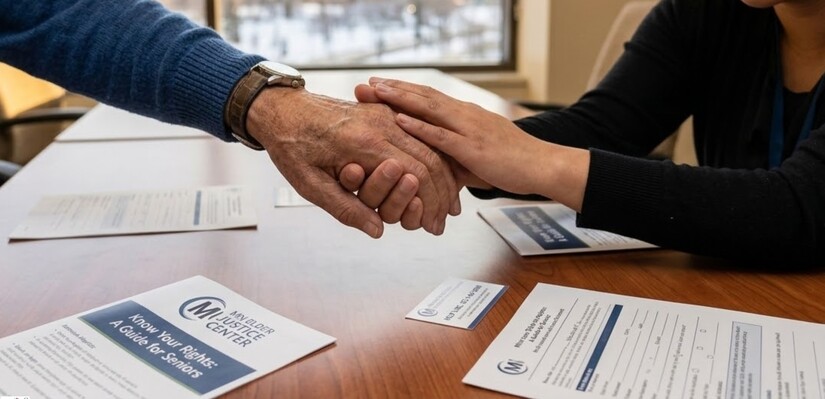
Elder abuse can manifest in several ways, sometimes occurring simultaneously. Common forms include:
Physical abuse
The use of physical force that may result in injury, pain, or impairment. Examples include hitting, pushing, restraining, or improper use of medications.
Emotional or psychological abuse
Verbal threats, intimidation, humiliation, or controlling behavior that causes emotional distress.
Sexual abuse
Any non-consensual sexual contact involving an older adult.
Neglect
Failure by a caregiver to provide basic needs such as food, medical care, hygiene, or safe living conditions.
Financial exploitation
Unauthorized or improper use of an elder’s money, property, or assets. This may involve scams, coercion, forged documents, or misuse of power of attorney.
Isolation
Restricting an elder’s contact with family, friends, or outside support networks.
Self-neglect
Situations in which an older adult is unable to meet their own essential needs due to physical or cognitive limitations.
The Centers for Disease Control and Prevention notes that elder abuse can lead to serious consequences, including physical injury, worsening mental health, increased hospitalization, and even premature death.
Despite growing awareness, elder abuse remains significantly underreported nationwide. Research cited by the CDC suggests that as many as one in ten older adults experience some form of abuse, yet only a fraction of cases are ever reported to authorities.
Fear, dependence on caregivers, cognitive impairment, and social isolation can make it difficult for victims to speak out.
Minnesota, like much of the country, is experiencing rapid demographic change. According to the Minnesota Department of Human Services, the number of Minnesotans age 65 and older has been steadily increasing for more than a decade, a trend expected to continue as the Baby Boomer generation ages.
With this growth has come a rise in reports of abuse, neglect, and financial exploitation involving older adults. State officials track reports through the Minnesota Adult Abuse Reporting Center and related oversight systems.
In the Twin Cities northern suburbs, the Anoka County Attorney's Office has been recognized for its early leadership in addressing elder abuse.
In 2012, the office helped establish the Minnesota Stop Abuse & Financial Exploitation (S.A.F.E.) Elders Initiative, a collaborative effort aimed at improving prevention, detection, and prosecution of crimes against vulnerable adults.
The initiative brought together law enforcement, prosecutors, social service professionals, and community organizations to:
The S.A.F.E. Elders Initiative later merged with another statewide effort, the Vulnerable Adult Justice Project, forming the nonprofit organization known today as the Minnesota Elder Justice Center. The center now provides education, training, and advocacy for victims and families across the state.
Today, the Anoka County Attorney’s Office continues to dedicate staff specifically to elder abuse cases. Specialized prosecutors and victim–witness advocates work closely with law enforcement and community partners to investigate crimes involving vulnerable adults.
These professionals also conduct training programs across Minnesota for:
Real-world case examples are often used during these trainings to illustrate how elder abuse occurs and how it can be investigated and prosecuted under Minnesota law.
Experts urge family members, neighbors, and friends to stay alert for signs that an older adult may be experiencing abuse. Possible warning signs include:
If something seems wrong, advocates encourage loved ones to ask simple but direct questions, such as:
Regular visits, maintaining communication, and helping track financial or medical information can also help protect vulnerable adults.
Anyone who suspects elder abuse in Minnesota can report it to the Minnesota Adult Abuse Reporting Center, the statewide intake system for vulnerable adult maltreatment reports.
Minnesota Adult Abuse Reporting Center
Phone: 844-880-1574
If an older adult is in immediate danger, authorities urge residents to call 911.
Several organizations across Minnesota provide assistance, advocacy, and support for older adults experiencing abuse.
Minnesota Elder Justice Center
Provides education, legal resources, and support for victims and families
Phone: 651-440-9300
Alexandra House
Offers advocacy services, shelter, and help obtaining protective orders
24-hour Help Line: 763-780-2330
Anoka County Community Action Program
Connects residents with local assistance and senior resources
Senior Information Line: 763-783-4707
Office of Ombudsman for Long-Term Care
Investigates complaints about nursing homes and long-term care providers
651-431-2555 or 800-657-3591
Volunteers of America Center for Excellence in Supported Decision Making
Provides guidance on guardianship alternatives and decision-making support
952-945-4174
National resources are also available through the National Center on Elder Abuse and the National Clearinghouse on Abuse in Later Life.
Advocates emphasize that preventing elder abuse requires community awareness and vigilance. As Minnesota’s population continues to age, ensuring the safety and dignity of older adults will remain a priority for law enforcement, policymakers, and families alike.
Recognizing warning signs, supporting victims, and reporting suspected abuse are critical steps in protecting some of society’s most vulnerable residents.
MinneapoliMedia
Community. Culture. Civic Life.


Sunny, with a high of 73 and low of 37 degrees. Sunny in the morning, partly cloudy for the afternoon and evening, clear overnight.