Image
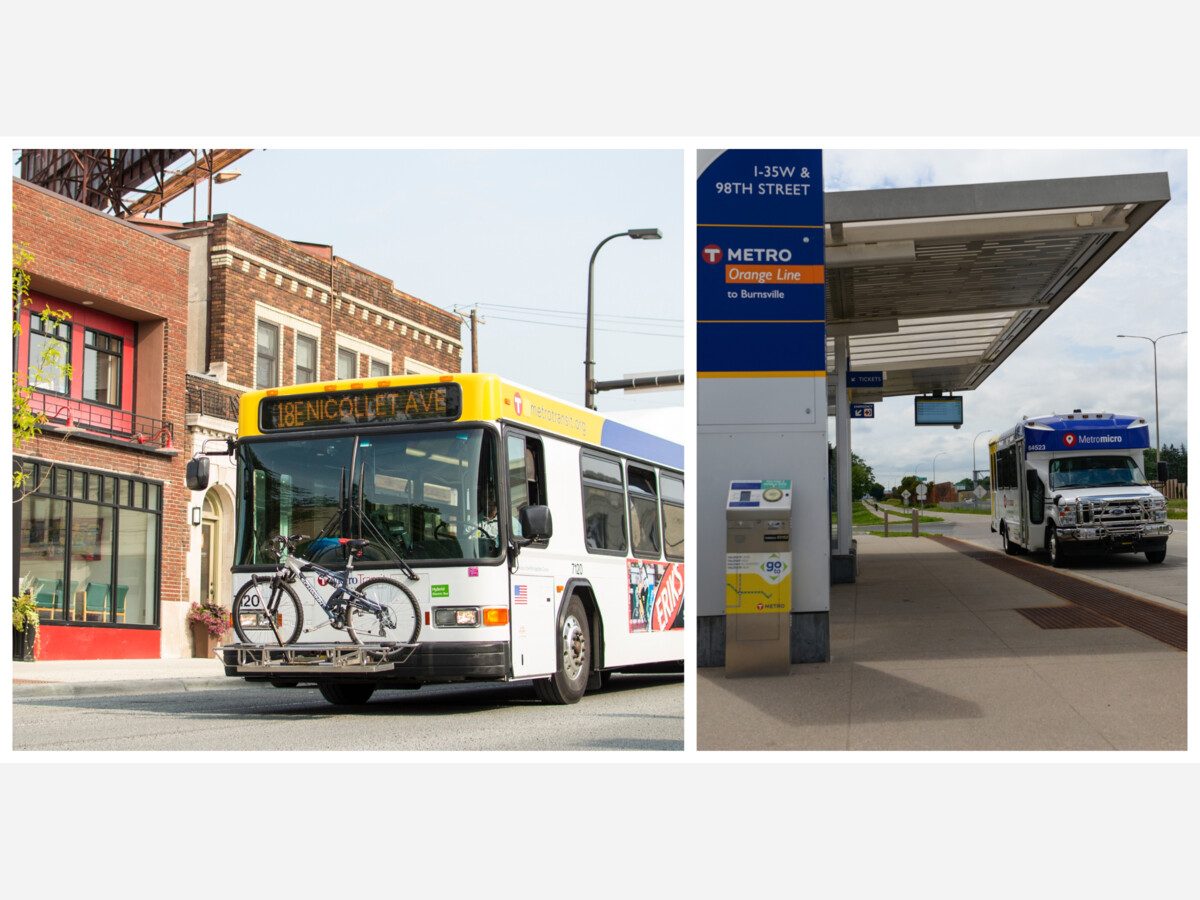



The new service, Route 725, launched on December 6, 2025, and now links several key suburban corridors stretching across Hennepin and Anoka counties. Officials with Metro Transit say the route represents a deliberate shift in how regional transit service is designed and delivered.
Rather than following the traditional hub-and-spoke system that funnels commuters toward central cities, Route 725 was built as a crosstown suburb-to-suburb connection, reflecting the reality that many residents now live, work, and shop within the suburbs themselves.
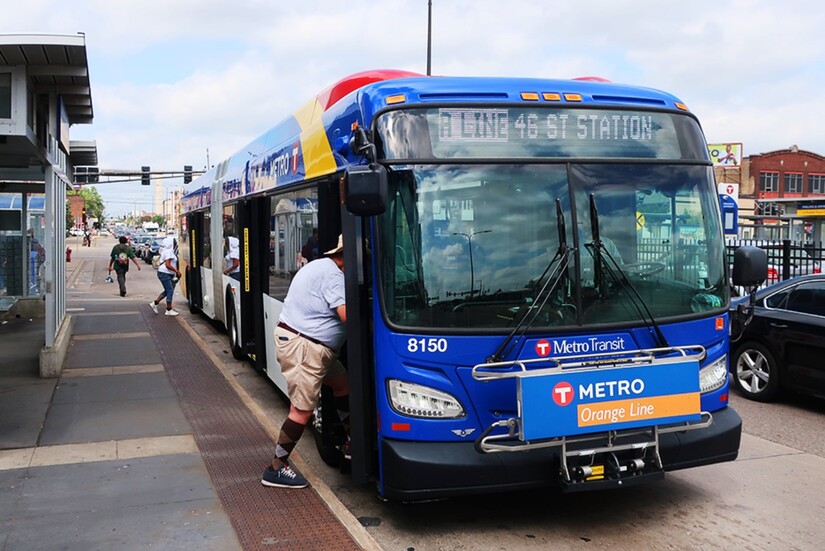
Route 725 was developed to provide a direct east-west transit link between the communities of Osseo, Brooklyn Park, Coon Rapids, and Blaine.
The route travels along three major transportation corridors in the northern metro:
Buses operate hourly from 6:00 a.m. to 10:00 p.m. daily, creating a consistent service window for commuters, students, and shoppers traveling across the suburban belt.
The corridor includes a mix of destinations that planners say make the route particularly important.
In Osseo, riders gain access to the city’s historic downtown district. In Brooklyn Park, the route serves expanding residential neighborhoods and large employment centers. Further east, the line connects retail areas and regional transit transfer points in Coon Rapids and Blaine.
For workers employed in distribution centers, manufacturing facilities, and retail complexes along the Highway 610 corridor, the route offers a new commuting option in an area where transit connections have historically been limited.
The new route arrives at a moment when the Highway 610 corridor has become one of the fastest-growing economic zones in the northern Twin Cities metro. Over the past decade, the area has attracted logistics hubs, industrial parks, and residential developments that support thousands of jobs outside the traditional downtown employment centers.
Transportation planners say this evolving geography has required transit systems to adapt.
Rather than focusing solely on peak-hour commuters heading into the urban core, agencies are increasingly designing routes that support suburban job markets and nontraditional work schedules, including early morning and evening shifts common in logistics and manufacturing.
With the service now operating for several months, Metro Transit has entered what planners call a post-launch evaluation phase, a standard process used to assess whether new routes function as intended.
The agency is asking riders, residents, and employees along the route to complete a short public survey before Wednesday, April 1, 2026.
The survey is available in multiple languages to encourage broad participation:
The feedback will help planners evaluate several aspects of the service, including:
Stop Accessibility
Ensuring boarding locations are accessible to pedestrians, transit riders with disabilities, and nearby neighborhoods.
Operational Efficiency
Determining whether schedules align with actual travel patterns or require adjustments.
Neighborhood Impact
Understanding how stops affect nearby residents and businesses.
Officials say rider insights are particularly important when assessing “last-mile” connectivity, the challenge of how passengers travel between a bus stop and their final destination.
Participants who complete the survey will be entered into a drawing for a $25 Visa gift card, funded by Anoka County Commute Solutions.
The organization works in partnership with Metro Transit and local governments to encourage alternatives to single-occupancy vehicle travel. Its initiatives promote transit use, carpooling, biking, and telecommuting across the region, particularly within Anoka County.
Transit planners across the United States have increasingly recognized that suburban travel patterns are shifting. Many commuters now travel between suburbs rather than toward downtown employment centers, a reality that traditional transit maps were not built to accommodate.
Route 725 is part of an effort to respond to those changes in the Twin Cities.
Whether the service succeeds will depend largely on the experience of the riders themselves. Metro Transit officials say community feedback will directly influence decisions about stop placement, schedules, and potential adjustments to the route.
For residents who live or work along the corridor, the agency is encouraging them to share their experiences while the service is still new and evolving.
Residents and riders can participate using the links below:
English: https://www.surveymonkey.com/r/BVW66F6
Español: https://www.surveymonkey.com/r/T82F3JX
Hmoob: https://www.surveymonkey.com/r/MNWC9MR
Soomaali: https://www.surveymonkey.com/r/T2MJLSR
Additional information about the initiative is available at:
https://www.metrotransit.org/route-725-feedback
For the thousands of residents who live along the northern suburban corridor, the future of Route 725 may ultimately be shaped by a simple question now being asked of the public: How well is the service working, and how can it work better?
MinneapoliMedia
Community. Culture. Civic Life.



Patchy rain nearby, with a high of 80 and low of 68 degrees. Don't forget your umbrella! Patchy rain nearby during the morning, clear for the afternoon and evening,