66° and Partly cloudy
Image



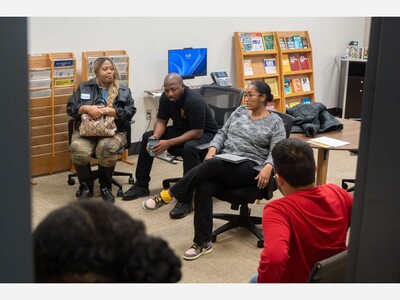
People come, identify themselves, state the size of their household, and shop for food with a degree of personal choice and dignity that many hunger relief organizations increasingly view as essential to modern community support work.
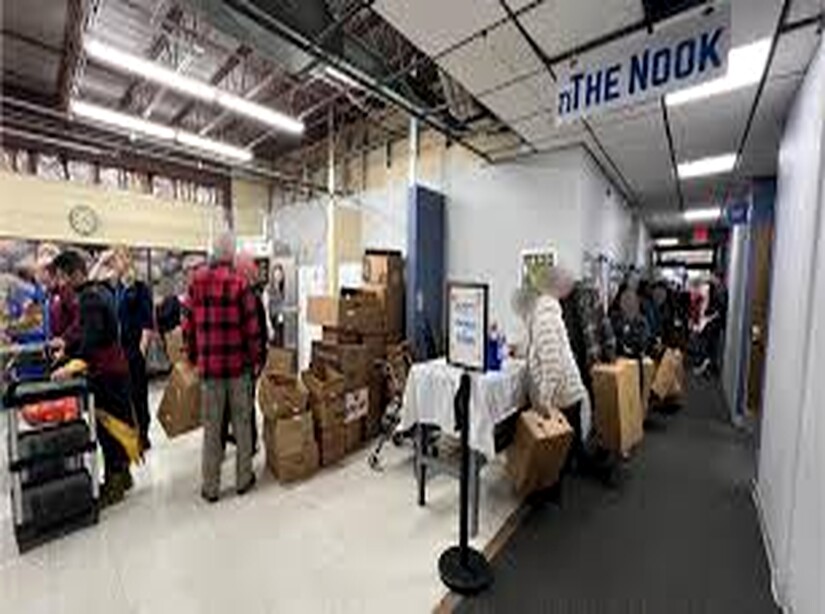
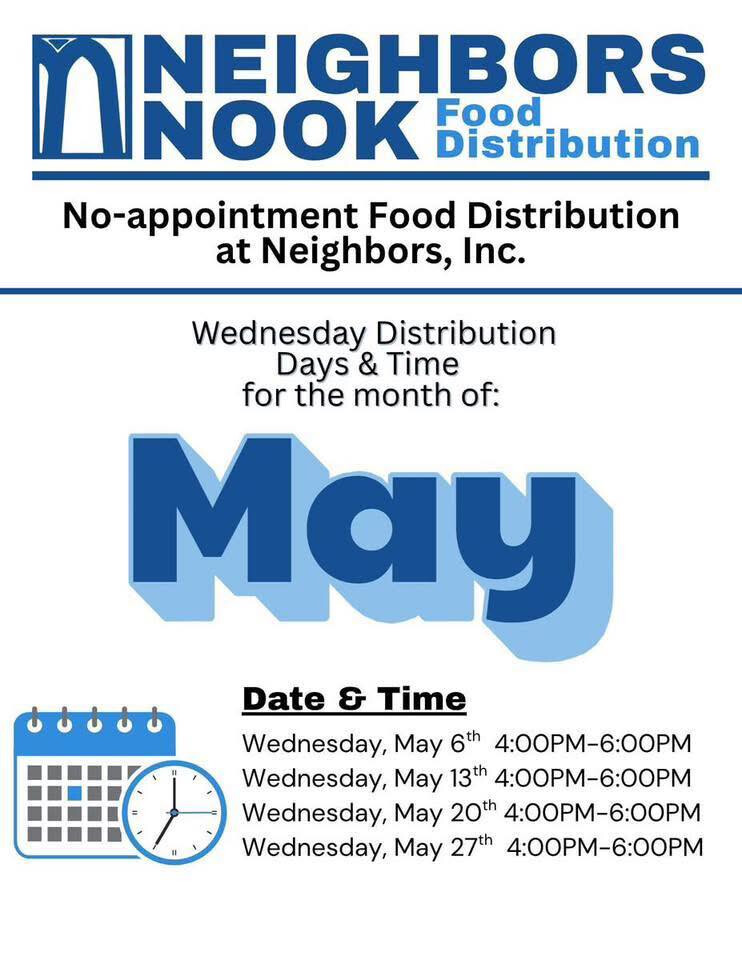
Neighbors, Inc. has continued operating its Wednesday walk-in food distribution initiative throughout May 2026 at “The Nook,” a low-barrier grocery assistance program designed to provide accessible food support for residents experiencing food insecurity across northern Dakota County.
According to the organization’s official May distribution calendar, food distributions are being held every Wednesday from 4:00 p.m. to 6:00 p.m., including May 6, May 13, May 20, and May 27.
The distributions take place at the Neighbors, Inc. facility located at 222 Grand Avenue West in South St. Paul, where The Nook operates directly across the hallway from the organization’s primary food shelf market.
While the operational details may appear simple on paper, the philosophy behind the program reflects a broader transformation taking place within hunger relief systems throughout Minnesota and across the country.
Food support organizations increasingly recognize that hunger is not experienced solely as the absence of food. It is often experienced alongside instability, stress, shame, housing pressure, transportation challenges, rising medical costs, and the exhaustion that accompanies trying to stretch limited household budgets through increasingly expensive economic conditions.
Programs like The Nook attempt to reduce at least some of those burdens by removing procedural obstacles that can discourage individuals and families from seeking assistance in the first place.
Visitors arriving at the Wednesday distributions are asked only for their names and household size before providing a self-attestation that they are in need of food support in accordance with federal poverty guidelines. No identification documents, proof of income, or extensive paperwork are required.
From there, participants move through the distribution area independently, selecting groceries and household food items that fit their dietary preferences, family needs, and nutritional priorities.
This “client-choice” or “choice model” approach has become increasingly common among food shelves nationally, replacing older systems that relied heavily on pre-packed food boxes distributed with little flexibility.
Advocates say the model restores a measure of autonomy and dignity to families navigating financial hardship while also helping reduce food waste by allowing visitors to choose items they are actually able and likely to use.
Inventory fluctuates from week to week depending on donations, partnerships, and supply availability, but distributions regularly include staples such as milk, eggs, fresh produce, meat, fruit, and other grocery essentials. Once participants complete shopping, volunteers weigh the groceries for internal tracking purposes before guests depart.
Founded in 1972, Neighbors, Inc. has spent more than five decades operating as one of northern Dakota County’s primary nonprofit social service agencies.
The organization serves residents across South St. Paul, West St. Paul, Inver Grove Heights, Mendota Heights, Mendota, Sunfish Lake, and Lilydale through a combination of food assistance, clothing support, holiday programs, emergency aid, and broader community stabilization services.
Its work has become increasingly significant in recent years as food insecurity levels across Minnesota continue reaching historic highs.
According to statewide hunger relief organizations including Hunger Solutions Minnesota, food shelf visits throughout Minnesota have repeatedly surpassed previous records in the years following the COVID-19 pandemic, driven by persistent inflation, rising housing costs, childcare expenses, transportation costs, and broader economic instability affecting working households throughout the state.
Notably, many hunger relief organizations now report that a growing percentage of visitors are employed individuals and families who nonetheless struggle to maintain consistent access to groceries while balancing rent, utilities, medical costs, and transportation expenses.
That shift has changed not only the scale of demand facing food shelves, but also the public understanding of who experiences food insecurity.
At organizations like Neighbors, Inc., hunger relief increasingly intersects with broader questions of economic survival, housing stability, aging populations, disability support, and the rising cost of daily life in suburban and metropolitan communities alike.
The Nook’s walk-in model attempts to meet those realities with accessibility rather than bureaucracy.
And while the Wednesday evening distributions may appear quiet from the outside, they form part of a much larger statewide network of nonprofit workers, volunteers, donors, and community organizations continuing the daily work of making sure Minnesota families leave with enough food to carry them through another week.
For some visitors, the assistance may be temporary. For others, recurring. But inside spaces like The Nook, the deeper objective often extends beyond groceries alone.
It is about preserving stability before crisis deepens further.
It is about ensuring that asking for help does not require surrendering dignity.
And increasingly, it is about recognizing that food insecurity is no longer confined to the margins of society, but woven directly into the everyday realities of many working communities across Minnesota.
Community members seeking additional information regarding food assistance services, donations, volunteer opportunities, or eligibility guidelines may contact Neighbors, Inc. at 651-455-5000 or through email at info@neighborsmn.org.
Additional program information is available through the official Neighbors, Inc. website.
MinneapoliMedia | Community. Culture. Civic Life.



Sunny, with a high of 87 and low of 64 degrees. Sunny during the morning, patchy rain nearby overnight.