62° and Overcast
Image
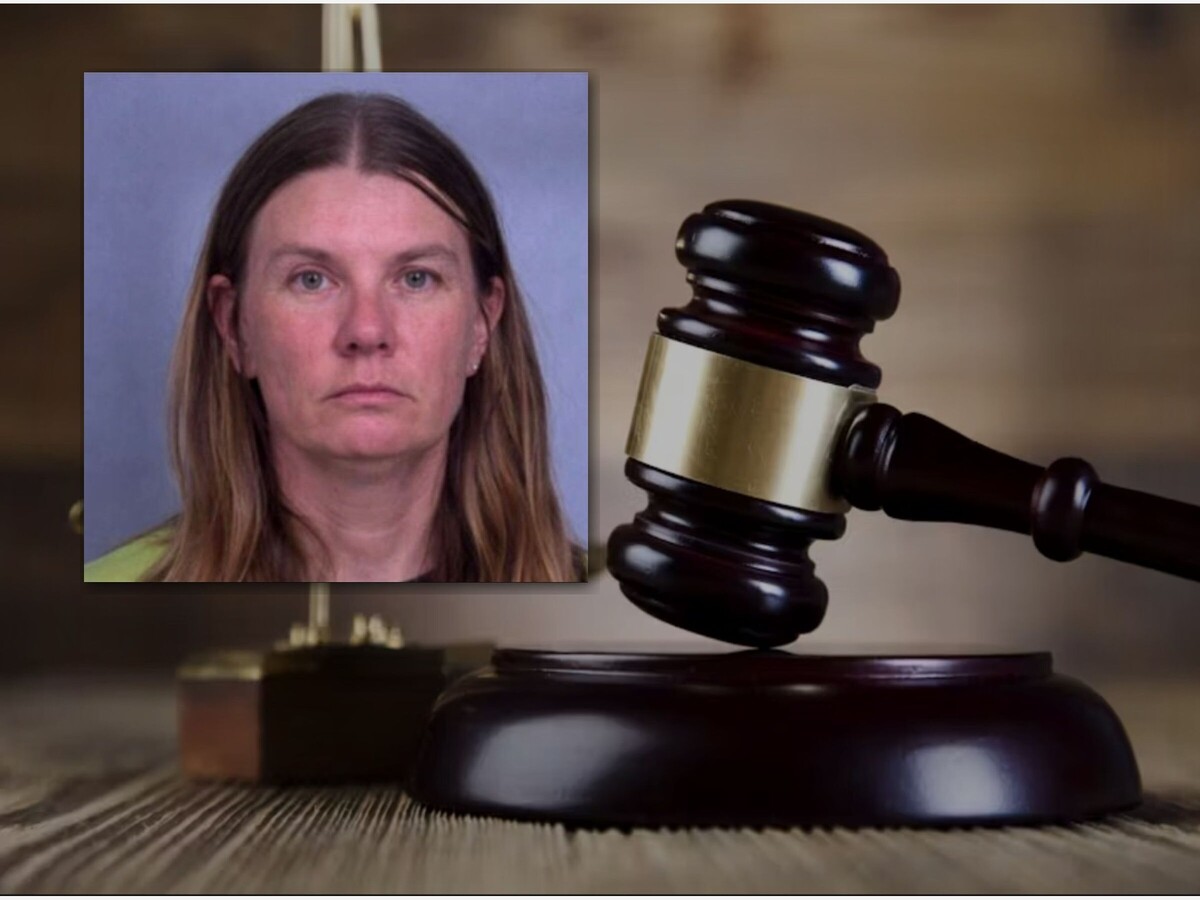



MINNEAPOLIS, MN (May 20, 2026) On Thursday morning, inside a federal courtroom in downtown Minneapolis, the years-long unraveling of the Feeding Our Future scandal will approach one of its most consequential moments when Aimee Bock, the founder and former executive director of Feeding Our Future, stands before U.S. District Judge Nancy E. Brasel for sentencing in what federal authorities have repeatedly described as the largest COVID-19 pandemic fraud scheme prosecuted in the United States.
Federal prosecutors are asking the court to impose a 50-year federal prison sentence.
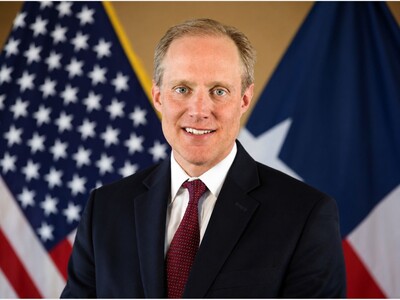
The request, outlined in a sentencing memorandum filed Monday by U.S. Attorney Daniel Rosen and federal prosecutors, represents one of the most severe sentencing recommendations ever pursued in a white-collar criminal case in Minnesota and underscores the extraordinary scale, visibility, and political fallout surrounding the Feeding Our Future prosecution.
Bock, 45, was convicted in March 2025 following a high-profile federal trial in Minneapolis that concluded with jurors finding her guilty on multiple felony counts, including wire fraud, federal programs bribery, conspiracy to commit wire fraud, and conspiracy to commit federal programs bribery.
At the center of the government’s case is a staggering allegation: that during the height of the COVID-19 pandemic, while schools across Minnesota remained shuttered and emergency federal feeding programs expanded to prevent child hunger, Feeding Our Future transformed itself into the administrative hub of a sprawling criminal enterprise that exploited those emergency systems for massive personal enrichment.
Federal investigators estimate the broader network targeted approximately $300 million in federal child nutrition reimbursements, while prosecutors directly attribute more than $242 million in fraudulent program losses to meal sites personally certified under Bock’s oversight.
According to court filings and trial testimony, Feeding Our Future rapidly expanded during the pandemic, sponsoring nearly 300 meal distribution sites across Minnesota that collectively claimed to have served approximately 91 million meals to low-income children.
Federal prosecutors argued throughout trial that many of those claims were fictitious, mathematically impossible, grossly inflated, or connected to sites that barely operated legitimate feeding programs at all.
In their sentencing memorandum, prosecutors presented what they described as some of the clearest visual and documentary evidence of the fraud’s scope.
Among the exhibits included in the filing were photographs of a dilapidated and junk-filled building that prosecutors say falsely claimed to serve thousands of children daily. One image reportedly showed a law enforcement officer walking past the deteriorating site, which nonetheless generated massive federal reimbursement claims through the program.
Federal attorneys also highlighted checks bearing Bock’s personal signature, arguing the documents demonstrated her direct role in authorizing millions of dollars in federal payments to co-conspirators and fraudulent site operators throughout the network.
The filing further detailed text messages extracted from Bock’s cellphone that prosecutors say reflected both retaliation tactics and growing internal awareness of criminal exposure.
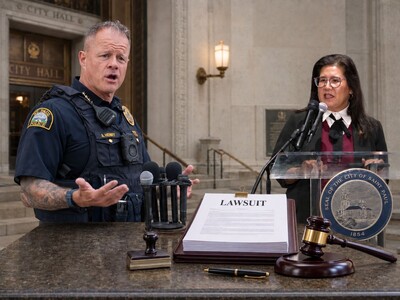
According to prosecutors, when site operators and community members began questioning Feeding Our Future’s activities, Bock instructed associates to “slap them with a defamation lawsuit.” In another exchange cited in court records, Bock referred to her organization as “the mob” following a confrontation with a program operator.
During trial testimony, Bock reportedly characterized the remark as sarcasm and described it as a joke referencing how aggressively the organization handled operational conflicts. Prosecutors, however, argued the messages reflected intimidation tactics designed to suppress scrutiny and maintain control over an increasingly fraudulent operation.
“The brazen and staggering nature of her crimes has shaken Minnesota to its core, leaving lasting damage and eroding public trust,” prosecutors wrote in the sentencing memorandum.
The government additionally argued that Bock has shown insufficient remorse and accused her of violating jail conditions while awaiting sentencing by directing her adult son to distribute protected legal discovery materials to media outlets.
Bock’s attorney, Kenneth Udoibok, has filed a sharply contrasting sentencing recommendation requesting a prison term of no more than 37 months, or slightly over three years.
The defense argues that federal prosecutors unfairly aggregated the conduct of numerous independent site operators and improperly attributed the full scale of the fraud network directly to Bock.
Throughout the case, Bock has maintained that while fraud may have occurred within the Feeding Our Future system, she did not knowingly orchestrate the criminal scheme prosecutors described. During trial proceedings, she argued she merely “missed some fraud” occurring beneath her oversight rather than intentionally directing it.
Federal prosecutors rejected that explanation forcefully in their filings, portraying Bock not as an overwhelmed administrator, but as the essential gatekeeper who enabled the entire structure to function.
The scale of the scandal transformed the case into one of the defining public corruption and financial crime investigations in modern Minnesota history.
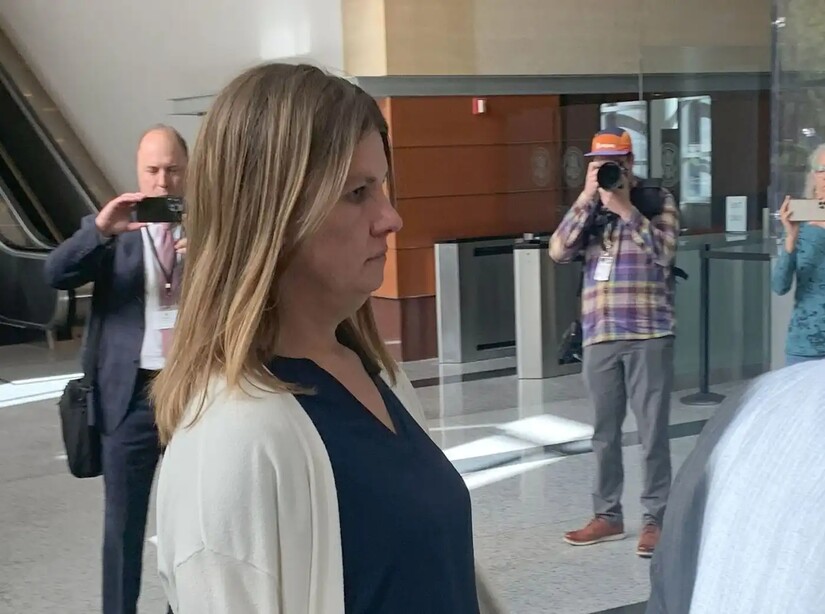
First indicted in September 2022, the Feeding Our Future investigation has since expanded into a sweeping federal prosecution involving dozens of defendants, millions of pages of records, extensive financial tracing, undercover operations, international money transfers, and one of the most publicly scrutinized criminal proceedings in the state in decades.
According to federal authorities, 79 individuals have been charged in connection with the fraud network, while at least 65 defendants have now been convicted through jury verdicts or guilty pleas.
One of the most severe sentences previously handed down in the case involved co-defendant Abdiaziz Shafii Farah, who received a 28-year federal prison term after conviction on multiple fraud and money laundering charges tied to the Empire Cuisine operation in Shakopee.
Yet even that sentence would pale beside the 50 years now sought for Bock.
The scandal has also generated continuing scrutiny of oversight failures inside the Minnesota Department of Education, which administered the federal nutrition reimbursements during the pandemic. Audits and investigative reviews later found that warning signs regarding Feeding Our Future had surfaced before the federal investigation became public, though state officials and federal authorities have disputed aspects of responsibility and oversight failures.
Beyond the courtroom, the case has left broader social and political consequences across Minnesota.
For many residents, the scandal became a symbol of the vulnerabilities exposed during the pandemic, when emergency federal money moved rapidly through systems operating under extraordinary pressure and reduced oversight.
The case has also produced painful tensions inside Minnesota’s East African communities, where many Somali-American leaders have repeatedly stressed that the overwhelming majority of community members had no involvement in the crimes alleged by prosecutors and should not be collectively associated with the actions of defendants charged in the case.
Still, the magnitude of the fraud has remained impossible to ignore.
Federal authorities estimate that hundreds of millions of taxpayer dollars intended to feed vulnerable children during a global public health emergency instead flowed into shell companies, luxury purchases, commercial property acquisitions, international financial transfers, and personal enrichment schemes.
Much of the money, investigators say, is unlikely ever to be fully recovered.
Now, as Aimee Bock prepares to stand before Judge Brasel on Thursday morning, the court faces extraordinary sentencing latitude.
Under federal law, the maximum statutory exposure associated with Bock’s aggregated felony convictions is life imprisonment.
Whether the court embraces the government’s request for a half-century sentence or moves substantially lower, the decision is expected to become one of the defining judicial moments in the largest fraud prosecution Minnesota has ever seen.
MinneapoliMedia | Community. Culture. Civic Life.


Sunny, with a high of 71 and low of 48 degrees. Overcast during the morning, sunny during the afternoon, clear during the evening, overcast overnight.