Image
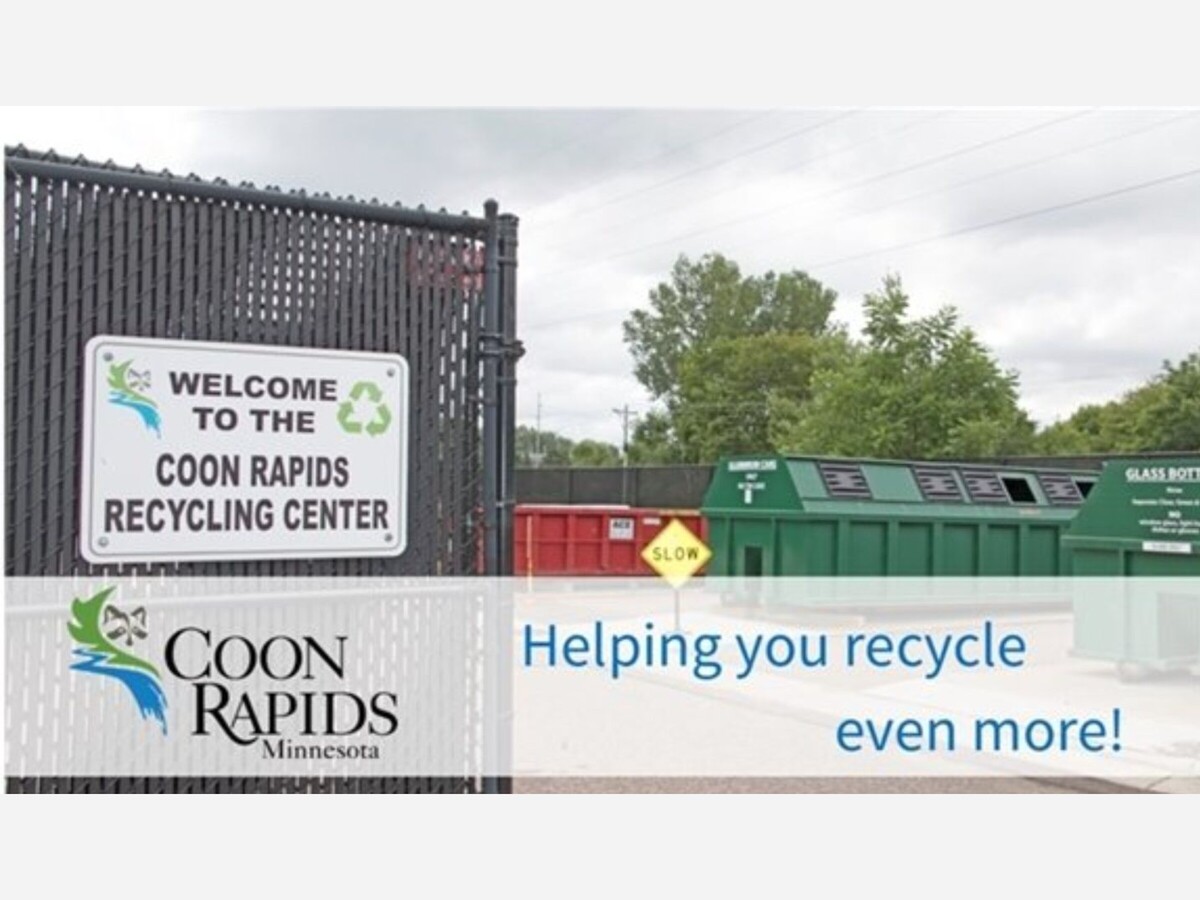



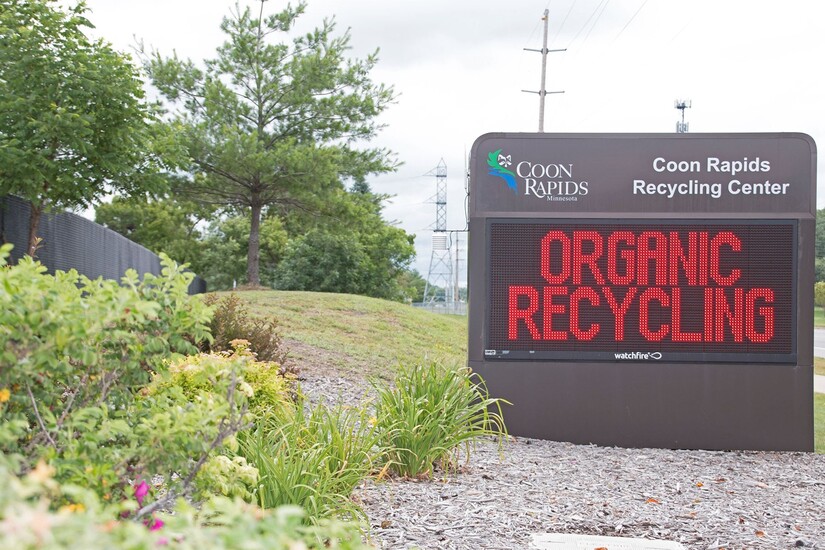
From garage cleanouts to home renovations and yard preparation, the months ahead typically bring a surge in materials that cannot be handled through curbside collection. The Recycling Center stands as the region’s answer to that demand, serving not just Coon Rapids, but the entirety of Anoka County.
Beginning April 1, the facility moved into its April through September schedule, a structure designed to expand access during peak usage months.
Current Operating Hours:
The extended Wednesday evening hours are particularly significant, offering working residents access beyond the traditional workday. It is a small adjustment with outsized impact, one that reflects how local government adapts to lived realities rather than static schedules.
To call the Recycling Center a disposal facility is to miss its broader purpose. It is, in practice, a carefully managed sorting and diversion hub that sits at the center of Anoka County’s environmental strategy.
Open to all Anoka County residents, the site accepts materials that fall outside standard recycling systems. This includes everything from electronics and appliances to scrap metal and specialty recyclables that require controlled handling.
The facility operates within a broader county goal of significantly increasing waste diversion and recycling rates, positioning local infrastructure like this as a frontline tool in reducing landfill dependency.
The Center’s operations reflect a balance between accessibility and the real costs of processing complex materials. While many items can be dropped off free of charge, others carry fees tied directly to handling, dismantling, and environmental compliance.
Items with Fees Include:
Accepted Free of Charge:
Payment methods reflect modern accessibility, with the facility accepting cash, check, credit cards, and mobile payment systems.
Efficiency at the site depends heavily on preparation. Residents are required to show proof of Anoka County residency, and while staff are present to guide traffic and sorting, unloading remains the responsibility of each visitor.
City guidance emphasizes several key practices:
Additional services, such as self-serve paper shredding, are available with a one-box limit per visit, while a rotating Reuse Room allows residents to exchange usable items like paint and household cleaners at no cost. These features quietly extend the life cycle of materials that might otherwise be discarded.
Despite its broad capabilities, the Recycling Center is not equipped to handle all forms of waste.
Residents are directed elsewhere for:
These boundaries are not limitations as much as they are safeguards, ensuring that materials are handled in environments designed for their specific risks.
What emerges from a closer look at the Coon Rapids Recycling Center is not just a list of rules or hours, but a reflection of how infrastructure quietly supports the rhythms of a community.
Spring does not announce itself only in warmer temperatures. It arrives in full garages, in old appliances dragged to the curb, in the steady decision by residents to clear space and start again. Facilities like this one absorb that moment, translating individual acts of cleanup into a collective effort toward sustainability.
In that way, the Recycling Center is not just a service. It is part of the civic fabric, one that connects household routines to regional environmental outcomes, one carload at a time.
MinneapoliMedia | Community. Culture. Civic Life.

Sunny, with a high of 76 and low of 42 degrees. Sunny during the morning, clear overnight.