70° and Heavy rain at times
Image



THE MOMENT BEFORE SOUND
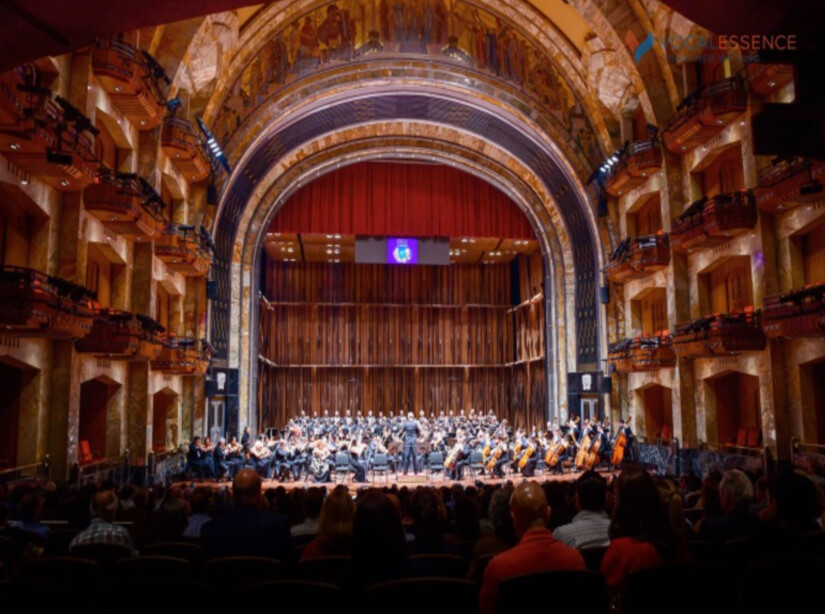
The room settles before anything happens.
There is no announcement, no cue from the house. Conversations taper on their own. Programs fold shut. A few late arrivals pause at the aisle rather than disrupt the quiet that has begun to form.
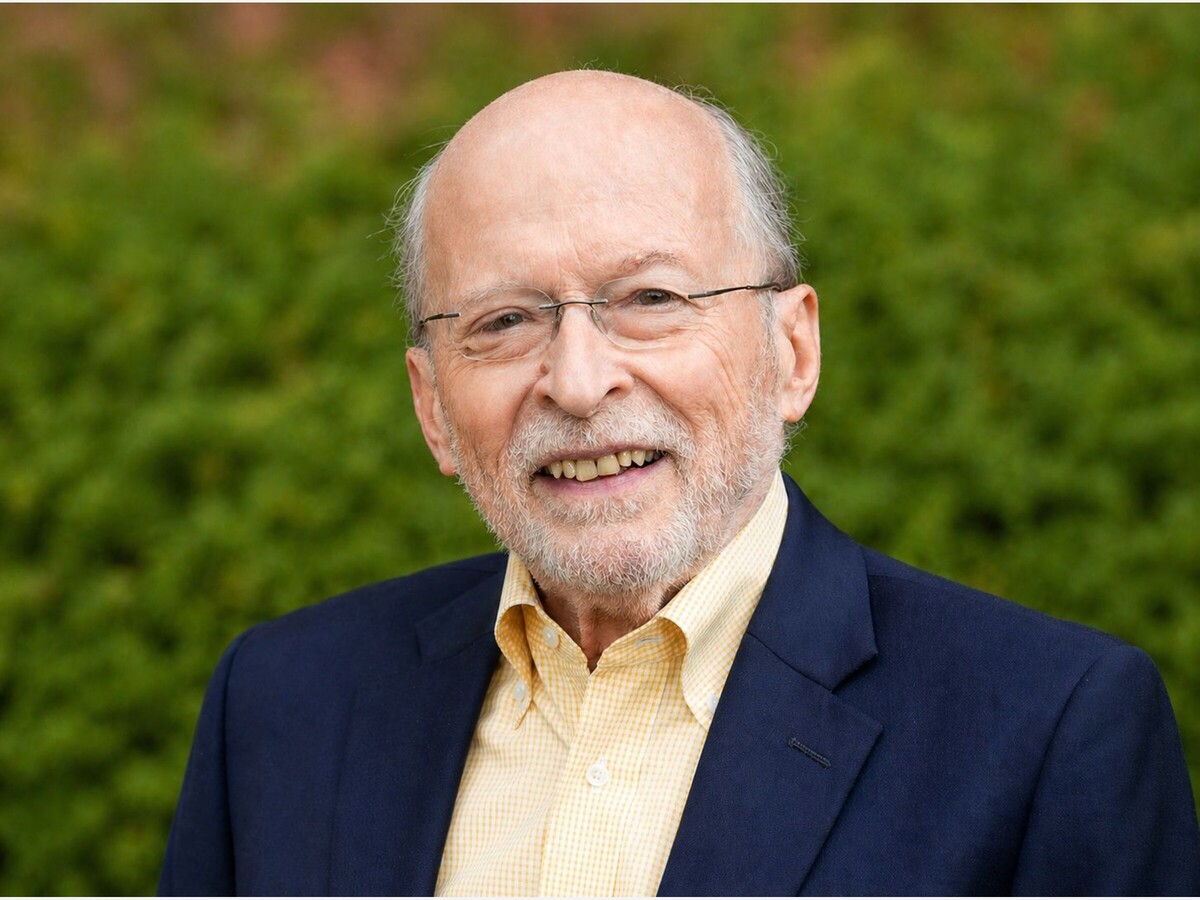
Onstage, the singers stand already prepared. Scores are open. Eyes are forward. There is no visible tension, but there is attention. It is shared.
When Philip Brunelle steps onto the podium, the shift is not dramatic. It is precise. He does not rush into motion. He lets the room arrive fully.
His hands rise.
They hold.
The silence extends just long enough to gather the ensemble and the audience into the same moment.
Then the downbeat.
The first chord enters without force. It is aligned. Each voice lands in place, not competing, not searching. The sound is unified from the outset.
For those who have attended performances by VocalEssence, this moment is familiar. It has occurred in churches, concert halls, and broadcast studios across the Twin Cities and beyond. It appears effortless.
It is not.
What happens in that opening measure is the result of a system that has been built over more than five decades. Rehearsals that begin on time and end with measurable progress. Commissioning decisions made years in advance. Financial structures that support risk without collapse. Audiences cultivated gradually, not assumed. Relationships with composers, singers, educators, and institutions maintained over time.
The sound arrives in seconds. The structure behind it does not.
This is where Brunelle’s work resides.
A LIFE ORGANIZED AROUND FUNCTION
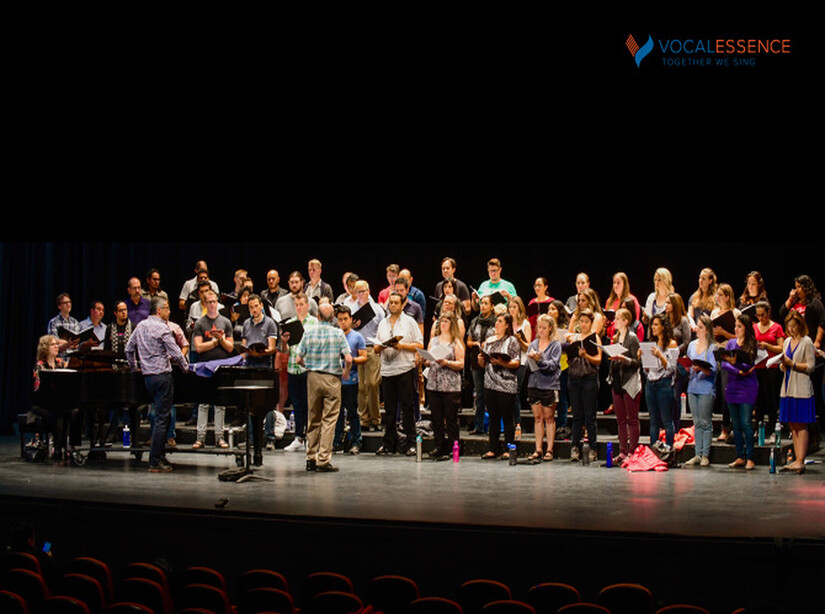
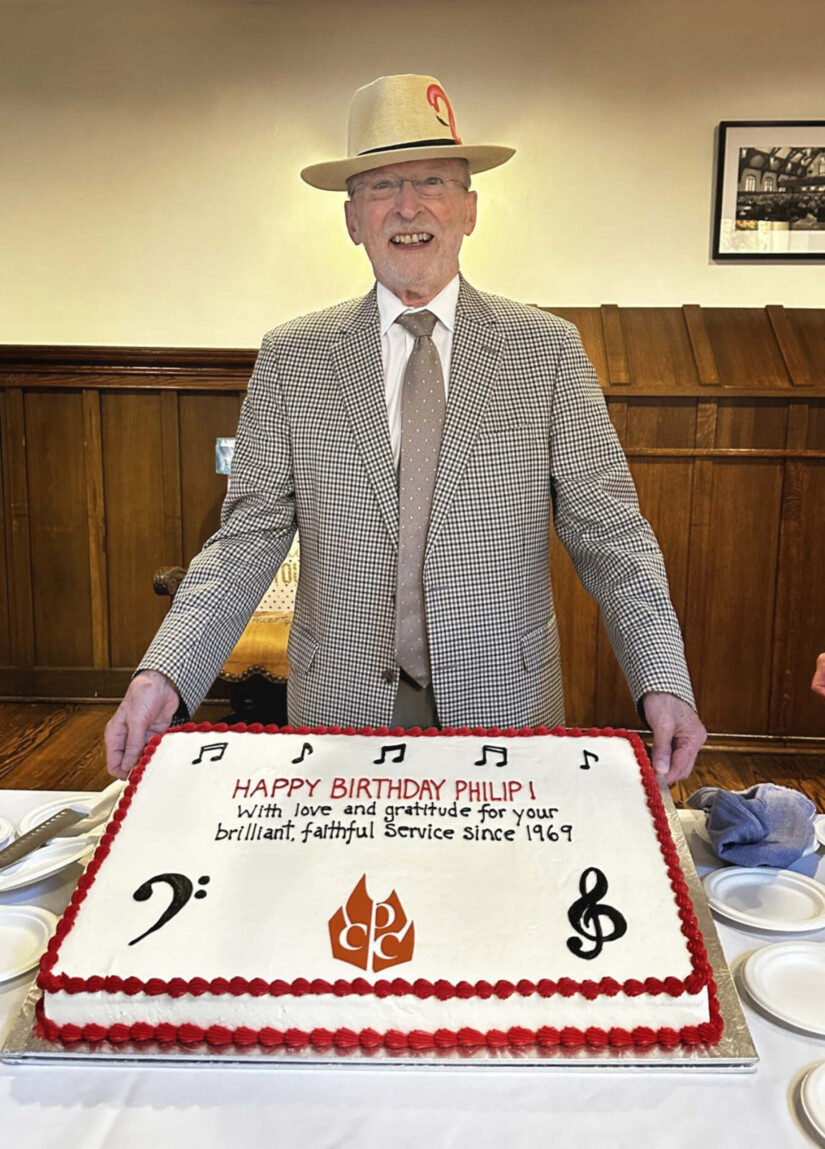
Philip Brunelle was born on July 1, 1943, in Faribault. His entry into music began early and without abstraction. Piano lessons started at age four. By adolescence, he was already working as a church organist, a role that requires not only technical skill but timing, responsiveness, and the ability to support a live environment.
This early exposure to functional music-making matters. It differs from purely academic training. In a church setting, music is not performed for its own sake. It is integrated into a broader structure that includes speech, ritual, and community participation. It must be reliable. It must serve.
Brunelle’s development followed that model.
When his father died at age 13, the family’s circumstances shifted. The loss introduced financial pressure and instability. Available accounts consistently indicate that his mother maintained a strong emphasis on continuity, particularly in education and discipline. Brunelle did not withdraw from music during this period. He moved further into it.
He continued his studies at the University of Minnesota School of Music, where he worked with Dominick Argento. Argento’s influence was not limited to instruction in composition. It introduced a working model in which new music was not secondary to established repertoire. It was necessary.
This distinction would later define Brunelle’s programming decisions.
At 19, Brunelle joined the Minnesota Orchestra as a pianist and percussionist. The position placed him inside a major performing organization at an early age. The lessons were immediate and practical. Rehearsals followed a structure. Time was limited. Precision was expected. There was no space for inefficiency.
He absorbed that model.
Years later, when describing his approach to building relationships with composers and institutions, Brunelle has framed it in direct terms: if you want something to happen, you ask. The statement is not rhetorical. It reflects a pattern of action that begins early and continues through his career.
1969 AND THE CREATION OF A SYSTEM
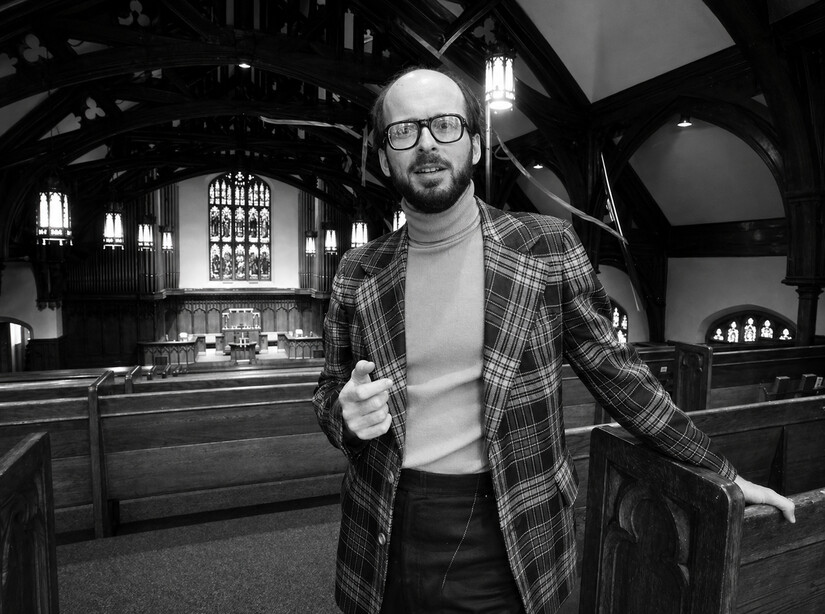
There are years in a career that mark progression. There are years that define direction.
For Brunelle, that year is 1969.
In a single calendar year, he assumed three roles that would establish the framework of his work:
Taken independently, each position carries institutional weight. Taken together, they form a coordinated system.
Plymouth Congregational Church provided stability. It offered a consistent physical space, a built-in community, and a regular schedule. It was not subject to the same financial volatility as independent arts organizations. It allowed for continuity.
Minnesota Opera provided scale. It offered access to large productions, professional singers, orchestras, and audiences accustomed to formal performance. It required a different level of coordination and risk.
The Plymouth Music Series, later VocalEssence, provided independence. It was not bound by the expectations of an existing institution. It could commission new work, test programming ideas, and build an audience from the ground up.
Together, these roles allowed Brunelle to operate across three levels simultaneously:
This structure reduced vulnerability. If one area faced constraints, the others continued. It also created a feedback loop. Ideas developed in one setting could be refined and expanded in another.
This is not a common arrangement. Most conductors work within a single institutional framework. Brunelle built multiple, interconnected ones.
REHEARSAL AS INFRASTRUCTURE
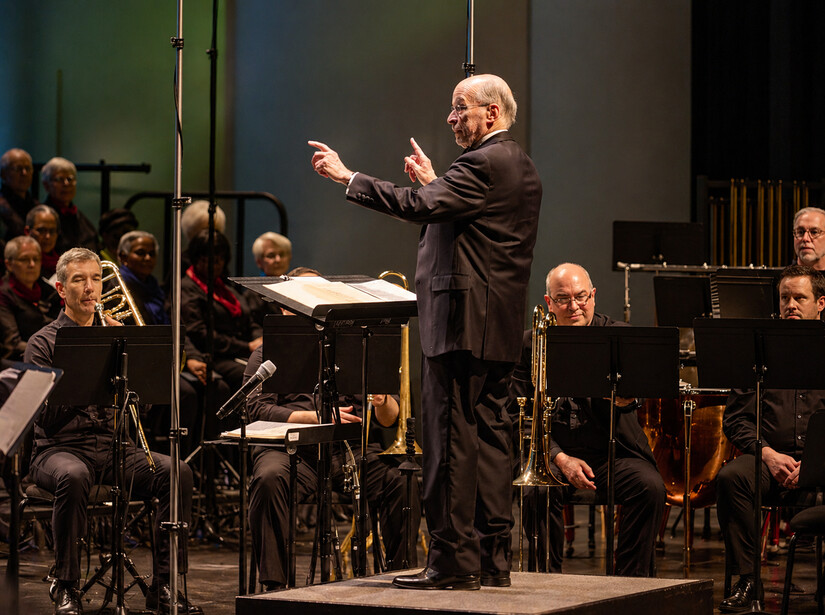
A rehearsal is not a performance. It is where the system becomes visible.
At Plymouth Congregational Church, rehearsals begin without delay. Singers arrive with preparation already in place. Scores are marked. The expectation is clear before the first note is sung.
Brunelle moves through material quickly. Sections are isolated, corrected, and reintegrated. Instructions are concise.
“Balance the line.”
“Watch the release.”
“Listen across.”
Each directive is tied to a specific issue. There is no extended explanation. The ensemble adjusts and continues.
This approach reflects the environment in which Brunelle trained. Time is limited. Efficiency is required. The goal is not discussion. It is execution.
Musicians who have worked within this system describe a consistent experience. The rehearsal is structured. Expectations are explicit. There is little tolerance for drift. The result is that complex works, including newly commissioned pieces, can be prepared within defined time constraints.
This is not incidental to the organization’s success. It is central to it.
Without this level of rehearsal discipline, a commissioning-heavy organization like VocalEssence would not be able to maintain its output. New works require more time, not less. They do not carry the familiarity of established repertoire.
The rehearsal becomes the mechanism through which that challenge is managed.
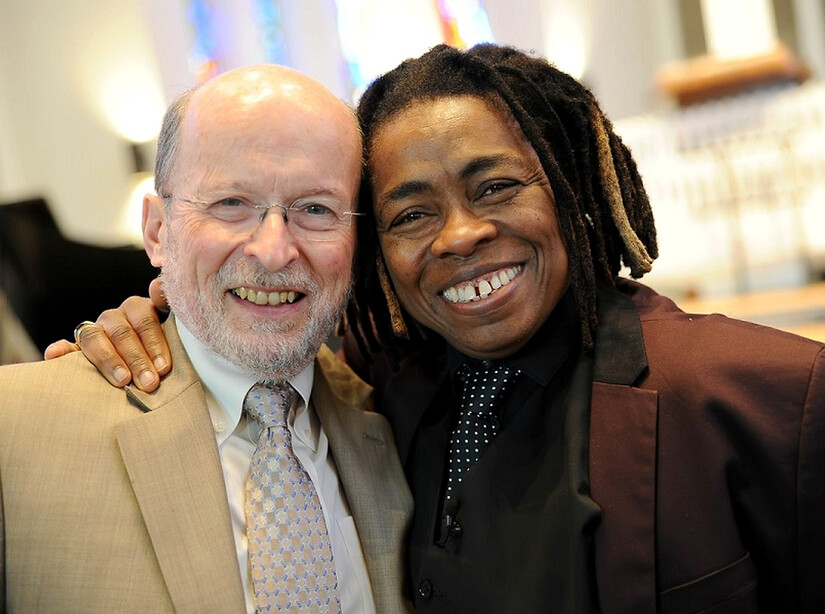
In 1969, when Philip Brunelle assumed the role of music director at Minnesota Opera, the organization was still establishing its identity. Then known as Center Opera, it did not yet carry the national profile it would later develop. Its programming, like many regional companies at the time, relied heavily on established European repertoire.
Brunelle did not reject that model outright. He altered it.
The shift was measurable. During his 17-year tenure, the company expanded its presentation of contemporary American opera. Among the most significant productions were Postcard from Morocco in 1971 and The Voyage of Edgar Allan Poe in 1976, both by Dominick Argento, Brunelle’s former teacher at the University of Minnesota School of Music. These works required extended rehearsal schedules and introduced audiences to compositions without established performance histories.
Programming contemporary opera is not a neutral decision. It carries financial implications. Production costs for a new work are comparable to those of a canonical opera, but audience familiarity is lower. Marketing requires additional effort. Critical reception is uncertain.
Brunelle’s approach was to integrate these works into balanced seasons rather than isolate them. Established repertoire remained present. New works were placed alongside it, allowing audiences to encounter unfamiliar material within a familiar framework.
He also conducted American operas such as The Tender Land and Paul Bunyan, both of which diverge from the Italian and German traditions that dominate standard opera programming. These selections reinforced a broader shift toward American composition.
The impact of these decisions extended beyond individual productions. They contributed to a change in institutional identity. Minnesota Opera developed a reputation for engaging with contemporary work, a reputation that persisted after Brunelle’s departure in 1985.
That outcome was not guaranteed at the outset. It required sustained programming decisions over multiple seasons, audience cultivation, and administrative support.
It also required tolerance for uncertainty.
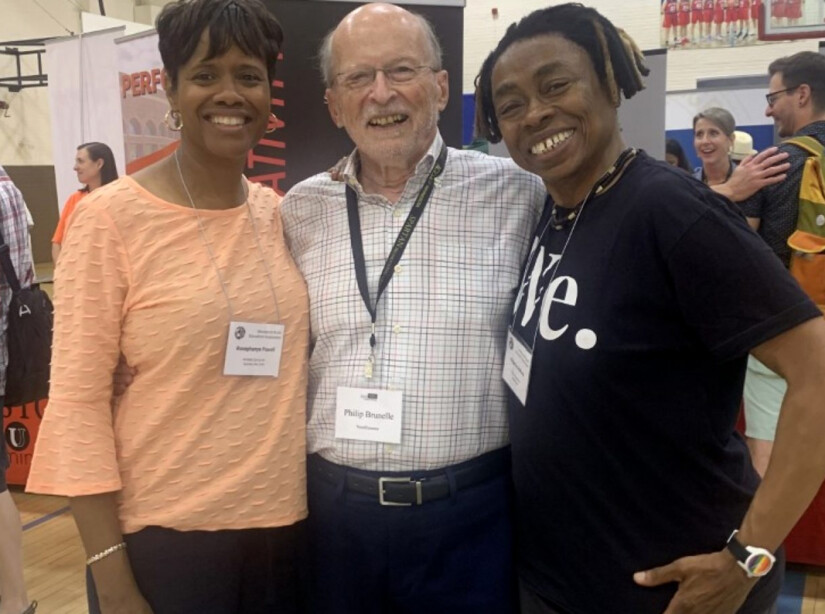
If Minnesota Opera represents Brunelle’s work within an established institution, VocalEssence represents his independent platform for long-term development.
From its founding in 1969, VocalEssence has maintained a consistent emphasis on commissioning new work. According to organizational records, the group has commissioned more than 300 compositions over the course of its history. These works include contributions from composers based in Minnesota, such as Dominick Argento, Stephen Paulus, and Libby Larsen, as well as national and international figures.
Commissioning is often described in general terms. In practice, it is a multi-stage process that requires coordination across artistic and administrative domains.
A composer is identified based on artistic fit and programming needs. Funding is secured, often through a combination of grants, donor support, and institutional resources. The composer develops a work, sometimes in consultation with the conductor and performers. Rehearsals are scheduled, often requiring additional time due to the absence of performance history. The work is premiered, recorded, and, in some cases, published for wider use.
Each stage carries risk.
A composition may not resonate with audiences. Rehearsal demands may exceed expectations. Funding may fall short. The premiere may receive mixed critical response.
VocalEssence has sustained this process over decades. That continuity is itself a measurable outcome.
Brunelle has articulated the underlying rationale in interviews and public remarks. The field of choral music depends on the creation of new repertoire. Without it, programming becomes limited to existing works, and the range of expression narrows.
This position is not theoretical. It is operationalized through consistent commissioning activity.
The result is a body of work that extends beyond a single organization. Compositions premiered by VocalEssence are performed by other ensembles, incorporated into academic study, and recorded for broader distribution.
The commissioning engine does not produce a single outcome. It produces a cumulative effect.
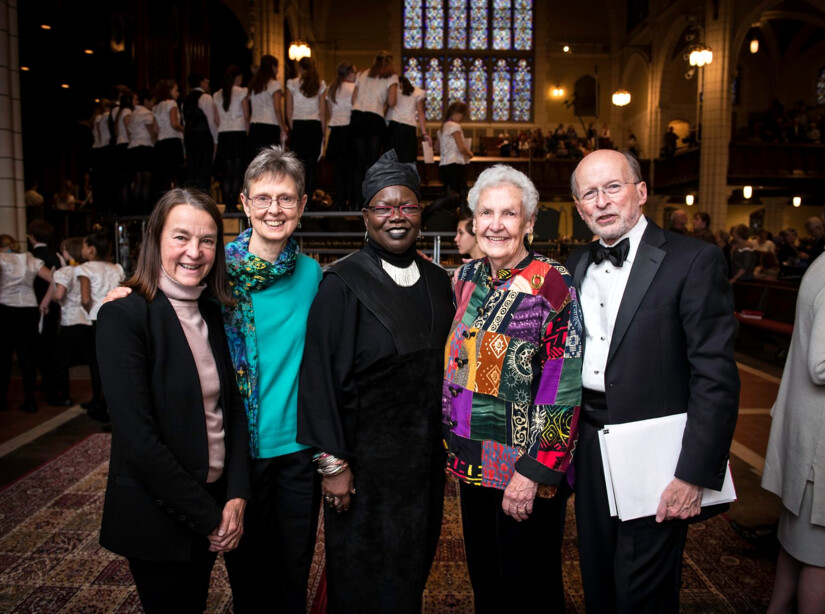
A Witness: Music of the African American Tradition concert does not resemble a standard choral program in pacing or sound.
The repertoire includes spirituals, gospel music, and contemporary works rooted in African American musical traditions. The rhythmic structure differs. The relationship between choir and audience shifts. Participation is more immediate.
The series, presented by VocalEssence on a recurring basis, is not a one-time initiative. It is a structural component of the organization’s programming.
This distinction is critical.
In many institutions, programming that highlights specific cultural traditions appears as a special event or limited engagement. The Witness series operates differently. It is integrated into the regular season, with repeat presentations and ongoing development.
Guest artists are frequently involved, bringing additional expertise and perspective. Community participation is also a component, connecting the performance to a broader audience base.
The continuity of the series has produced measurable outcomes. It has become one of the organization’s most recognizable programs. Audience attendance patterns indicate sustained interest. The repertoire has expanded over time to include both traditional and newly commissioned works.
The series also intersects with broader conversations about representation within classical music institutions. By maintaining a consistent platform for African American musical traditions, VocalEssence contributes to a shift in how repertoire is defined.
This shift is incremental. It is reinforced through repetition.
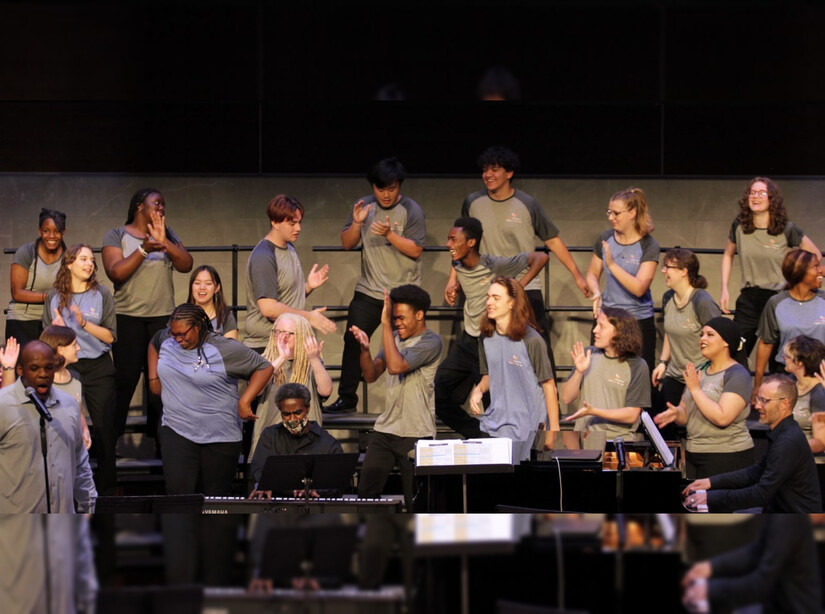
In the 1970s, Brunelle’s work extended beyond the concert hall through appearances on A Prairie Home Companion. The program, hosted by Garrison Keillor, combined music, storytelling, and humor in a format that reached a national audience.
Choral performance, presented within this context, reached listeners who might not attend a formal concert. The medium altered both scale and accessibility.
Brunelle’s involvement with the program included regular appearances during its early years. The exposure increased recognition for VocalEssence and introduced its sound to audiences beyond Minnesota.
The collaboration extended to live performances in major cities, including Chicago and San Francisco. These appearances reinforced a national presence and connected the organization to a broader network of listeners.
Radio does not replicate the acoustic experience of live choral music. It changes it. Balance, clarity, and microphone placement alter the sound. For Brunelle, this required adaptation.
The result was a different kind of performance, one that prioritized clarity of line and textual intelligibility for broadcast.
The shift expanded the reach of the work. It also required the system to function in a new medium.
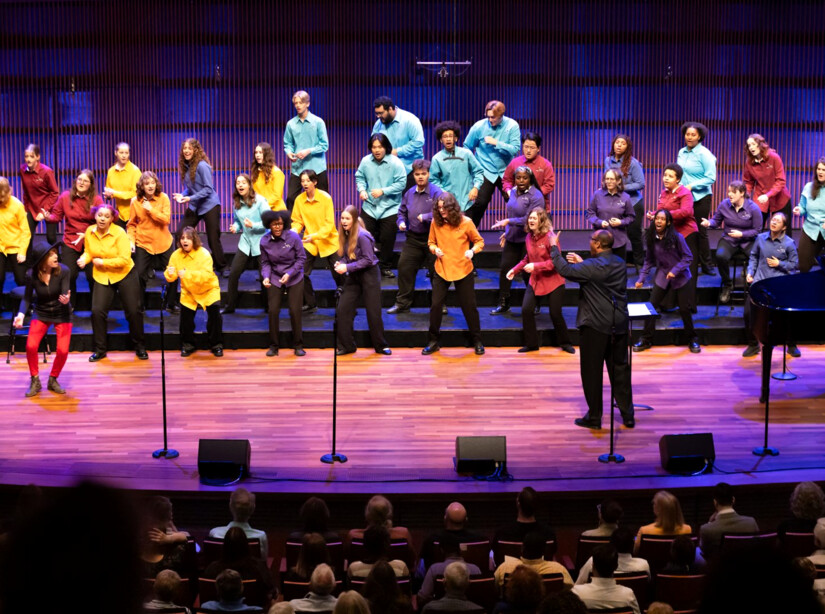
In March 2020, rehearsals stopped.
Public health directives prohibited large gatherings. Choirs, which depend on proximity and shared breath, were among the first activities to be suspended. The impact on choral organizations was immediate.
For VocalEssence, the disruption affected every aspect of operation: rehearsals, performances, ticket revenue, and community engagement.
The response required rapid adjustment.
The organization transitioned to virtual programming. Singers recorded individual parts from separate locations. Audio and video were assembled through digital editing into cohesive performances. Online events replaced in-person concerts.
This model differs fundamentally from live choral performance. Synchronization is achieved through editing rather than real-time listening. Acoustic blending is simulated rather than produced in a shared space.
Despite these limitations, the approach allowed continued activity.
The transition also required logistical coordination. File sharing, recording standards, and editing workflows became central to the process. Artistic direction had to account for the constraints of remote performance.
Brunelle’s role during this period reflected his broader approach to continuity. Public statements and interviews during the pandemic emphasized the importance of maintaining connection through music, even when traditional formats were unavailable.
The organization’s ability to sustain programming during this period reflects the strength of its existing relationships with singers, audiences, and supporters.
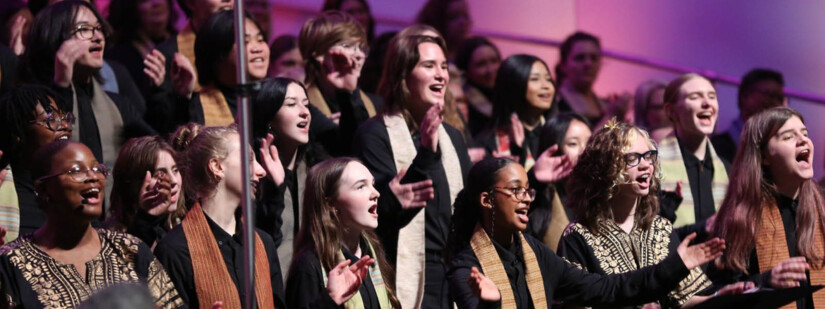
The pandemic did not occur in isolation. It coincided with broader social and civic developments that intensified public discussion around equity, representation, and institutional responsibility.
Cultural organizations faced questions regarding their role in these conversations.
VocalEssence’s existing programming provided a framework for response. The Witness series, ongoing commissioning of new work, and established community partnerships aligned with broader cultural discussions.
The organization continued to present programming that addressed contemporary themes, both through new commissions and through the selection of existing repertoire.
The ability to maintain this activity during a period of disruption reflects a level of institutional stability that had been developed over time.
Continuity, in this context, is not the absence of change. It is the capacity to adapt without losing function.

By the late 1980s, the structure Brunelle built in Minnesota was no longer operating in isolation. Its output, particularly through VocalEssence, had begun to intersect with international choral networks.
This expansion did not occur through a single event. It developed through a series of invitations, collaborations, and festival engagements that connected Brunelle’s work to broader global practices.
He conducted in multiple countries across Europe and Asia, participating in festivals, guest engagements, and symposia that brought together conductors, composers, and ensembles from different traditions. These events function as exchange points. Repertoire is shared. Techniques are observed. Standards are compared.
Minnesota, through this activity, became part of that exchange.
The recognition that followed is documented and specific. Brunelle was named a Commander of the Royal Norwegian Order of Merit. He was granted honorary membership in the Order of the British Empire. He received Hungary’s Kodály Medal, Mexico’s Ohtli Medal, and Sweden’s Royal Order of the Polar Star.
These honors are not ceremonial in the abstract. They are awarded by national governments or cultural institutions to individuals who have contributed to international cultural exchange and artistic leadership.
In practical terms, they reflect external validation of work that had already been sustained internally.
The significance is twofold.
First, it confirms that the system built in Minnesota operates at a level recognized beyond its immediate geography.
Second, it reinforces the reciprocal nature of cultural work. Brunelle’s engagements abroad introduced international repertoire and practices to Minnesota audiences and performers, while presenting Minnesota-based work to global audiences.
The exchange is not symbolic. It is operational.
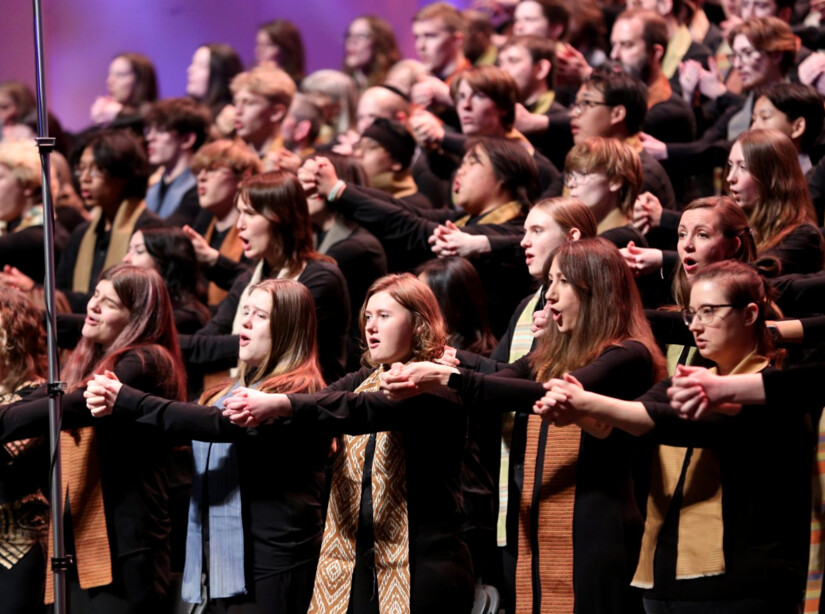
Institutions persist when their methods are transmitted.
Brunelle’s influence extends into education through teaching, mentorship, and writing. His association with the University of Minnesota and other institutions has included instruction for conductors, singers, and composers.
The content of that instruction reflects the same principles evident in his rehearsal practice: clarity, efficiency, and attention to ensemble function.
Students trained in this environment carry those methods into other organizations. Conductors adopt similar rehearsal structures. Singers apply expectations of preparation and balance. Composers engage with ensembles that are accustomed to learning new work.
This process is incremental. It does not produce immediate visibility. Over time, it shapes the broader field.
Brunelle has also contributed to professional discourse through writing, including columns in The American Organist. These writings address practical aspects of performance, repertoire selection, and institutional responsibility.
The combination of teaching and writing extends his influence beyond direct performance. It embeds his approach within the practices of other musicians and organizations.
Transmission is not an outcome of a single decision. It is the result of sustained engagement over time.
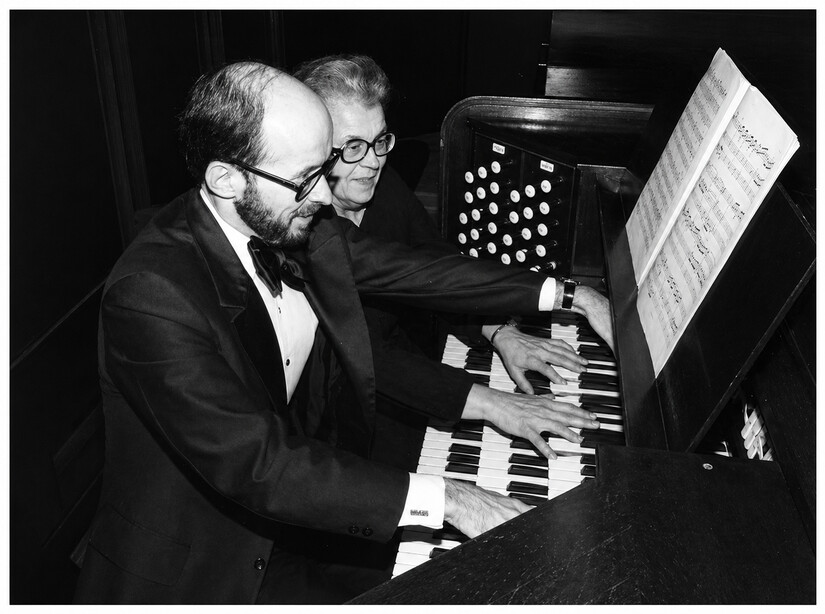
Performance is transient. Documentation extends its reach.
Brunelle’s recording work includes both opera and choral repertoire. Among the documented recordings are Benjamin Britten’s Paul Bunyan and Aaron Copland’s The Tender Land, as well as works by Dominick Argento.
Recordings produced by VocalEssence preserve performances of both established works and newly commissioned compositions. These recordings serve multiple functions.
They provide access for audiences beyond the concert hall. They create a reference for performers and educators. They contribute to the archival record of the organization’s programming.
Recording a choral work involves additional considerations beyond live performance. Balance must be adjusted for microphones. Acoustic space is controlled differently. Multiple takes may be required.
The process produces a different kind of document. It is not a replication of a live event. It is a constructed representation of it.
For an organization with a significant commissioning output, recording becomes particularly important. New works require documentation to enter broader circulation.
Without recording, many commissioned pieces would remain limited to their initial performances.
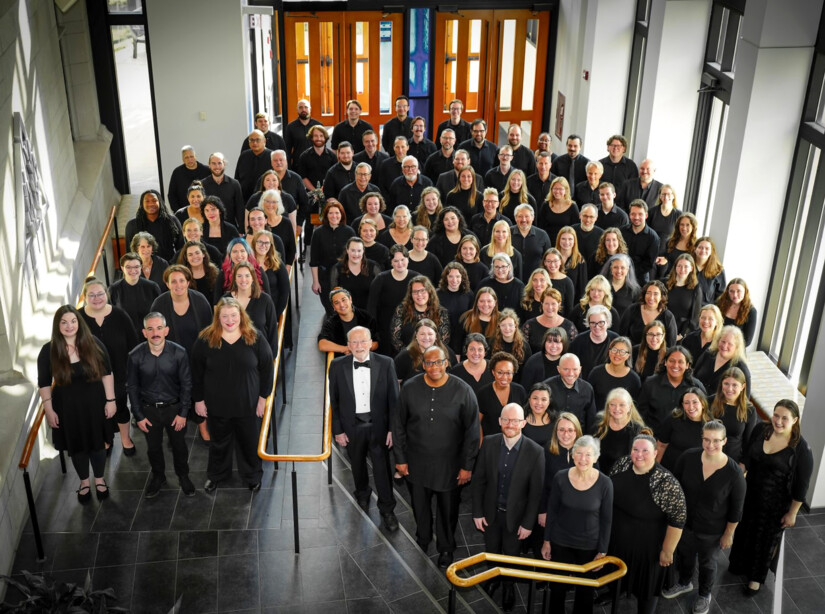
Evaluating Brunelle’s career requires moving beyond individual roles and examining cumulative outcomes.
The measurable elements include:
Each of these elements can be verified independently. Together, they describe a system that operates across multiple domains.
The system produces several outcomes:
Expanded repertoire. New works enter circulation, increasing the range of material available to ensembles.
Institutional continuity. Organizations continue to function across leadership transitions and external disruptions.
Audience development. Listeners engage with both established and contemporary works.
Professional standards. Musicians trained within the system apply its methods elsewhere.
Cultural exchange. Local work connects to international networks.
These outcomes are not immediate. They accumulate over time.
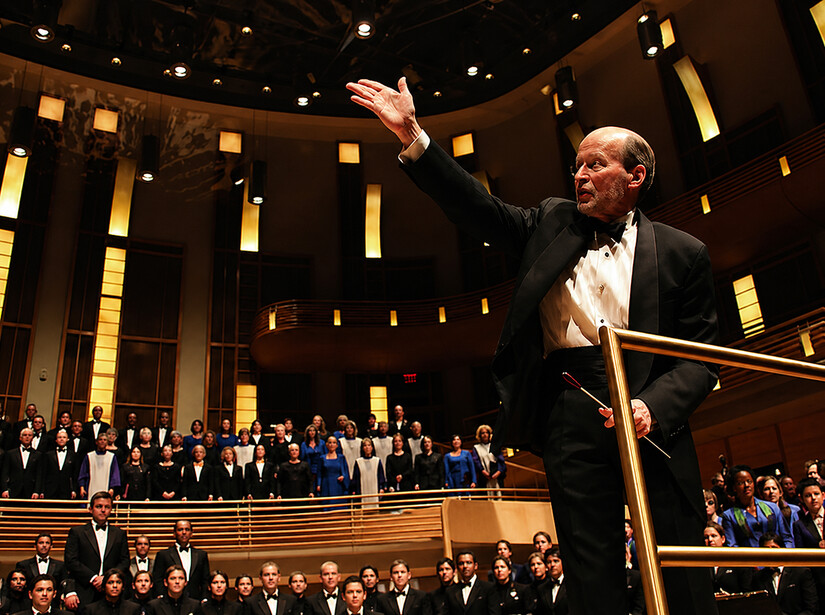
The performance ends.
The final chord resolves and releases. The audience responds. Applause fills the space, then dissipates as people begin to leave. Programs are folded and set aside. Conversations resume.
Onstage, the singers close their scores.
The moment concludes.
What remains is not the sound. It is the structure that made the sound possible.
Rehearsals will begin again. New works will be commissioned. Another program will be assembled. The same system will operate, adjusted where necessary, but intact.
Brunelle’s role within that system has been consistent. He has conducted performances, led rehearsals, selected repertoire, and built organizations. The cumulative effect of those actions is visible in the institutions that continue to function.
Philip Brunelle’s career is defined by continuity.
The record includes documented positions, productions, commissions, and honors. It also includes the sustained operation of institutions that continue to produce music, engage audiences, and contribute to cultural life.
In Minnesota, that impact is measurable. VocalEssence remains active, with a programming model that reflects its founding principles. Minnesota Opera continues to present contemporary work alongside traditional repertoire. Plymouth Congregational Church maintains a music program that supports community engagement.
These outcomes are not isolated. They are connected.
The system that produces them was built over time, through decisions that balanced risk and stability, innovation and tradition.
The performances are visible. The structure is not.
That structure is the lasting contribution.
The performance ends. The sound fades. The audience leaves.
What remains is the structure.
Rehearsals continue. New works are commissioned. Another program is built. The system operates.
Brunelle’s work is not contained in a single performance or institution. It is present in the continuity that allows both to exist.
That continuity is built.
MinneapoliMedia | Community. Culture. Civic Life.



Patchy rain nearby, with a high of 91 and low of 68 degrees. Sunny in the morning, clear overnight.