Image
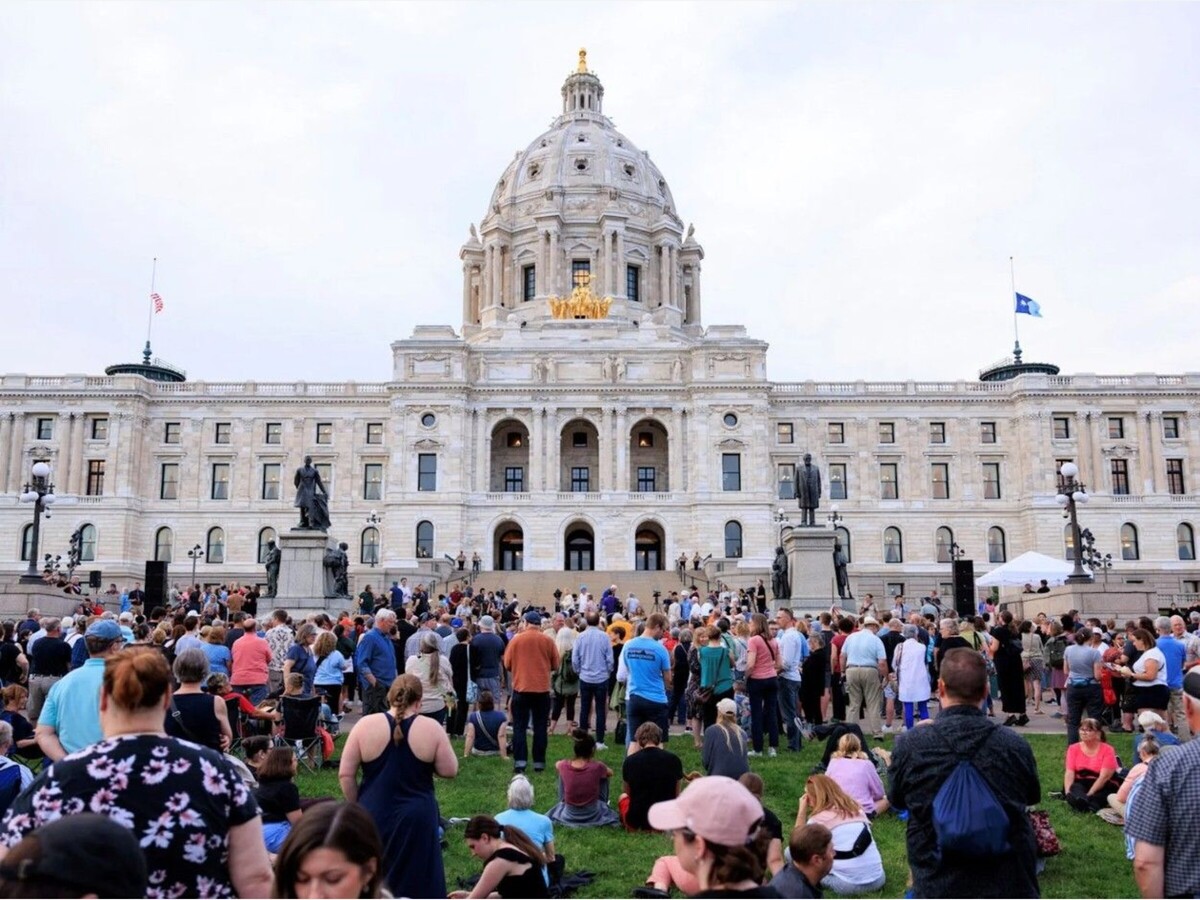



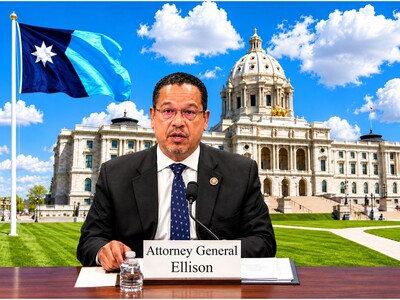
The legislation, Senate File 4067, passed the Senate on May 4, 2026, by a 34–33 vote, with all members of the Democratic-Farmer-Labor Party (DFL) voting in favor and all Republican members opposed. The bill represents one of the most expansive gun policy proposals considered in Minnesota in recent years.
The omnibus package includes multiple provisions aimed at reducing gun violence and regulating firearm access:
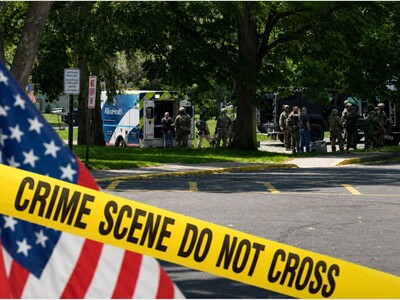
Lawmakers cited recent incidents of gun violence, including the 2025 shooting at Annunciation Catholic Church and School in Minneapolis, as a driving factor behind the legislation.
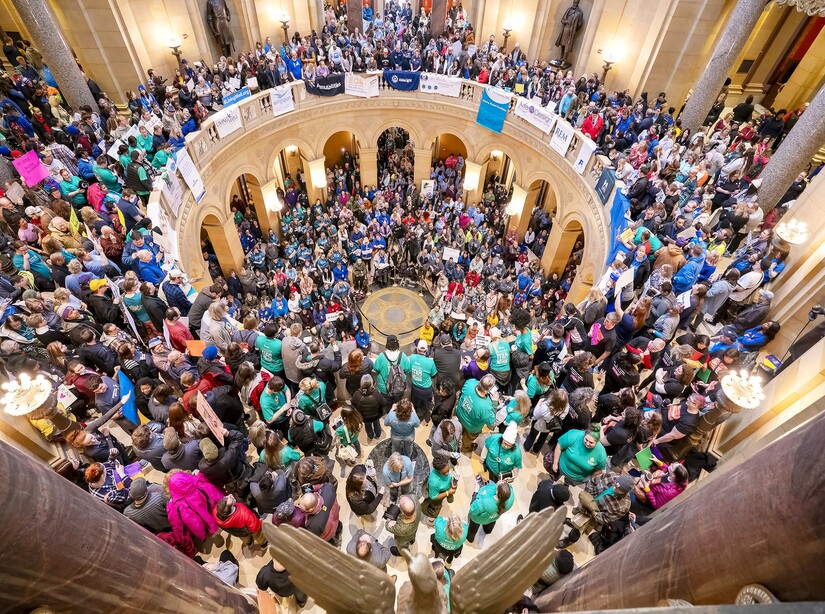
The bill now moves to the Minnesota House, where the chamber is tied 67–67, requiring 68 votes for passage. In practical terms, at least one Republican member would need to join DFL lawmakers for the measure to advance.
House Republican leadership, including Lisa Demuth, has publicly stated opposition to the bill’s core provisions, particularly the proposed firearm bans. Republican lawmakers have argued that such measures raise constitutional concerns and that policy efforts should instead prioritize enforcement of existing laws and expanded mental health resources.
DFL lawmakers have positioned the bill as a response to public safety concerns and constituent demand for stronger gun regulations. Emma Greenman, a Minneapolis Democrat, has pointed to polling data indicating significant public support for restrictions on semiautomatic weapons, signaling that public pressure may play a role in the House’s deliberations.
DFL leadership has indicated that securing bipartisan support remains a challenge but has not ruled out continued negotiations or amendments.
The legislation arrives during a high-stakes election cycle, with all 134 seats in the Minnesota House of Representatives on the ballot in November 2026. Both parties are expected to use the bill as a central campaign issue.
The evenly divided House reflects a broader political balance in Minnesota, where major policy changes increasingly depend on cross-party agreement.
With the legislative session approaching its scheduled adjournment, the timeline for House action is limited. Without bipartisan support, the bill is unlikely to advance in its current form.
The measure’s trajectory now hinges on whether negotiations can produce a version capable of securing at least one crossover vote, or whether the proposal will stall and shift into the political arena ahead of the November elections.
MinneapoliMedia | Community. Culture. Civic Life.


Sunny, with a high of 70 and low of 52 degrees. Sunny in the morning, clear in the afternoon and evening, patchy rain nearby overnight.