74° and Moderate rain at times
Image
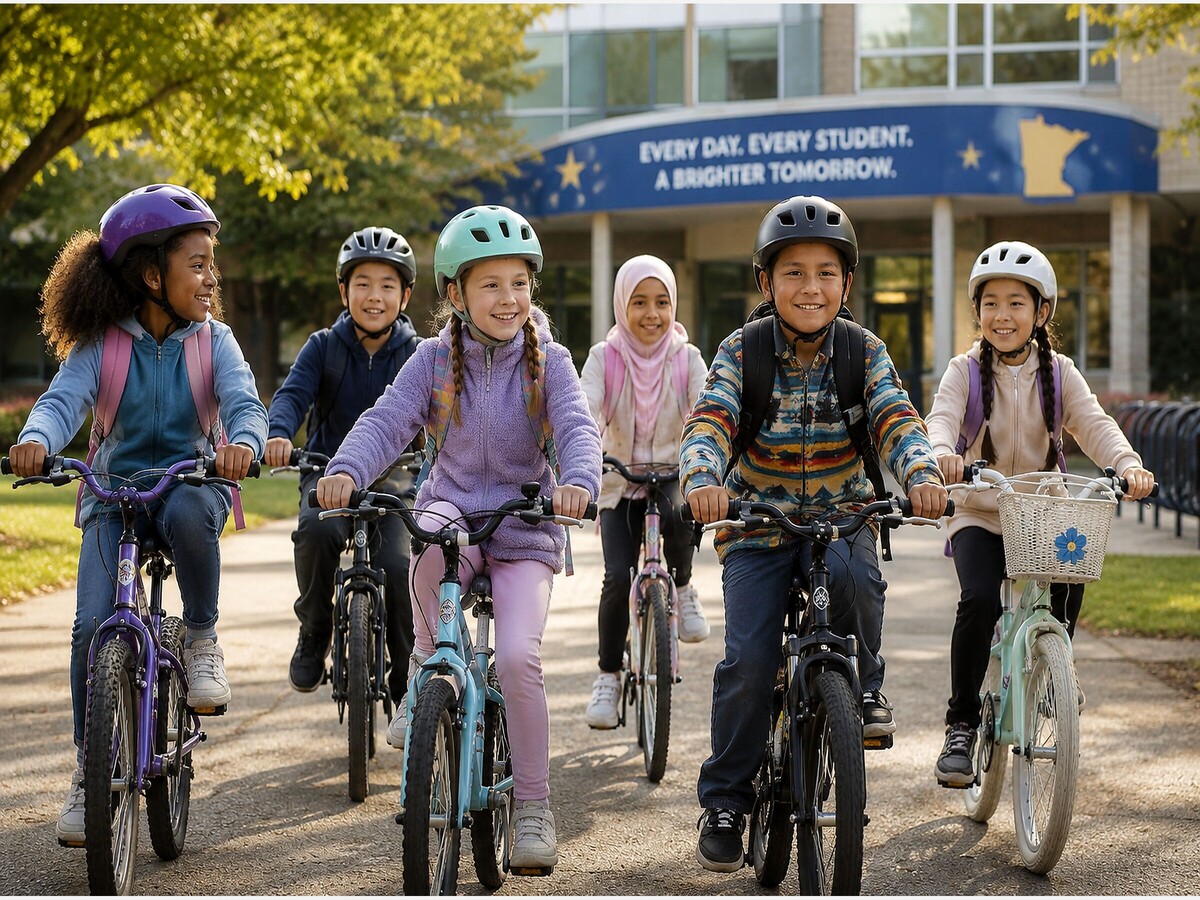



The annual event, held Wednesday, May 6, is a central component of Minnesota’s Safe Routes to School (SRTS) initiative, a statewide program designed to improve student safety while promoting walking, biking, and other forms of active transportation.
Bike and Roll to School Day is part of a national campaign coordinated through Safe Routes to School and Walk Bike to School. In Minnesota, the initiative is administered by MnDOT in partnership with schools, local governments, and community organizations.
While the official observance is May 6, schools are permitted to host events throughout the month, allowing flexibility based on weather, schedules, and local programming.
Participants typically include students, parents, school staff, and local law enforcement, with activities ranging from organized group rides to on-campus safety demonstrations.
State officials emphasize that the event reinforces classroom-based safety instruction. Minnesota law requires public schools to provide bicycle and pedestrian safety education, often delivered through curricula such as “Walk! Bike! Fun!” for students in kindergarten through eighth grade.
The event provides a practical setting for students to apply those lessons, including navigating intersections, using designated crossings, and understanding right-of-way rules.
MnDOT and public health partners identify three primary goals for the initiative:
Officials note that reducing vehicle traffic near school zones can also improve safety conditions and decrease localized congestion.
Communities across the state are adapting the event to local conditions:
These localized approaches reflect broader efforts to normalize active commuting while maintaining safety standards.
MnDOT and partner organizations, including the Bicycle Alliance of Minnesota, provide support tools to expand participation:
Transportation officials emphasize that Bike and Roll to School Day is intended as an entry point rather than a standalone event. The broader goal is to establish long-term safety habits and transportation awareness that extend into adolescence and adulthood.
The initiative aligns with statewide transportation safety strategies that prioritize education, infrastructure, and community engagement as key components of injury prevention.
Additional information, participation resources, and safety materials are available through MnDOT’s Safe Routes to School program and related public outreach channels.
MinneapoliMedia | Community. Culture. Civic Life.

Sunny, with a high of 88 and low of 69 degrees. Don't forget your umbrella! Overcast for the morning, moderate rain in the afternoon, patchy rain nearby in the evening, clear overnight.