Image




June 20, 2026
Ten days into the largest FIFA World Cup ever staged, the tournament crossed one of the most significant milestones in football history. On Saturday, June 20, World Cup match number 1,000 was officially played. The landmark occasion arrived in Monterrey, Mexico, where Japan delivered a dominant performance against Tunisia. Yet while the historic match understandably drew global attention, the broader story of Day 10 stretched across four cities and two groups as several nations either strengthened their positions for the knockout rounds or saw their tournament hopes begin to fade.
The Netherlands produced one of the most emphatic performances of the tournament so far, dismantling Sweden in Houston. Germany survived a stern challenge from Ivory Coast, requiring a dramatic stoppage-time winner to secure advancement. Curaçao authored another remarkable chapter in its improbable World Cup journey by holding Ecuador scoreless. Japan then closed the day by overwhelming Tunisia in the tournament's 1,000th match and officially eliminating the North African side from contention. By the end of the evening, Germany had secured its place in the Round of 32, and Tunisia became the latest nation eliminated. The Netherlands moved into firm control of Group F, Curaçao remained alive, Japan reinserted itself into qualification contention, and the final matchdays in Groups E and F suddenly became considerably more interesting. The tournament is no longer introducing teams to one another; it is beginning to sort contenders from survivors.
|
Match |
Score |
Venue |
Attendance |
Status |
|
Germany vs Ivory Coast |
2 – 1 |
BMO Field, Toronto |
— |
FT |
|
Ecuador vs Curaçao |
0 – 0 |
Arrowhead Stadium, Kansas City |
— |
FT |
|
Match |
Score |
Venue |
Attendance |
Status |
|
Netherlands vs Sweden |
5 – 1 |
NRG Stadium, Houston |
69,112 |
FT |
|
Japan vs Tunisia |
4 – 0 |
Estadio BBVA, Monterrey |
— |
FT |
|
Team |
Played |
Won |
Drawn |
Lost |
GF |
GA |
GD |
Points |
|
Germany |
2 |
2 |
0 |
0 |
9 |
2 |
+7 |
6 |
|
Ivory Coast |
2 |
1 |
0 |
1 |
2 |
2 |
0 |
3 |
|
Ecuador |
2 |
0 |
1 |
1 |
0 |
1 |
-1 |
1 |
|
Curaçao |
2 |
0 |
1 |
1 |
1 |
7 |
-6 |
1 |
|
Team |
Played |
Won |
Drawn |
Lost |
GF |
GA |
GD |
Points |
|
Netherlands |
2 |
1 |
1 |
0 |
7 |
3 |
+4 |
4 |
|
Japan |
2 |
1 |
1 |
0 |
6 |
2 |
+4 |
4 |
|
Sweden |
2 |
1 |
0 |
1 |
6 |
6 |
0 |
3 |
|
Tunisia |
2 |
0 |
0 |
2 |
1 |
9 |
-8 |
0 |
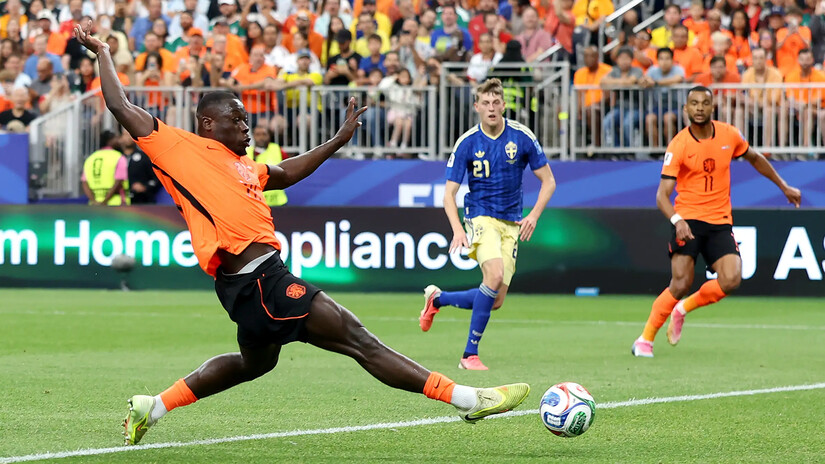
The day's action began at NRG Stadium in Houston with what appeared on paper to be one of the most balanced fixtures of the second round. Instead, it became one of the most one-sided tactical displays of the opening stage. The Netherlands entered the match after settling for a 2-2 draw against Japan in their opening fixture, while Sweden arrived following a convincing victory over Tunisia that had temporarily placed them atop Group F. Ronald Koeman deployed a highly fluid, attacking 4-3-3 shape engineered to unpick Sweden's lateral transition lines from the opening whistle.
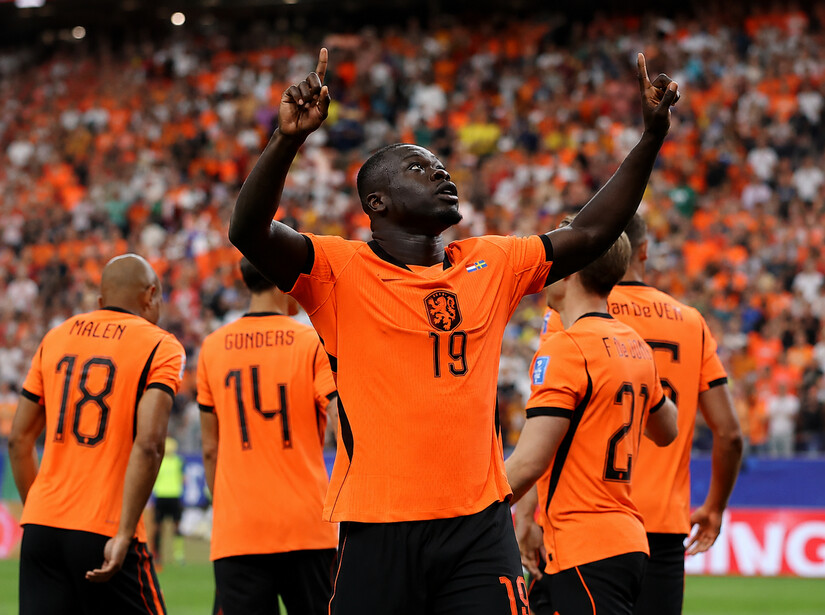
The breakthrough arrived almost immediately through structural exploitation. Just five minutes into the match, forward Brian Brobbey capitalized on early confusion in Sweden's central defensive pairing, latching onto a vertical ball from Jerdy Schouten and firing the Netherlands into a 1-0 lead. Twelve minutes later, Brobbey struck again. The second goal originated from another rapid sequence in which Sweden failed to organize quickly enough after losing possession in the midfield engine room. Brobbey's direct, physical movement repeatedly troubled Sweden's backline, and by the 17th minute, the Dutch selection had established complete technical control.
Whatever hopes existed for a Swedish second-half tactical adjustment vanished immediately after the restart. Cody Gakpo exposed Sweden's right flank, striking in the 47th minute to make it 3-0 before adding his second of the afternoon just seven minutes later via a clinical cut-back.
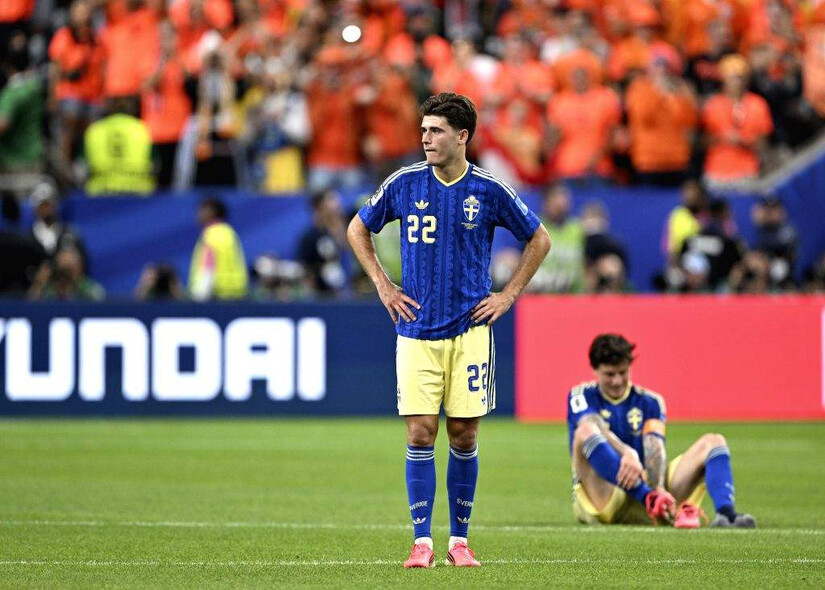
Sweden eventually found a minor response through substitute Anthony Elanga in the 59th minute, assisted by a neat flick from Alexander Isak, but the momentum was entirely short-lived. Substitute Crysencio Summerville completed the rout in the 89th minute, adding a fifth goal that perfectly reflected the scale of Dutch superiority. Koeman's side won transitions, dictated possession, and consolidated their goal difference to seize command of Group F.
While the Netherlands cruised, Germany faced an exhausting, high-stakes afternoon at BMO Field in Toronto. The Germans entered seeking a victory that would guarantee early mathematical advancement, but Emerse Faé's Ivory Coast selection presented a remarkably disciplined physical block. The Ivorians arrived organized in a compact 4-5-1 mid-block ring, intent on choking the half-spaces and frustrating Julian Nagelsmann's creative outlets.
The breakthrough came from the African side in the 30th minute. Capitalizing on a rare lapse in the German central defense, veteran midfielder Franck Kessié manufactured space inside the area, unleashing a powerful finish past Marc-André ter Stegen to stun the stadium and hand Ivory Coast a 1-0 lead. For the first time in the tournament, Germany found its psychological command tested, struggling to reestablish an attacking rhythm prior to the interval.
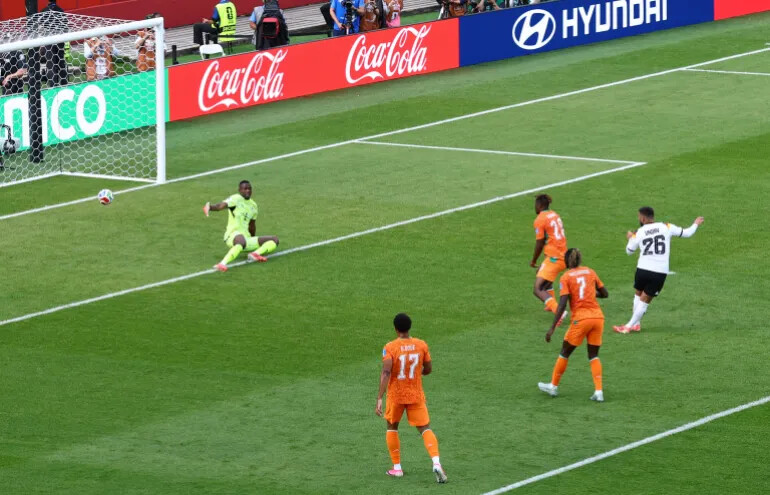
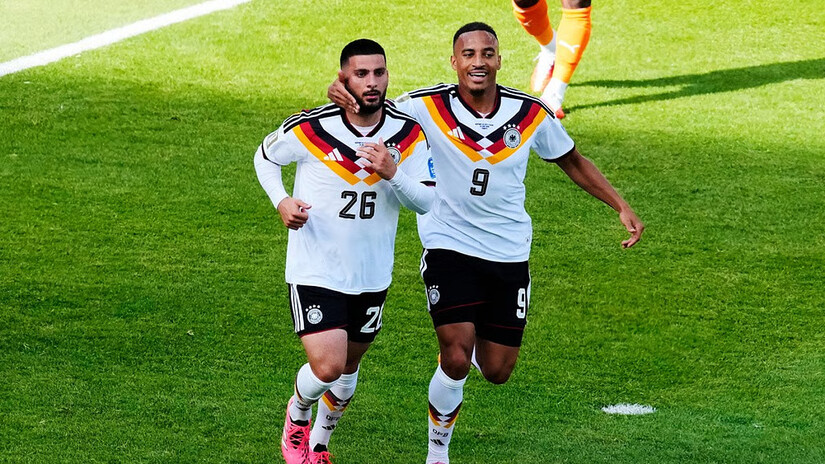
Recognizing the tactical stagnation, Nagelsmann executed a decisive, triple intervention in the 59th minute. Deniz Undav, Jamie Leweling, and Nadiem Amiri entered the pitch simultaneously, instantly accelerating Germany's transition speed. The tactical gamble paid dividends nine minutes later: Amiri threaded an exceptional ball through the interior lines, allowing Undav to supply a clinical finish to level the score at 1-1.
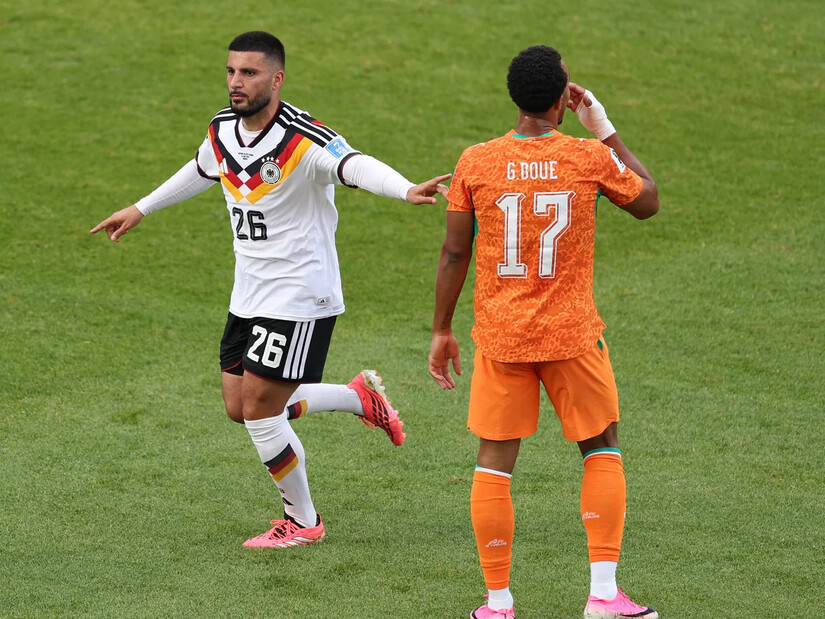
The decisive climax arrived deep into stoppage time. In the 94th minute, as Ivory Coast dropped into a desperate low block to salvage the point, Undav exploited a loose ball on the edge of the six-yard box, driving home the match-winner to ignite wild celebrations. The 2-1 victory mathematically clinches Germany's place in the Round of 32, proving their capacity to solve elite defensive puzzles under immense pressure.
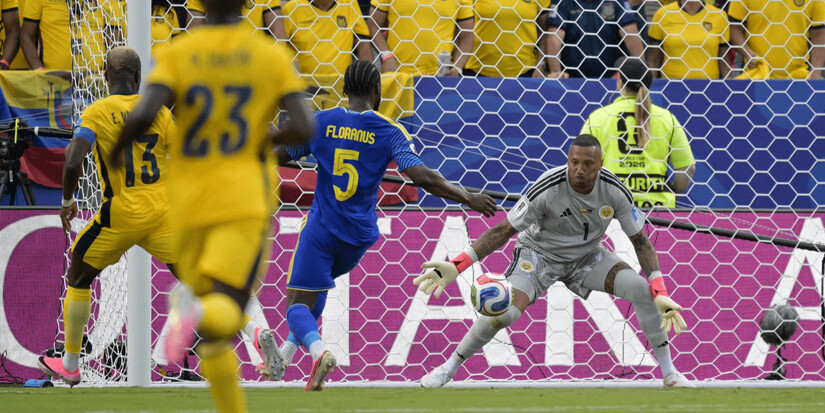
While Germany battled in Toronto, another Group E fixture unfolded at Arrowhead Stadium in Kansas City, yielding the tournament's most remarkable defensive stand. On paper, Ecuador entered as heavy statistical favorites; by the final whistle, Curaçao emerged with a monumental scoreless draw that keeps their improbable World Cup journey alive.
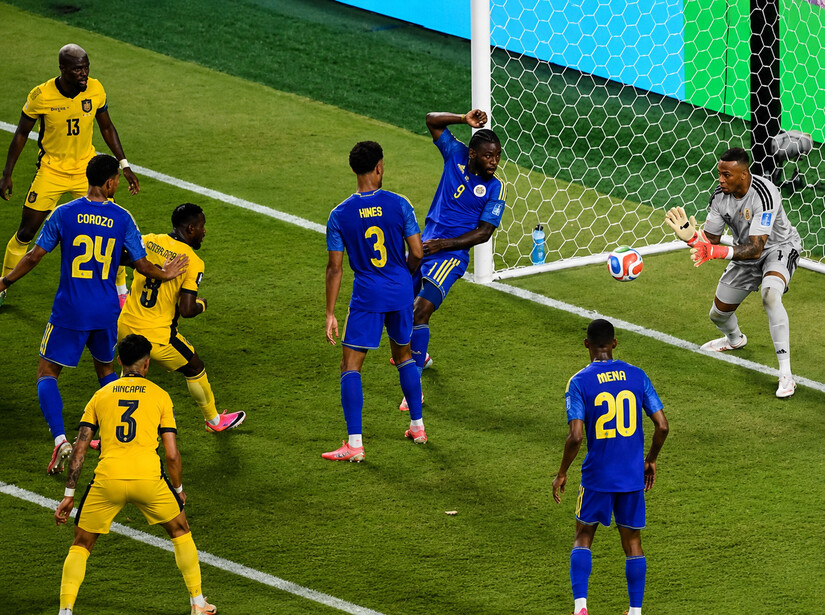
The match followed a highly predictable structural script. Félix Sánchez’s Ecuador controlled roughly 71 percent of possession, dominated territory, and generated a high volume of attempts, while Dick Advocaat’s Curaçao defended with absolute tactical clarity. Operating in a deeply compressed 5-4-1 low defensive ring, the Caribbean side completely denied interior penetration, swarming the half-spaces and forcing Ecuador into low-probability long-range efforts.
As Ecuadorian frustration mounted, the physical friction intensified. Curaçao accumulated five yellow cards over the course of the grueling contest, reflecting their absolute determination to preserve spatial integrity.
During a frantic final twenty minutes, Ecuador launched wave after wave of aerial crosses into the penalty box, but Curaçao's center backs executed clearances, blocks, and goal-line interventions with impeccable timing. The final whistle triggered massive celebrations across the Curaçao technical area. While their qualification odds remain mathematically narrow, this historic point ensures they remain alive heading into a high-stakes final matchday.
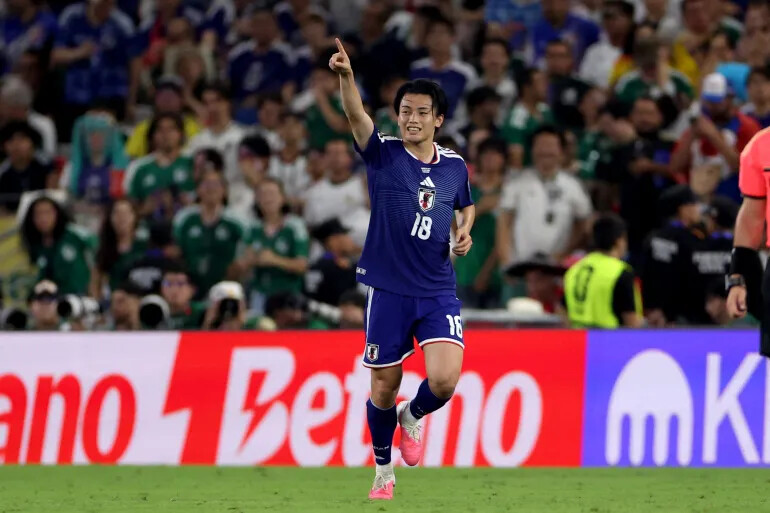
The final fixture of the Day 10 schedule carried immense historical significance before a ball was kicked. When Japan and Tunisia stepped onto the pitch at the Estadio BBVA in Monterrey, they officially became the central participants in the 1,000th match in FIFA World Cup history. By the conclusion of the evening, Hajime Moriyasu's Samurai Blue ensured the milestone would be defined by a tactical masterclass.
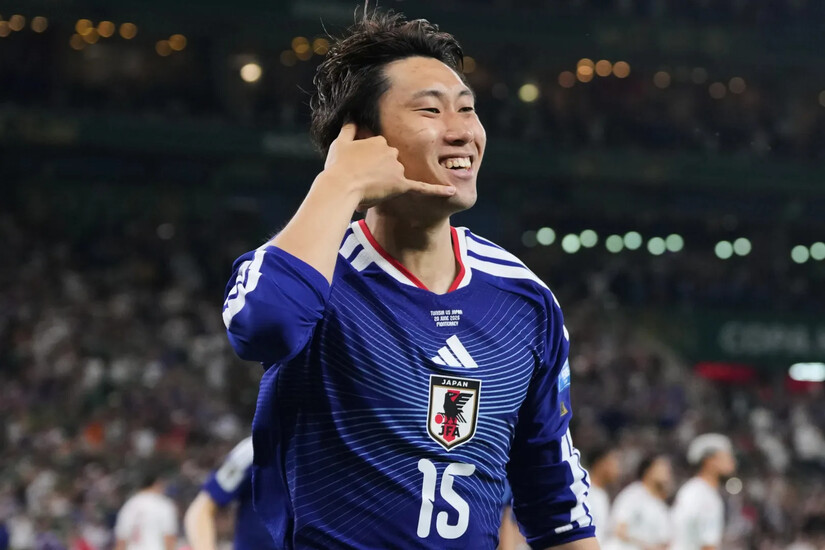
Japan wasted zero time asserting their technical authority, breaking the deadlock just four minutes into the contest through a precise strike from Daichi Kamada. The early breakthrough allowed Japan to completely dictate the tempo of central transitions. Moving the ball with short, vertical passing sequences, Japan maintained roughly two-thirds of possession, forcing Tunisia’s defensive blocks into constant, exhausting lateral shifts.
The second goal arrived in the 31st minute when Ayase Ueda finished a patient buildup sequence to secure a comfortable 2-0 halftime advantage. Forced to advance their defensive lines in the second half to preserve their tournament lives, Tunisia left vacant spaces behind their backline that Japan's rapid wingers exploited.
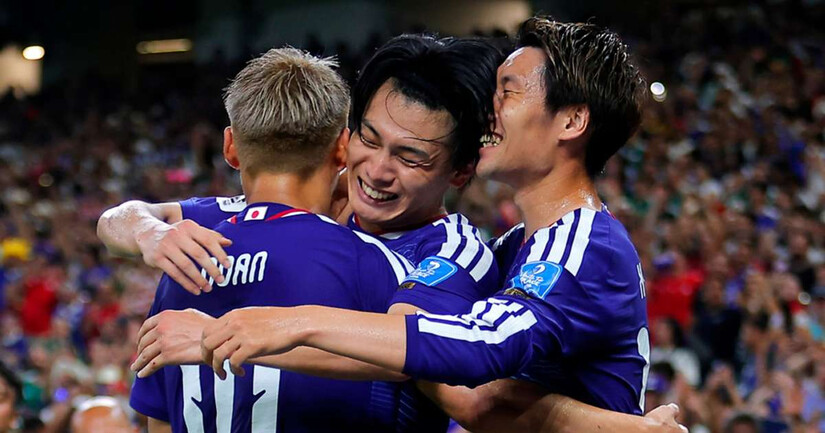
Junya Ito capitalized in the 69th minute, converting a swift counter-attack to effectively end the contest. Ueda finalized the comprehensive 4-0 rout in the 83rd minute, striking his second of the night. The definitive result mathematically eliminates Tunisia from the competition, while reinserting a mature, highly efficient Japan side directly into the fight for the top seed in Group F.
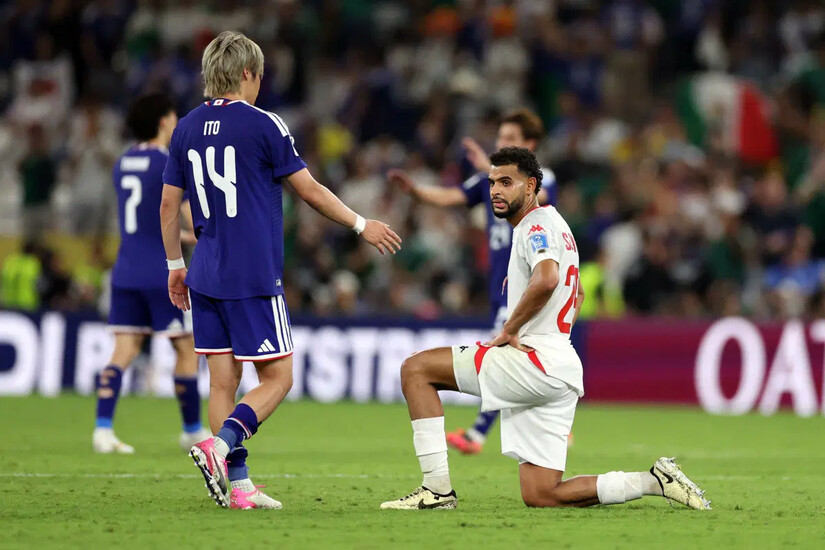
Several definitive conclusions materialized as the events of Day 10 concluded:
The field is narrowing rapidly as the final round of group fixtures approaches. With Germany safely advanced and Tunisia officially departing, the mathematical margins have tightened completely, turning the upcoming schedule into a cutthroat race for the knockout rounds.
MinneapoliMedia | Community. Culture. Civic Life.

Sunny, with a high of 93 and low of 67 degrees. Sunny in the morning, clear overnight.