Image




The opening phase of the 2026 FIFA World Cup has produced no shortage of surprises, but Day 11 offered something different. It was a day defined by response, resilience, and history.
Spain arrived in Atlanta facing questions after being held scoreless by tournament debutants Cape Verde in their opening match. Egypt entered Vancouver still searching for the first men's FIFA World Cup victory in the nation's history. Belgium and Iran met in a match carrying enormous implications for an increasingly crowded Group G race. Meanwhile, Cape Verde sought to prove that its remarkable result against Spain was not a one-match anomaly.
By the end of the day, Spain had emphatically answered its critics. Egypt had finally secured the breakthrough result that had eluded generations of Egyptian footballers. Belgium and Iran remained locked together after a tense stalemate. And Cape Verde continued one of the most compelling stories of the tournament, earning another result against a traditional football power and keeping its knockout-round hopes very much alive.
With only one group-stage match remaining for the teams in Groups G and H, the margins separating advancement from elimination have become increasingly narrow. Every point matters. Every goal matters. Every mistake carries greater consequences.
Day 11 reflected that reality.
|
Team |
Played |
Won |
Drawn |
Lost |
GF |
GA |
GD |
Points |
|
Egypt |
2 |
1 |
1 |
0 |
4 |
2 |
+2 |
4 |
|
Belgium |
2 |
0 |
2 |
0 |
1 |
1 |
0 |
2 |
|
Iran |
2 |
0 |
2 |
0 |
2 |
2 |
0 |
2 |
|
New Zealand |
2 |
0 |
1 |
1 |
3 |
5 |
-2 |
1 |
|
Team |
Played |
Won |
Drawn |
Lost |
GF |
GA |
GD |
Points |
|
Spain |
2 |
1 |
1 |
0 |
4 |
0 |
+4 |
4 |
|
Cape Verde |
2 |
0 |
2 |
0 |
2 |
2 |
0 |
2 |
|
Uruguay |
2 |
0 |
2 |
0 |
3 |
3 |
0 |
2 |
|
Saudi Arabia |
2 |
0 |
1 |
1 |
1 |
5 |
-4 |
1 |
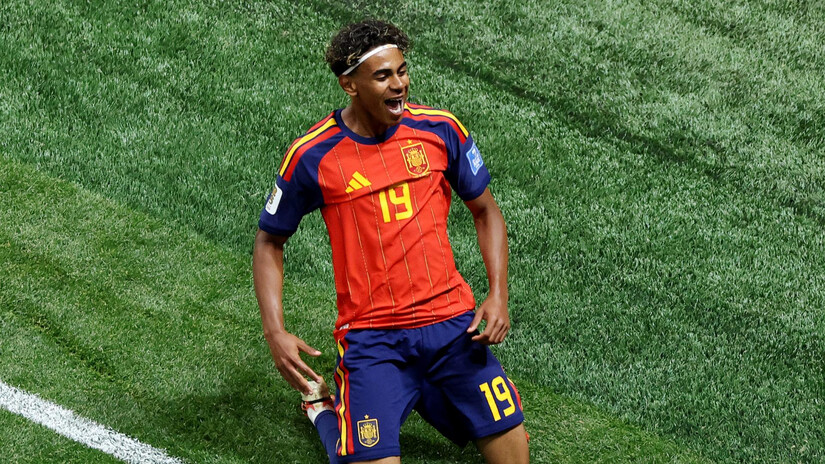
The day began at Atlanta Stadium with Spain facing an unusual situation.
Few expected the 2010 world champions to enter their second match of the tournament under pressure, but a scoreless draw against Cape Verde had left Luis de la Fuente's side searching for answers. Questions surrounding Spain's finishing, attacking urgency, and ability to break down compact defenses had become immediate talking points.
Against Saudi Arabia, Spain provided a decisive response.
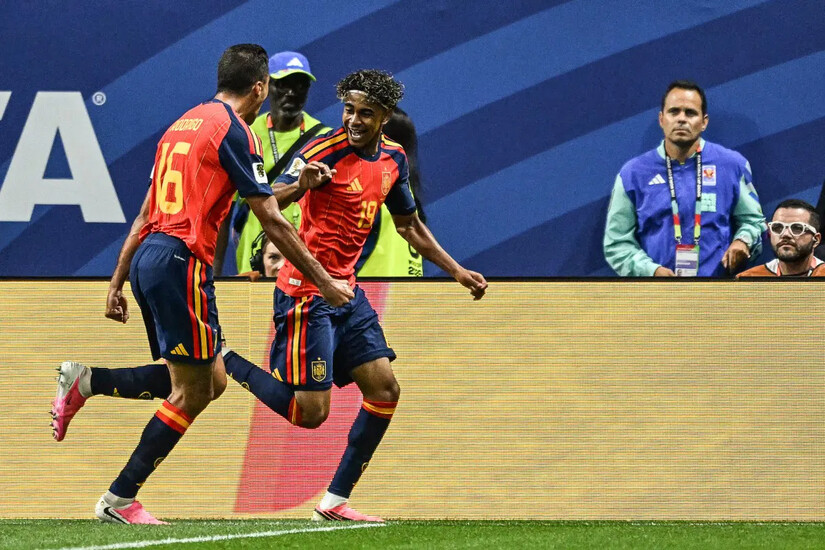
The breakthrough arrived in the 10th minute through the player many believe represents the future of Spanish football. Eighteen-year-old Lamine Yamal found space near the edge of the penalty area and delivered a composed finish that immediately settled Spanish nerves.
Once the opening goal arrived, the match tilted heavily in Spain's favor.
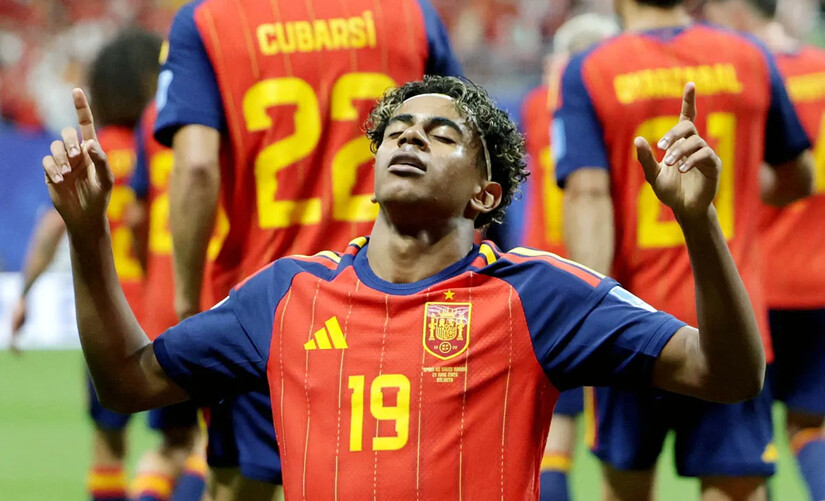
Saudi Arabia struggled to maintain possession against Spain's relentless passing combinations and positional rotations. The Europeans repeatedly stretched the Saudi defensive structure, creating openings across both flanks and forcing the Green Falcons into increasingly reactive defending.
Mikel Oyarzabal became the chief beneficiary.
The experienced attacker scored twice during the first half, effectively ending the contest before halftime. His movement between the Saudi defensive lines repeatedly created problems, and Spain's midfield supplied a steady stream of service into dangerous areas.
Saudi Arabia entered the tournament hoping to build upon its reputation as a difficult, disciplined opponent capable of producing major upsets. Against Spain, however, the defensive organization that often defines the Saudi approach failed to withstand sustained pressure.
The fourth goal arrived through misfortune.
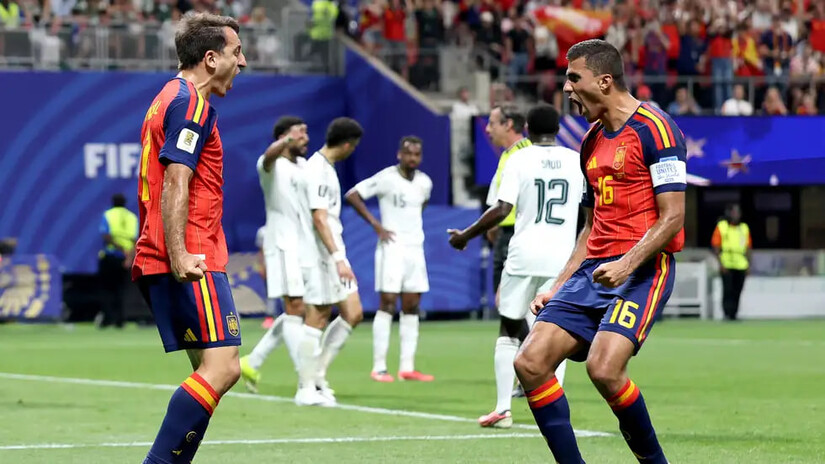
Defender Hassan Al Tambakti inadvertently turned the ball into his own net while attempting to intercept a dangerous Spanish attack, completing the 4-0 scoreline.
The victory immediately transformed the complexion of Group H.
Spain moved atop the standings, improved its goal differential significantly, and restored confidence ahead of the final group-stage fixture. Just as importantly, the performance demonstrated that the attacking concerns raised after the Cape Verde draw may have been premature.
The Spain that appeared in Atlanta looked far closer to the tournament contender many expected before the opening whistle.
If Spain and Saudi Arabia provided goals, Belgium and Iran provided tension.
The second match of the day unfolded at Los Angeles Stadium and developed into one of the tournament's most tactically disciplined contests.
Belgium entered searching for its first victory after opening with a draw against Egypt. Iran arrived carrying similar ambitions following its entertaining 2-2 result against New Zealand.
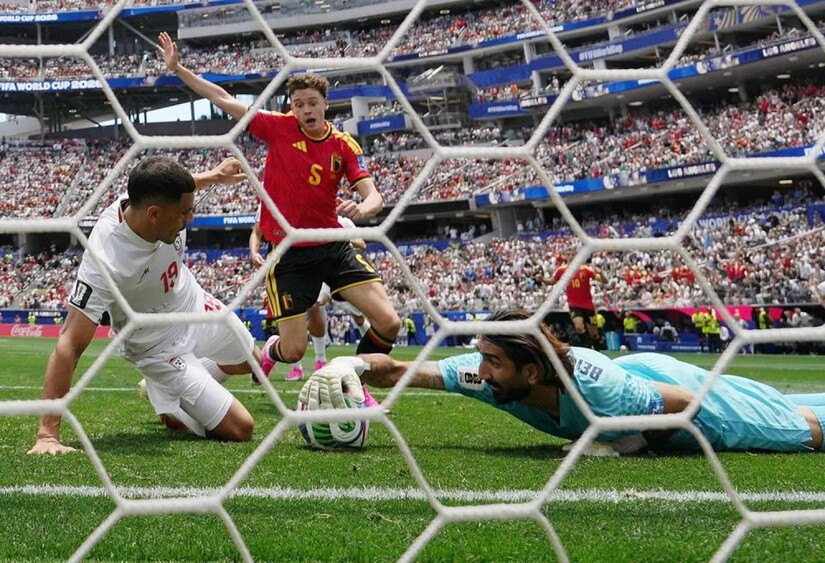
What followed was ninety minutes of tactical caution, defensive organization, and exceptional goalkeeping.
Belgium controlled large portions of possession and generated the more dangerous attacking opportunities. Kevin De Bruyne repeatedly attempted to unlock the Iranian defense with probing passes, while Belgium's wide players worked to stretch Iran's compact defensive structure.
Yet every promising Belgian attack encountered the same obstacle.
Alireza Beiranvand.
The Iranian goalkeeper delivered one of the finest individual performances of the tournament thus far. Time and again, he denied Belgium clear scoring opportunities, displaying outstanding positioning, reflexes, and composure under pressure.
The match's defining moment arrived in the 67th minute.
Belgium was reduced to ten men following a straight red card, dramatically altering the tactical landscape. Suddenly, the balance shifted. Iran gained additional space and confidence, while Belgium was forced to devote greater attention to defensive stability.
Despite the numerical advantage, Iran could not find the decisive breakthrough.
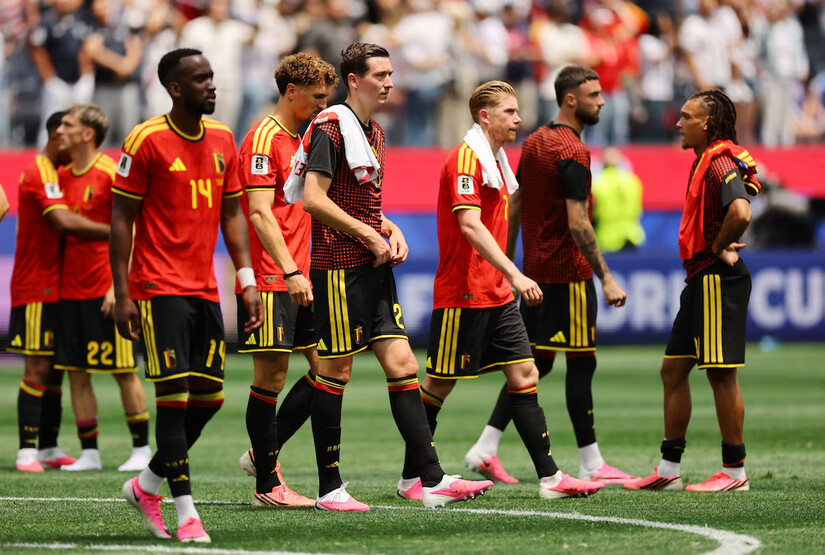
Belgium's defensive organization remained disciplined, and the final stages evolved into a tense battle of concentration and endurance.
The result leaves both nations firmly alive in Group G but creates significant pressure heading into the final round of fixtures. Neither team has lost. Neither team has won.
And both remain fully dependent upon what happens next.
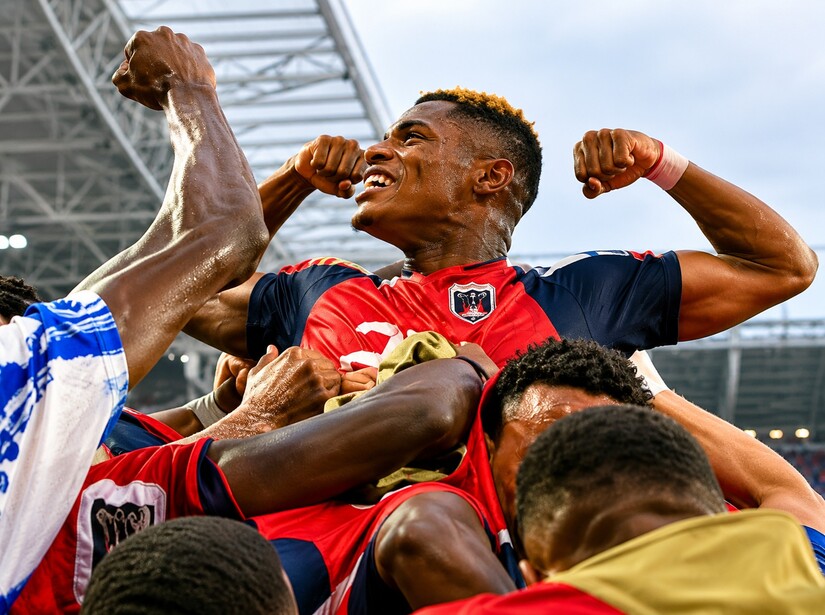
The third match of the day delivered another chapter in what is rapidly becoming one of the most compelling stories of World Cup 2026.
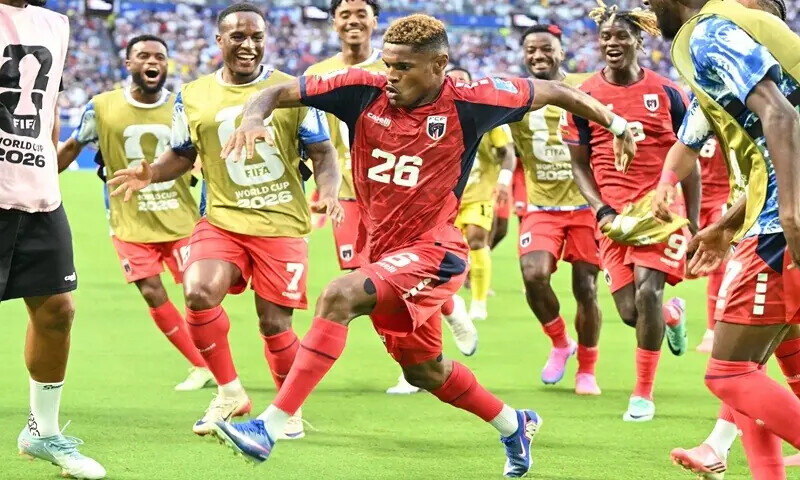
Cape Verde arrived in Miami having already surprised the football world with its scoreless draw against Spain. Many expected the tournament newcomers to struggle against Uruguay, a two-time world champion with generations of World Cup experience.
Instead, Cape Verde once again demonstrated why it refuses to be overlooked.
The opening breakthrough came through a moment of extraordinary quality.
Kevin Pina stepped forward and delivered a spectacular free kick that left the Uruguayan goalkeeper with no realistic chance of making a save. The strike stunned the stadium and handed Cape Verde another unexpected lead against elite opposition.
Uruguay responded as experienced teams often do.
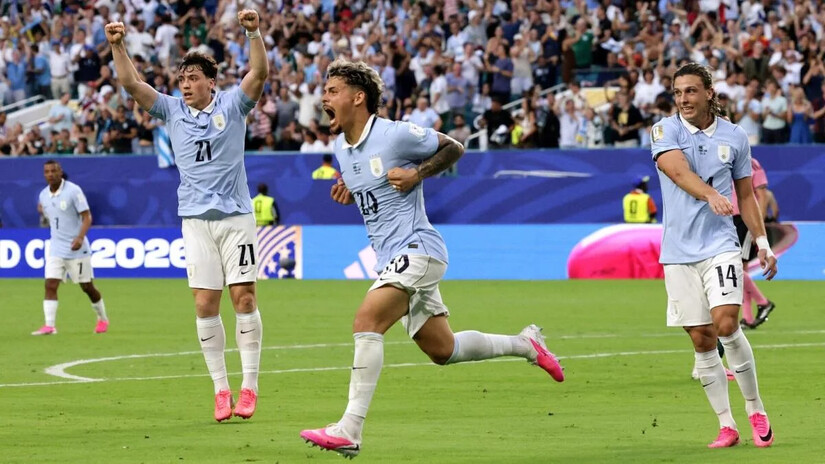
Rather than panic, Marcelo Bielsa's side gradually increased the pressure, raising the tempo and forcing Cape Verde deeper into its own half. The South Americans eventually turned the match around, scoring twice and appearing poised to secure a desperately needed victory.
At 2-1, the match seemed headed toward a predictable conclusion.
Cape Verde had other ideas.
The island nation continued pressing forward whenever opportunities emerged and was eventually rewarded for its persistence. A defensive lapse by Uruguay created the opening, and Cape Verde capitalized to secure a dramatic equalizer.
The final whistle produced contrasting emotions.
For Uruguay, it represented another frustrating missed opportunity and a second consecutive draw.
For Cape Verde, it represented another landmark achievement.
Through two matches, the tournament debutants remain unbeaten.
More importantly, they remain fully alive in the race for a knockout-round place.
Few predicted that scenario when the tournament began.
Even fewer predicted Cape Verde would achieve it by earning results against Spain and Uruguay.
The final match of Day 11 carried historical significance long before kickoff.
For decades, Egypt has been one of Africa's most successful football nations. The Pharaohs have won multiple continental championships and produced some of the sport's most recognizable players. Yet one achievement remained absent from their record.
A men's FIFA World Cup victory.
That changed in Vancouver.
The match did not begin according to Egypt's script.
New Zealand struck first in the 15th minute when defender Finn Surman found the net, giving the Oceania representative an early advantage and threatening to complicate Egypt's evening.
The opening goal injected confidence into the New Zealand side, which defended effectively throughout much of the first half.
Egypt, however, gradually began asserting control.
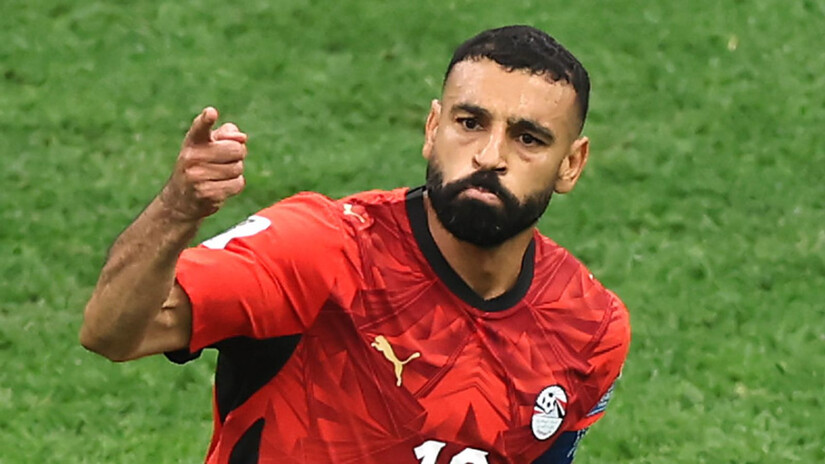
Led by Mohamed Salah, the Egyptians increased their attacking pressure and created a growing number of opportunities. The breakthrough finally arrived in the 58th minute when Mostafa Ziko found the equalizer following a lengthy VAR review that ultimately confirmed the goal.
The equalizer changed everything.
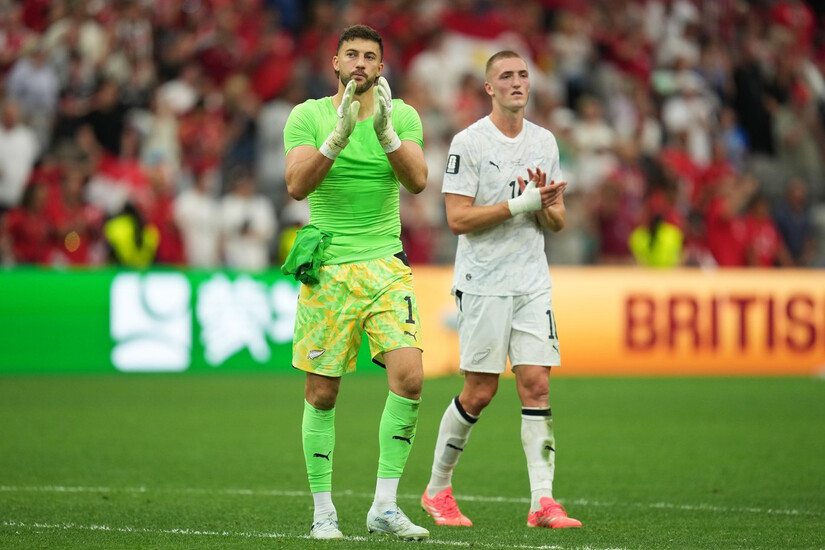
New Zealand suddenly found itself under sustained pressure, while Egypt sensed a historic opportunity.
Nine minutes later, Salah delivered the moment Egyptian supporters had been waiting for.
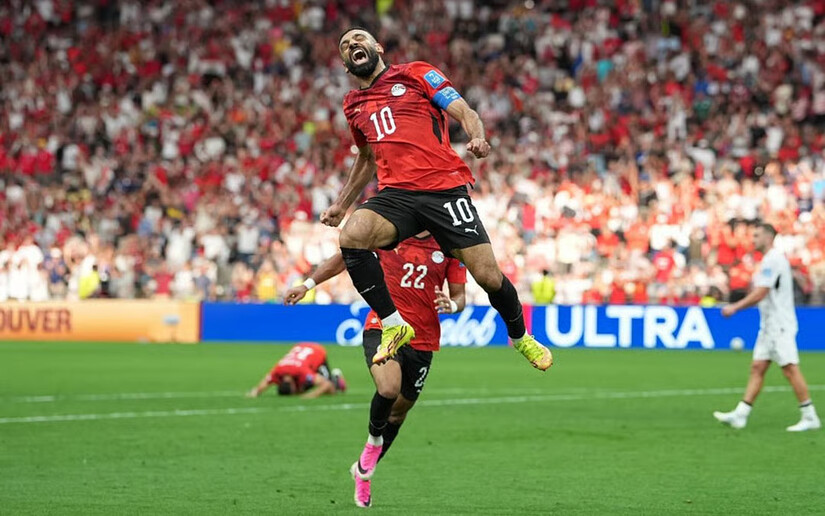
Receiving possession in a dangerous area, the Liverpool star produced a clinical finish to put Egypt ahead 2-1. The goal ignited celebrations throughout the stadium and across Egypt itself, as millions recognized the significance of the moment.
The victory was secured in the 82nd minute.
Trézéguet raced onto a counterattack and calmly chipped the goalkeeper, completing the comeback and sealing a 3-1 result.
When the final whistle sounded, Egypt had achieved something no previous men's national team from the country had accomplished at a FIFA World Cup.
The first victory was finally secured.
The result also propelled Egypt to the top of Group G and placed the Pharaohs in a strong position heading into the final round of group-stage play.
Several important themes emerged from Day 11.
First, Spain reminded the tournament why it entered as one of the favorites. After struggling to score against Cape Verde, the Spaniards responded with four goals and complete control against Saudi Arabia.
Second, Cape Verde's remarkable story continues. Through two matches, the tournament debutants have collected points against Spain and Uruguay. They remain one of the competition's most resilient and organized teams.
Third, Group G remains one of the tournament's most unpredictable groups. Egypt leads, but Belgium and Iran remain within striking distance. No qualification scenario is settled.
Fourth, elite goalkeeping continues shaping outcomes. Beiranvand's performance against Belgium preserved a critical point for Iran and may ultimately prove decisive in determining who advances.
Finally, Egypt's historic breakthrough demonstrates how narrow the margins can be between disappointment and achievement. A nation that entered the day without a World Cup victory now sits atop its group with advancement within reach.
With two rounds complete in Groups G and H, the final matchday promises significant drama.
Spain controls its own destiny but has not yet secured first place. Cape Verde remains unbeaten and increasingly confident. Uruguay still possesses enough quality to advance but can no longer afford mistakes.
In Group G, Egypt holds the advantage, yet Belgium and Iran remain firmly in contention. New Zealand still has a path forward, though it has become considerably more difficult.
The knockout stage is approaching.
The field is narrowing.
And after eleven days of competition, the World Cup continues to produce exactly what it promises every four years: established powers, emerging challengers, historic breakthroughs, and results that reshape expectations.
Day 11 delivered all four.
MinneapoliMedia | Community. Culture. Civic Life.

Sunny, with a high of 93 and low of 67 degrees. Sunny in the morning, clear overnight.