Image
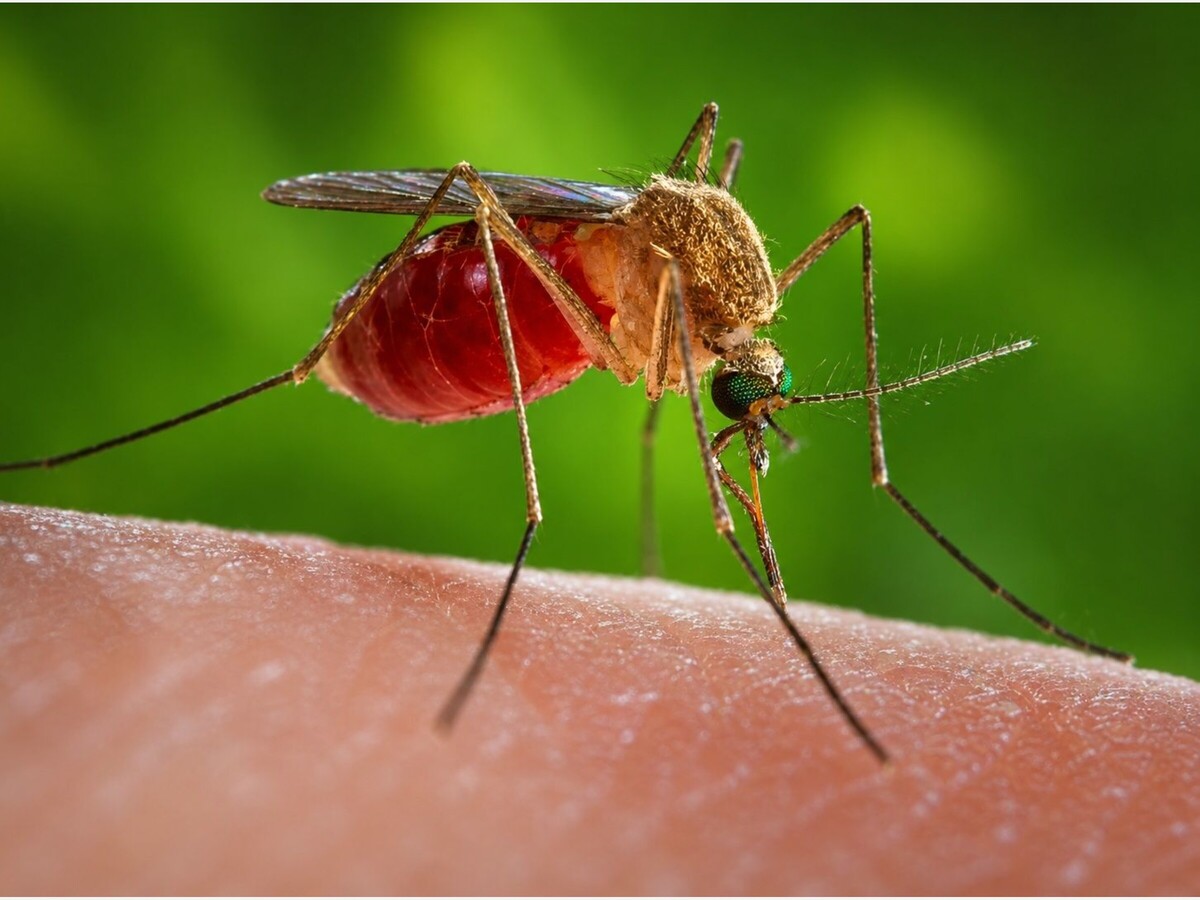



The Metropolitan Mosquito Control District (MMCD) announced that mosquito samples collected on June 17 tested positive for West Nile virus at surveillance sites in Hennepin, Ramsey, and Dakota counties. The infected mosquito pools were identified through the agency's routine surveillance program, which monitors mosquito populations throughout the seven-county metropolitan area for evidence of disease activity.
The detections come almost exactly when public health officials expect West Nile virus to begin circulating in Minnesota.
"This is when we typically begin seeing West Nile virus emerge in mosquito populations," the Metropolitan Mosquito Control District said, noting that the findings align with the virus's normal seasonal timeline.
West Nile virus has become an annual concern in Minnesota since it was first detected in the state in 2002. Today it remains Minnesota's most frequently reported mosquito-borne disease.
Although the first positive mosquito samples do not necessarily indicate an immediate elevated risk for residents, health officials say they serve as an important early warning that personal protective measures should begin now, before mosquito populations reach their seasonal peak later this summer.
The announcement follows one of Minnesota's most active West Nile seasons on record.
More than 120 human infections were reported statewide during 2025, including approximately 50 cases within the Twin Cities metropolitan area. While those figures established a modern high for reported infections, epidemiologists note they likely represent only a fraction of actual infections because many people experience no symptoms or develop illnesses mild enough that they never seek medical attention or laboratory testing.
West Nile virus circulates naturally between birds and mosquitoes, with humans becoming infected only after being bitten by an infected mosquito. In Minnesota, the primary carrier responsible for transmitting the virus to people is the Culex tarsalis mosquito, although other Culex species also contribute to transmission.
Unlike mosquitoes commonly associated with nuisance biting, Culex mosquitoes are generally most active from dusk until dawn.
Weather conditions play a significant role in determining how active the virus becomes each year.
Mosquito experts say warmer temperatures accelerate viral development inside infected mosquitoes, increasing the likelihood that mosquitoes become capable of transmitting the virus during their lifespan. Although mosquito populations have remained relatively modest during the early weeks of this summer because of below-average rainfall in parts of Minnesota, prolonged periods of heat combined with intermittent rainfall can rapidly increase both mosquito numbers and virus transmission.
Historically, the greatest concentration of human West Nile infections has occurred across central and western Minnesota, where agricultural landscapes and seasonal wetlands provide favorable breeding habitat for Culex mosquitoes. Nevertheless, health officials emphasize that residents throughout the Twin Cities and across Minnesota should take preventive measures whenever mosquitoes are active.
For most people infected with West Nile virus, the illness causes no symptoms at all.
Among those who do become ill, symptoms typically develop between two and 14 days after being bitten and often resemble a mild summer flu, including fever, headache, fatigue, muscle aches, joint pain, nausea, vomiting, or skin rash.
In fewer than one percent of infections, however, the virus invades the brain or spinal cord, causing potentially life-threatening neurological illnesses such as encephalitis or meningitis. Older adults and individuals with weakened immune systems remain at the highest risk for severe complications.
Because there is no vaccine or specific antiviral treatment available for West Nile virus in humans, prevention remains the most effective defense.
The Minnesota Department of Health and the Metropolitan Mosquito Control District recommend using EPA-registered insect repellents containing DEET, picaridin, IR3535, oil of lemon eucalyptus, or 2-undecanone whenever spending time outdoors. Residents are also encouraged to wear long-sleeved shirts and long pants during periods of heavy mosquito activity and eliminate standing water around their homes by regularly emptying birdbaths, buckets, flowerpots, children's toys, clogged gutters, and discarded tires where mosquitoes can breed.
The Metropolitan Mosquito Control District will continue trapping and testing mosquitoes throughout the summer while monitoring virus activity across the metropolitan area in partnership with the Minnesota Department of Health.
Although only a handful of mosquito pools have tested positive so far this season, health officials say the detections should be viewed as an early reminder rather than a cause for alarm.
With July and August historically representing Minnesota's peak months for West Nile virus transmission, experts say the precautions residents take now could determine whether this summer follows the trajectory of last year's record-setting season or a far less consequential one.
MinneapoliMedia | Community. Culture. Civic Life.

Sunny, with a high of 93 and low of 67 degrees. Sunny in the morning, clear overnight.