 78° and Patchy rain nearby
Image
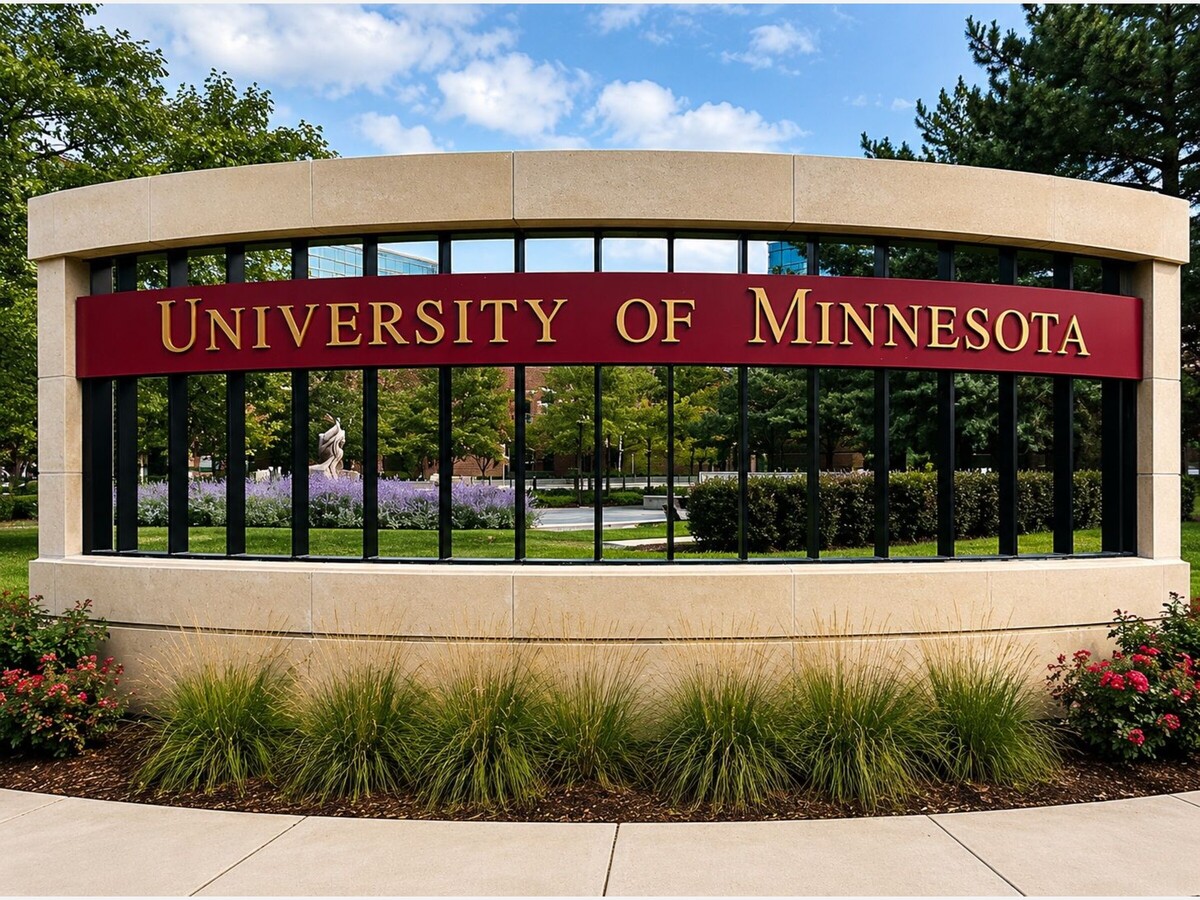



The budget, approved after weeks of public testimony and debate, increases resident undergraduate tuition by 3.8 percent across most of the University's five-campus system. Undergraduate nonresident tuition on the Twin Cities campus will increase by up to 4.5 percent, while eligible faculty and staff will receive a 3 percent merit-based compensation pool. To help close budget gaps, the University also plans to eliminate roughly 230 positions through a combination of layoffs and attrition while implementing approximately $44 million in cost reductions across academic and administrative units.
For University President Rebecca Cunningham, who assumed office earlier this year, the budget represents an attempt to preserve the institution's core teaching, research and public service missions during one of the most financially challenging periods facing public higher education in recent decades.
"We have to make the math work," Cunningham told regents during budget deliberations, arguing that the University must continue investing in students while confronting inflationary pressures and growing financial uncertainty.
The Board's vote highlights a dilemma confronting flagship public universities across the country: how to maintain academic excellence and affordability while operating costs continue to rise faster than public investment.
University leaders emphasized that this year's 3.8 percent tuition increase is substantially smaller than last year's 6.5 percent increase and below the average undergraduate tuition increase recently approved by the Minnesota State system.
Even so, the decision marks the sixth consecutive annual tuition increase approved by the Board of Regents, extending a trend that has become increasingly frustrating for many students and families already facing higher housing, food and transportation costs.
University administrators contend that tuition increases alone do not reflect the actual price many students pay. They point to expanded institutional financial aid and scholarship programs that reduce net costs for thousands of Minnesota families. Officials also argue that tuition revenue has become increasingly important as inflation has steadily eroded the purchasing power of state appropriations.
According to University budget presentations, flat state funding, when adjusted for inflation, has reduced the institution's effective purchasing power by an estimated $25 million to $30 million annually, forcing administrators to identify new revenue sources while reducing expenditures.
Although the approved budget provides a 3 percent merit pool for eligible faculty and staff, it also requires significant workforce reductions.
University planning documents estimate that approximately 230 positions will be eliminated through layoffs and attrition as colleges and administrative units implement spending reductions. Those estimates include roughly 165 academic and instructional positions and approximately 64 administrative and support positions, though final staffing decisions will be made by individual colleges and departments.
University officials say the reductions are intended to improve long-term financial sustainability while preserving classroom instruction, student support and research wherever possible.
The administration also identified rising employee health care expenses as a major contributor to the budget challenge, including an estimated $25 million increase in prescription drug and pharmacy benefit costs, further squeezing operating resources already under pressure from inflation and deferred maintenance.
Taken together, university leaders argue that these financial realities required a budget that both reduced spending and generated additional revenue.
The Board's decision followed weeks of criticism from students, faculty members and staff who argued that rising tuition and continued workforce reductions threaten the University's academic mission.
During public testimony before the Board of Regents, former student Sasmit Rahman questioned whether repeated tuition increases were translating into improved educational experiences, arguing that students continue to pay more while watching classes and support services shrink.
Faculty members echoed similar concerns.
Eric Daigre, an instructor in the University's English Department, warned that years of budget reductions have already strained instructional capacity within the College of Liberal Arts and expressed concern that additional cuts could weaken teaching, research and student support while leaving broader administrative structures largely intact.
University leaders acknowledged those concerns but maintained that postponing difficult financial decisions would only create larger structural deficits in future years.
The University's financial challenges extend well beyond tuition.
Like many research universities, the University of Minnesota faces uncertainty surrounding future federal research funding, rising benefit costs, aging facilities, technology investments and increased expectations for student services.
Those pressures arrive at a time when public universities nationwide are confronting demographic changes, enrollment shifts and growing competition for students.
The approved budget therefore represents more than a tuition decision. It is an attempt to reposition Minnesota's flagship public university for long-term financial stability while preserving its role as one of the state's largest employers, research institutions and workforce development engines.
Separately, university leaders continue exploring additional long-range financial strategies, including the possible sale or redevelopment of the century-old Les Bolstad Golf Course in Falcon Heights. University officials have described that discussion as part of broader long-term asset management and financial planning rather than a component of the fiscal year 2027 operating budget.
The University of Minnesota's annual budget affects far more than students enrolled on its campuses.
With more than 70,000 students across five campuses, thousands of faculty and staff, hundreds of millions of dollars in annual research activity and deep partnerships with Minnesota industries, hospitals, governments and communities, the University's financial decisions reverberate throughout the state's economy.
The newly approved budget means students will pay more beginning this fall, many employees will receive modest salary increases, and some departments will lose positions as administrators seek to contain costs.
It also underscores a broader public policy challenge confronting Minnesota lawmakers and higher education leaders: determining how the state's flagship public university can remain both nationally competitive and broadly accessible when inflation, health care costs and research uncertainty continue to outpace public funding.
For the University of Minnesota, the 2026-27 budget is more than a ledger of revenues and expenditures. It is a statement about the difficult trade-offs shaping the future of public higher education. For students, faculty and taxpayers alike, those choices will continue to define the institution long after this year's budget cycle has ended.
Sources: University of Minnesota Board of Regents fiscal year 2027 budget documents and meeting materials; University of Minnesota Office of the President; University news release announcing the proposed and approved budget; reporting by the Star Tribune and the Minnesota Daily based on Board of Regents proceedings and public testimony.
MinneapoliMedia | Community. Culture. Civic Life.


Sunny, with a high of 79 and low of 56 degrees. Sunny in the morning, overcast in the afternoon and evening, patchy rain nearby overnight.


