Image



The order, issued by Hennepin County District Judge Laura M. Thomas, requires Frey to satisfy the charter's minimum staffing requirement by Jan. 4, 2027. If the city remains below the legally required threshold, the mayor must appear before the court for proceedings scheduled to begin April 26, 2027, where the court will determine whether he should be held in contempt for failing to perform a mandatory legal duty. The ruling represents one of the rare instances in Minnesota in which a district court has established a judicial enforcement timeline against a sitting mayor over compliance with a municipal charter obligation.
The Alternative Writ of Mandamus stems from a lawsuit filed in March by the Upper Midwest Law Center on behalf of two Minneapolis taxpayers and two city property owners, who contend that Minneapolis has remained in continuous violation of its own charter by failing to maintain the required number of sworn police officers.

At the heart of the litigation is Section 7.3(c) of the Minneapolis City Charter, which establishes a minimum police staffing formula of 0.0017 licensed peace officers per resident.
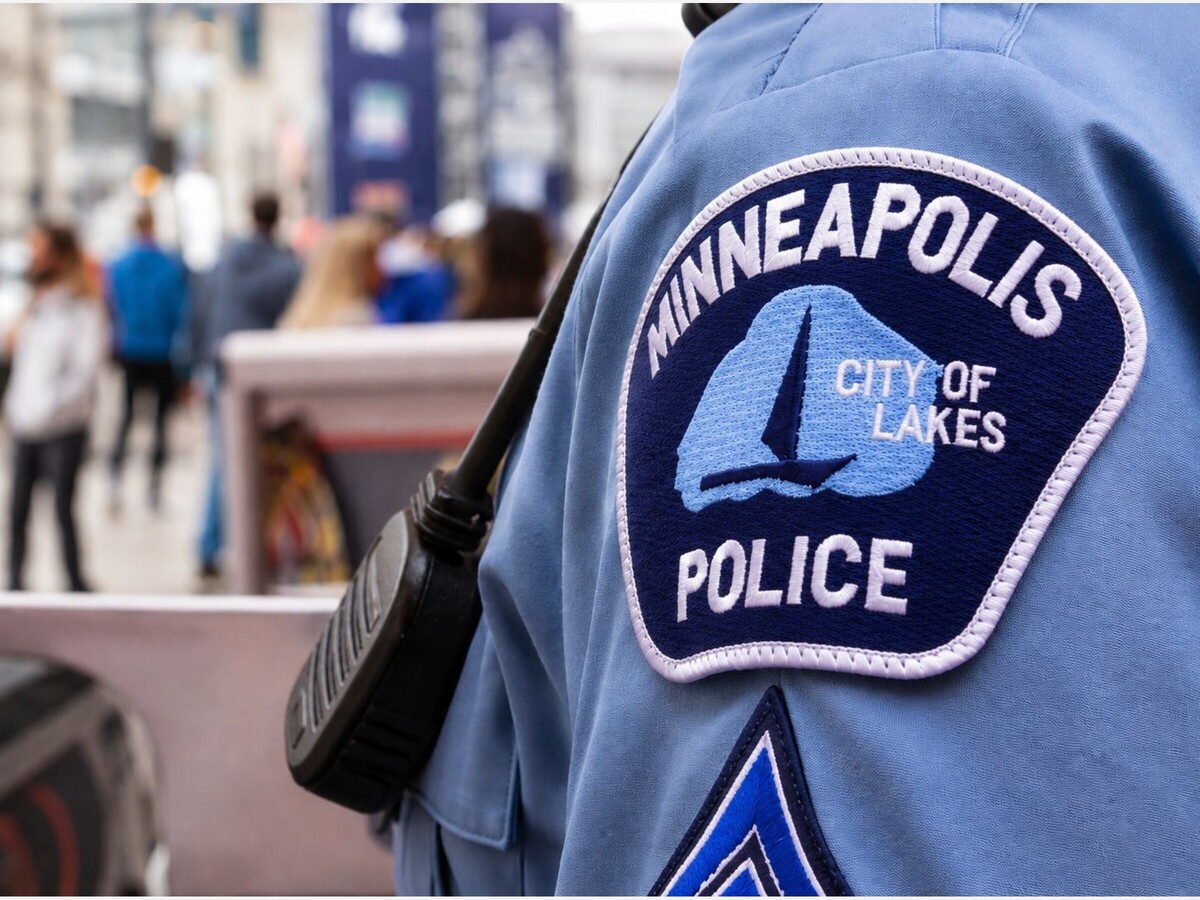
Using the city's current population, that formula requires Minneapolis to employ 731 sworn police officers. According to figures cited in Judge Thomas' order from the Minnesota Board of Peace Officer Standards and Training (POST Board), the department currently has 649 licensed officers, leaving Minneapolis 82 officers below the charter requirement.
The court concluded that Mayor Frey "has violated and continues to violate his duty" under the charter by failing to maintain the required staffing level. Rather than immediately imposing sanctions, Judge Thomas issued the alternative writ, giving the mayor an opportunity to achieve compliance before further judicial action.
The city has not exceeded the charter-mandated staffing level since 2020, when retirements, resignations, disability claims, and departures following the murder of George Floyd dramatically reduced the size of the Minneapolis Police Department. Former Police Chief Brian O'Hara said in 2024 that the department had lost approximately 40 percent of its sworn workforce during that period.
Thursday's order builds upon a landmark 2022 Minnesota Supreme Court decision involving the same charter provision.
In that case, the state's highest court concluded that the Minneapolis City Charter imposes a legal duty on the mayor to employ the minimum number of sworn officers required by the charter while clarifying aspects of how that obligation could be enforced. The current lawsuit seeks judicial enforcement of that duty after plaintiffs argued that the city has remained below the required staffing level despite the Supreme Court's earlier decision.
The alternative writ now shifts the litigation from determining whether a duty exists to determining whether that duty will be fulfilled.
If Minneapolis reaches the required staffing level by Jan. 4, the litigation could conclude without contempt proceedings. If it does not, the mayor will be required to return to court and explain why the charter mandate remains unmet.
Attorneys representing the plaintiffs characterized the ruling as a significant legal victory.
Doug Seaton, president of the Upper Midwest Law Center, said the decision restores accountability by reaffirming that the Minneapolis City Charter is legally binding on city officials.
Managing Attorney Rachel Paulose, who argued the case, said the court's order establishes meaningful consequences after years of litigation.
"For the first time in four years, a judge said there will be consequences for the City of Minneapolis if it continues to violate the law."
Paulose also rejected suggestions that the plaintiffs should propose staffing solutions, arguing that responsibility for complying with the charter rests exclusively with the city's executive leadership.
Mayor Frey declined interview requests following the ruling.
Instead, the Minneapolis Office of Community Safety defended the administration's recruitment strategy, emphasizing that rebuilding a police department after years of historic attrition requires sustained hiring and retention efforts rather than courtroom mandates.
According to the city, the Minneapolis Police Department has:
"You don't strengthen a police department through lawsuits," the Office of Community Safety said in a statement. "You do it through recruitment, hiring, and retention. That's exactly what we're doing, and it's working."
The city has also increased starting officer salaries to approximately $90,000, negotiated additional compensation improvements through collective bargaining, and invested millions of dollars in national recruitment campaigns aimed at reversing years of staffing losses.
The judicial mandate arrives during another period of transition for the Minneapolis Police Department.
Following the departure of former Chief Brian O'Hara, the department is operating under interim leadership while city officials conduct a national search for the next permanent chief. Recruiting officers into a department undergoing executive transition presents additional challenges at a time when police agencies across the country continue competing for a limited pool of qualified applicants.
Those realities, however, do not alter the legal question before the court.
Judge Thomas' order focuses not on the difficulty of recruitment but on whether the city ultimately fulfills the staffing obligation imposed by its own charter.
The decision carries implications extending beyond Minneapolis itself.
Legal scholars have long viewed municipal charters as local constitutions, defining both the powers and obligations of city government. Thursday's ruling underscores that charter provisions are not merely policy aspirations but enforceable legal requirements that courts may compel elected officials to satisfy.
Whether Minneapolis can recruit enough qualified officers over the next six months remains uncertain. Police hiring nationwide continues to be affected by retirements, changing workforce demographics, increased competition among agencies, and evolving public perceptions of law enforcement.
Yet after years of political debate over staffing, reform, and public safety, Judge Thomas' order changes the central question confronting Minneapolis.
The issue is no longer simply whether the city should increase the size of its police force. It is whether Minneapolis will comply with a legal mandate contained in its own charter before a court-imposed deadline expires.
For Mayor Jacob Frey, that deadline now has both legal consequences and a date certain.
MinneapoliMedia | Community. Culture. Civic Life.



Overcast, with a high of 63 and low of 56 degrees. Overcast in the morning, light rain shower in the afternoon, overcast overnight.