80° and Patchy rain nearby
Image
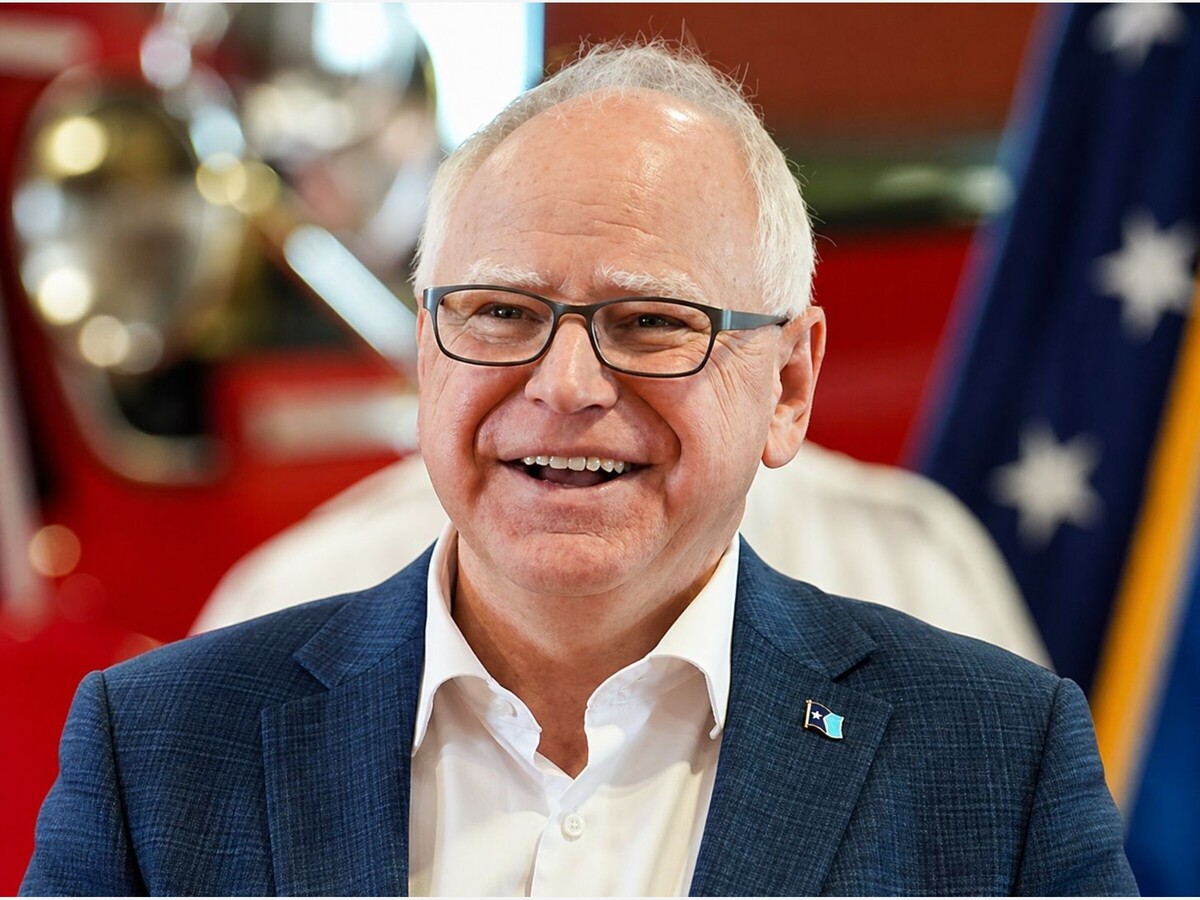



Standing at Open Cupboard in Oakdale, Walz formally launched the Minnesota Office of Public Service (OPS), a new statewide initiative designed to connect more Minnesotans with volunteer opportunities while simultaneously creating pathways into careers in some of the state's most critical and fastest-growing industries.
The announcement marked more than the creation of a new government office. It represented an effort to redefine public service as both a civic responsibility and an economic opportunity, linking volunteerism with education, workforce training and long-term employment.
Editor's Note: Initial news summaries identified the event as taking place in Maplewood. While some early reports referenced Maplewood, the event itself was held at Open Cupboard, 8264 4th Street North in Oakdale, one of Minnesota's largest food shelf operations.
The Office of Public Service will operate within the Minnesota Department of Employment and Economic Development and will serve as Minnesota's central coordinating office for volunteerism, civic engagement and service-based workforce development.
Rather than creating volunteer programs itself, the office will connect nonprofit organizations, schools, employers, local governments and state agencies, helping Minnesotans discover opportunities to serve while building credentials that can translate into meaningful careers.
Governor Walz said the office is intended to remove barriers that often prevent residents from connecting with organizations that need volunteers.
"We see our ability to be able to connect people together. This is not about another additive bureaucracy. It's a place to smooth it through and to help with some of the things to get people into these volunteer positions," Walz said during the launch event.
State officials say the initiative reflects a broader philosophy that volunteer service can become an on-ramp to employment, particularly for young adults and workers seeking careers in public service sectors facing persistent labor shortages.
Alongside the office's official launch, Walz announced the inaugural recipients of the state's new Service to Success grants, an initiative created to strengthen the connection between community service and workforce development.
Eight organizations from across Minnesota will receive a combined $712,500 to establish or expand programs that help participants gain practical experience while earning industry-recognized credentials, certifications and licenses in high-demand fields. The grants are expected to create opportunities for more than 500 Minnesotans.
According to DEED, the competitive grant program is designed to support organizations that build structured "service-to-career pathways," enabling participants to combine meaningful public service with education and workforce preparation.
Eligible career tracks include:
Programs are expected to provide sustained community service while helping participants earn credentials, certifications, college credit or professional licenses that improve long-term employment prospects.
Minnesota continues to face workforce shortages across numerous industries, particularly those tied to public service.
Health care providers, schools, nonprofit organizations, emergency response agencies and local governments have all reported difficulties recruiting and retaining qualified workers as demographic shifts and retirements reshape the labor market.
State leaders say the Office of Public Service is intended to help address those challenges by encouraging more Minnesotans, especially young adults and individuals facing barriers to employment, to enter careers rooted in community service.
"Our goal is to create a unified statewide strategy for public service, working together across the public service sector, in government, nonprofits and the private sector to ensure Minnesotans have opportunities to serve and earn career credentials while they do it," said Sherene Judeh, director of the Office of Public Service.
The Service to Success grant program prioritizes partnerships among nonprofit organizations, educational institutions, workforce development agencies and employers. Applicants are encouraged to create recruitment pipelines for overlooked workers, expand credentialing opportunities and increase direct transitions from volunteer service into employment.
The choice of venue underscored the administration's broader message.
Open Cupboard has become one of Minnesota's largest hunger-relief organizations, serving an average of 6,500 households every week through its Today's Harvest markets, drive-up food distribution, mobile food shelves and home delivery programs. The organization relies heavily on volunteers, making it a fitting backdrop for an announcement centered on expanding civic engagement.
The organization provides fresh produce, dairy products, meat, bakery items and other essentials through a client-choice model that seeks to preserve dignity while addressing food insecurity. Its operations illustrate how volunteerism and professional service intersect every day, with volunteers working alongside trained staff to meet growing community needs.
By launching the Office of Public Service at a food shelf, Walz emphasized that many careers in nonprofit leadership, public health, emergency response and human services begin with simple acts of community service.
Minnesota has long ranked among the nation's leaders in civic participation, charitable giving and volunteerism.
The new Office of Public Service seeks to build on that tradition by making volunteer opportunities easier to find while strengthening organizations that depend on volunteers to deliver essential services.
According to DEED's Service to Success framework, successful programs will not simply recruit volunteers. They will prepare participants for sustainable careers by providing mentorship, sector-specific training, career development skills and direct connections to employers. Programs will also be evaluated on measurable outcomes, including credential attainment, workforce placement and employment in service-related fields.
The Office of Public Service begins operations with a mission that reaches beyond volunteer coordination.
State officials envision the office as a long-term investment in Minnesota's civic infrastructure, one that strengthens nonprofit organizations, expands opportunities for residents to serve their communities and creates new pathways into careers that support families and meet critical workforce needs.
For Walz, the initiative reflects a belief that service can transform both communities and lives.
As the first Service to Success grants move from announcement to implementation, the success of the Office of Public Service will ultimately be measured not only by the number of volunteer opportunities it helps create, but by the Minnesotans who discover purpose, develop skills and build careers through a renewed commitment to serving others.
MinneapoliMedia | Community. Culture. Civic Life.



Sunny, with a high of 91 and low of 54 degrees. Fog in the morning, sunny during the afternoon, overcast in the evening, clear overnight.