66° and Clear
Image
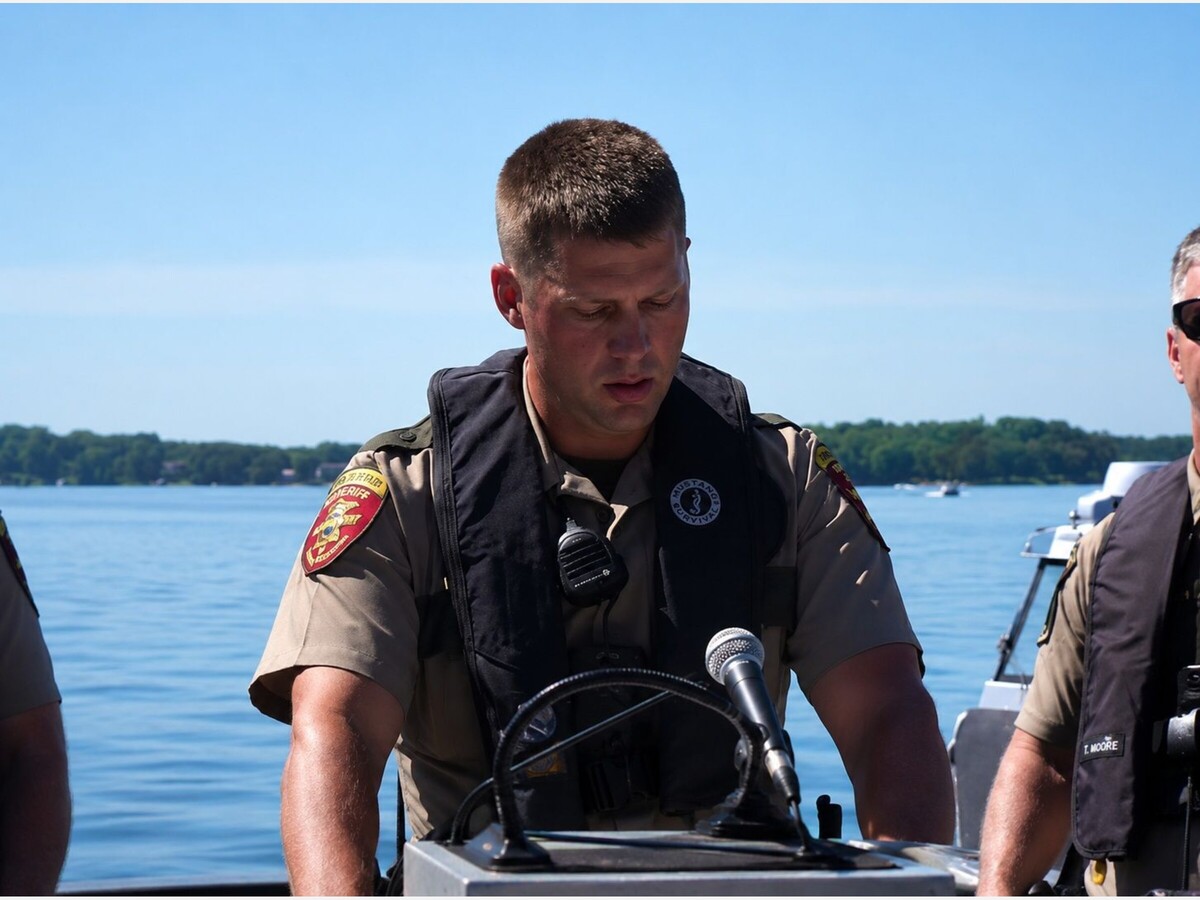



From July 3 through July 5, the Minnesota Department of Natural Resources (DNR), working alongside county sheriff's offices, municipal police departments, the Minnesota State Patrol, and other public safety partners, dramatically increased patrols on waterways statewide as part of Operation Dry Water, the annual nationwide campaign aimed at preventing impaired boating and reducing fatalities on the water. The initiative is coordinated by the National Association of State Boating Law Administrators (NASBLA) in partnership with the U.S. Coast Guard.
The enforcement effort came as temperatures climbed into the 90s across much of Minnesota, creating ideal conditions for one of the heaviest boating weekends of the summer. Officials anticipated crowded lakes, busy boat launches, and increased recreational traffic, circumstances that historically coincide with a spike in boating-while-intoxicated arrests and serious boating accidents.
"The Fourth of July is among the busiest weekends we see on the water all year," said Lt. Eric Sullivan, supervisor of the DNR Enforcement Division's Marine Unit. "We all share the same goal. We want everyone who goes out on the water to come home safely at the end of the day."
While Operation Dry Water emphasizes public education, Minnesota authorities made clear that enforcement remains its centerpiece.
Boaters found operating under the influence of alcohol or drugs should not expect warnings.
"If you're impaired and operating a boat or vehicle, we will find you," Sullivan said during a pre-holiday news conference. "We're not going to give you a warning or a second chance. You will be arrested, you will go to jail and you will face serious consequences."
In a separate DNR statement announcing the campaign, Sullivan underscored the stakes.
"People who get caught boating under the influence will go to jail. We have zero tolerance for that behavior," he said. "Those who choose to boat under the influence put themselves and everyone else on the water in danger. It's a selfish decision and the consequences can be disastrous and life changing."
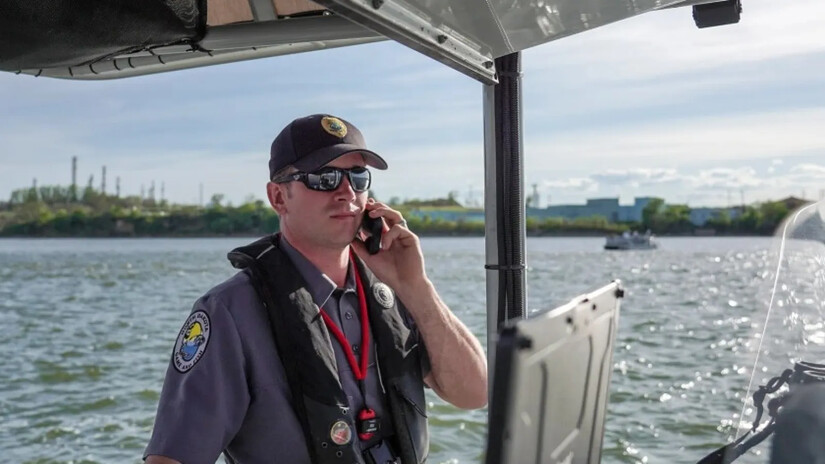
Minnesota enforces some of the nation's strongest boating-while-intoxicated laws.
The legal blood alcohol concentration limit for operating a watercraft is 0.08 percent, identical to the legal limit for operating a motor vehicle.
However, the consequences extend well beyond boating.
Under Minnesota law, anyone convicted of operating under the influence loses the privilege to operate boats, motor vehicles, and recreational vehicles, regardless of which type of vehicle was involved in the offense. That broad license sanction is intended to reinforce that impaired boating presents risks comparable to impaired driving on Minnesota's roads.
According to the Minnesota DNR, boating while intoxicated remains the leading contributing factor in recreational boating accidents and fatalities.
Although most boaters choose to leave alcohol on shore, the agency reports that dozens of people are arrested for boating while intoxicated during the days surrounding the Fourth of July each year, making the Independence Day holiday one of the highest-risk periods on Minnesota waterways.
The DNR has recorded four fatal boating accidents in Minnesota so far in 2026, compared with three during the same period last year, according to agency officials. Sullivan noted that several of this year's fatal incidents involved inexperienced operators and individuals who were not wearing life jackets.
Officials also continue to point to a troubling pattern: many boating deaths begin with a seemingly routine fall overboard.
Without a life jacket, that fall can quickly become fatal.
Public safety officials cautioned that alcohol's effects become even more pronounced on the water.
Extended exposure to intense sunlight, high temperatures, dehydration, wind, wave motion, and physical fatigue can accelerate impairment and slow reaction times, increasing the likelihood of collisions, falls overboard, and heat-related medical emergencies.
"It creates kind of a perfect storm," Sullivan said. "Heat exhaustion is a real thing, and then you add alcohol on there and then you add the environments of all the activity out on the lake. It definitely increases the risk of accidents."
While impaired boating enforcement remains the campaign's primary focus, the DNR says another simple safety measure continues to make the greatest difference: wearing a life jacket.
Many fatal boating accidents occur not because life jackets were unavailable, but because they were never worn.
The agency urges everyone aboard a boat, regardless of swimming ability, to wear a properly fitted U.S. Coast Guard-approved life jacket throughout their time on the water.
Officials also encourage boaters to:
As Minnesota's more than 10,000 lakes filled with families celebrating Independence Day, conservation officers said Operation Dry Water is ultimately about far more than issuing citations.
Its mission is to prevent the phone calls no family ever wants to receive and to ensure that a holiday on Minnesota's waterways ends not in tragedy, but with every boater returning safely home.
MinneapoliMedia | Community. Culture. Civic Life.

Sunny, with a high of 83 and low of 53 degrees. Partly Cloudy during the morning, patchy rain nearby in the afternoon, overcast in the evening, clear overnight.