55° and Overcast
Image
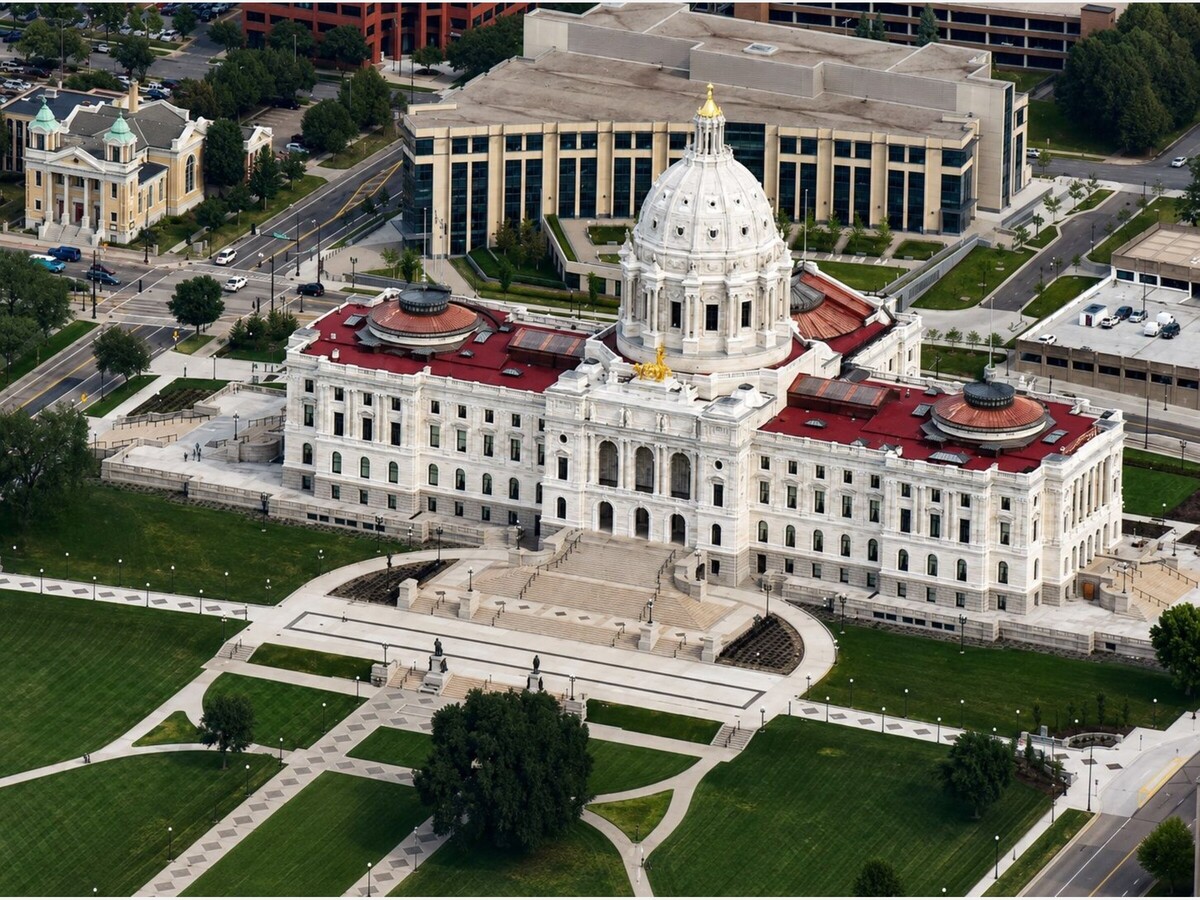



The League of Minnesota Cities outlined the new programs Tuesday, identifying several opportunities that could help local governments address infrastructure, homelessness, public safety and other costly community needs.
Some administering agencies have not yet updated their application information, meaning cities will need to monitor state grant announcements as the programs are developed.
Cities, counties and townships planning new or expanded regional drinking-water systems may be eligible for as much as $300,000 through the Drinking Water Regionalization Planning and Assistance Grant Program.
The Minnesota Department of Health will administer the program.
Recipients must provide a 25 percent match, and the money may be used only for planning activities, including assessments, feasibility studies and design work.
Regional systems can allow neighboring communities to coordinate water infrastructure, share expenses and reduce the cost of constructing and maintaining separate facilities. Such arrangements require extensive planning because participating governments must determine capacity, governance, financing and long-term operational responsibilities.
The state health commissioner is expected to develop application procedures and selection criteria by Nov. 1.
Minnesota cities seeking to construct publicly owned shelters may qualify for Emergency Shelter Grants administered by the Department of Human Services.
The grants may cover up to 100 percent of eligible construction expenses.
That could be especially important for communities struggling to respond to homelessness while facing high construction costs and limited local revenue.
Emergency shelters provide immediate protection from extreme weather and unsafe living conditions. When properly connected with housing, health and employment services, they can also serve as an entry point into longer-term assistance.
Availability of state construction funding does not automatically resolve questions about where a shelter should be located, how it will be operated or how continuing services will be financed. Those decisions would remain with local governments and community partners.
Municipalities providing housing support to residents receiving Medical Assistance home and community-based services could also qualify for Housing Support Capacity-Building Grants.
Cities may use the funding for administrative expenses, benefit assessments, housing-transition assistance and development of regional or collaborative support models.
The program is intended to reduce homelessness and prevent people from entering institutional settings when they could live safely in the community with appropriate assistance.
Recipients will be required to report program data and results to the Minnesota Department of Human Services.
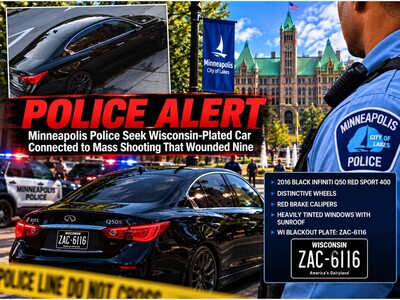
The Minnesota Clearance Grant Program will provide funding intended to help law-enforcement agencies improve clearance rates for nonfatal firearm shootings.
A case is generally considered cleared when investigators arrest and charge a suspect or identify the responsible person but cannot proceed for circumstances outside the agency’s control.
Departments may use the grants for investigative resources, evidence-based procedures, technology, technical assistance, victim-witness coordinators and partnerships with hospital-based violence-intervention programs.
Priority will be given to agencies submitting detailed implementation and evaluation plans and demonstrating a commitment to cooperation with other government agencies.
Participating departments will be required to report to the Minnesota Department of Public Safety twice annually.
Improving investigations of nonfatal shootings can have effects beyond an individual case. Unresolved violence can leave survivors and families without answers, weaken community trust and allow retaliatory disputes to continue.
The League also identified a new radar-infrastructure program for cities participating in airport authorities. Eligible funding may support the acquisition, design and construction of mobile radar systems used for airspace and marine surveillance.
MinneapoliMedia | Community. Culture. Civic Life.
MinneapoliMedia | Community. Culture. Civic Life.

Overcast, with a high of 59 and low of 46 degrees. Overcast in the morning,