Image



MINNEAPOLIS, MN (September 1, 2026) Every harvest begins with a water calculation.
Before a Minnesota farmer can consider yield, market price, labor, fertilizer, machinery or transportation, there must be enough water in the soil to germinate a seed, enough moisture to carry a crop through heat, enough groundwater to support irrigation where rainfall fails, and enough reliable supply to sustain livestock through every day of the year.
That calculation is becoming more difficult across Minnesota.
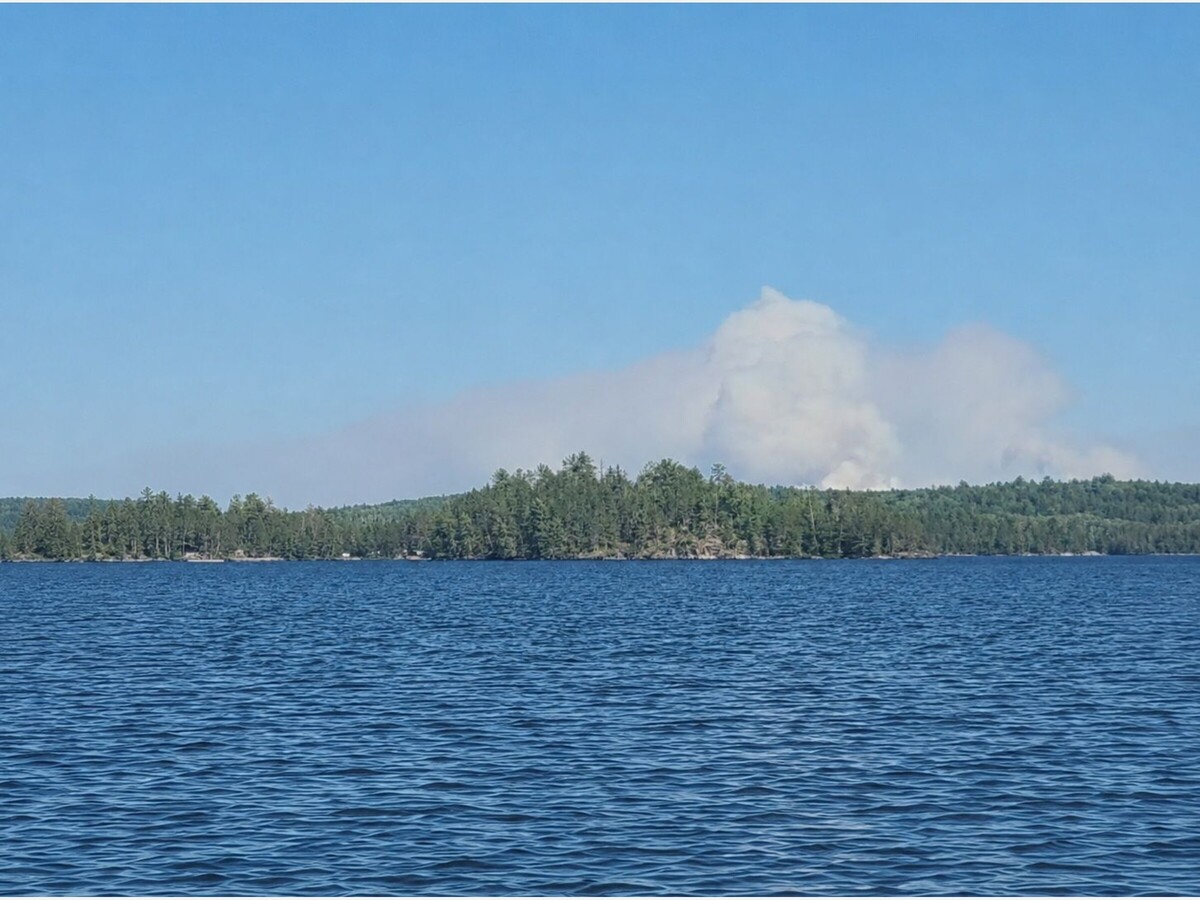
By late August, 78.3 percent of the state was experiencing moderate drought or worse. Severe drought covered 44.6 percent, while 3.5 percent had entered extreme drought, according to federal drought-monitoring data. The figures reflected a water shortage that had spread across cropland, pasture, forests, streams, private wells and community systems. Crop conditions had deteriorated for six consecutive weeks as low stream levels and persistent dryness placed increasing pressure on agricultural production.
This would be serious enough if Minnesota’s water-security problem began and ended with rainfall. It does not.
On July 26 and 27, a coordinated cyberattack targeted operational technology at more than 30 community water systems across Minnesota. The attackers interfered with equipment used to monitor and control water and wastewater operations. State officials activated a coordinated response involving Minnesota IT Services, the Department of Public Safety, the Bureau of Criminal Apprehension, the Minnesota Department of Health, the Minnesota Pollution Control Agency, the FBI and other state and federal partners.
Authorities did not report widespread contamination of drinking water, and the Minnesota Department of Health said it was not aware of active requests for residents to change their drinking-water use. The affected systems were supported, operations were restored and the most serious possible consequences were avoided.
That outcome should not be mistaken for proof that Minnesota’s water infrastructure is secure.
The attacks demonstrated that malicious actors could reach into systems responsible for managing one of the state’s most essential resources. The drought demonstrated that the resource moving through those systems is becoming less dependable. Taken together, the events expose a water-security challenge far larger than either emergency viewed on its own.
Minnesota is confronting pressure at both ends of its water system. The state is losing reliability at the source through drought, declining soil moisture, reduced streamflow and stressed groundwater. It is also facing risk at the point of delivery through aging equipment, uneven local capacity and operational technology vulnerable to cyber intrusion.
Agriculture stands directly between those threats.
Minnesota’s farms are not simply another category of water user. They are the starting point of a food and agricultural economy that contributes approximately $21.4 billion to state gross domestic product, supports about 125,050 jobs and exports roughly $9.1 billion in goods. Minnesota ranks among the nation’s leading states in crop production, total agricultural output and agricultural exports. Soybeans, corn, animal feed and pork connect Minnesota fields and livestock operations to markets throughout the United States and around the world.
More than one-third of Minnesota’s $22.1 billion in agricultural cash receipts is connected to exports. The state’s agricultural production supports grain elevators, feed mills, meat processors, dairy plants, food manufacturers, trucking companies, railroads, equipment dealers, veterinarians, seed companies, lenders and thousands of businesses whose names never appear on a crop report.
All of it depends on water.
Corn needs moisture during pollination and grain development. Soybeans need adequate water during flowering and pod filling. Potatoes, vegetables, fruits and specialty crops require carefully timed irrigation because even a short period of stress can reduce quality and marketability. Dairy cows need water for drinking, cooling, sanitation and milk production. Hog and poultry operations require reliable water for animals, cleaning and temperature control. Food-processing plants depend on water for washing, cooling, sanitation and compliance with public-health requirements.
A water interruption on a residential block is disruptive. A water interruption at a livestock operation or processing facility can become an animal-welfare, food-safety and economic emergency within hours.
Many farms draw water from private wells or irrigation systems rather than municipal utilities. The July attacks on community water systems should therefore not be misrepresented as direct attacks on every farm or on Minnesota’s agricultural irrigation network. No public evidence establishes that attackers sought to destroy crops, contaminate livestock water or disable agricultural production.
The incidents nevertheless carry an unmistakable warning for agriculture.
Modern farming depends increasingly on interconnected technology. Irrigation pumps, storage systems, environmental controls, livestock facilities, processing equipment and monitoring devices can rely on digital communications and automated controls. Rural communities supplying water to homes, small businesses, schools, fire departments and local food facilities often operate with limited staffing and financial capacity. A weakness in one part of that network can have consequences far beyond the equipment initially compromised.
The warning becomes more urgent during drought because the margin for disruption is smaller.
When rainfall is adequate, soil moisture is stable and aquifers are replenished, a temporary operational failure may be manageable. When pasture is dry, crops are already stressed and wells are being drawn more heavily, losing access to a pump, monitoring system or treatment process can compound an existing shortage. Emergency water may need to be hauled over greater distances. Backup sources may be under the same drought pressure. A neighboring system that could ordinarily provide assistance may be conserving its own supply.
Drought changes a cyberattack from an information-technology problem into a potential resource-allocation emergency.
The reverse is also true. Cybersecurity weaknesses make drought management more difficult. State agencies, watershed districts, municipalities and farmers need accurate information about groundwater levels, streamflow, consumption and system capacity to decide when conservation measures are necessary. If monitoring equipment is unavailable or its integrity cannot be trusted, leaders lose part of the information needed to manage a limited resource.
Minnesota cannot separate physical water management from digital water management any longer. The pumps, valves, treatment systems, sensors and communications networks that move water are part of the water supply itself. Protecting the aquifer while neglecting the control system leaves the state exposed. Protecting the control system while allowing the aquifer to decline does the same.
Agriculture makes the consequences visible first.
A city resident may respond to drought by reducing lawn watering or postponing a car wash. A farmer cannot postpone watering livestock. A vegetable grower cannot move a crop’s critical development stage to a wetter month. A dairy operation cannot suspend sanitation until the aquifer recovers. A food-processing plant cannot lower public-health standards because the local water system is under pressure.
The agricultural response to drought also carries costs that extend beyond the farm. Producers may need to drill or deepen wells, install irrigation equipment, haul water, purchase feed when pasture growth declines, reduce livestock numbers or accept lower yields. Those expenses arrive while farm income remains exposed to commodity prices, interest rates, fuel costs and international markets.
The pressure is especially severe for smaller farms, beginning farmers and specialty-crop producers. A large operation may have access to multiple wells, irrigation equipment, insurance products and additional financing. A small fruit, vegetable or immigrant-owned farm may depend on one water source and have limited ability to finance emergency infrastructure. A single season of reduced production can eliminate the income needed to plant the following year.
Minnesota’s emerging water-security crisis is therefore also an equity question within agriculture. A policy that assumes every producer can respond to scarcity by purchasing new equipment will protect the best-capitalized operations while leaving others behind. Water planning must account for the farmers with the least financial room to absorb another emergency.
The state must also recognize that irrigation is both part of the solution and part of the pressure.
Irrigation can protect crops from rainfall shortages, stabilize yields and help farmers survive increasingly volatile growing seasons. But irrigation transfers the demand from rainfall to groundwater or surface water. During prolonged drought, increased pumping can lower nearby well levels and create greater competition among farms, communities, businesses and ecosystems.
University of Minnesota Extension warns that private wells can temporarily run low during drought and high temperatures because water use increases for plants and animals. Concentrated pumping can create a localized depression in the groundwater table. When many users respond to the same drought by drawing more water, the cumulative effect becomes a public concern rather than a series of isolated private decisions.
Minnesota cannot ask farmers to protect the food supply while giving them incomplete information about how much water is available or how neighboring withdrawals affect the same aquifer. The state needs water budgets that show what is entering and leaving sensitive groundwater systems, where irrigation demand is increasing, and whether current permits remain sustainable under prolonged dry conditions.
Those decisions must be made with farmers, not imposed on them after a crisis has already begun. Producers need dependable data, technical assistance and realistic transition periods. They also need state investment in soil-health practices, irrigation efficiency, drought-resistant crops, water storage and equipment that applies water where and when crops need it most.
Healthy soil can retain more moisture and reduce runoff when rain finally arrives. Cover crops, reduced tillage, crop rotation and improved organic matter can help farms withstand short dry periods, although none of those practices can replace rainfall or groundwater during an extended drought. Efficient irrigation can reduce unnecessary withdrawals, but installing it requires capital and technical knowledge. Precision weather and evapotranspiration data can help farmers schedule irrigation more effectively, but those tools must remain accurate, accessible and secure.
Minnesota has already recognized parts of this need. State agricultural budgets have supported irrigation-water-quality expertise and better weather information for determining crop-water demand. The Legislature has also funded work on groundwater protection and water-management practices.
The emerging crisis requires those efforts to be brought together under a comprehensive agricultural water-security strategy.
That strategy must begin with a statewide assessment of the water infrastructure on which agriculture depends. Minnesota needs to know which farming regions rely most heavily on groundwater, where wells are declining, which food-processing facilities depend on vulnerable local systems, where livestock operations lack backup water sources, and which rural utilities require technical or financial assistance to improve cybersecurity.
The assessment should not publish sensitive operational details that could help an attacker. It should give policymakers enough information to direct resources toward the communities and agricultural systems facing the greatest combined risk.
Cybersecurity assistance must be treated as essential rural infrastructure funding. Small water utilities cannot be expected to defend operational systems against sophisticated or persistent attackers using only limited local budgets and part-time personnel. The state should expand shared cybersecurity services, technical assessments, employee training, secure system upgrades and rapid-response support for community water and wastewater providers.
Utilities should also be prepared to operate essential functions when automated systems are unavailable. That requires tested manual procedures, trained personnel, backup communications, protected records, reliable power and coordinated emergency plans. The purpose is not to abandon useful technology. It is to ensure that one compromised system cannot remove a community’s ability to provide water.
Agricultural representatives must be included in those exercises.
A water emergency plan that covers households but overlooks dairies, livestock facilities, greenhouses, food processors and farm-dependent fire protection is incomplete. Counties and municipalities should identify agricultural users whose operations would face immediate animal-welfare or food-safety risks during an interruption. They should establish priorities for emergency water distribution and understand what equipment would be required to move water safely.
Minnesota should also strengthen communication between cybersecurity officials and the agencies responsible for agriculture, natural resources, health and emergency management. A cyber incident at a water facility cannot remain confined to an information-technology response if it affects livestock, food processing, irrigation or rural fire protection. Each agency must understand how an operational disruption can travel through the food system.
The state’s drought planning needs the same integration. Water-conservation phases should include clear agricultural guidance developed with producers, soil and water conservation districts, Tribal governments, watershed organizations and University of Minnesota Extension. Farmers need to know what restrictions may apply, how priority uses will be determined, what emergency assistance is available and how decisions will account for crops and animals that cannot survive an abrupt interruption.
Minnesota must be careful not to turn water security into a contest between cities and farms.
Urban residents need safe drinking water. Farmers need water to grow food and care for animals. Rural hospitals, schools and businesses need reliable community systems. Rivers, wetlands and lakes need enough water to sustain ecosystems and protect water quality. None of these needs becomes expendable merely because another need is also legitimate.
The purpose of planning is to make those conflicts less severe before drought forces emergency decisions. Better soil retention, efficient irrigation, repaired municipal leaks, industrial water reuse, protected wetlands and responsible land-use planning can reduce pressure across the system. Stronger cybersecurity and backup operations can prevent an avoidable technological failure from worsening a natural shortage.
The cost of prevention will be substantial. The cost of failing to prepare will be larger.
A major agricultural water disruption would not stop at the farm gate. Lower crop yields can reduce grain moving through elevators and rail terminals. Livestock losses can affect processors and feed suppliers. Reduced production can raise costs for consumers and weaken export commitments. Processing interruptions can idle workers and reduce income in rural communities. Declining farm revenue affects local equipment dealers, banks, restaurants, schools and property-tax bases.
Minnesota’s food and agriculture industry includes more than 5,200 establishments. Its economic reach extends from family farms to some of the largest food companies in the country. Water insecurity anywhere along that chain can become economic insecurity throughout the state.
This is why the July cyberattacks must not be remembered only as a technology story, and the drought must not be remembered only as a weather story.
The cyberattacks revealed that access to water can be disrupted even when water remains in the ground. The drought revealed that perfectly functioning infrastructure cannot deliver water that is no longer available. Agriculture reveals what happens when either side fails.
State leaders should not wait for a season in which malicious activity, extreme heat and severe drought arrive at the same time. Minnesota has already experienced each element needed to understand the danger. More than 30 community water systems were targeted. Crop conditions deteriorated as drought intensified. Stream levels fell. Communities entered conservation phases. The warning is no longer hypothetical.
Minnesota’s agricultural strength has long benefited from an assumption of water abundance. The state’s lakes, rivers, wetlands, soils and aquifers made that confidence understandable. They did not make it permanent.
Water abundance is not the same as water security. Security requires knowing how much water is available, using it at a rate that can be sustained, protecting the systems that control it and preparing for the moment when normal operations fail.
Minnesota farmers understand planning under uncertainty better than most policymakers. They plant without knowing exactly how much rain will fall, what prices will be at harvest or which disease may appear during the growing season. They manage risk because agriculture allows no alternative.
The state must begin governing water with the same seriousness.
That means treating groundwater data as critical economic information, soil health as water infrastructure, cybersecurity as rural infrastructure, and emergency water access as part of agricultural preparedness. It means providing farmers with the resources to conserve water without asking them to carry the entire cost of protecting a public resource. It means requiring water systems to prepare for digital disruption while protecting sensitive information that could create additional risk.
Most importantly, it means recognizing that Minnesota cannot have food security without water security.
The next agricultural emergency may begin with a rainless month, a failing well, a compromised control system or several of those events at once. Minnesota still has time to strengthen the system before that emergency arrives.
What it no longer has is a credible reason to wait.

Local stories matter. Subscribe free to MinneapoliMedia and receive independent news, community reporting and important updates from Minneapolis, the North Metro and communities across Minnesota.
SUBSCRIBE FREE: https://minneapolimedia.town.news/subscribe
MinneapoliMedia | Community. Culture. Civic Life



Overcast, with a high of 59 and low of 49 degrees. Overcast during the morning,