52° and Clear
Image
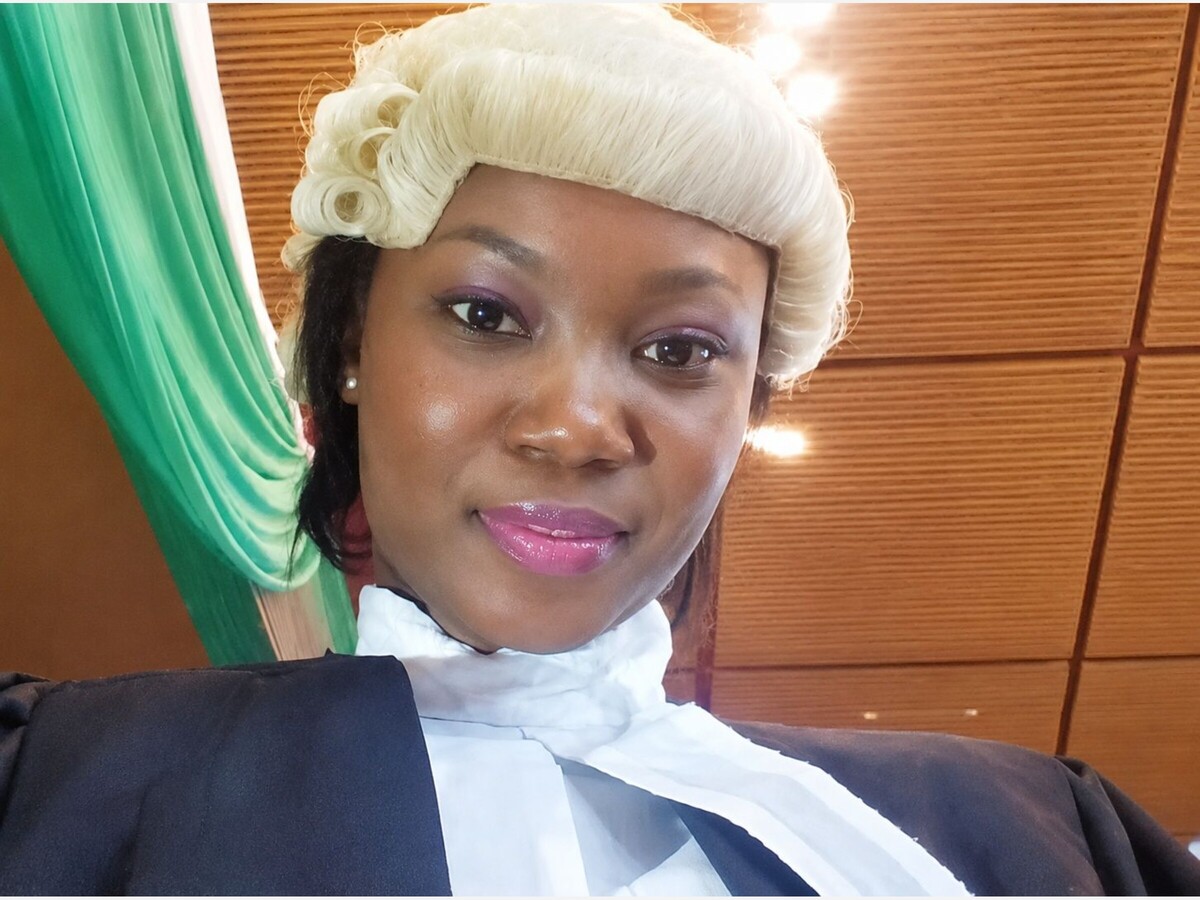



MINNEAPOLIS, MN (September 3, 2026). Long before Fatima-Zahrah Inusa became a lawyer or entered the worlds of humanitarian protection and safeguarding, she understood herself as someone who was supposed to look out for other people.
The instinct began at home.
Growing up in northern Nigeria as the eldest of three girls, Inusa remembers taking seriously the responsibility of watching over her younger siblings. Her father reinforced that sense of responsibility, sometimes asking her to speak with them or help guide them.
But there was another influence taking shape around her.
Inusa grew up hearing people sympathize with her mother because she had daughters rather than sons. She noticed the different value that could be assigned to girls and boys, and instead of accepting it, she developed an early determination to protect her mother and sisters.
Her childhood ambition was to become a police officer.
Her father suggested another possibility: law.
That conversation would eventually lead Inusa into a career concerned not simply with what the law says, but with a more difficult question that has followed her through much of her professional life: What happens to people who need protection when the institutions around them fail to see, hear or understand them?
It is a question that has taken her from legal training and justice work into humanitarian protection, safeguarding, gender equality and inclusion.
And it has changed the way she sees responsibility itself.
“I’m more compassionate as a person,” Inusa told MinneapoliMedia during a Voices From Across the World conversation. “I always think risk.”
She now considers not only what an action accomplishes, she said, but also its possible effect on the next person.
“I’m more mindful,” she said. “Whatever I do, whatever I say, whatever I post, how does it affect the next person?”
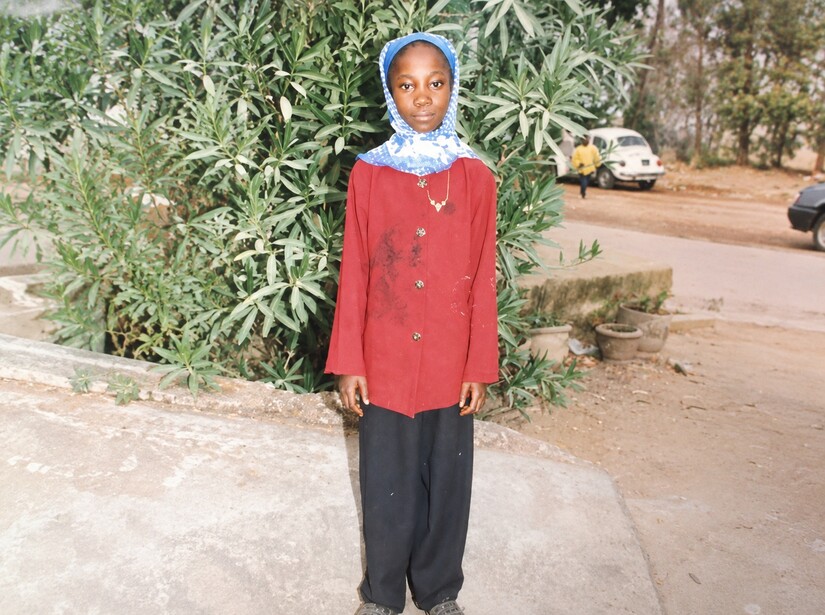
Inusa’s path toward protection work did not begin with a professional title.
While studying law, she became involved in human-rights advocacy and was exposed more closely to the ways women, girls and children could experience exploitation and violence.
She also began seeing the distance that can exist between rights established in law and the experience of someone trying to exercise those rights.
During her early legal and justice-sector experience, she became troubled by the tendency in some circumstances to treat domestic violence and other harms involving women and children as private family matters rather than matters deserving the full attention of justice institutions.
She also became increasingly conscious of another part of justice that can disappear when institutions concentrate entirely on legal procedure: the needs of the person who has been harmed.
What is that person's condition?
What support does that person need?
Who is listening?
Where can that person safely turn?
Those questions helped move Inusa away from conventional legal practice and toward humanitarian protection.
Her legal education remained important, but the purpose for which she wanted to use it had become clearer.
For Inusa, protecting rights could not end with knowing that those rights existed.
People needed information. They needed institutions they could trust. They needed services they could reach. And, crucially, they needed to be heard.
One of the tools Inusa values most in that work is deceptively simple: language.
She speaks Hausa fluently, something she considers particularly important when communicating with communities in northern Nigeria.
Language, in her experience, can determine whether information is merely delivered or actually understood.
It can also change who gets to participate.
Inusa described being able to communicate directly with women and community members, listen to what they say they need, and help make information accessible rather than arriving with predetermined assumptions about what a community requires.
That distinction is central to how she thinks about humanitarian work.
Communities should not simply be places where programs happen.
They should help shape those programs.
For women and children in particular, she said, creating meaningful opportunities to speak can make the difference between designing an intervention around assumptions and designing one around lived reality.
It is one of the reasons she takes pride in being able to communicate across linguistic and cultural settings.
“I get to feel that I do what I love,” she said.
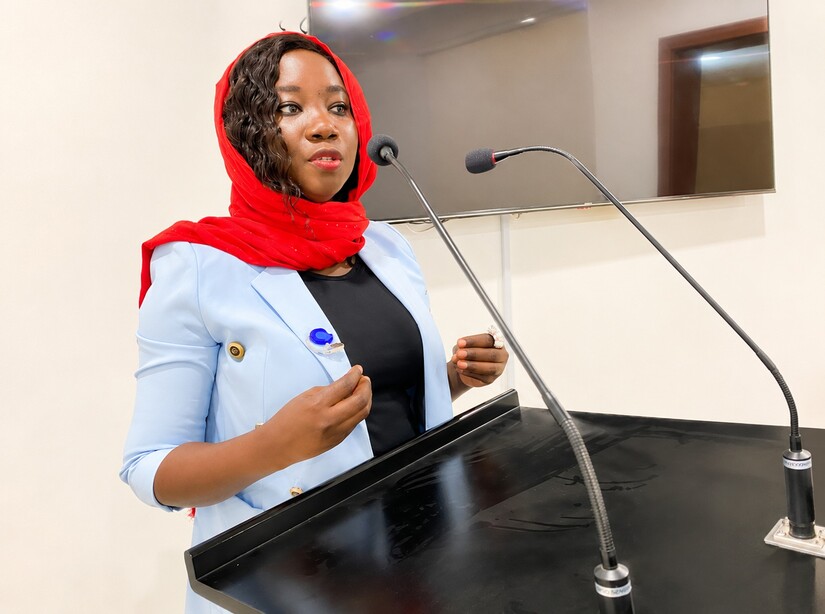
Outside humanitarian and international-development circles, “safeguarding” can sound like specialized institutional language.
Inusa describes it much more plainly.
At its core, safeguarding is the responsibility of an organization to ensure that its people, activities and processes do not harm those who come into contact with them.
That responsibility becomes particularly important in humanitarian settings because the relationship between an organization providing assistance and a person who depends upon that assistance is rarely equal.
Resources create power.
Access creates power.
Institutional authority creates power.
And whenever there is a significant imbalance of power, Inusa said, organizations must recognize the possibility that it can be abused.
Good intentions are therefore insufficient.
Organizations need standards governing conduct, mechanisms for accountability, appropriate staff preparation, safe avenues for raising concerns and meaningful support for people who experience harm.
Most importantly, safeguarding cannot exist only as a policy stored somewhere inside an institution.
It has to become part of its culture.
When an organization fails at that responsibility, Inusa said, the consequences can extend far beyond reputational damage. Trust painstakingly built with communities can disappear. People can be harmed. Legal consequences may follow. Staff can be affected. Funding relationships can be damaged.
The stakes are human before they are institutional.
That leads to one of the uncomfortable contradictions at the center of humanitarian work.
Organizations enter communities because people need assistance. But possessing the money, food, services, employment opportunities or other resources people need can place tremendous power in the hands of those arriving to help.
Inusa believes responsible organizations have to acknowledge that imbalance rather than assume that benevolent intentions eliminate risk.
Safeguarding, she explained, begins with recognizing the environment in which an organization operates, establishing clear expectations for behavior and ensuring that those expectations apply consistently.
Training matters.
Leadership matters.
Accountability matters.
So does creating more than one way for people to raise concerns, including ways that protect their privacy when necessary.
But systems alone cannot solve the problem.
People have to believe they can speak.
And institutions have to demonstrate that when they do, somebody will listen.
For Inusa, that is part of the difference between having a safeguarding structure and having a safeguarding culture.
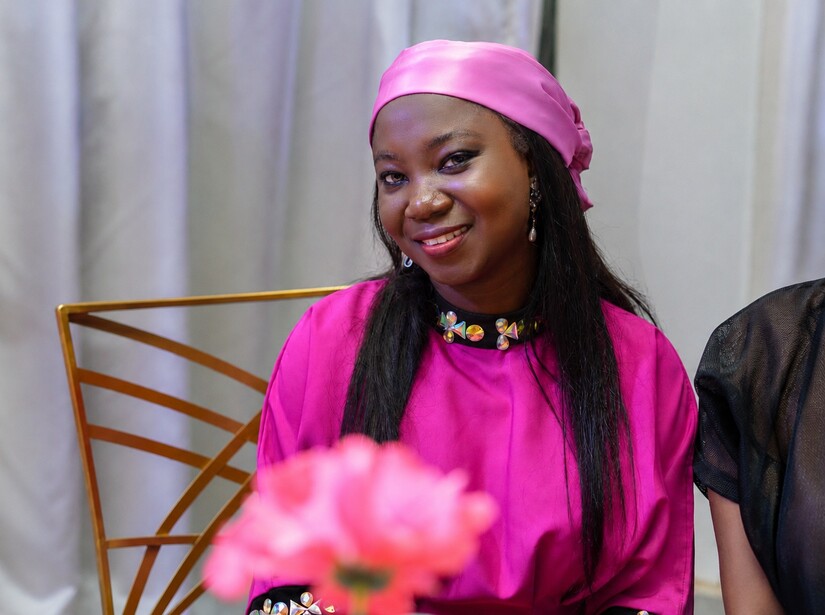
That same principle runs through Inusa’s thinking about women and girls.
Development organizations frequently speak about “empowerment,” “representation” and “inclusion.” Inusa does not dismiss those ambitions, but she cautions against assuming that simply placing someone from a particular demographic group in a room amounts to meaningful representation.
People within the same category do not necessarily have the same circumstances, resources or vulnerabilities.
Understanding those differences requires listening.
“You cannot bring aid to women and girls without hearing first from them,” she said.
Inusa rejects the idea that women in vulnerable communities are incapable of identifying solutions to the problems confronting them.
“Women are very resilient,” she said.
When women are genuinely engaged and allowed to participate, she said, they can develop local solutions that make sense within the realities of their own communities and have a better chance of enduring after an outside intervention ends.
It is a seemingly simple idea with significant implications for international development: expertise does not belong exclusively to the organization arriving with resources.
The person living the problem possesses expertise too.
There is another side to protection work that appears less frequently in institutional reports.
The people responsible for responding to abuse, exploitation and vulnerability must repeatedly encounter some of the hardest experiences in other people's lives.
Inusa does not pretend that exposure leaves a person untouched.
There are difficult periods, she acknowledged, including the frustration of seeing the same problems repeatedly.
But she also described the work as humbling.
Being close to people whose access to food, livelihoods or other necessities may depend on humanitarian assistance reminds her of her own privileges and of the responsibility that accompanies being in a position to help.
She continues to find fulfillment in the work.
“I’ll do it over and over and over again,” she said.
The work has also made her more watchful in ordinary life. She notices risks. She considers consequences. At times, family members remind her that she cannot protect everyone.
She knows that.
The instinct remains.
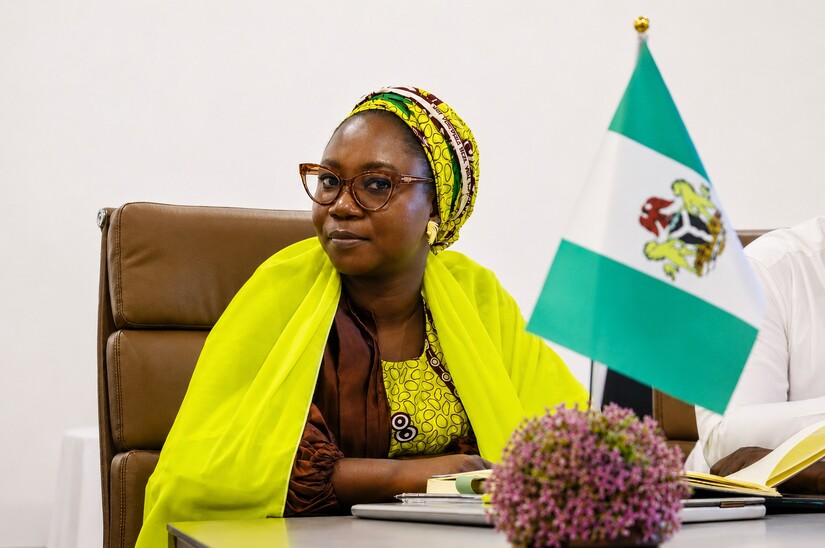
When the conversation moved away from safeguarding and toward home, Inusa's tone changed.
She wanted to talk about Nigeria.
Not simply the Nigeria that reaches international audiences through reports of insecurity, conflict or poverty, but the country she knows.
“It's a beautiful place,” she said.
She sometimes shares photographs of landscapes that challenge assumptions about what parts of northern Nigeria look like.
But her argument about Nigeria goes beyond scenery.
She pushes back against broad assumptions about education and intellectual life in northern Nigeria, pointing with pride to her own family. Her father, she said, is more educated than she is.
Nigeria, in her telling, is a country of “great brains,” talent, food, cultures and people whose identities can cross the country's regional boundaries.
Her own life reflects some of that connection.
Inusa delights in the names she has been given in different parts of the country, including names from southeastern, southwestern, South-South and Middle Belt communities.
The collection means something to her.
It speaks to a Nigeria that is plural but connected.
“Nigerians are sweet, good, amazing people,” she said.
She does not deny the country's challenges. Poverty exists. Insecurity exists. Nigeria, like every society, has people who do harm.
But she objects to allowing those realities to become the whole story.
“We have great talents, great minds,” she said.
And, she added pointedly, Nigerians should not collectively be characterized by the misconduct of some.
Good and bad people exist everywhere.
“I genuinely love Nigeria,” she said. “I genuinely love Nigerians.”
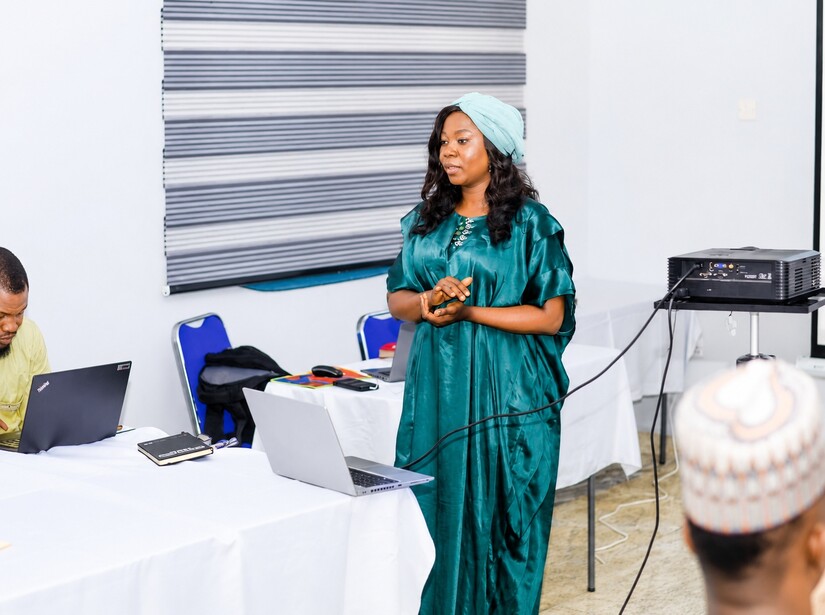
Inusa also sees evidence of change within the humanitarian and international-development system itself.
For years, one of the enduring criticisms of international assistance has been that institutions with resources can define a community's problems and prescribe solutions without sufficiently involving the people expected to live with those decisions.
Inusa believes progress has been made.
Needs assessments increasingly ask communities what they require rather than simply deciding for them. Local organizations have greater roles in some programs. Community structures can participate in decisions about priorities and implementation.
Even language has begun to change.
Rather than referring to people simply as “beneficiaries,” Inusa pointed to the increasing use of “participants.”
The distinction matters.
A beneficiary receives.
A participant has a role.
For Inusa, meaningful humanitarian work should move toward the latter.
She gave a practical illustration: even something as seemingly straightforward as providing food can fail if an organization assumes that people in different parts of a diverse country eat the same things or have identical needs.
Ask first.
Listen.
Then act.
It is the same principle that has surfaced repeatedly throughout her career.
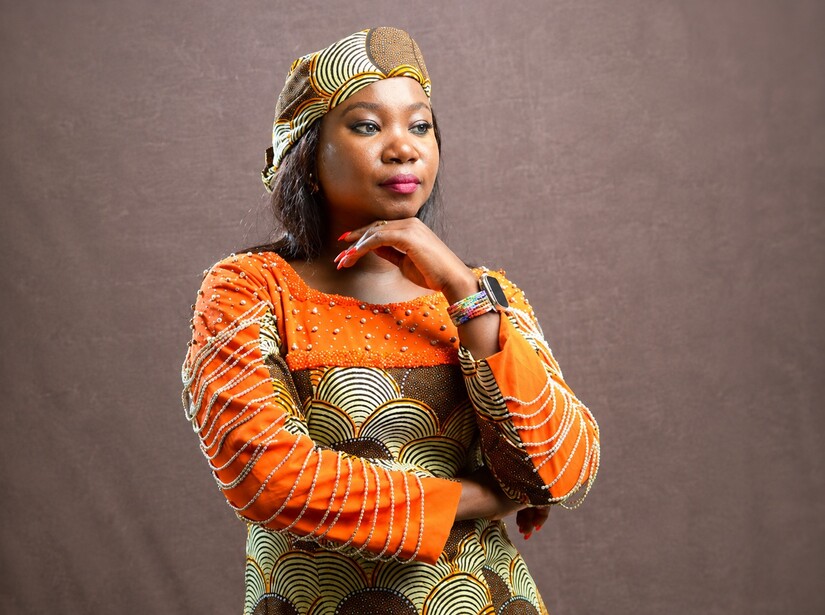
When Inusa considers the distance between the young woman who entered law and the professional she has become, she sees changes that reach well beyond her résumé.
She listens more.
Growing up, she said, she could argue about almost everything.
Now she is more likely to stop and hear someone out before responding.
The work has also made her acutely conscious of how apparently ordinary actions can affect other people.
She notices potentially unsafe situations involving children. She questions material shared publicly when she believes it could expose someone to harm. Assessing risk has become not simply something she does professionally but part of the way she moves through the world.
Still, she believes those changes have made her better.
“I listen more,” she said.
Asked what kind of future she hopes her work helps create, Inusa returned to women and children.
Her answer was direct.
She wants a world in which their rights are respected.
And she rejects the suggestion, sometimes embedded in discussions of gender equality, that recognizing those rights amounts to generosity.
Women and children are not being done a favor when their rights are protected, she said.
They possess those rights because they are human beings.
She wants women to have meaningful access to education, employment and leadership. She wants women participating in the decisions that affect their communities and societies, including efforts to build and sustain peace.
And she wants inclusion to mean more than issuing an invitation.
Women must actually be heard.
At the end of the conversation, Inusa was given an opportunity to add anything the interview had missed.
She returned to where her story began.
Family.
And particularly her father.
Her voice became emotional as she described the support she received from him as a girl.
When she announced that she wanted to become a police officer, he did not dismiss the ambition because she was a girl. He encouraged the protective instinct behind it and ultimately helped direct it toward law.
She remembers growing up with the confidence that wherever she went, someone stood behind her.
That feeling of being protected mattered.
It gave her courage.
And it now informs what she believes adults owe children.
Parents, relatives, guardians, neighbors and other adults all have roles to play in helping children understand their worth and possibilities, she said.
The encouragement a child receives can become an investment whose results may not be visible for years.
Her father's investment became visible in a daughter who grew up wanting to protect her mother and sisters, entered law, encountered the vulnerabilities of women and children, and built a career around the proposition that power carries responsibility.
Inusa's professional vocabulary today includes safeguarding, protection, inclusion and humanitarian assistance.
But underneath those terms is an idea she learned much earlier.
People should know that somebody will stand up for them.
And perhaps that is the clearest thread running through Fatima-Zahrah Inusa's story: from the girl who wanted to become a police officer so she could protect the people she loved, to the lawyer who questioned whether justice was sufficiently attentive to those who had been harmed, to the safeguarding professional asking institutions to consider the consequences of their own power.
The titles changed.
The instinct did not.
For Inusa, the work ultimately returns to something elemental: listen to people, recognize their dignity, understand the power you hold, and do not mistake respecting another person's rights for doing them a favor.

Local stories matter. Subscribe free to MinneapoliMedia and receive independent news, community reporting and important updates from Minneapolis, the North Metro and communities across Minnesota.
SUBSCRIBE FREE: https://minneapolimedia.town.news/subscribe
MinneapoliMedia | Community. Culture. Civic Life


Sunny, with a high of 67 and low of 47 degrees. Sunny in the morning, overcast in the afternoon, clear overnight.