76° and Overcast
Image
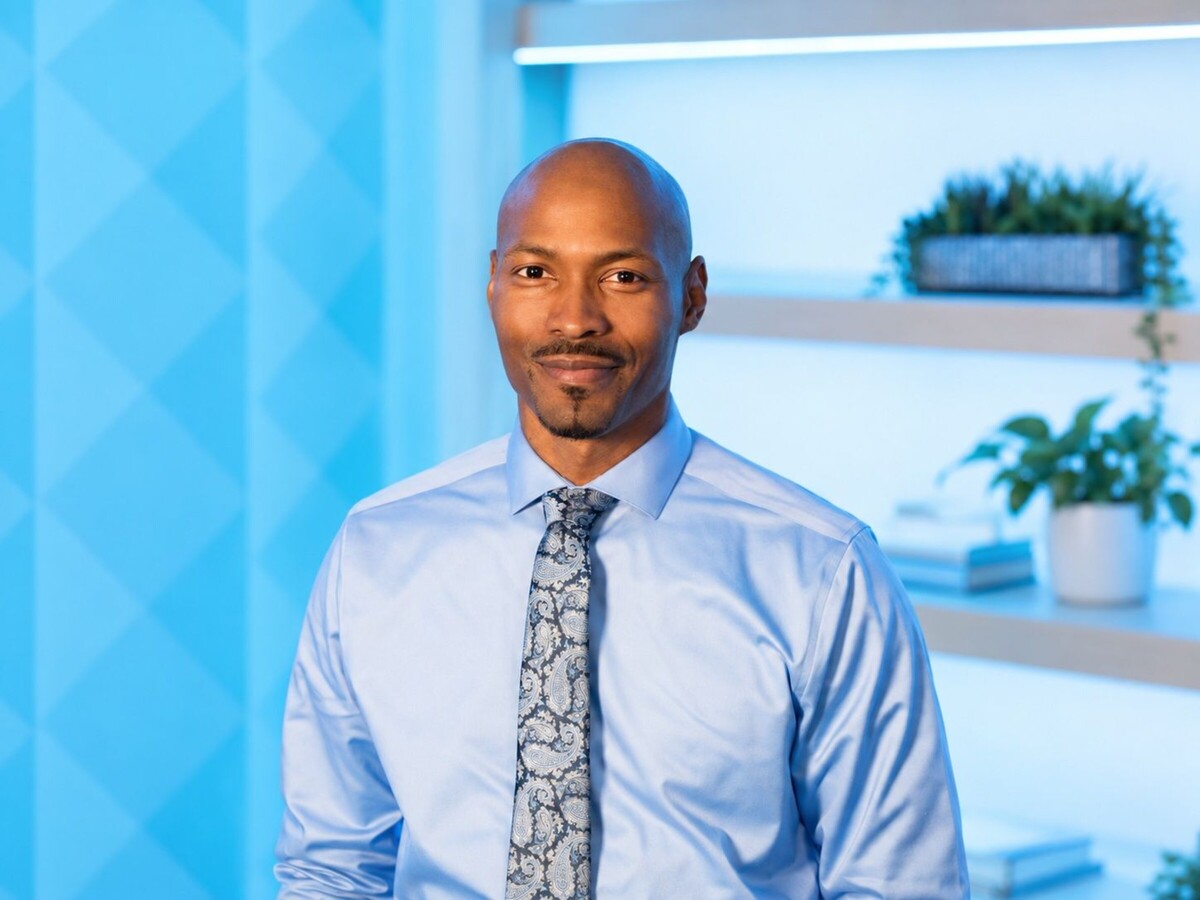



MINNEAPOLIS, MN (September 22, 2026).
Omari Chatman did not particularly want to be interviewed, something that became apparent long before we finally sat down together in person. When I approached Chatman about telling his story, he did something unusual: he gave me somebody else's.
Before talking about himself, Chatman wanted MinneapoliMedia to meet Jerry Steel, a general contractor he respected and believed had spent years helping people in the community without receiving proper recognition. Recognition, Chatman insisted, mattered.
That instinct to point toward someone who came before him makes sense in hindsight. The story of Omari Chatman is fundamentally about what happens when someone hands another person knowledge, an opportunity or simply enough room to change course.
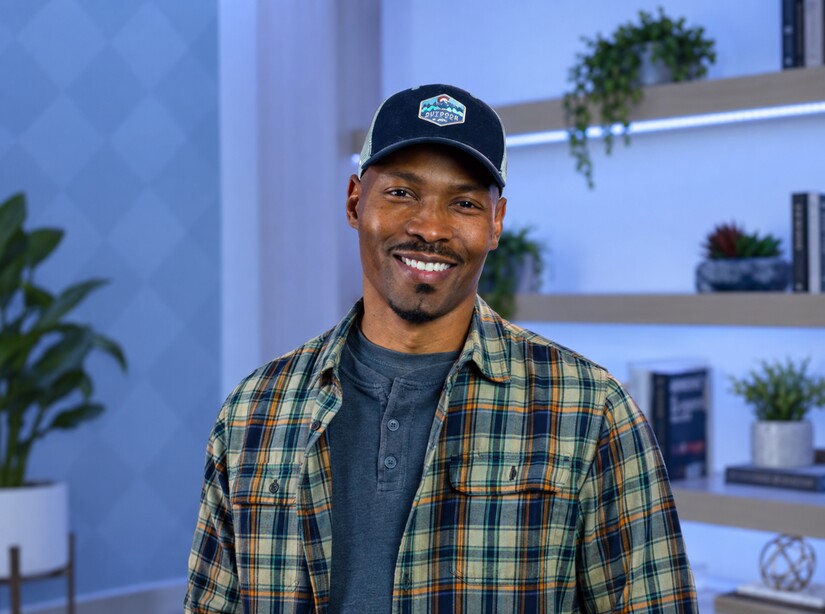
Before Chosen to Build Construction, before Minnesota, before community gardens and city policy meetings, there was Detroit, where Chatman describes his childhood environment plainly: "To me, I called Detroit a third-world country."
His early memories contain little stability. He remembers moving repeatedly, living in housing projects and with relatives, and leaving possessions behind as his family moved from place to place. Drug activity, gangs and fights over territory were part of the environment he encountered growing up.
"I was trying to be killed even at the age of nine," Chatman said, recalling threats that persisted into his teenage years.
Yet inside that environment, Chatman held onto a quiet ambition. "I always wanted to be a scientist or a carpenter," he said. The carpenter eventually won, though the route there was anything but immediate.
A critical turning point came when he went to live with his grandmother. She established structure in his life, taking him to church and teaching him how to greet people, how to cook and how to conduct himself.
"If it wasn't for her, my grandmother, I probably would have been still in gangs or selling drugs," he said.
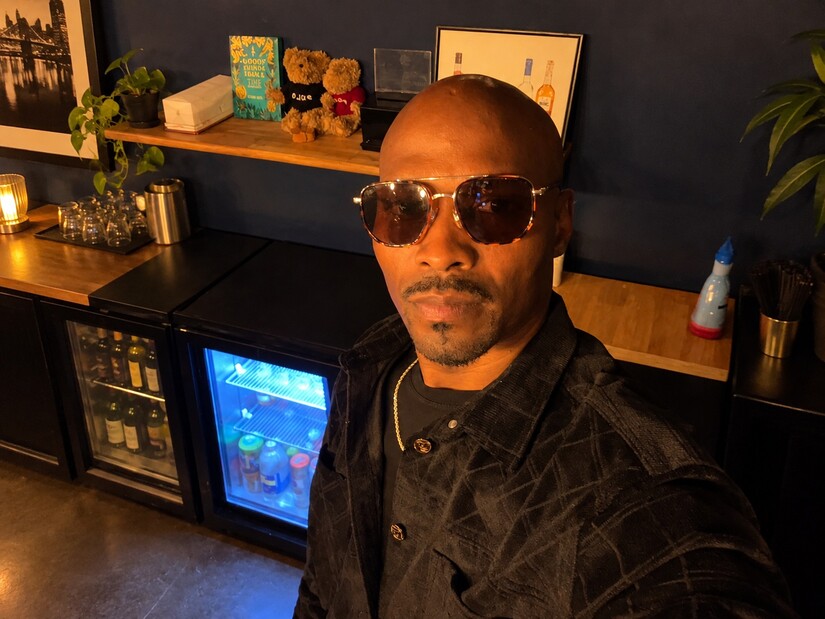
Hoping to give Chatman and his cousin a different environment, his mother sent them to the Job Corps away from Detroit. What Chatman remembers finding there, however, was another volatile environment. He recalls gangs operating among the young people at the facility and violence erupting soon after he and his cousin arrived.
After learning that his grandfather had died, Chatman decided to leave. He and his cousin caught a ride as far as Chicago, where they found themselves stranded without money for bus tickets back to Detroit.
Facing desperate circumstances, Chatman said they were preparing to rob someone to obtain transportation home. As they were walking out the door, however, a stranger stopped them and offered the intervention that Chatman still remembers decades later.
"He said he was going to pay for our tickets," Chatman recalled.
Chatman views the timing as providential. "That had to be God," he said. "It had to be an angel."
They returned to Detroit, where Chatman knew he had a choice to make. He understood what deeper involvement in street life could mean, but he also knew he needed another direction. Construction became part of that choice.
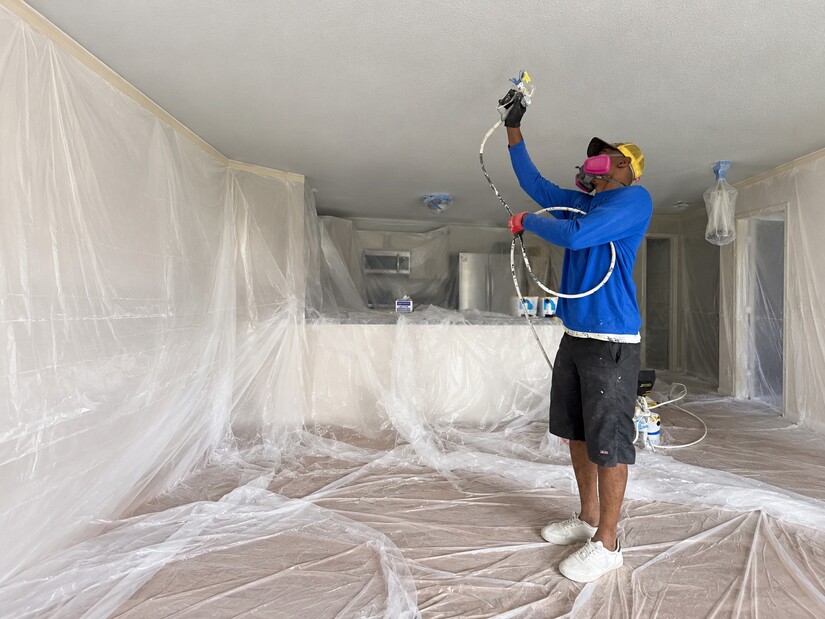
Chatman remembers some of his earliest trade experience coming through a man named Mr. McGee and his daughter, who were making laminate cabinet tops. Chatman learned what he could there, then began looking for opportunities to learn construction.
He found a job site and started helping the workers without pay. For roughly two or three months, Chatman said, he cleaned the site, unloaded materials, carried tools and brought workers nails and other things they needed. He watched closely enough that he eventually began anticipating what the workers would need before they asked him for it.
"They saw that I was paying attention," he recalled.
Eventually, the workers began teaching him how to build houses and started paying him. He learned framing and other construction work and remembers being given some of the more dangerous jobs at heights, even though heights frightened him.
By his late teens, Chatman was already experimenting with working for himself, including operating a small moving business. He later worked at Wayne State University for several years while continuing construction and remodeling work at different points. The trade had begun attaching itself to his life, and his eventual move to Minnesota would deepen that connection.
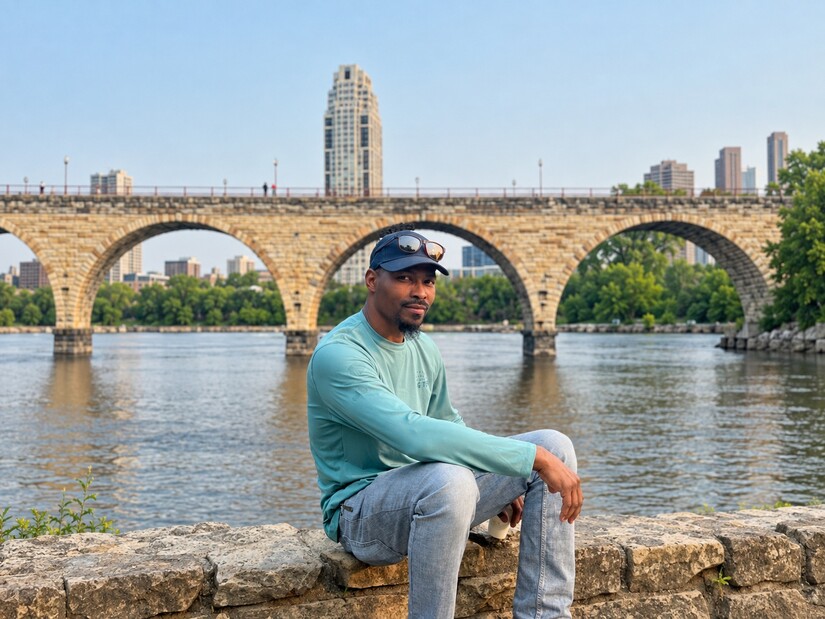
Chatman arrived in Minnesota during the winter of 1999 and found framing work with Charles Cudd, a Twin Cities residential builder. Chatman remembers spending roughly seven years framing houses, installing sheathing and performing rough construction work.
"That's where I learned most of my skills, like hard skills," he said.
Learning those skills came with another price. Chatman said he encountered racism and disrespectful comments on job sites, and he believed some of it was intended to discourage him from remaining in the trade. He stayed because he was determined to learn.
"I knew that if I was going to learn the trade, I would have to take all of it," he said.
Chatman was also carrying something from his teenage years in Detroit that complicated his attempt to establish himself in Minnesota. During our interview, he spoke openly about being caught with a firearm as a teenager. Chatman said he had carried it for protection amid the violence around him and because younger relatives were sometimes with him. He said the resulting felony record later made finding housing difficult.
That history would eventually connect him to an organization built around second chances and, in time, put him in a position to help other men looking for theirs.
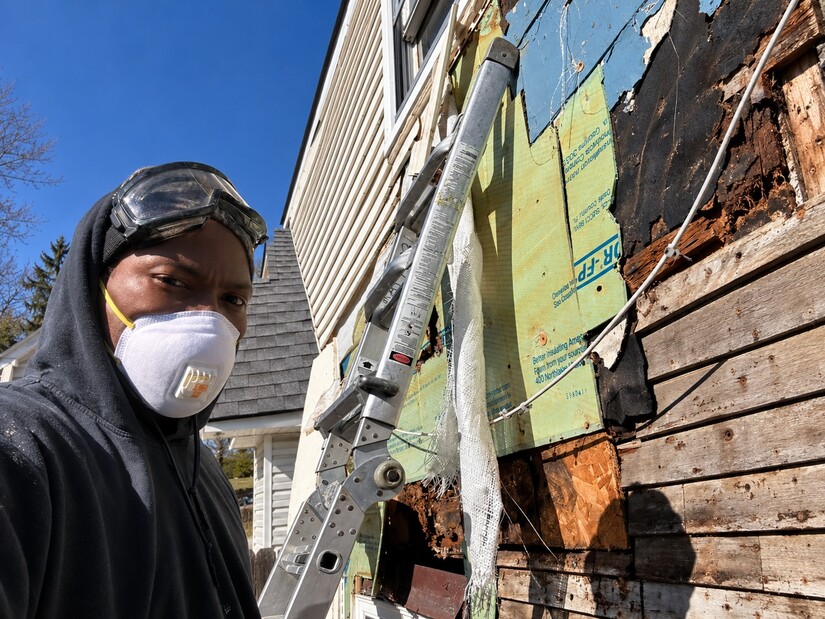
Chatman remembers driving along Olson Memorial Highway and noticing activity around Summit Academy OIC. He stopped to learn more. By then, he already possessed construction experience, but he said he was interested in what the trade school could offer and in making connections that might lead to better opportunities.
Nearby, he learned about NetWork for Better Futures, an organization working with men facing significant barriers to employment and housing, including people carrying criminal records.
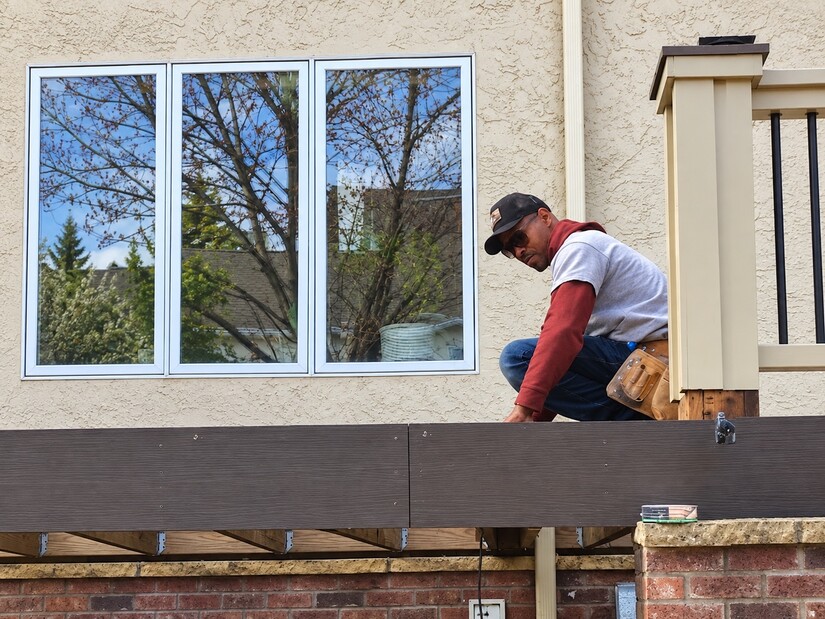
Chatman said the program helped him with housing, but his construction experience soon created another role for him. He started as a worker and, within a relatively short period, said other men began following his direction because he knew the work. He eventually became a crew chief.
For roughly seven years, Chatman said, his days could begin with picking men up from housing and bringing them to the program. There were morning exercises, discussion of the day's work and what participants called "The Creed." Chatman would then take crews to job sites. At the end of the day, they returned, reviewed what had happened and prepared for the next day's work before he took them home.
By 2009, Chatman was serving on NetWork for Better Futures' Community Council.
There was a striking symmetry in that chapter of his life. Chatman had arrived needing another opportunity himself, but the construction knowledge he carried eventually put him in a position to lead other men who were also trying to establish stability in their lives.
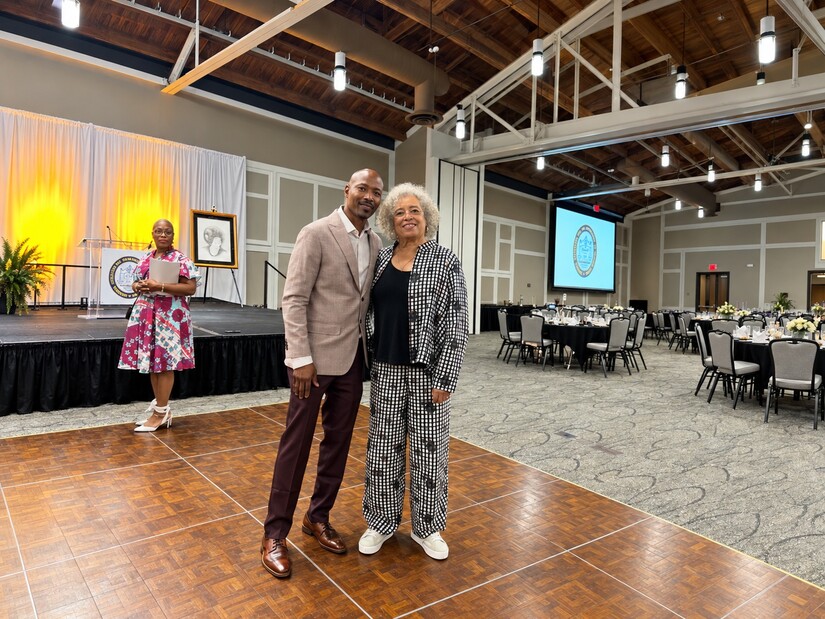
Construction eventually brought Chatman into contact with Hope Community in South Minneapolis. His crews performed work around the area, and because Chatman lived nearby, he began noticing people outside gardening on weekends and started helping.
That involvement led to relationships at Hope and eventually to an invitation to work with young people. For Chatman, the request was emotionally complicated because he was separated from his own children at the time.
"I had to fight a lot of things with myself," he said.
Mentoring other people's children while being away from his own forced him to confront some of those feelings, but he became involved nonetheless. Chatman recalls working with young people on community projects, including film work connected to the history of the 1969 Morrill Hall takeover at the University of Minnesota, when Black students occupied the administration building while demanding changes at the university.
His involvement at Hope also drew him deeper into gardening. Hope Community records document Chatman's work as a volunteer, and by 2012 he was using a Hope garden to practice permaculture principles he had learned through an Urban Farmer certification from the Permaculture Research Institute. He later headed the garden, working with community members on what to grow and what to do with surplus produce.
"Being in the garden breaks through race issues," Chatman said in an account preserved by Hope Community. "It's a common thing we all have in our spirits and our souls."
Construction had given Chatman one way to build. The garden introduced another, and that work would eventually carry him into conversations about how Minneapolis approached food and urban agriculture.
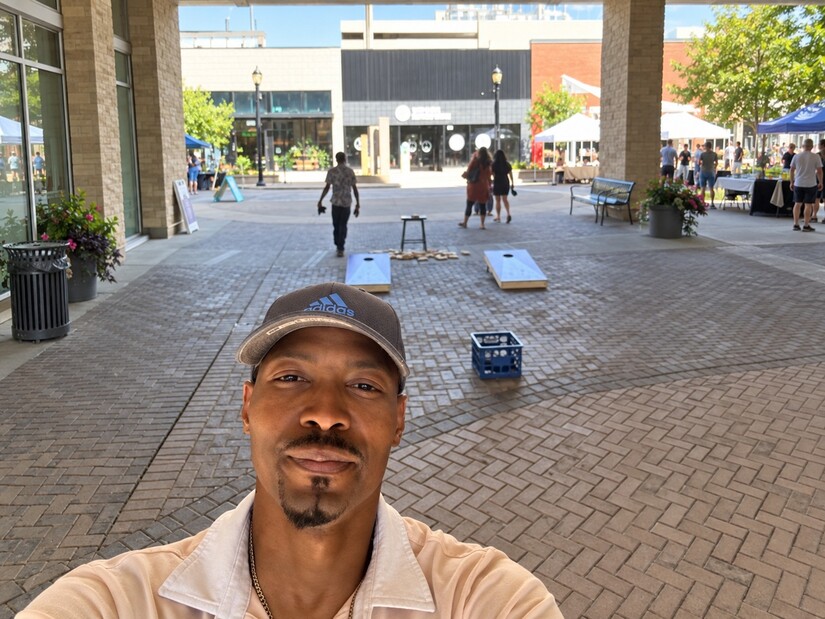
Chatman's agricultural work eventually expanded into civic advocacy, and by 2014, he was serving as co-chair of the Homegrown Minneapolis Food Council.
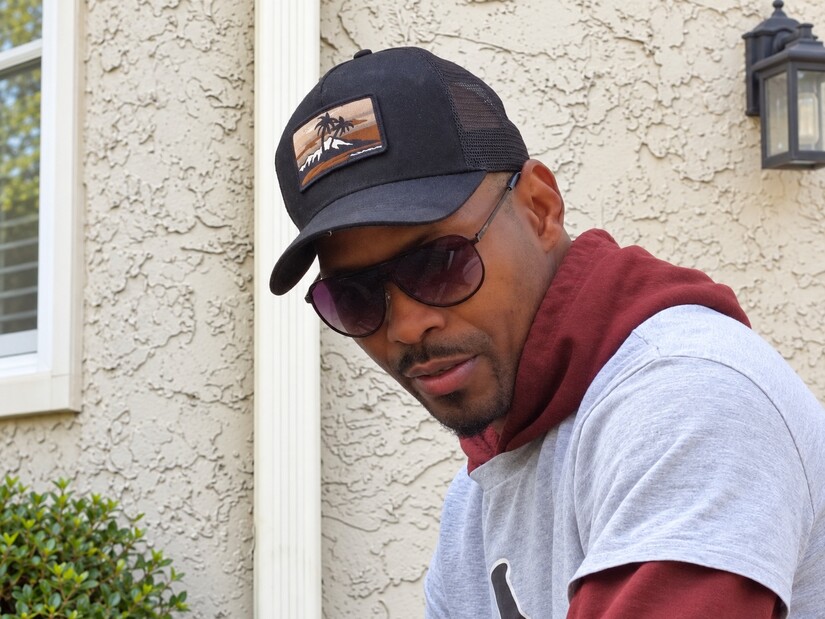
City records show Chatman and fellow co-chair Russ Henry submitting recommendations to Minneapolis leaders in July 2014 regarding proposed changes to the city's farm-stand regulations. The council advocated changes intended to give urban farmers and market gardeners greater opportunities to sell locally grown food and expand access to fresh food in Minneapolis.
Chatman remembers broader conversations about what urban agriculture could look like in the city, including gardens, hoop houses, bees and chickens. For someone whose life had begun far from government conference rooms, participating in those conversations meant something.
"That was big to me," he said.
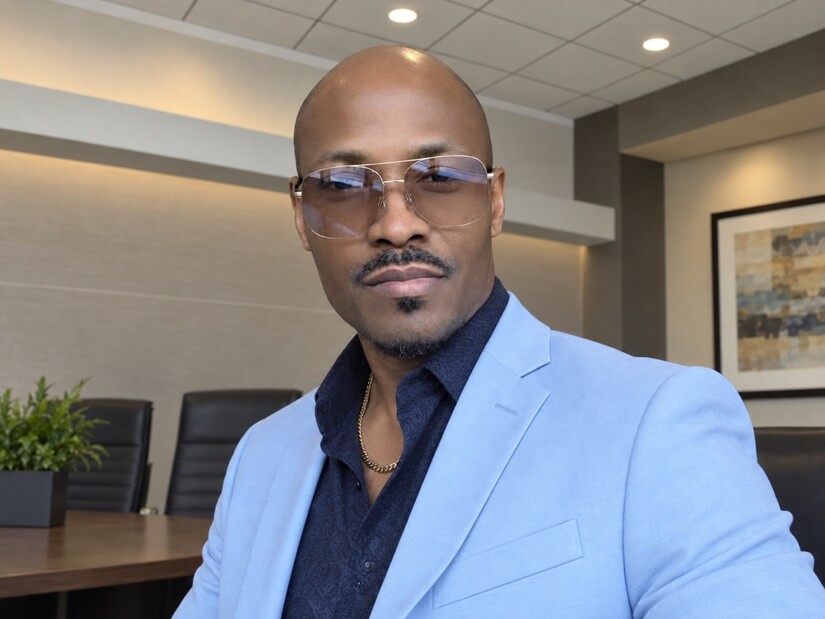
On June 28, 2016, Chosen to Build Construction LLC began doing business in Minnesota. The company marked 10 years in business in 2026 and became accredited by the Better Business Bureau in August.
The meaning behind its name, however, cannot be found in a business filing.
When I asked Chatman why he called the company Chosen to Build, his answer extended well beyond construction. He talked about customers choosing him, about running crews and training people, but he also talked about people who have been through difficult circumstances and still possess the capacity to change, learn and become something more than their history might suggest.
"We're still chosen after everything we've been through," he said.
For Chatman, that is what he hopes people will eventually understand about the name.
Running the company has repeatedly tested that belief. Chatman handles much of the operation himself, from meeting clients and preparing estimates to invoices, materials, job-site work and training. He said there have been repeated periods, particularly over the past several years, when he wondered whether the business would survive.
What kept him going was not simply the company itself, but what he believed might disappear with it.
"If I quit," Chatman said, "then people won't have the opportunity to gain that."
He was talking about the knowledge of the trade and the skills somebody once took the time to pass to him. Giving up, he said, would feel like giving up on his community.
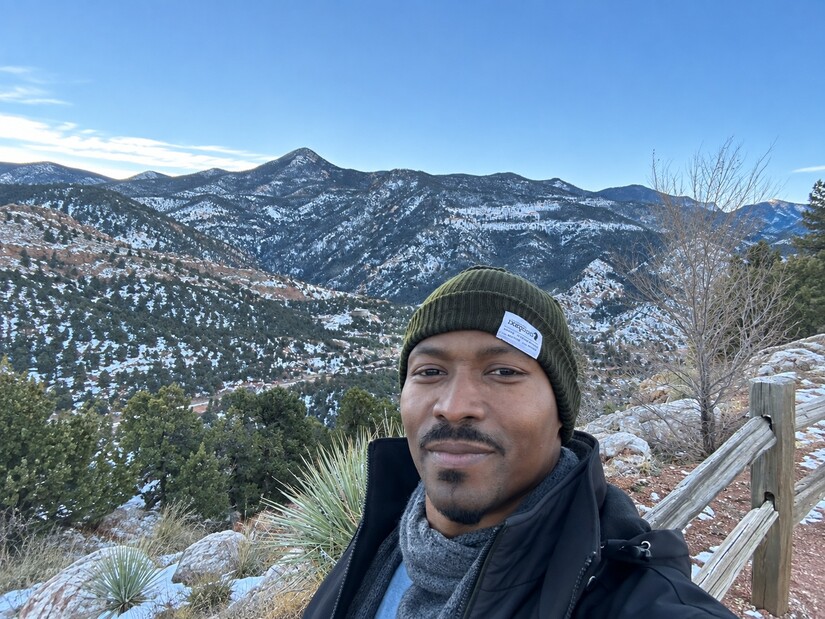
When our conversation turned to the experience of Black contractors and entrepreneurs in Minnesota, Chatman talked about money, opportunity and access, but he also described a less visible problem. Small contractors can become trapped inside the daily operation of their businesses.
Chatman knows the problem firsthand. A contractor may be estimating jobs, meeting customers, preparing invoices, purchasing materials, managing workers and then performing the physical work himself. That leaves little time to build the administrative systems necessary to grow.
"We can't grow because we're stuck at a certain point," he said.
Chatman believes small contractors, particularly minority-owned firms trying to expand, need assistance that meets them where they actually are. He envisions experienced professionals working directly with businesses for several hours each week, helping owners navigate areas such as paperwork, taxes, finances and the administrative demands that become increasingly important as a company grows.
The objective, in his view, is not simply to hand somebody money and walk away. It is to help capable contractors build businesses that can employ more people and compete for larger opportunities.
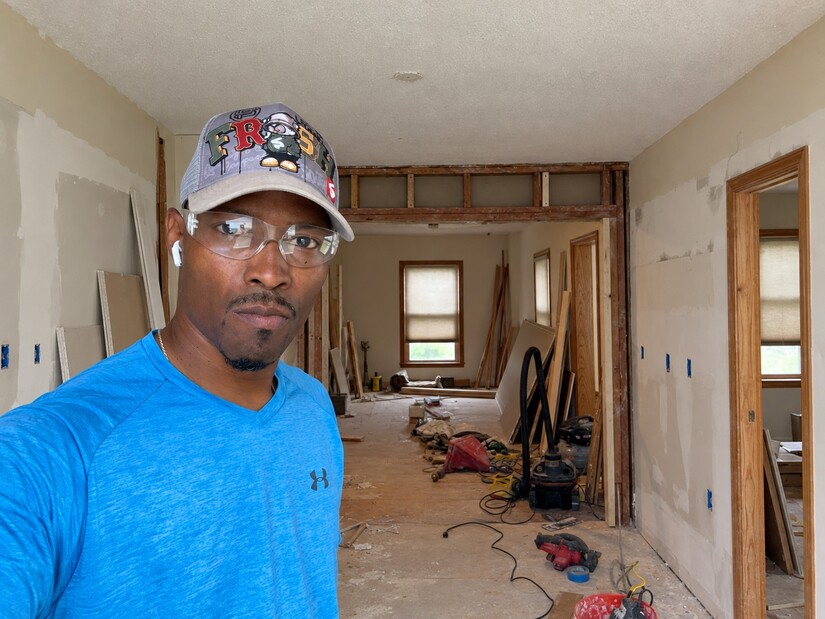
That question of capacity became more concrete when I asked Chatman how many people he believed he could train if the right support existed.
"Five to seven," he said.
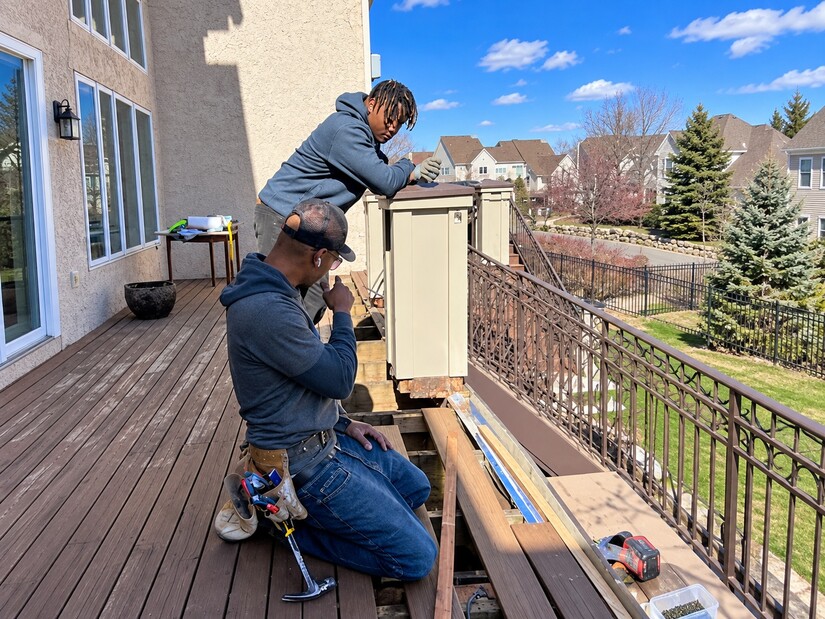
He currently works with a much smaller number. Chatman described programs he has encountered that help cover the cost of placing trainees with contractors for limited hours each week. He believes more support of that kind could allow small construction businesses like his to spend meaningful time teaching people on actual job sites.
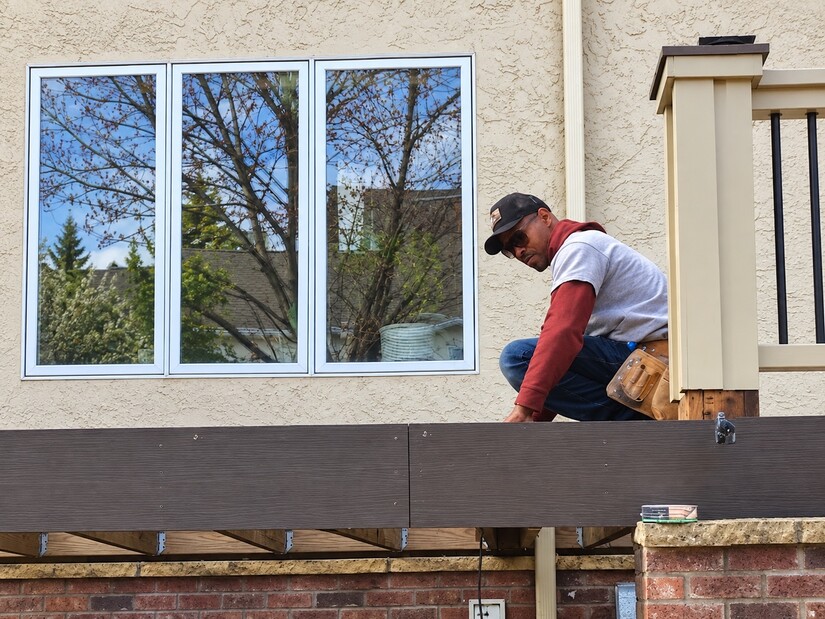
One area he would like to teach is flooring, but his idea does not end with training someone to install a floor. Chatman imagines trainees eventually using some of what they learn to help elders and other people in the community who need work done in their homes. In his vision, learning a skill that can provide a living would carry an accompanying responsibility to use some of that knowledge in service to the community.
"That's the only way," Chatman said. "Then you get the community back behind you."
For now, it remains a vision of what could become possible with the right partners, funding and space.
Chatman has already worked with people trying to enter the trades, including peo
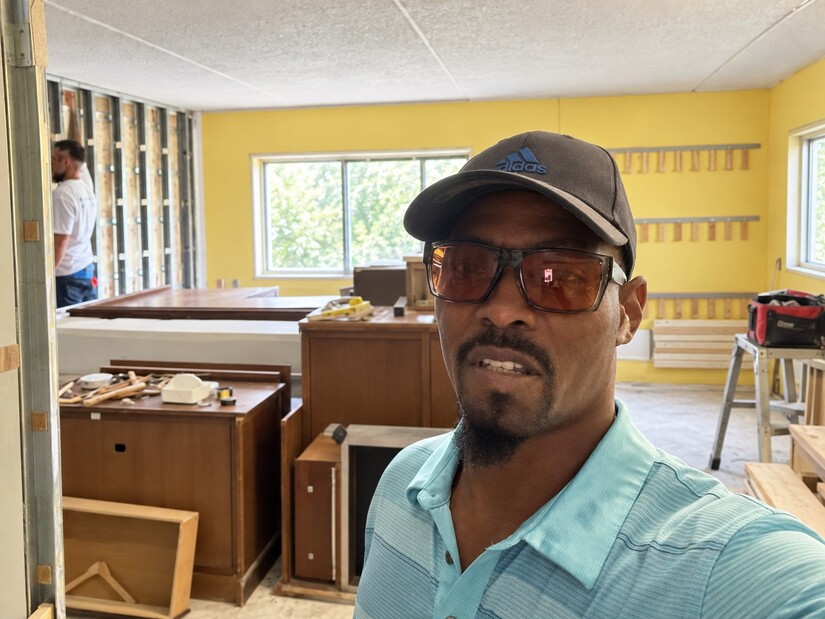
ple experiencing housing instability, and those experiences have taught him to look for one quality before almost anything else.
"Willingness," he said. "Number one."
Before taking someone onto a job site, Chatman wants to know whether the person is prepared to listen, learn basic safety, show up when expected, work with others and admit what he or she does not know. He sometimes meets prospective trainees before putting them to work so he can explain what a job site requires and determine whether their interest extends beyond collecting a paycheck.
He is less interested in where someone has been than in what that person is willing to do next.
"I don't care what background you've been through," he said.
Chatman tells people that he has made mistakes himself, but he also believes an opportunity to learn should go to someone prepared to use it.
"If you're here for the money, then go apply for a job somewhere else," he said. "You're taking somebody else's space."
For Chatman, the objective is not simply employment. It is learning something durable enough to support yourself and, eventually, possessing enough knowledge to pass some of it to somebody else.
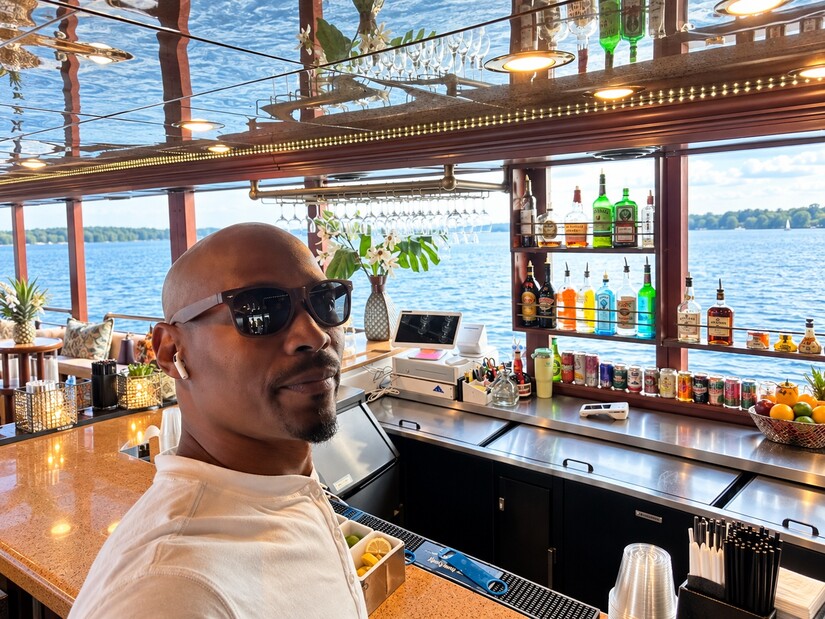
Late in our conversation, Chatman finally addressed something that had hovered over the interview from the beginning: why had it been so difficult to get him to sit down?
"I don't like to be exposed," he admitted.
Being publicly visible means allowing people to see more than the finished jobs and the business name. It means acknowledging mistakes and chapters of a life that may be easier to keep private.
"We all made mistakes in our lives," he said.
Chatman said, however, that he has begun to see visibility differently. Family members and friends are entering the trades. Other people are watching what he has built, and they have also seen his setbacks. He spoke about faith and the possibility that telling his story might serve somebody else.
"God is pulling me forward," he said. "So there's no sense in me sitting back."
Then he explained what that meant.
"This is not for me," Chatman said. "It's for other people."
His grandfather came to mind as he talked about the importance of passing knowledge along. Chatman remembers being taught how to cook and being exposed to gardening when he was young. As an adult, he has come to appreciate the value of knowledge moving from one person and one generation to another. He does not want what he knows to stop with him. He wants to share it.
Before our conversation ended, the interview returned to the man Chatman had wanted MinneapoliMedia to meet before himself: Jerry Steel.
I had previously reached out to Steel and his daughter after Chatman introduced us, but the interview had not materialized. When I told Chatman that, he seemed genuinely surprised and pulled out his phone.
Right there in the middle of his own interview, Chatman called Steel. He explained that he was sitting with me and again told Steel why he believed his story deserved recognition.
Steel was cautious. He wanted to know more about MinneapoliMedia, understand the intended conversation and receive information about the publication before deciding whether to sit down.
I understood and explained that MinneapoliMedia is interested in documenting people whose contributions are known within their communities but may never receive broader recognition. Steel agreed to consider the interview after receiving additional information.
For Chatman, the call had accomplished something that reflected the instinct he had shown from the beginning. Attention had arrived at his door, and while finally allowing some of it to rest on him, he was still looking for a way to direct some of it toward somebody else.
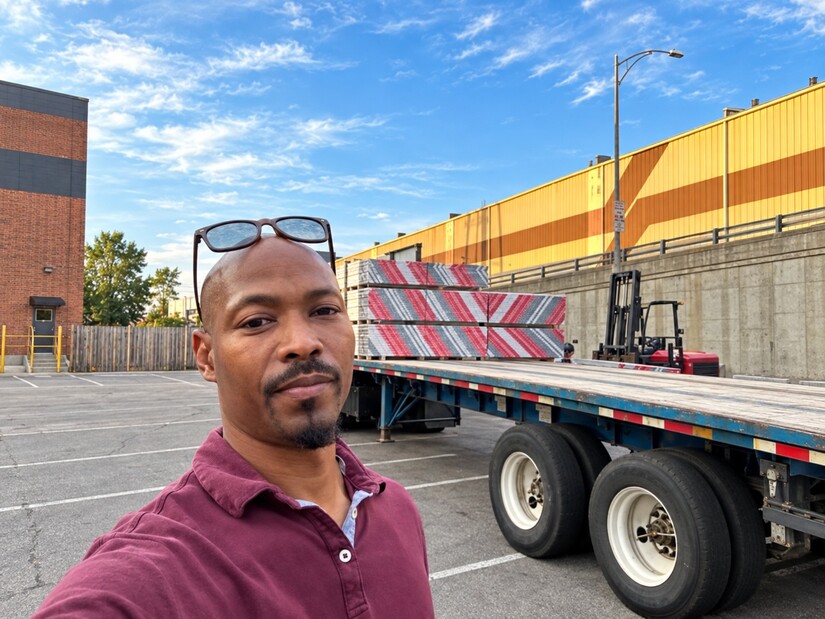
At first glance, Chosen to Build sounds like an appropriate name for a construction company. Chatman is a contractor, and he has spent decades learning how to build. After listening to him recount Detroit, his grandmother, the stranger in Chicago, the construction workers who allowed him to learn beside them, the second chance he found in Minnesota, the men he later supervised, the young people he mentored, the gardens he helped cultivate and the workers he now wants to train, however, the name begins to carry a meaning that extends beyond construction.
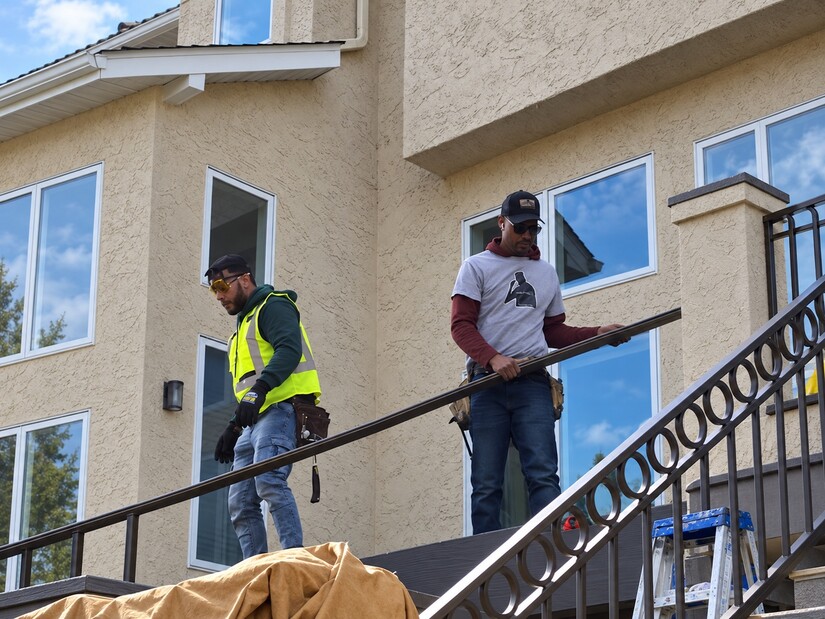
Chatman's life has repeatedly been shaped by people willing to pass something forward, whether that was knowledge, discipline, a skill, a place to stay, a job, another chance or, at one critical moment in Chicago, a bus ticket home. He has lived long enough to understand that receiving those things can also create a responsibility to make sure they do not stop with the person who benefited from them.
The teenager who once worked without pay because he desperately wanted to learn a trade now wants to teach that trade to others. The man who once needed help finding housing later spent years leading crews of men trying to rebuild their own lives. His willingness to help in a neighborhood garden eventually led him into community leadership and conversations about urban agriculture in Minneapolis. Even the contractor who did not particularly want his own story told interrupted his interview to advocate for another builder whose contributions he believed deserved attention.
None of that makes Chatman's journey neat, and he does not describe it that way. There were mistakes and setbacks, periods when the business struggled and moments when continuing seemed uncertain. There are still things he wants to build that he does not yet have the resources to create. His ambitions for training more people remain ambitions rather than a finished program, and the company he has kept alive for a decade remains the kind of small business in which the owner is often required to be administrator, estimator, trainer and tradesman at the same time.
Perhaps that unfinished quality is part of what makes Chatman's understanding of building different. For him, building is not merely producing something finished. It is also taking what somebody once placed in your hands, making something useful from it and ensuring that the knowledge does not end with you.
"If I quit," he said, "then people won't have the opportunity to gain that."
Later in the conversation, he expressed the same idea more personally when he explained why he had finally agreed to open parts of his life to public view.
"This is not for me," Chatman said. "It's for other people."
Omari Chatman learned how to build houses. What he appears determined to build now is an opportunity for the people coming behind him.

Local stories matter. Subscribe free to MinneapoliMedia and receive independent news, community reporting and important updates from Minneapolis, the North Metro and communities across Minnesota.
SUBSCRIBE FREE: https://minneapolimedia.town.news/subscribe
MinneapoliMedia | Community. Culture. Civic Life

Overcast, with a high of 78 and low of 54 degrees. Overcast in the morning, sunny in the afternoon, overcast in the evening,