60° and Clear
Image
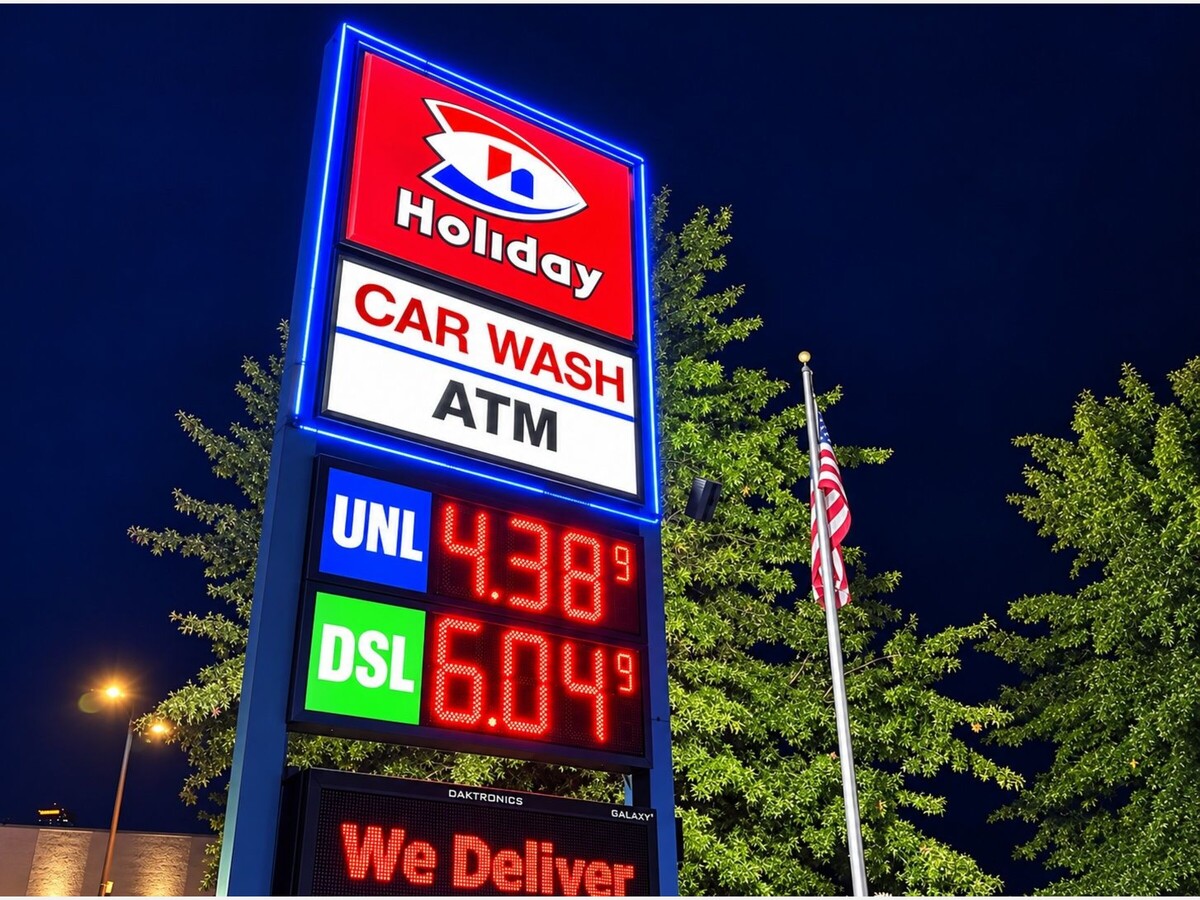



AAA reported an average Minnesota diesel price of approximately $6.07 per gallon Monday.
The price increased by more than 10 cents in one day and approximately 30 cents during the preceding week.
Diesel prices affect consumers even when they do not drive diesel-powered vehicles.
Trucks transport food, medicine, building materials, retail products and industrial supplies across Minnesota. When fuel expenses rise, carriers may add surcharges or increase the amount they charge customers.
Those costs can eventually appear in grocery prices, construction bids, delivery fees and other household expenses.
Minnesota farmers are particularly exposed because harvest work requires fuel for combines, tractors, trucks and grain-drying operations.
Corn and soybean prices have improved, giving some producers their strongest crop prices in approximately three years. Rapid increases in diesel expenses could absorb part of those gains.
The effect will vary by farm. Producers who purchased or contracted fuel earlier may have some protection, while those buying large quantities at current prices face more immediate costs.
Independent truck drivers and small transportation companies may also be vulnerable because they have less financial capacity to absorb sudden price increases.
Fuel surcharges can help recover expenses, but contracts do not always permit those charges to rise immediately. Companies may pay higher prices before receiving additional revenue from customers.
Public agencies face similar pressures. School districts, transit providers, counties and cities purchase diesel for buses, snowplows, construction vehicles and emergency equipment.
Sustained prices above $6 could force agencies to spend more than budgeted for fuel or reduce spending elsewhere.
The increase is occurring during a period of international energy-market instability. Global oil prices, refinery production, transportation constraints and seasonal demand can all affect retail diesel costs.
A short-lived spike would create less lasting damage than prices remaining elevated through the fall harvest and winter heating season.
Diesel prices may also influence inflation because transportation is embedded in the cost of nearly every physical product.
The current statewide average does not mean every station is charging the same amount. Prices vary by region, competition, transportation distance and local supply.
Drivers and businesses should compare prices and verify whether published averages reflect ordinary highway diesel rather than specialized commercial arrangements.
The immediate concern is not only the price displayed at fuel pumps. It is how long the increase lasts and how rapidly those additional costs move through Minnesota’s food, transportation and retail systems.

Local stories matter. Subscribe free to MinneapoliMedia and receive independent news, community reporting and important updates from Minneapolis, the North Metro and communities across Minnesota.
SUBSCRIBE FREE: https://minneapolimedia.town.news/subscribe
MinneapoliMedia | Community. Culture. Civic Life



Sunny, with a high of 67 and low of 43 degrees. Partly Cloudy in the morning, sunny during the afternoon, clear during the evening,