60° and Cloudy
Image



Interview conducted September 3, 2026
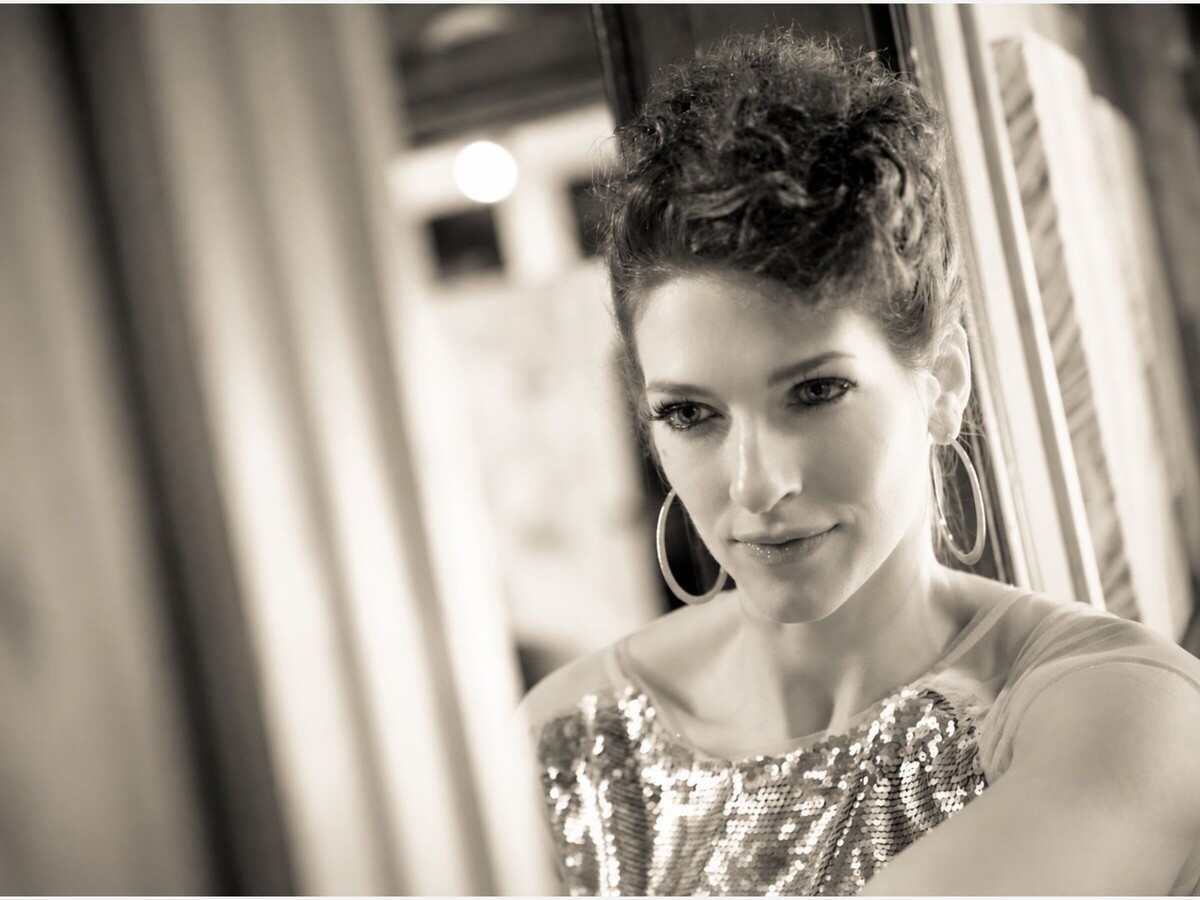
MINNEAPOLIS, MN. Rachel Holder was 18 years old and doing well in the classical vocal performance program at the University of Minnesota when one of her instructors told her something she did not yet understand about herself.
Holder was capable of completing the work. Her grades were good. She had studied classical voice since she was 11 and had learned the arias expected of a young singer on that path. But she did not love singing them.
Her instructor noticed.
The conversation hurt. Holder believed she was succeeding, and in the most measurable ways, she was. Only later did she understand that the teacher had offered something more valuable than reassurance. She had paid close enough attention to recognize the difference between the work Holder could do and the musical life in which she might flourish.
That intervention led Holder to MusicTech College, later McNally Smith College of Music, and into the community of working Twin Cities musicians who would help shape her career. She began performing professionally at 19. She graduated from McNally Smith in 2007, joined its faculty and spent the next decade teaching other singers. Her work as an educator has also included Macalester College, Concordia University, the Saint Paul Conservatory of Music and private instruction.
Across more than two decades, Holder has sung jazz, R&B, soul, gospel, pop, country, folk and musical theater. She has performed at the Dakota, the Ordway, Crooners Supper Club, History Theatre, Chanhassen Dinner Theatres and the former Artists’ Quarter. She recorded Save Your Love for Me with pianist Dan Musselman. In 2023, she became choir director at Unity Minneapolis, succeeding Judi Vinar, the teacher who became her mentor, collaborator and best friend.
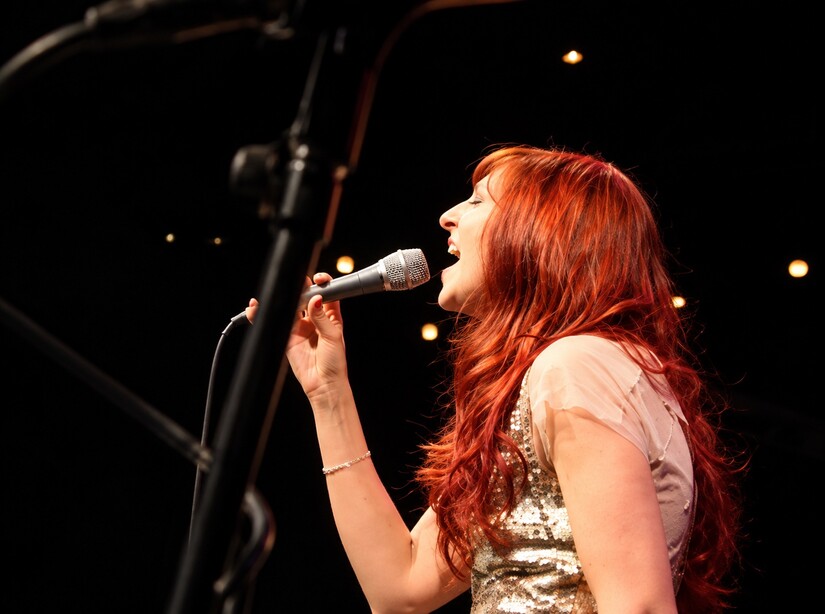
MinneapoliMedia first encountered Holder on August 25 at “Celebrating Minnesota’s Farmers: A Love Story,” the Food Tank program at the Minneapolis Central Library. Six Minnesota women spoke about land, family, food, heritage, uncertainty and the persistence required to keep building something they believed in. Holder’s music gave the evening another language. Her voice brought warmth and intimacy to the room without drawing attention away from the women whose stories had gathered everyone there.
Her own story, it turned out, carried many of the same themes.
Holder has sustained a working life in music without ever being driven by the conventional dream of becoming famous. She wanted to discover whether singing could pay for a home and become the ordinary work of an adult life. She learned that it could, provided she was willing to become versatile, teach, direct, adapt, accept unfamiliar opportunities and return after failure.
She built that life while raising two daughters, often caring for them during the day and performing after they went to bed. As they grew, they began accompanying her to concerts, spending time backstage and developing their own system for rating venues according to the quality of the green-room snacks.
Holder remains shy. She also considers herself brave. Those facts are not contradictory. Singing became the place where a quiet child could express what speaking did not permit. It is still where she returns when the house is quiet, no audience is present and music belongs only to her.
In this Community Interview Series conversation, Holder spoke with MinneapoliMedia about the teacher whose difficult honesty changed her life, the women who surrounded her with what she remembers as “motherly energy,” the vulnerability at the center of vocal instruction, and the freedom that comes when nearly every mortifying thing that can happen onstage has already happened.
The conversation has been edited for length and clarity while preserving Holder’s voice, meaning and cadence.
TOM AKAOLISA: Before the professional performances, the teaching positions and the life you have built in music, what was Rachel like as a young girl growing up in Madison, Wisconsin? When did singing begin to feel like an essential part of who you were?
RACHEL HOLDER: I used singing as a tool my whole life to express myself because I was incredibly shy. I did not like talking to anyone, and I did not like talking in school. I always had friends, but I did not like talking in front of people.
I never felt that way about singing. I always felt very comfortable on a stage.
My dad was a Methodist minister, so I started singing in church when I was really little. I did my first solo in church when I was six or seven. Singing in front of people was such a strange thing because I felt so comfortable doing it. That was surprising in a lot of ways, considering how introverted I was and still am.
Singing was how I survived my childhood, middle school and high school. I was involved in every musical thing I could be part of. My parents put me in musical summer camps. That was how I had community, and it was how I expressed myself in my younger days.
AKAOLISA: What kind of music filled your childhood home?
HOLDER: My parents listened to a lot of classical music and a lot of standards from the 1940s, 1950s and 1960s, people like Frank Sinatra, Ella Fitzgerald and Chet Baker. Musical theater was also pretty prevalent.
My parents would take us to Chicago every now and then. It is not too far from Madison, and we would go see a show. It was such a big deal for us.
I remember when all my friends were listening to pop music and I was listening to Andrea Bocelli and Ella Fitzgerald. I felt a little bit strange, but that was what I loved.
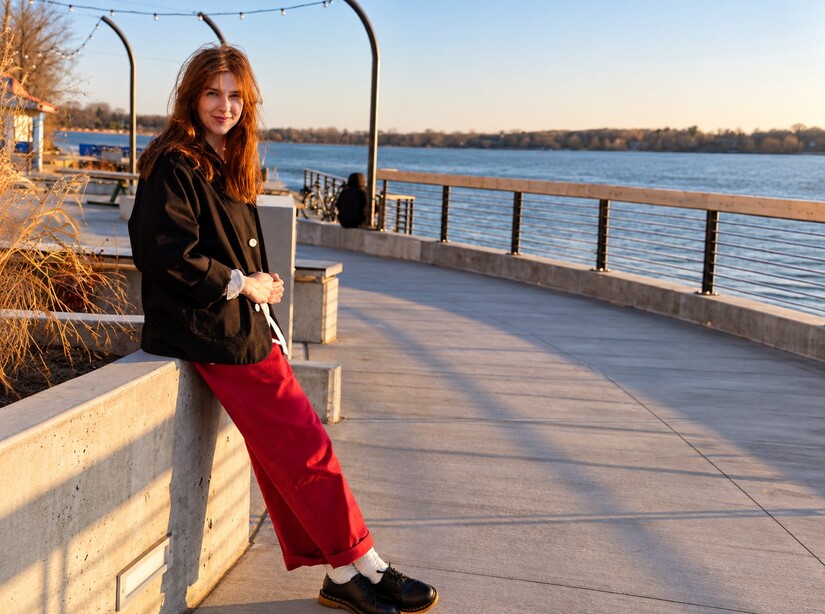
AKAOLISA: You came to Minnesota planning to study classical vocal performance, but one of your instructors recognized that the program might not be the right home for your voice and encouraged you to explore MusicTech. What did that teacher recognize in you that you had not yet recognized in yourself? How different might your life have been without that honest conversation?
HOLDER: Oh my gosh, I am so grateful for it. I am incredibly grateful.
At the time, it was really hard because I liked the University of Minnesota. I never liked singing classical music, not even when I was younger. I listened to it and had an appreciation for it. I started voice lessons when I was 11 and learned arias, but I never loved it.
I was in a program where I sang classical music for my lessons and then sang the music I really loved on my own. That was not new to me. To have somebody intervene and say, “This is not the world you should be in if you do not love it,” seems so obvious now, but it was not apparent to me when I was 18.
The conversation honestly felt really hurtful at the time because I thought I was doing well in the program. I was, as far as grades were concerned. Looking back, even a year later, I thought, “Wow, that is really amazing that she took the time to see that.” It was insightful and meaningful.
I am eternally grateful for that conversation because I do not think I would be doing what I am doing now if she had not done that. Who knows what I would be doing? I do not think I would have stuck it out in a classical career. I do not think I would have made it. I am so happy that happened.
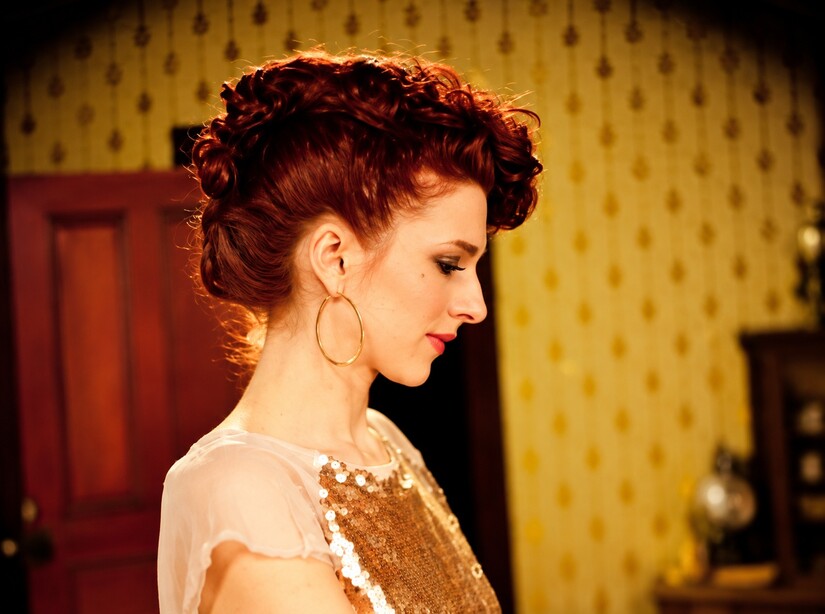
AKAOLISA: You began performing professionally around the Twin Cities when you were 19. You were young, new to the community and naturally shy. What do you remember about walking into those early rooms and trying to find your place among experienced working musicians?
HOLDER: There was so much about being onstage that I was not good at then. I was not confident between songs. While I was singing, I could find my confidence, but I did not know how to banter or talk to the audience. I was so shy.
It was not even just talent. I was really present in the music scene. I went out every night to see live music. I would not necessarily talk to the musicians, but they would come and talk to me because they saw me there so often. That was their job. They thought, “This audience member is here all the time, supporting us and what we do. We should probably talk to her.”
Once they knew I was a singer, they would have me sit in. I was good enough that I kept getting asked to sit in, but it really happened because I loved it so much that they saw my face at all those shows.
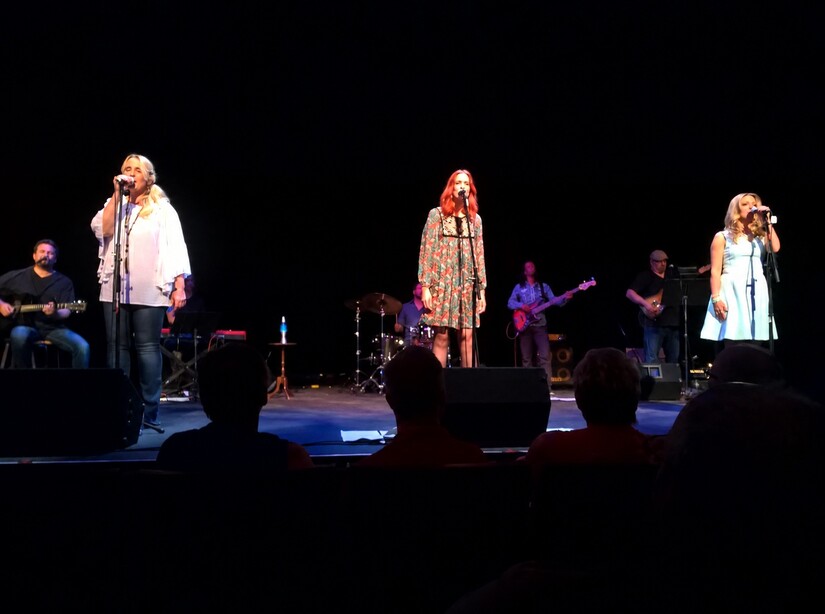
AKAOLISA: You have spoken with great affection about Judi Vinar, Lori Dokken, Debbie Duncan, Erin Schwab, Patty Peterson and other women who helped you find your footing. What did they give you beyond vocal instruction and professional opportunities? What did it mean to enter a competitive field and find women willing to make room for you instead of treating you as a threat?
HOLDER: What I felt from them was a lot of support. To be honest, I felt a lot of motherly energy.
You get to a certain age in this business, and if you have lasted long enough and are still in it, you remember what it was like when you first started. I think they saw pieces of that in me. They remembered that it was scary at first.
I felt so held by them and by the way they shepherded me through. It was not through blatant advice. They led by example and made sure I was included in certain opportunities.
At that time, it was not only them. The community overall was really welcoming. Minneapolis and Saint Paul are special that way. When I hear about other cities, there is some of that, but I think we have a beautiful sense of community here that may not be as present in places that are more competitive.
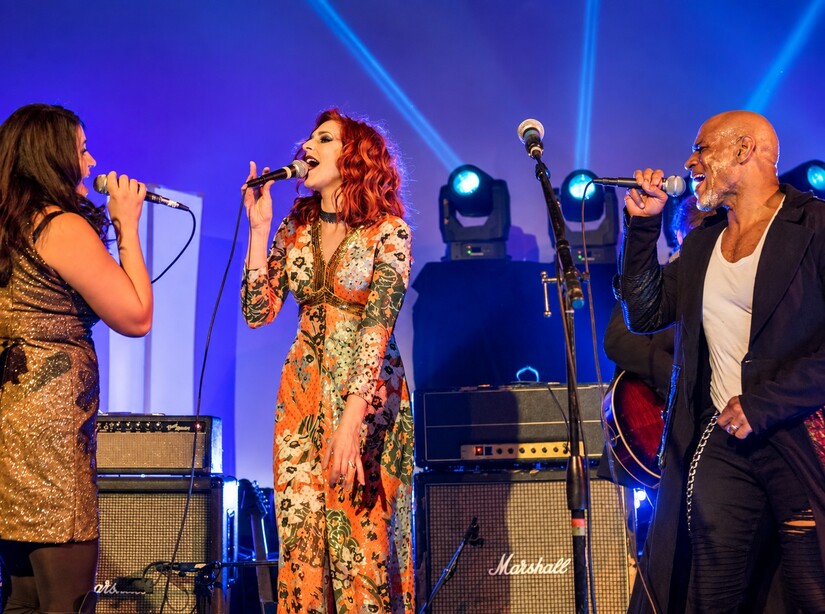
AKAOLISA: During your twenties, you made a decision to say yes to virtually every musical opportunity, even when it involved a genre or assignment you did not yet know how to handle. Can you take me into one of those experiences when you accepted an opportunity and then had to figure out how to do it?
HOLDER: There are so many.
When I was probably 20 or 21, I was asked to make tribute albums. Those were popular at the time. The songs were used for things like Muzak. You would hear a Kelly Clarkson song, but it was not Kelly Clarkson singing. That could have been me because I did a ton of that work.
I did tribute albums for the Pussycat Dolls, Amy Winehouse, Evanescence and Jessica Simpson. I would sing all these songs in the studio, and I had no idea how to do that. I wanted to be a jazz singer. That was what I loved.
But I recognized early that if I really wanted to be successful in this business, I needed to be versatile. I needed to be able to sing everything. Going into that studio for the first time and having to sing “Don’t Cha,” with that line about wishing your girlfriend was hot like me, was not something I had seen coming. It is not a bad song. I just did not see it coming.
I have so many stories like that. I said yes because I never wanted to be a famous singer. When I moved here, the Dakota was one of the first places I went. I saw people singing and playing instruments onstage, and I realized they were doing this for a living. They were paying for their homes through music. That was their job. I thought that was the coolest thing ever.
Then I learned that you can do it, but you have to sing many styles of music. You have to sing in many places. You might have to teach a little bit. Maybe you have to direct a choir. I love all of that.
I have never wanted to “make it big.” My dream was to do this as a job. That is what I do, and I am really proud of it. I really like it a lot.

AKAOLISA: You have said that singing allows you to communicate things you may not be able to say directly. When you sing a song written by someone else, how do you find the part of your own life that belongs inside it? Have you performed a song that revealed something deeply personal even though the audience did not know what it was hearing?
HOLDER: Totally. All the time.
I am a big Joni Mitchell fan. I love her. Her songs speak to my soul. They speak to everybody, which is why she is one of the greatest songwriters of all time. When you listen to her music, you hear yourself in it.
I sing “Conversation,” which begins, “He comes for conversation.” It is about being friend-zoned. You are in love with this guy, and he is totally in love with someone else. He really likes spending time with you because you are a great friend, and you desperately love him, but he does not want you that way.
Who has not experienced that? It was the entirety of my college career. It was all that unrequited love.
Every time I sing that song, I think about that guy from my music history class. We have that relationship with so many songs. We connect because we have experienced it, too. I love being able to tell those stories again from my point of view.
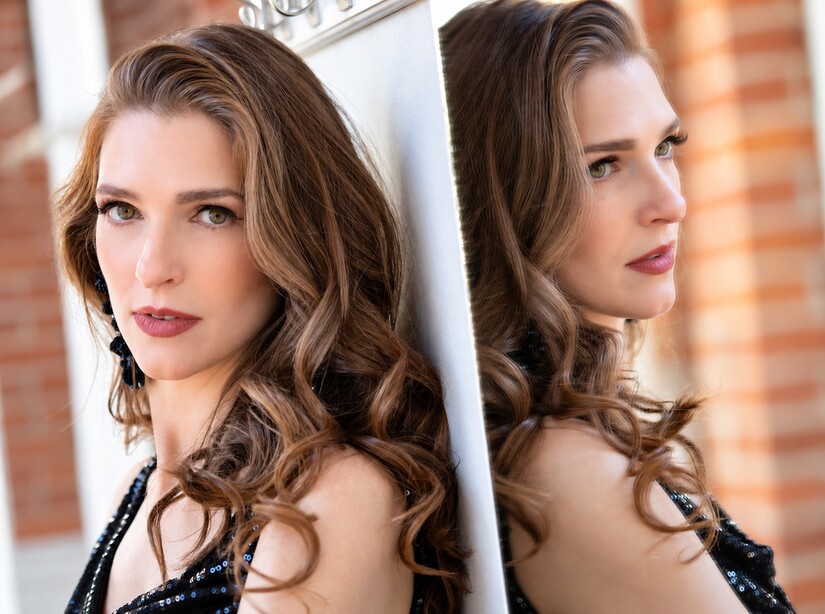
AKAOLISA: You graduated from McNally Smith in 2007 and then became a member of its vocal faculty. You moved quickly from being the student receiving guidance to the teacher responsible for someone else’s voice and confidence. What did that transition ask of you? What have your students taught you about the difference between teaching someone to sing and helping that person believe her voice deserves to be heard?
HOLDER: My teaching has changed a lot in the last 20 years.
When I started, my intention was to offer information and let singers know that if they really wanted to become professionals, they could do it. Those were the people I was teaching at the time. A lot of it was, “Here is what I did. Here is what other people did.” I think many young teachers have that mindset.
What has shifted is that I still love teaching singing, but that is not really what it is about anymore.
Singing is incredibly vulnerable because it is part of your body, and you are the only person who sounds like you. When I teach now, it is about creating a space in which my student can be as comfortable as possible feeling vulnerable. I do not think I knew how to do that very well when I was a young teacher.
As my teaching evolved, I began to understand what it was really for. Technique is important. I love teaching vocal technique. But people know how to sing. The question is how to unlock certain aspects of their voices. I think I am a really good facilitator of that now, but it was a process. It took a long time.
I still get to talk to some of my first students, and some are professional singers. It is really cool to see everything they have done. They have told me their experiences with me were good, and I am grateful for that. But I had a lot to learn as a young teacher.
Teaching became a beautiful way to learn more about my own voice. When you have to explain a technique to another person, you really have to think about it. I did not initially want to be a teacher, but I am so grateful I was asked to become one because it has been life-changing.
AKAOLISA: McNally Smith was central to your life as a student, teacher and member of a larger musical community. When it closed in 2017, many artists lost an institutional home. How did you experience that loss? What did the years afterward teach you about the difference between belonging to an institution and belonging to a community?
HOLDER: Full disclosure, I quit three months before McNally Smith closed. I had just had my second child. There were things about the number of hours I was working and other parts of the job that were no longer in alignment for me.
But there was a deep sense of loss. That was where I grew up, and I think a lot of people felt that way.
Artists need the ability to pivot. We talk about the hustle because we are always hustling. The closing of the school was awful, but I think some people on the faculty had become a little comfortable there. It forced all of us to reintegrate into the larger community.
The community still exists without McNally Smith. I am sad it is gone, and I still want people to pursue music as a career. I do not know that you necessarily need that kind of education to do it. Part of it is learning and then going out and doing the work.
That was good for many faculty members and students to learn. Music was still here. The community was still here. We might have to work harder to create it, but that is what we are meant to do.
AKAOLISA: Audiences see the finished performance. They do not see the rehearsals, travel, late nights, irregular income, last-minute calls, cancelled engagements or the uncertainty of wondering when the next opportunity will come. You have sustained that working life while raising two daughters. What has it required, practically and emotionally, to remain both an artist and a mother?
HOLDER: In many ways, this was a perfect job for motherhood.
I was really tired, but I got to be with my children all day. I saw every last tooth and everything else. I was part of all of it because I went to work when they went to bed.
It was exhausting, but what a great job. I did not have to do the daycare thing. I did not miss time with them until they went to kindergarten. Then they went to kindergarten, and I got to hear all about that. That was really cool.
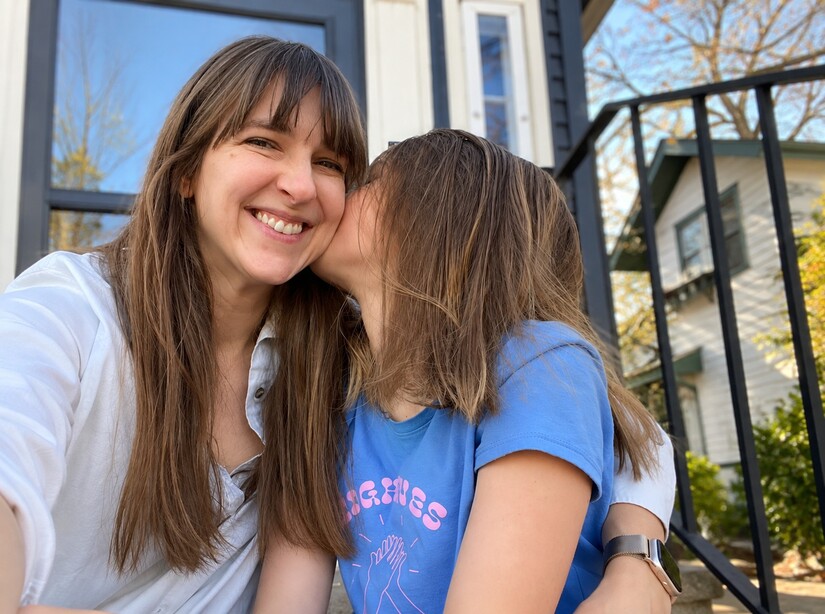
They come with me to almost every gig. There are certain performances they cannot attend. I do many weddings, and they cannot come to those. But if I am performing at an outdoor festival, Crooners or the Dakota, they are usually there.
They are in the back room, not in the audience, because they are over hearing me sing. They are like, “Whatever, Mom.” But they come to those places, meet many people and have interesting experiences. They rate the green rooms by how good the snacks are.
I think they will look back one day and say, “My mom had a really cool job, and we got to do a lot of cool things.” I do not know whether they feel that way now, but I think they will.
I am really lucky that this is my job. I wanted to be a mother, and I have gotten to do all of it really well, I think.

AKAOLISA: In 2023, you became choir director at Unity Minneapolis, succeeding Judi Vinar, one of the teachers who helped you discover your professional voice. The student became a teacher, the protégé became a colleague, and the young singer once welcomed onto the stage became responsible for helping a community sing together. What did stepping into that role mean to you?
HOLDER: That was a job I did not know whether I wanted, which is true of almost every job. Jobs are scary, especially when you do not feel as though you know what you are doing.
I knew which skills I brought to the job, but I also knew what I was not good at yet. I understood what I had to learn.
Judi has been my mentor, but she is also my best friend. We talk every day. I love her so much and have learned so much from her, but our relationship has shifted into a friendship. We learn from each other now.
We do not direct a choir in the same way. I went into the position on a trial basis because I wanted it that way. I said, “I understand there is a need for this position to be filled, and I am going to give it a try. But if it does not work for me, it will be better to find somebody else.”
What ended up happening is that my choir was awesome. They are lovely, gracious and welcoming people.
I also went into it with a lot of humility. I knew my strengths, but I was open about the things I did not know how to do yet. I told them, “We are in this together.”
What became so beautiful was that it was another form of community. I did not know it was going to be that good. It is all about the people. If everyone is willing to play in the sandbox together, then you have it. If they are not, you do not.
We did. It was wonderful. I direct the choir my way, not Judi’s way, and they had to learn how to pivot. They did a really good job. We have a lot of fun together.
AKAOLISA: The women at “Celebrating Minnesota’s Farmers” spoke about work requiring patience, adaptability, sacrifice and faith in something whose outcome is never guaranteed. Those realities also belong to a working artist’s life. After more than 20 years of performing, teaching and directing, what are you still reaching toward?
HOLDER: Of course I am not done.
I have not done much original music. I have not really been interested in writing until recently, even though I have taught some composition. I am excited about that next phase.
There are also genres I have not explored. I am interested in folk and country music with female harmonies, like I’m With Her, The Highwomen and The Secret Sisters. I love that music, and I have never really done it.
When I think about making a life in anything that takes persistence and patience, I think about failure. There is failure all the time. We can make it negative, or we can see it as an opportunity for growth. The women pursuing these challenging things are not going to have everything go well all the time.
Especially during the past six years, maybe since COVID, I have noticed a lot of anxiety among the college students I teach. There is so much fear around failure.
I tell them, “I want you to fail in here.” I want them to experience whatever failure means to them while they are with me because I want to show them that it is all right. It is part of the process.
They are not going to get the things they want in life if they cannot let themselves fall down and then pick themselves back up. That is the only way to do it.
I look back at how all of this happened. I may have been the shyest person I knew, but I was really brave. People said that to me all the time: “You are really brave.”
I thought, “What else am I going to do?” I did not know whether I had any other skills. This was what I had. I had to succeed, which meant that when I failed, I had to go back out and do it again. Otherwise, that would be the end of it.
That is the through line, and I am going to keep doing it because I want to keep growing. I am only 42. I have a lot of time left to try new things, and I am not afraid of failure. I am so used to it now.
People ask whether I still get nervous. I do not. You could put me onstage in front of anybody at any time, and I would not be scared because every bad thing that could happen has already happened.
I have fallen off the stage. I sang in a tornado once, and my dress flew over my head. Every mortifying thing has already happened. Bring it on. I am fine.
AKAOLISA: Is there a project you have quietly carried for years or one you are beginning now?
HOLDER: There are two groups I am really excited about.
I sing with my friend Reid Kennedy and his jazz trio. I have been singing with them for the past couple of years. Sometimes you meet people with whom you have musical chemistry, and it just works. I feel as though Reid and I have that.
We have a show called Songs From the French Quarter, which is built around New Orleans music. We are developing another show that is a little more contemporary and working on new arrangements.
I also have the Buffalo Function Music Band with my partner, Ben, and we hope to play more.
My favorite thing is creating good music with my friends. I have already gotten to do it, but my children are a little older now, and I have more mental capacity to place that work on the front burner.
When you undertake more creative work in any art form, the paycheck is not always the same. You have to prioritize it and make room for it. I have not always been able to do that. I am finally at a place in my life where I can, and I am excited to do more of it.
AKAOLISA: When you imagine the next chapter, what do you hope remains unchanged?
HOLDER: I love to sing. I really love it.
Sometimes that surprises me because I have been in situations where I did not love singing or did not love what I was doing at that moment. That is normal. There are gigs that are simply not fun.
But the through line is that I really love doing this, and I love it for many reasons. I have been able to hold on to those reasons all these years. I want to continue doing that, and I think I can do it now more than ever.
Musicians’ feelings about the music industry often come in waves. We say, “I have to get out of this. I have to do something else. I just want a nine-to-five job. I want a 401(k).” I have had those moments when I wanted to quit and do something else.
But when the house is quiet and my children might be downstairs watching a movie, I like to sit at the piano and sing just for myself.
I hope I never lose that. I have been doing it since I was really little. It brings me a lot of joy. As long as I am still doing that, I think I am good. I think I am all right.
AKAOLISA: If a young woman has just entered music school and is struggling, what would you tell her?
HOLDER: Pursuing anything artistic is going to feel really hard sometimes. You need to remember your point of view and your why. I know that sounds cheesy, but sometimes people do not really know what their why is.
I ask singers, “Why do you want to do this?” They say, “I love to sing.” I say, “Great. Why do you love to sing? What about it is meaningful to you?”
Sometimes they say they want to help other people. That is a lovely thought, but why do you want to do it? What does it give you? That might sound selfish, but if you do not have that understanding, it becomes difficult to succeed in anything. You have to know why something is important to you.
Journal about it. If you do not want to journal, turn on the voice memo on your phone and talk. See what comes out. I think journaling is great. That is what I do. I look for the themes in what I am writing. What is important to me?
It is important to be thoughtful about those things. If life becomes really hard but you understand why you are doing what you are doing, you can make it through.
If it is hard and you have no idea why you are there, you will feel lost. Understand why you want to do what you want to do. Those are the truest things.
At the end of the conversation, MinneapoliMedia thanked Holder for allowing readers to meet the person behind the voice that first filled Pohlad Hall.
Her career has not been built around one dramatic breakthrough. It has taken shape through years of showing up, doing the work, learning unfamiliar music, accepting opportunities before she felt entirely ready and returning to the stage after fear, disappointment and failure.
Holder encountered women who saw something in her and made room for it. She did not keep their generosity for herself. She carried it into classrooms, collaborations, rehearsals and a choir filled with people who trusted her to help them sing together.
Her life also demonstrates that shyness and courage can occupy the same body. Courage does not always arrive loudly. Sometimes it looks like a quiet young woman accepting work she does not yet know how to do, preparing herself and walking into the studio anyway.
Her daughters have watched their mother build an honest life around work she loves. Her students have learned from someone who understands that finding a voice involves far more than vocal technique. Her fellow musicians have gained a colleague they can trust. Audiences have encountered a singer who enters someone else’s song and searches for the part of human experience that belongs to everyone.
“This has really been lovely,” Holder said as the interview ended. “I loved getting the opportunity to think about these things and share. Thank you for giving me that opportunity. It is very meaningful.”
MinneapoliMedia arrived at “Celebrating Minnesota’s Farmers: A Love Story” to hear the stories of six Minnesota farmers. We left knowing that another Minnesota story had been standing before us and singing.

Local stories matter. Subscribe free to MinneapoliMedia and receive independent news, community reporting and important updates from Minneapolis, the North Metro and communities across Minnesota.
SUBSCRIBE FREE: https://minneapolimedia.town.news/subscribe
MinneapoliMedia | Community. Culture. Civic Life


Sunny, with a high of 78 and low of 58 degrees. Overcast for the morning, sunny in the afternoon, overcast in the evening, clear overnight.