58° and Sunny
Image
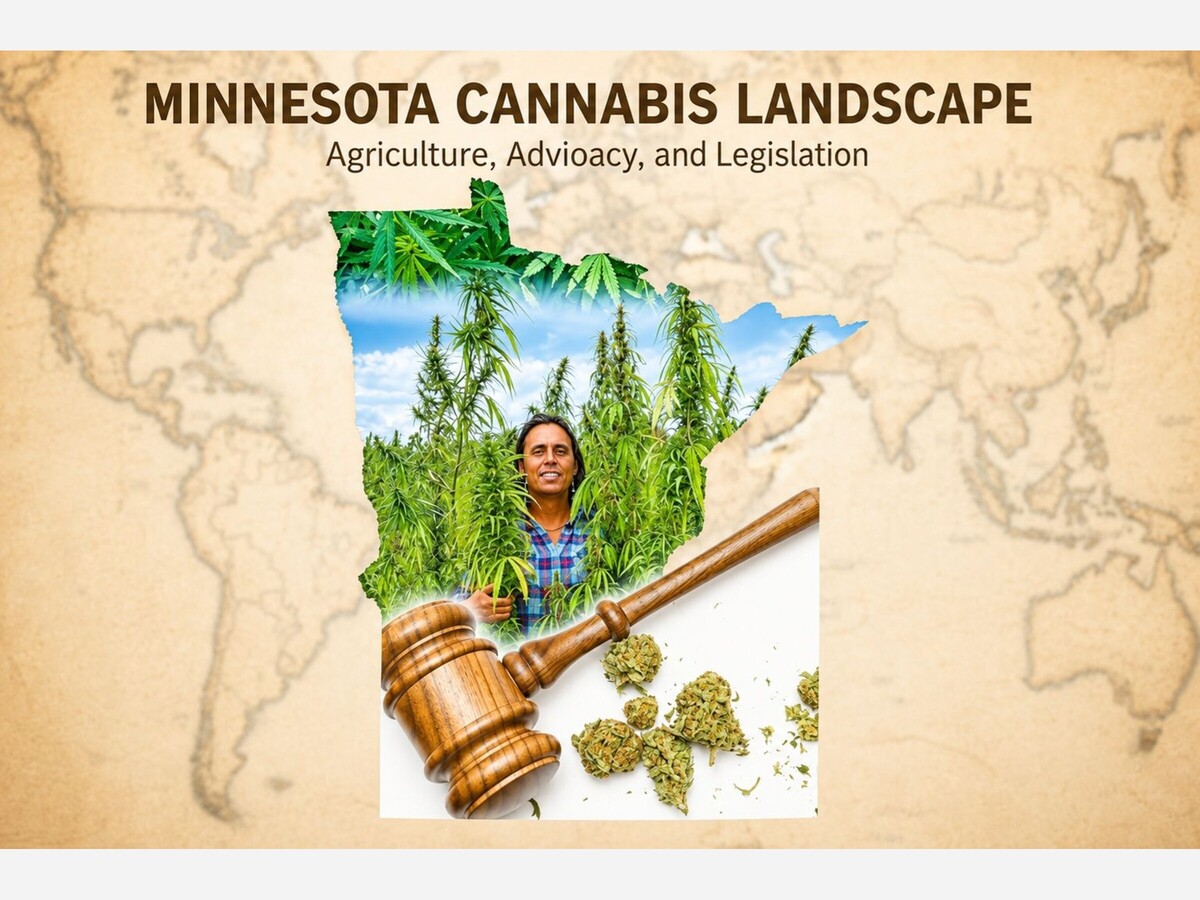



ST. PAUL, MN (October 15, 2026). Minnesota's hemp-derived THC industry is facing a consequential federal regulatory deadline that business owners say is already affecting retail orders, production decisions and employment.
The federal changes are scheduled to take effect December 11, 2026, and will substantially narrow the definition of hemp under federal law.
According to the Minnesota Office of Cannabis Management, the legislation includes a restriction involving hemp-derived products containing more than 0.4 milligrams of THC per package.
The change has created uncertainty for manufacturers, distributors and retailers operating under Minnesota's existing lower-potency hemp edible framework.
Industry representatives estimate that Minnesota's hemp market generates approximately $200 million annually.
The full economic impact of the federal changes remains uncertain, but some businesses report that customers are reducing orders before the deadline.
The federal legislation was signed November 12, 2025.
It changes the federal treatment of certain hemp-derived THC products beginning December 11, 2026.
The Minnesota Office of Cannabis Management has warned businesses that the change could significantly affect their operations.
The distinction between federal and state law is central to understanding the issue.
Minnesota has established its own regulatory framework for lower-potency hemp edibles.
The state's rules govern matters including licensing and the operation of eligible businesses.
But the federal definition of hemp affects questions that extend beyond state licensing.
Those include interstate commerce, financial services and other consequences associated with federal legal status.
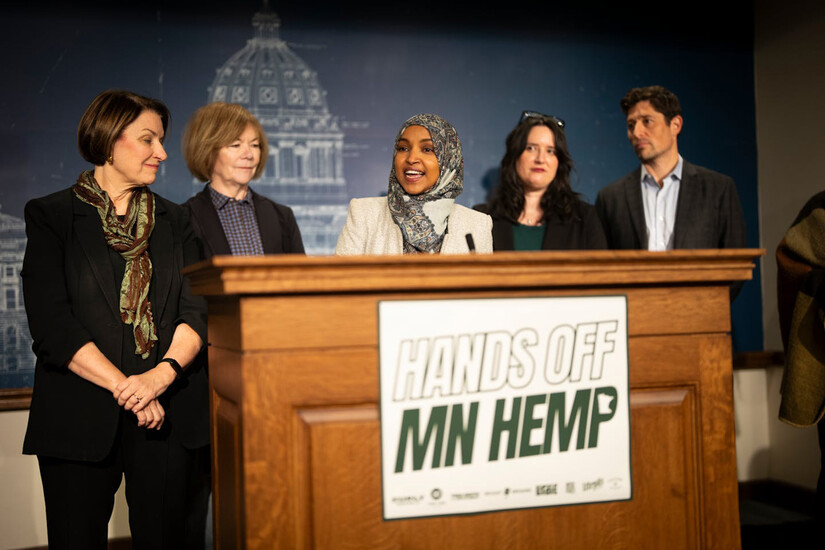
The Office of Cannabis Management has issued guidance clarifying that the federal definition change does not itself alter Minnesota's statutory definitions of lower-potency hemp edible products or the state's existing categories of retailers, manufacturers and wholesalers.
Nor does it automatically repeal the legality of those products under Minnesota law.
That does not mean businesses can disregard federal requirements.
Instead, it creates a complicated environment in which a product may remain authorized under state law while facing substantial federal restrictions.
Businesses must therefore assess both sets of rules.
The agency has advised operators to seek legal counsel before making decisions about their future.
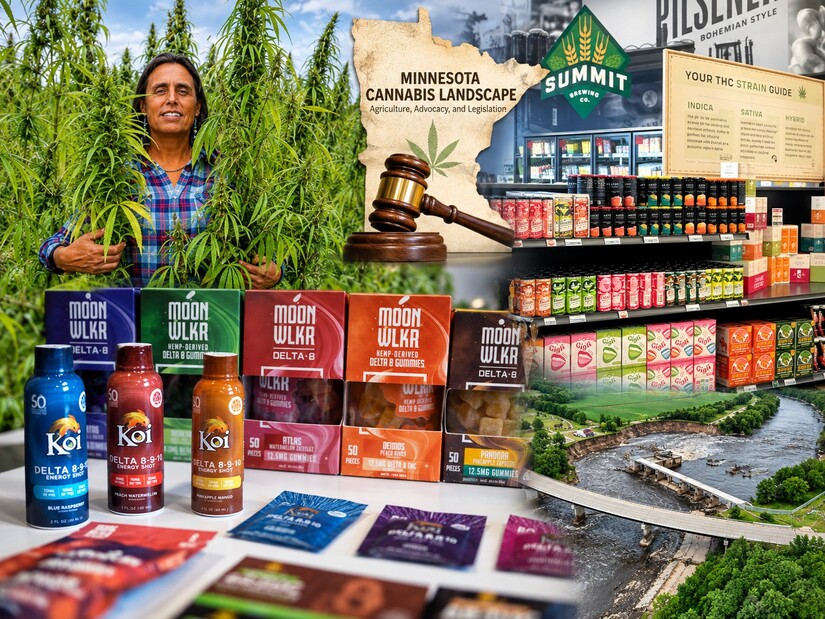
The federal threshold concerns the amount of THC contained in an affected product package.
That distinction is important because consumers may be familiar with THC quantities expressed per serving.
A product containing multiple servings can have a package total greater than the amount in an individual serving.
The Office of Cannabis Management's guidance identifies the federal threshold as a package-level issue.
Businesses must therefore examine product formulations and packaging rather than assume that existing Minnesota-compliant products will automatically satisfy the new federal definition.
The exact treatment of particular products should be determined through the applicable law and official regulatory guidance.
The effects of the approaching deadline are already being felt in parts of the industry.
Steven Brown, chief executive associated with Nothing But Hemp and Canna, told FOX 9 that smaller businesses have reduced purchases because of uncertainty.
He described liquor stores that previously ordered five or six cases of products at a time now buying only one or two.
Some retailers have reportedly stopped carrying the category altogether.
Those decisions can affect manufacturers well before a law takes effect.
Production planning depends on orders from retailers and distributors.
When orders decline, businesses may reduce output, delay investments or reassess staffing.
The broader consequences can extend to packaging suppliers, logistics companies and other firms supporting the market.
Not every Minnesota retailer intends to withdraw from the category.
FOX 9 reported that some national retailers have reduced their hemp-derived THC offerings, while Minnesota-based businesses are considering ways to continue selling products.
Jon Halper of Top Ten Liquors said his company intends to remain in the category after December 11.
He acknowledged, however, that the business may need to change aspects of its operating model.
One concern involves payment processing.
If products lose federal legal status, some financial institutions and payment processors may decline to support transactions involving them.
That could affect the ability of retailers to accept credit cards and conduct ordinary business operations.
The Office of Cannabis Management identifies several potential consequences of the federal change.
These include reduced access to federally insured banking services, limitations involving point-of-sale systems, restrictions on certain federal tax deductions and difficulties with interstate commerce.
Such issues can be financially significant even for businesses that remain licensed under Minnesota law.
A retailer may be legally authorized by the state to sell a product but still face problems obtaining payment processing or other financial services.
Manufacturers may encounter additional challenges if they rely on suppliers, distributors or customers in other states.
The extent of those problems will depend on the final legal environment and the policies adopted by financial institutions and other businesses.
The industry supports jobs involving manufacturing, retail sales, distribution, product development and administration.
Reduced demand can place pressure on those positions.
Some businesses have already reported layoffs or reductions connected to uncertainty surrounding the federal deadline.
However, the number of Minnesota workers affected statewide has not been independently established.
Nor is there a verified count of businesses expected to close.
Those figures should not be invented or extrapolated from a handful of individual company reports.
The economic consequences may vary substantially depending on business size, product mix and access to alternative markets.
The Office of Cannabis Management has published guidance identifying options for businesses preparing for the federal change.
Some may seek to remain in the hemp market while adjusting products or operations.
Others may consider entering Minnesota's adult-use cannabis industry, subject to applicable licensing requirements.
Still others may decide to surrender licenses or allow them to expire.
Each choice carries legal, financial and operational consequences.
Moving from a hemp business model to an adult-use cannabis business is not simply a matter of changing product labels.
It may require different licenses, compliance procedures, premises and business arrangements.
Industry representatives have urged Congress to reconsider the restrictions or establish a regulatory framework that permits continued sales under additional safeguards.
Brown has advocated for federal rules that would preserve access for adults while imposing clearer protections.
Congress could consider additional legislation, but no change should be assumed until enacted.
Businesses must therefore plan around the law currently scheduled to take effect.
Consumers may encounter changes in product availability, store inventories or payment methods as the deadline approaches.
Some retailers may stop ordering products before December 11 to avoid being left with inventory they cannot easily sell.
Others may continue operating under Minnesota's regulatory framework while seeking advice about federal compliance.
The existence of a federal restriction does not establish that every THC product in Minnesota will become illegal on December 12.
Different products and business models may be subject to different requirements.
Consumers should rely on official regulatory information rather than broad claims that all hemp products will disappear.
The December 11 deadline leaves businesses with less than two months to evaluate their options.
The Minnesota Office of Cannabis Management says it will continue working with partner agencies, legislators and industry participants to assess the implications.
The agency has also indicated that it will continue implementing Minnesota's cannabis laws while providing additional guidance as information becomes available.
The coming weeks will be important for manufacturers deciding whether to maintain production, retailers managing inventory and employees concerned about the stability of their jobs.
For Minnesota, the issue extends beyond the future of a particular product category.
It concerns how a state-regulated industry adjusts when federal law changes the conditions under which businesses can operate.
The deadline is established. The full economic consequences are not.
Official Resources
Minnesota Office of Cannabis Management: https://mn.gov/ocm/
Federal hemp changes information: https://mn.gov/ocm/federal-hemp-ban
Hemp business licensing FAQ: https://mn.gov/ocm/businesses/licensing/resources/hemp-business-faq.jsp

Local stories matter. Subscribe free to MinneapoliMedia and receive independent news, community reporting and important updates from Minneapolis, the North Metro and communities across Minnesota.
SUBSCRIBE FREE: https://minneapolimedia.town.news/subscribe
MinneapoliMedia | Community. Culture. Civic Life


Overcast, with a high of 51 and low of 43 degrees. Light drizzle during the morning, light rain in the afternoon, overcast during the evening,