38° and Light rain
Image
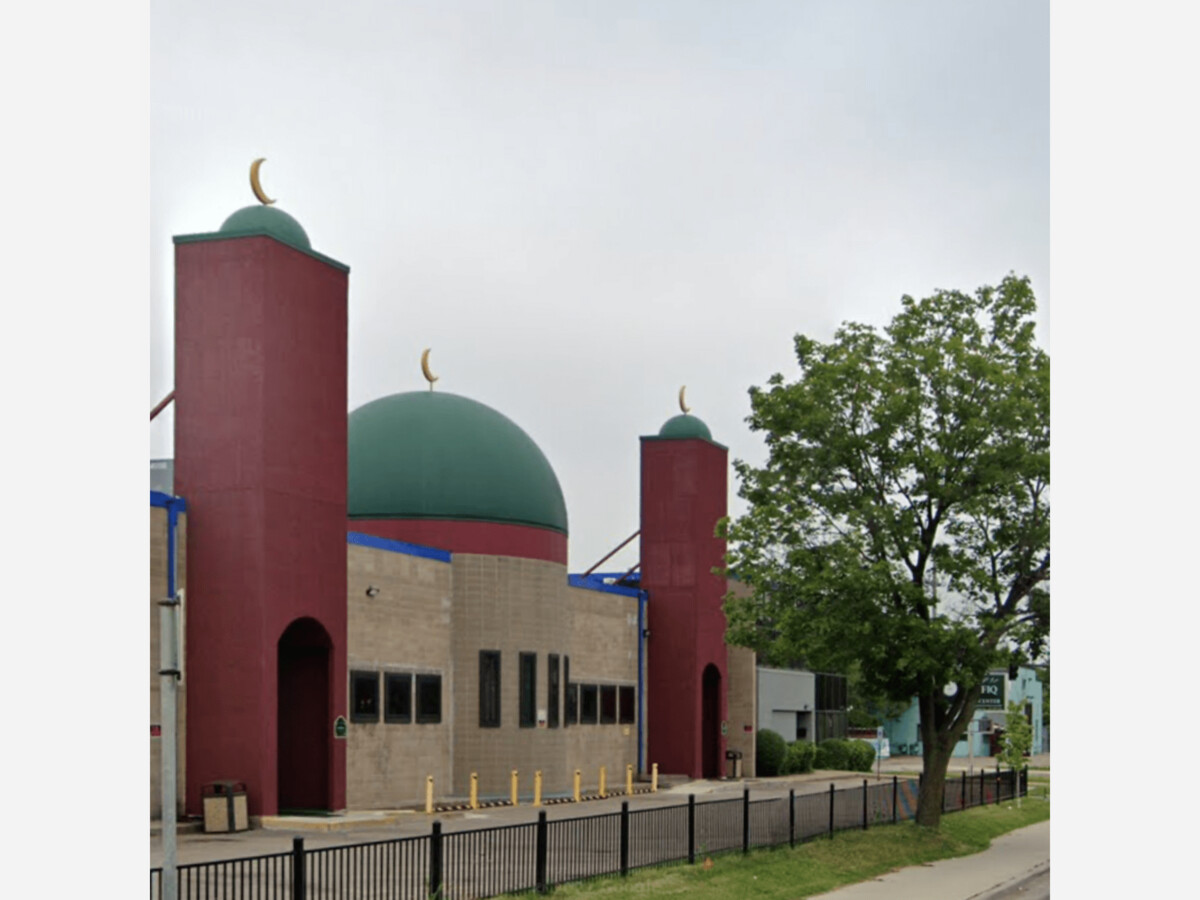



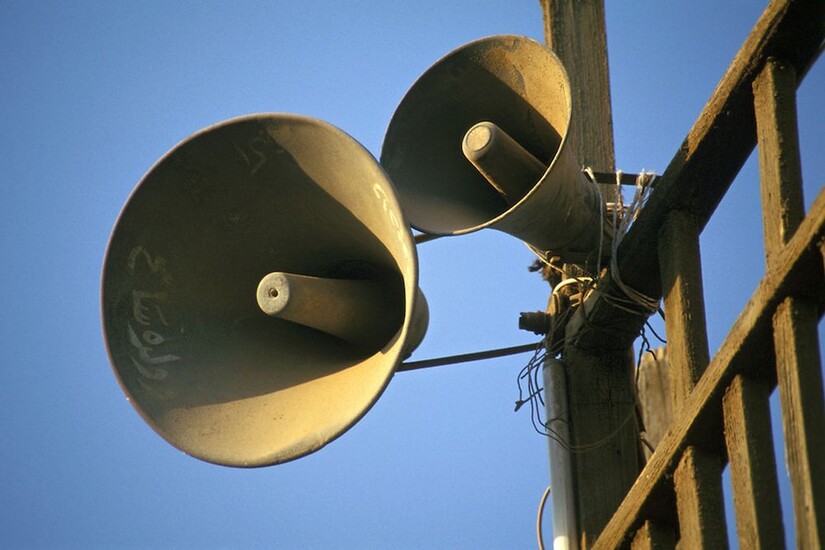
The Minneapolis City Council voted unanimously Tuesday morning to permit loud speakers to broadcast the adhan, or call to prayer, without restrictions, making Minneapolis the first U.S. city to do so.
The change in the city's noise ordinance will ensure that the adhan can be broadcast via speaker from mosques year-round, five times a day. Previously, morning and evening calls to prayer were restricted at certain times of the year, limiting the number of broadcasts to three or four per day.
Muslim prayers are traditionally undertaken at dawn, noon, mid-afternoon, sunset, and evening.
Minneapolis Mayor Jacob Frey is expected to sign the resolution, which was passed during Ramadan, on Monday, according to the Minnesota chapter of the Council on American-Islamic Relations (CAIR-MN).
"This is a historic victory for religious freedom and pluralism for our entire nation," said CAIR-MN's executive director, Jaylani Hussein, in a press release. "We thank the members of the Minneapolis City Council for setting this great example, and we urge other cities to follow it."
The resolution, which reflects the city's growing Muslim and East African immigrant communities, comes after Minneapolis allowed year-round broadcasts between 7 a.m. to 10 p.m. last year.
The Star Tribune reported that the city's three Muslim council members, Aisha Chughtai, Jamal Osman and Jeremiah Ellison, said previous allowances felt more like asking permission, rather than enjoying a constitutional right to religion. The resolution was introduced by Chughtai.
Observers at the city council meeting pointed out that Christian church bells toll regularly, and Council Member Lisa Goodman noted the Jewish call to prayer – which is spoken, not broadcast – doesn't face legal restrictions.

The adhan was first broadcast in Minneapolis in 2020 for Ramadan at the Dar Al-Hijrah mosque in the Cedar-Riverside neighborhood.



Light snow, with a high of 37 and low of 30 degrees. Light snow in the morning, moderate snow during the afternoon, mist for the evening, patchy moderate snow overnight.