69° and Partly Cloudy
Image



St. Paul, MN
A high stakes confrontation between the State of Minnesota and the federal government has left caregivers, healthcare providers, and state officials warning of profound consequences for some of the state’s most vulnerable residents.
At the center of the dispute is a proposed annual freeze of roughly $2 billion in federal Medicaid funding, a move state leaders say could destabilize Minnesota’s healthcare system and jeopardize services for more than 1.2 million residents, including nearly 600,000 children.
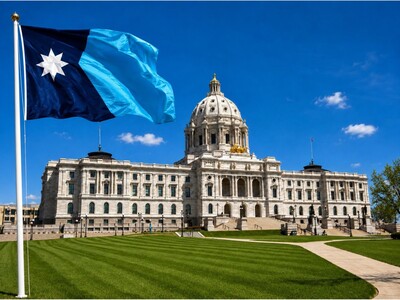
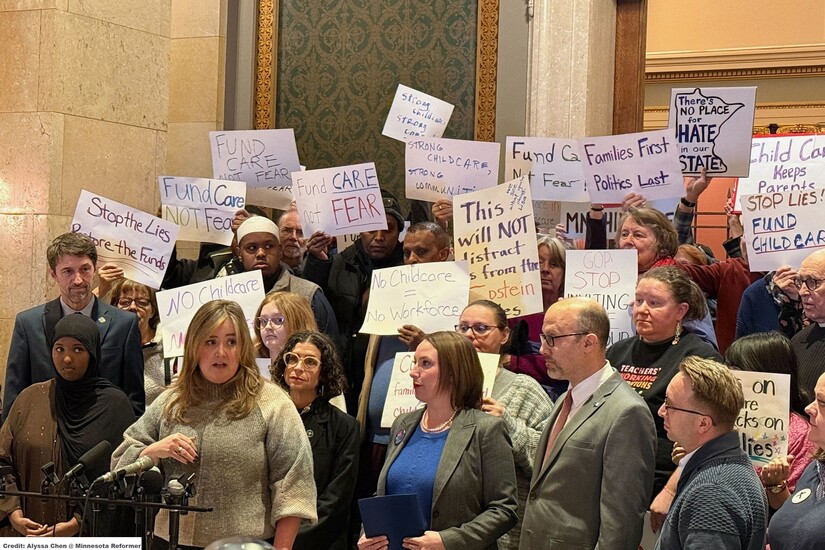
Caregivers and advocates gathered this week at the Minnesota State Capitol to put human faces to what they say is not an abstract budget fight, but an existential threat to families who rely on Medicaid funded home care.
“These services are the lifeline that keep our elders and people with disabilities safer and in their homes and out of institutional care,” said Andrea Hanek of Duluth, who cares for her 14 year old son with autism and encephalopathy.
Her son recently returned home after a prolonged hospitalization and now depends on Home and Community Based Services to maintain the gains he made.
“I am now imagining how hard it will be for us moving forward without this home care service,” Hanek said. “If my son loses the care that maintains the progress he made in the hospital, he may not survive.”
The funding freeze was announced in early January by Dr. Mehmet Oz, administrator of the Centers for Medicare & Medicaid Services, as part of a broader federal enforcement action tied to allegations of widespread fraud within Minnesota’s Medicaid funded social services.
Federal officials have cited what Dr. Oz has described as “deep rot” in certain programs, pointing specifically to large scale fraud schemes involving Medicaid funded autism services and housing stabilization programs. The Trump administration has alleged that more than $1 billion was stolen by bad actors and has claimed that some funds were diverted overseas, including to the extremist group al Shabab.
CMS has demanded that Minnesota submit a stringent Corrective Action Plan that includes enforceable metrics, enhanced oversight, and weekly progress reports. Federal officials argue the measures are necessary to protect taxpayer dollars and restore program integrity.
Minnesota leaders strongly dispute both the scope and the method of the proposed action. John Connolly, deputy commissioner of the Minnesota Department of Human Services and the state’s Medicaid director, said the state has been aggressively addressing fraud since late 2024.
Among the steps already taken, state officials implemented a six month enrollment moratorium affecting 13 high risk Medicaid programs and expanded provider audits and investigations.
Connolly met with Dr. Oz in the Twin Cities this week and described the discussion as constructive in terms of a shared commitment to combating fraud.
“I would characterize the discussion as productive,” Connolly told reporters. “I think we agree on the overall aim of fighting fraud.”
However, Connolly said no specific dollar amounts were negotiated during the meeting and that a freeze of $2 billion annually would far exceed what the state could absorb.
“If it is $2 billion over a year, that is far more than the state budget can make up for,” he said. “We did not discuss specific disallowance or deferral amounts. The dollar figure was not discussed.”
Connolly and Shireen Gandhi, the state’s temporary DHS commissioner, have characterized the proposed freeze as legally baseless and unusually punitive, suggesting it functions less as a compliance tool and more as a political sanction against Governor Tim Walz and Minnesota’s broader policy positions.
“Certainly, as we said in our appeal letter, it feels very punitive to us because this is way outside the usual process,” Connolly said.
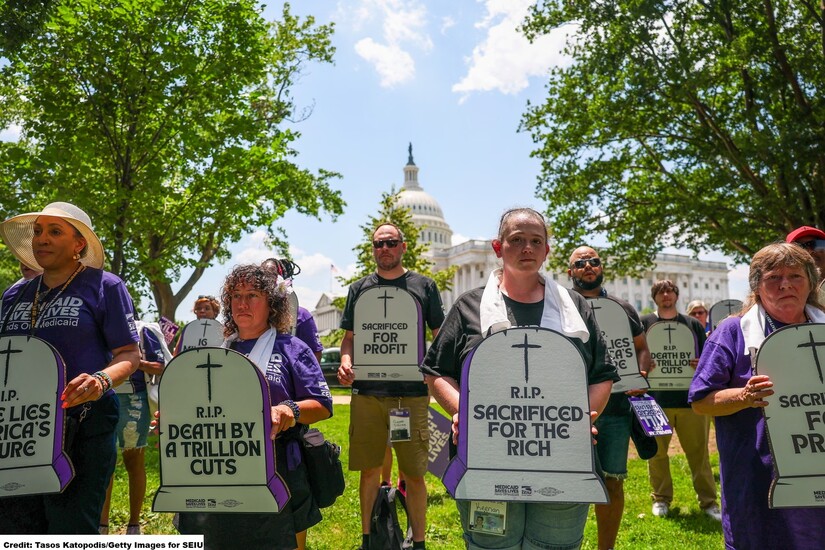
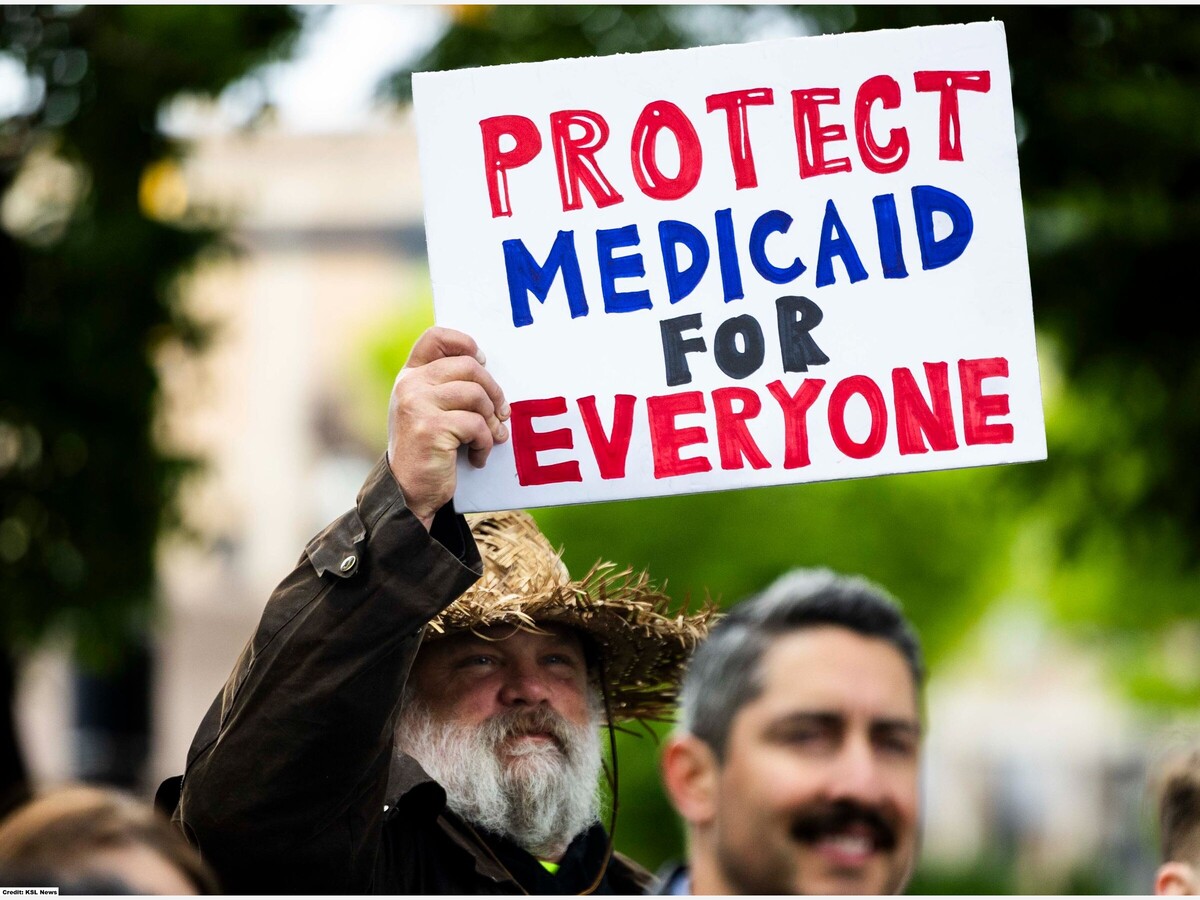
Advocates warn that the immediate victims of a funding freeze would not be fraudulent providers but families who depend on Medicaid for daily care. The threatened programs include Home and Community Based Services that allow older adults and people with disabilities to remain at home rather than entering nursing facilities or hospitals.
State officials estimate the financial gap could reach more than $500 million per quarter, a scale that lawmakers say cannot be backfilled through state reserves without severe cuts to eligibility, services, or provider payment rates.
For caregivers like Hanek, the uncertainty is already taking a toll.
“These programs save and sustain lives every day, and they are being targeted,” she said. “Why? For what? Political points? Revenge for having a governor who dares to disagree with this administration?”
Minnesota formally filed an appeal of the proposed funding freeze on January 13, 2026. CMS has given the state until January 30 to submit a revised corrective action plan with detailed timelines and enforcement benchmarks.
As of mid January, no formal hearing date has been scheduled, leaving families, providers, and state agencies in limbo.
State leaders say they will continue negotiations while urging federal officials to reconsider the scale of the proposed action. Caregivers, meanwhile, say they will keep returning to the Capitol to press their case.
“We are not talking about line items or spreadsheets,” Hanek said. “We are talking about real people, real families, and lives that depend on these services every single day.”



Sunny, with a high of 82 and low of 54 degrees. Sunny during the morning, clear for the afternoon and evening,