Image
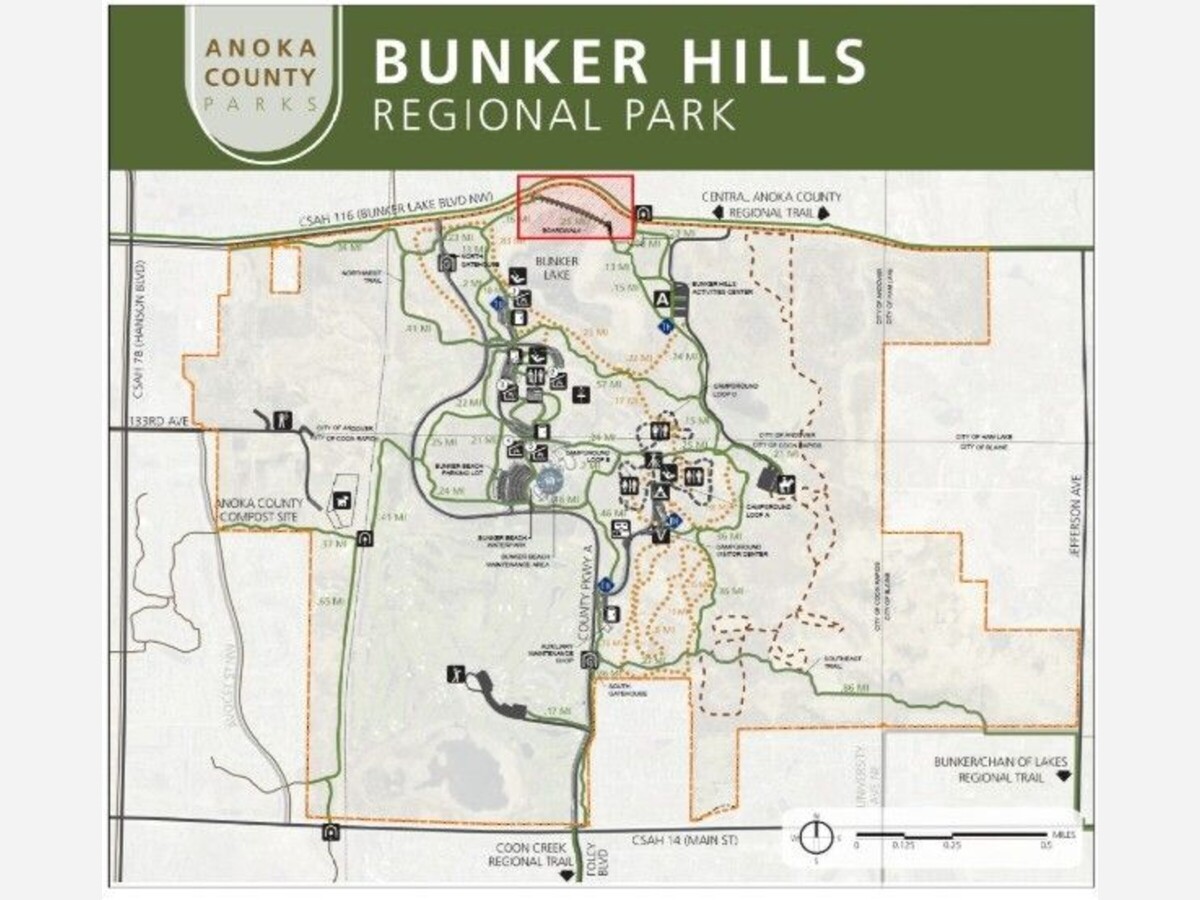



In the quiet depths of winter, when Minnesota’s wetlands are locked in ice and silence, a critical piece of public infrastructure is taking shape at Bunker Hills Regional Park.
Anoka County Parks has begun phase two of the Bunker Hills boardwalk replacement, a project that goes beyond routine trail maintenance. It is an investment in durability, environmental stewardship, and equitable access to one of the Twin Cities’ most ecologically complex public landscapes.
The work, announced through updates from Anoka County Parks and shared locally by the City of Coon Rapids, focuses on rebuilding a key wetland crossing that has reached the end of its service life. When complete, the new structure is expected to reopen for public use in spring.
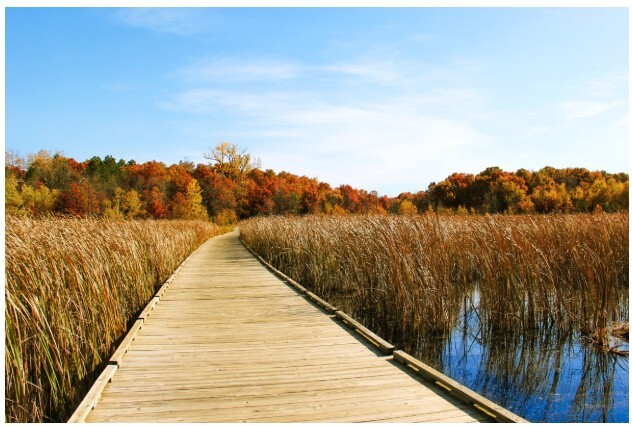
The defining feature of phase two is the installation of helical piers, a foundation technology increasingly used in sensitive environments where traditional construction would cause lasting harm.
Unlike timber pilings or concrete footings, helical piers are steel shafts with helical blades that are hydraulically screwed into the ground. This method allows crews to bypass unstable peat and organic muck and anchor the structure into deeper, load-bearing soils.
For wetlands like those at Bunker Hills, the advantages are decisive:
The result is a structure engineered not just to stand, but to endure.
Constructing a boardwalk through wetlands is counterintuitive work best done when the ground is frozen solid.
By building during winter months, crews can move heavy equipment across marshy terrain without compacting soil, crushing vegetation, or altering natural water flow. This approach has become standard practice for park systems balancing public access with ecological preservation.
Anoka County’s phased timeline reflects that logic:
The boardwalk is more than a scenic feature. It is a functional corridor through a protected wetland system within Bunker Hills’ more than 1,600 acres of parkland.
Its replacement is designed to meet modern accessibility standards, with a smoother, more level surface capable of safely accommodating:
In a regional park that serves both local residents and metro-wide visitors, accessibility is not an add-on. It is a core measure of whether public land truly belongs to everyone.
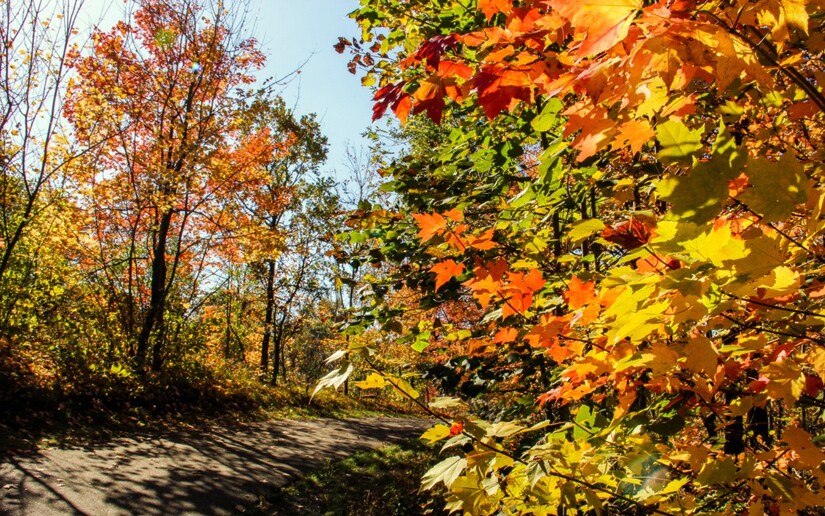
The rebuilt boardwalk passes through a wetland system shaped by the Anoka Sand Plain, a distinctive geological region marked by sandy soils and high groundwater.
From the finished structure, visitors can expect intimate views of a landscape that rarely tolerates foot traffic:
The boardwalk functions as a controlled threshold, allowing people into the ecosystem without allowing erosion, trampling, or habitat loss to follow.
In an era when public infrastructure is often judged by speed or spectacle, the Bunker Hills boardwalk rebuild is a quieter kind of civic work. It is deliberate. It is patient. And it is rooted in the understanding that access, when done correctly, can coexist with preservation.
When the ice recedes and the trail opens again, the most important measure of success will not be how new the boardwalk looks, but how lightly it rests on the land beneath it.


Patchy rain nearby, with a high of 85 and low of 48 degrees. Sunny in the morning, patchy light rain in area with thunder for the afternoon and evening, clear overnight.