74° and Clear
Image
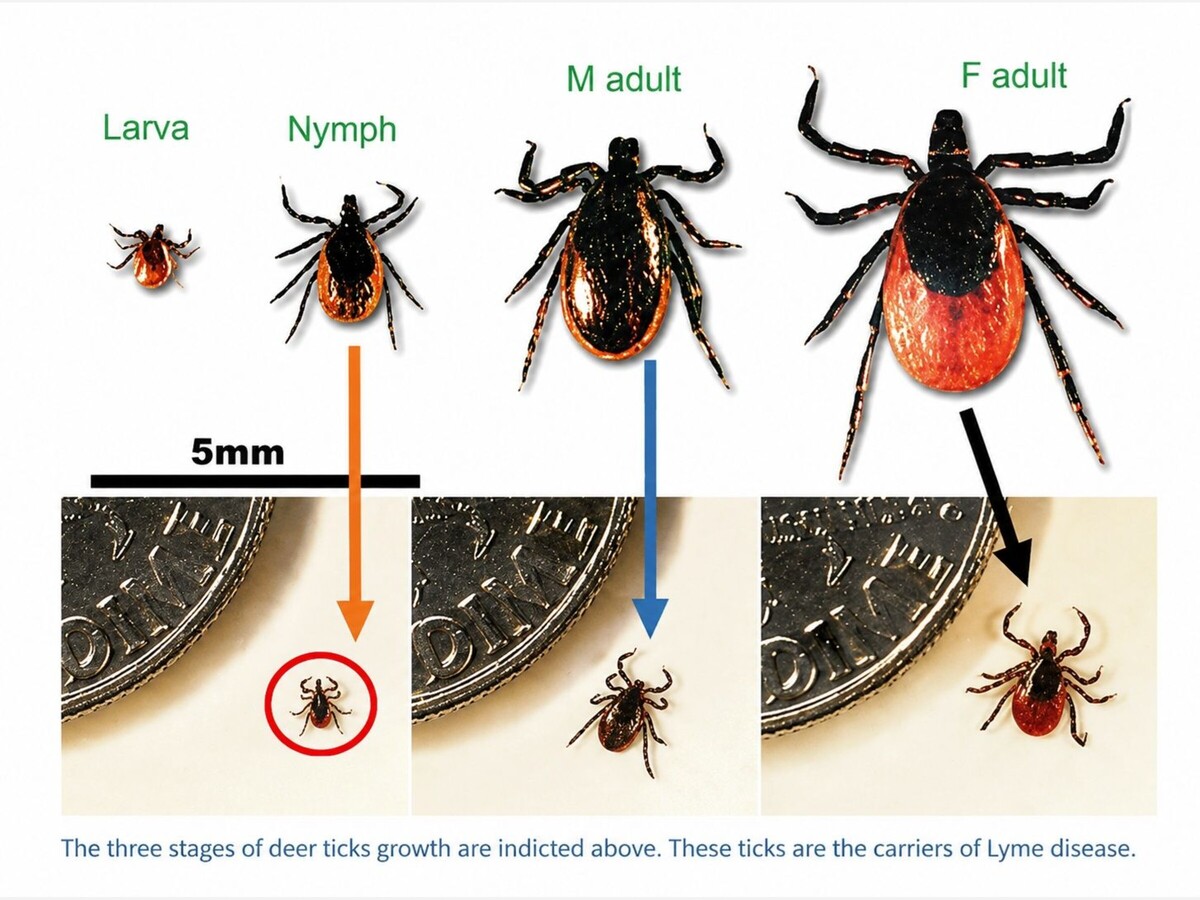
Image courtesy of DL-Online



MINNEAPOLIMEDIA NEWS | Lyme Disease Remains a Growing Summer Threat Across Minnesota
MINNEAPOLIS, MN (June 23, 2026) As Minnesotans head outdoors to enjoy hiking trails, parks, campgrounds, lakes, and backyard gatherings, health experts are warning that one of the state's most persistent summer health threats remains active and widespread: Lyme disease.
Minnesota consistently ranks among the states with the highest incidence of Lyme disease in the nation, largely because of the prevalence of blacklegged ticks, commonly known as deer ticks, throughout much of the state. Public health officials say the risk is especially high during late spring and summer, when immature ticks known as nymphs are most active and most likely to transmit disease to humans.
Dr. David Pearson of the University of Minnesota Medical School recently emphasized that deer ticks are no longer confined to remote forests and wilderness areas. They can be found in neighborhood parks, suburban green spaces, wooded trails, and even residential backyards, making awareness and prevention critical for Minnesota families during the outdoor recreation season.
Lyme disease is caused by bacteria transmitted through the bite of an infected blacklegged tick. The disease is the most common tick-borne illness in the United States and is particularly concentrated in the Upper Midwest and Northeastern states, including Minnesota and neighboring Wisconsin.
Health experts warn that untreated Lyme disease can lead to serious complications affecting multiple body systems. In its later stages, the infection can cause chronic joint inflammation, facial paralysis, nerve damage, meningitis-like symptoms, cognitive difficulties, and potentially dangerous heart rhythm abnormalities known as Lyme carditis.
The encouraging news, physicians say, is that Lyme disease is highly treatable when detected early. Most patients who receive prompt medical attention recover fully after a relatively short course of oral antibiotics. Early diagnosis remains one of the most important factors in preventing long-term complications.
One of the most recognizable warning signs is an expanding red rash known as erythema migrans, often described as a bull's-eye or ring-shaped rash. However, health experts caution that not every Lyme disease rash appears as a classic bull's-eye, and some infected individuals may not notice a rash at all. Other early symptoms can include fever, fatigue, headache, muscle aches, chills, and swollen lymph nodes.
Complicating matters further, many people never realize they were bitten. Nymph-stage deer ticks are extremely small, often no larger than a poppy seed, making them difficult to detect before they attach to the skin. Because of their size, these immature ticks are responsible for many human Lyme disease infections.
Health officials recommend conducting thorough tick checks after spending time outdoors, especially after hiking, gardening, camping, hunting, fishing, or working in wooded or grassy areas. Particular attention should be paid to areas such as the scalp, behind the ears, under the arms, around the waist, behind the knees, and other skin folds where ticks often attach. Pets should also be checked regularly because they can carry ticks into homes.
Experts also recommend preventive measures such as wearing long sleeves and long pants, tucking pants into socks when walking through brushy areas, staying on established trails, using EPA-approved insect repellents containing DEET or picaridin, and treating clothing and gear with permethrin when appropriate.
The risk of tick exposure has grown as tick populations have expanded across many parts of North America. Researchers point to a combination of factors, including changing climate conditions, growing deer populations, and increased human development near wooded habitats. These trends have contributed to the spread of ticks and the diseases they carry into new geographic areas.
For Minnesotans, however, the message from physicians remains straightforward: enjoy the outdoors, but take ticks seriously.
With peak outdoor recreation season now underway, health experts say a few minutes spent checking for ticks after coming indoors can make the difference between a minor inconvenience and a potentially serious illness. Early recognition of symptoms, prompt removal of attached ticks, and timely medical evaluation remain the best defenses against Lyme disease and other tick-borne illnesses that continue to pose a significant public health challenge across Minnesota.
MinneapoliMedia | Community. Culture. Civic Life.


Sunny, with a high of 94 and low of 64 degrees. Sunny for the morning, clear overnight.