74° and Clear
Image




The group stage entered its decisive phase on Tuesday as the 2026 FIFA World Cup initiated the final round of matches across Groups A, B, and C. For the first time in the tournament, all six matches on the schedule carried direct knockout-round implications, with qualification, elimination, and group titles all on the line. Unlike the opening two rounds, where teams still had opportunities to recover from setbacks, Matchday Three offered no margin for error. Every goal altered the live standings, and every save influenced qualification scenarios. By the end of the evening, several nations had secured passage to the Round of 32, while others saw promising campaigns come to an end.
The afternoon began in western Canada and the Pacific Northwest, where Switzerland overtook co-host Canada to capture first place in Group B, while Bosnia and Herzegovina completed one of the most significant achievements in its football history by advancing beyond the group stage for the first time. Attention then shifted east as Group C reached its conclusion. Brazil delivered its most complete performance of the tournament, defeating Scotland to secure top spot, while Morocco recovered from an early deficit to eliminate Haiti and claim second place in the group.
The final window belonged to Mexico and South Africa. Playing before another capacity crowd at Mexico City Stadium, El Tri completed an unbeaten group stage with a convincing victory over Czechia to finish atop Group A. Several hundred miles north in Monterrey, South Africa produced one of the nation's greatest World Cup moments, defeating South Korea to qualify for the knockout stage for the first time in its history. By the close of Day 14, the knockout bracket had become considerably clearer. Mexico, Switzerland, Brazil, South Africa, Canada, Morocco, and Bosnia and Herzegovina all secured places in the Round of 32, while Qatar, Haiti, Czechia, South Korea, and Scotland saw their tournaments end.
|
Team |
Played |
Won |
Drawn |
Lost |
GF |
GA |
GD |
Points |
Status |
|
Mexico |
3 |
3 |
0 |
0 |
6 |
0 |
+6 |
9 |
Qualified (W) |
|
South Africa |
3 |
1 |
2 |
0 |
2 |
1 |
+1 |
5 |
Qualified (R) |
|
Czechia |
3 |
0 |
1 |
2 |
1 |
4 |
-3 |
1 |
Eliminated |
|
South Korea |
3 |
0 |
1 |
2 |
1 |
5 |
-4 |
1 |
Eliminated |
|
Team |
Played |
Won |
Drawn |
Lost |
GF |
GA |
GD |
Points |
Status |
|
Switzerland |
3 |
2 |
1 |
0 |
7 |
3 |
+4 |
7 |
Qualified (W) |
|
Canada |
3 |
1 |
1 |
1 |
8 |
3 |
+5 |
4 |
Qualified (R) |
|
Bosnia & Herzegovina |
3 |
1 |
1 |
1 |
5 |
6 |
-1 |
4 |
Qualified (3rd) |
|
Qatar |
3 |
0 |
1 |
2 |
2 |
10 |
-8 |
1 |
Eliminated |
|
Team |
Played |
Won |
Drawn |
Lost |
GF |
GA |
GD |
Points |
Status |
|
Brazil |
3 |
2 |
1 |
0 |
7 |
2 |
+5 |
7 |
Qualified (W) |
|
Morocco |
3 |
2 |
1 |
0 |
7 |
3 |
+4 |
7 |
Qualified (R) |
|
Scotland |
3 |
1 |
0 |
2 |
1 |
4 |
-3 |
3 |
Eliminated |
|
Haiti |
3 |
0 |
0 |
3 |
2 |
8 |
-6 |
0 |
Eliminated |
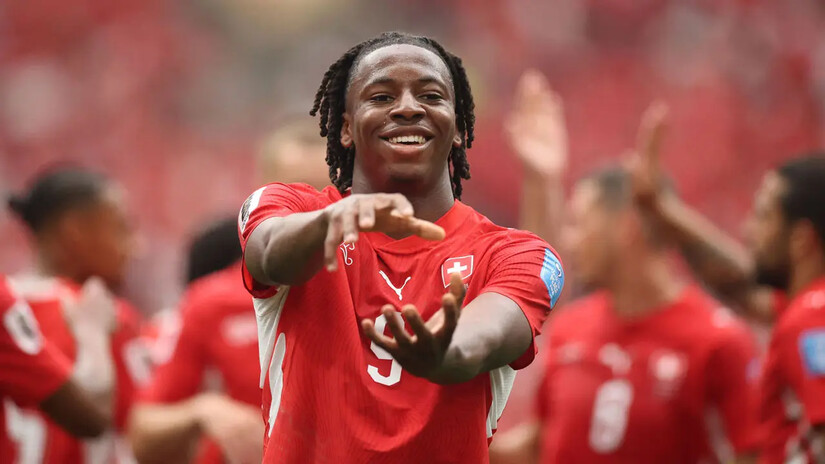
The matchday sequence commenced at BC Place in Vancouver, pairing two selections that had already secured knockout-round football but were still locked in a direct battle for top spot in Group B. For forty-five minutes, the contest resembled a high-level tactical chess match. Canada, energized by another passionate home crowd, implemented Jesse Marsch’s signature aggressive midfield press, while Switzerland remained patient in possession, relying on localized overloads to retain control. Neither side found a definitive breakthrough before the interval despite several promising vertical transitions.
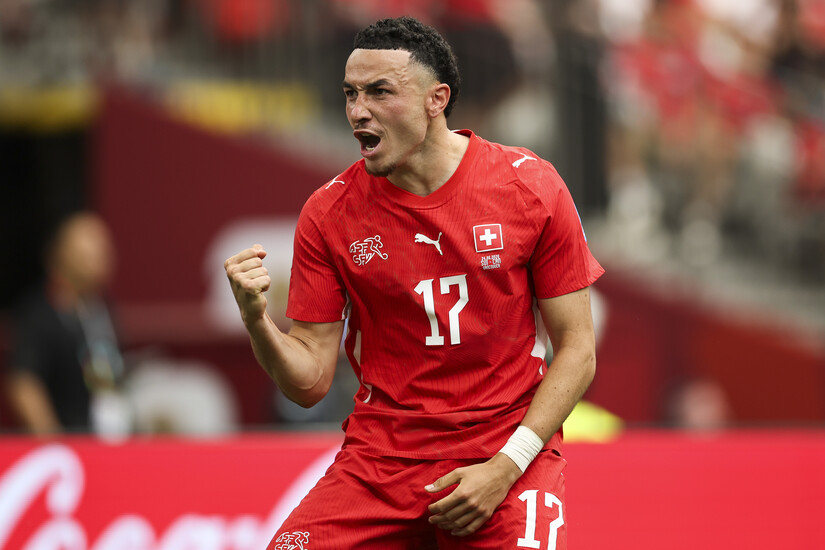
The tactical equilibrium dissolved seconds after the restart. Just forty seconds into the second half, midfielder Ruben Vargas found a pocket of space inside Canada's penalty area, latching onto a slick combination pass to calmly finish and hand Switzerland a 1-0 advantage. Before the co-hosts could fully organize their defensive lines, the Swiss struck again. A lightning-fast, three-on-one counterattack sliced directly through Canada's overextended shape, allowing Johan Manzambi to double the lead in the 54th minute and place the Swiss firmly in command.
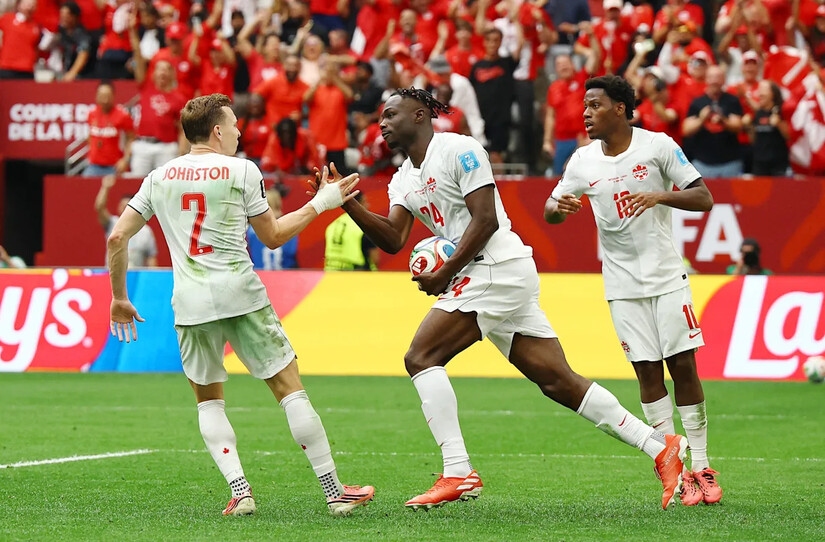
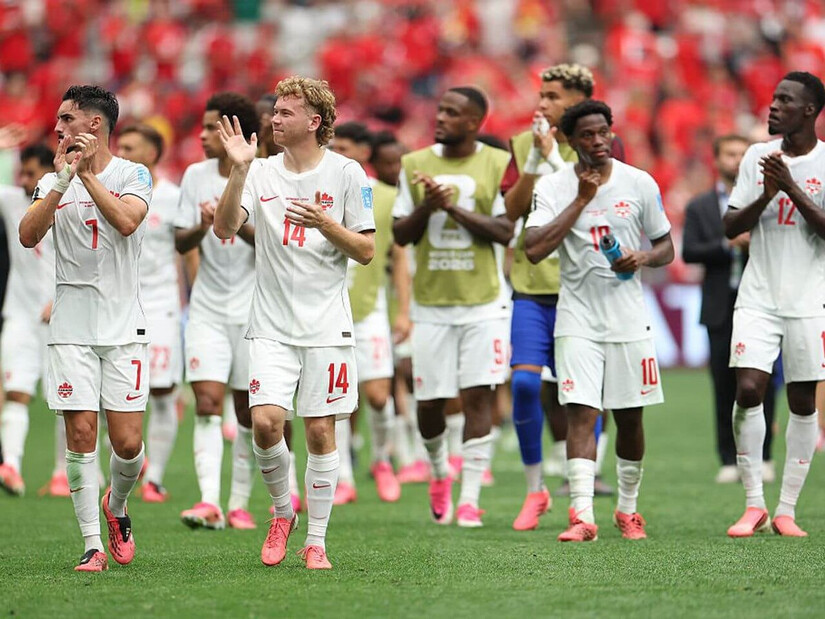
Canada refused to disappear. Forward Promise David ignited the stadium by pulling a goal back with a composed finish in the 72nd minute, creating a tense closing window in which the Canadians pushed relentlessly for an equalizer. The Swiss back line, however, remained exceptionally organized under sustained pressure. Goalkeeper Yann Sommer and his center backs consistently cleared dangerous aerial deliveries while Switzerland systematically slowed the tempo to lock down the 2-1 victory. The win lifted Switzerland to seven points and secured first place in Group B, while Canada advanced comfortably as runners-up.
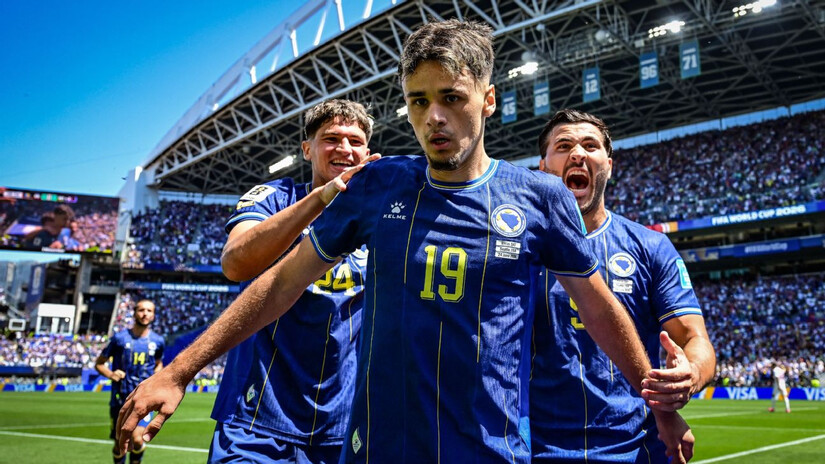
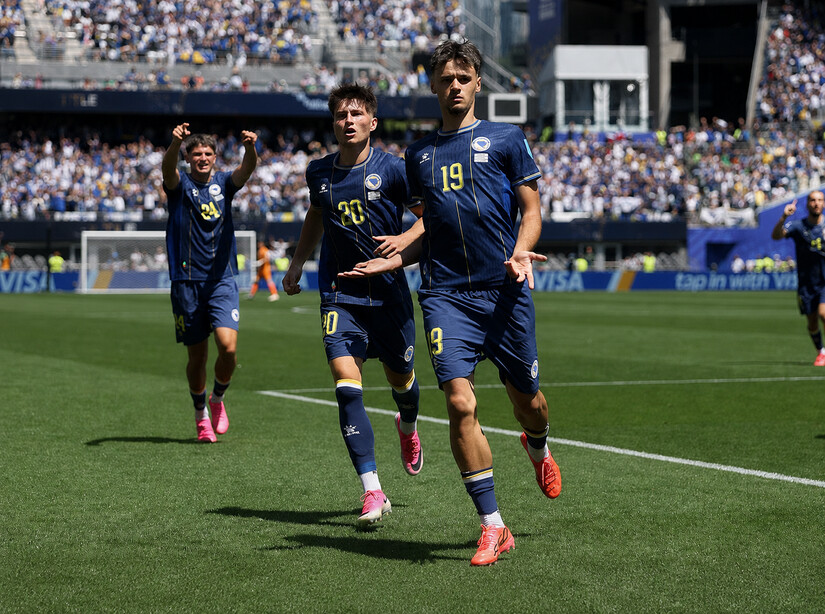
While Switzerland and Canada battled in Vancouver, Bosnia and Herzegovina quietly authored one of the day's most historic results at BMO Field in Seattle. Understanding that maximum points would guarantee advancement into the Round of 32, the Europeans immediately assumed control of midfield territory, dictating the tempo through structured interior passing lanes.
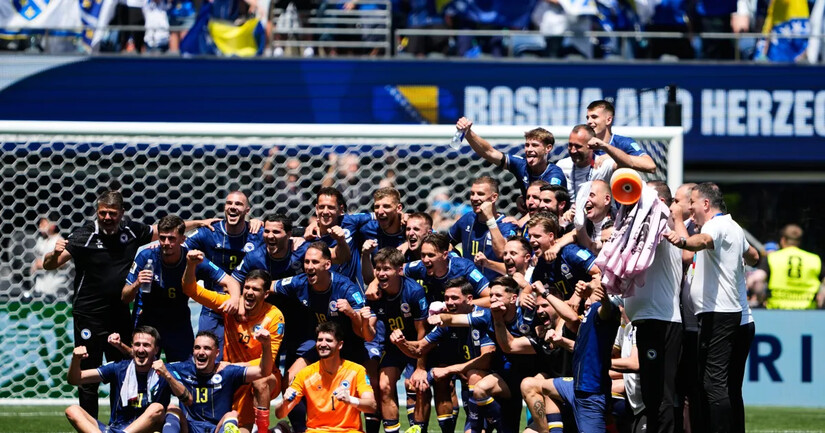
Qatar struggled immensely to contain Bosnia's lateral movement between the lines and frequently found itself defending deep inside its own penalty box. The European side steadily expanded its advantage through composed build-up play and intelligent spacing around the penalty area. One spectacular long-range strike highlighted an afternoon in which Bosnia consistently generated higher-quality opportunities than its opponent, outshooting Qatar 18 to 5.
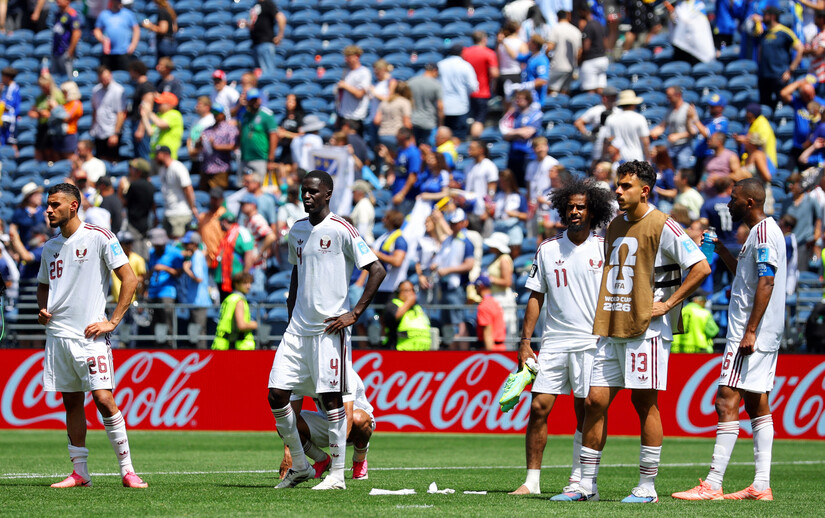
Qatar attempted to adjust their lines after falling behind, but persistent defensive lapses and a lack of attacking rhythm prevented any sustained comeback. By the final whistle, Bosnia had secured a convincing 3-1 victory, booking the nation's first appearance in a World Cup knockout stage. For a country whose international football history has often been defined by narrow, heartbreaking disappointments, the achievement represents a landmark moment. Qatar, meanwhile, exited the tournament after collecting just one point from three matches.
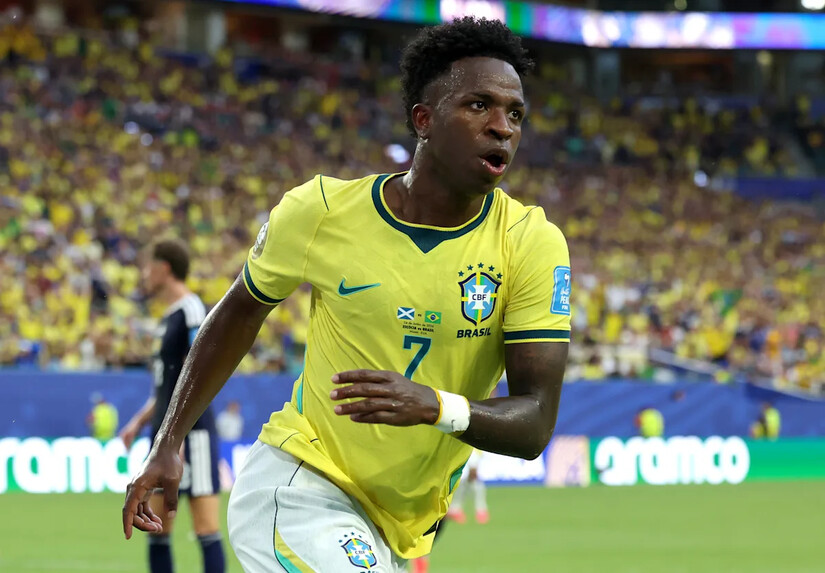
Brazil entered Miami Stadium needing a clear victory to guarantee first place in Group C, and the five-time world champions delivered an uncompromised statement of intent. After opening the tournament with an uneven draw against Morocco, Carlo Ancelotti’s Seleção have steadily improved throughout the group stage, culminating in their most complete tactical performance of the summer against Steve Clarke's Scotland.
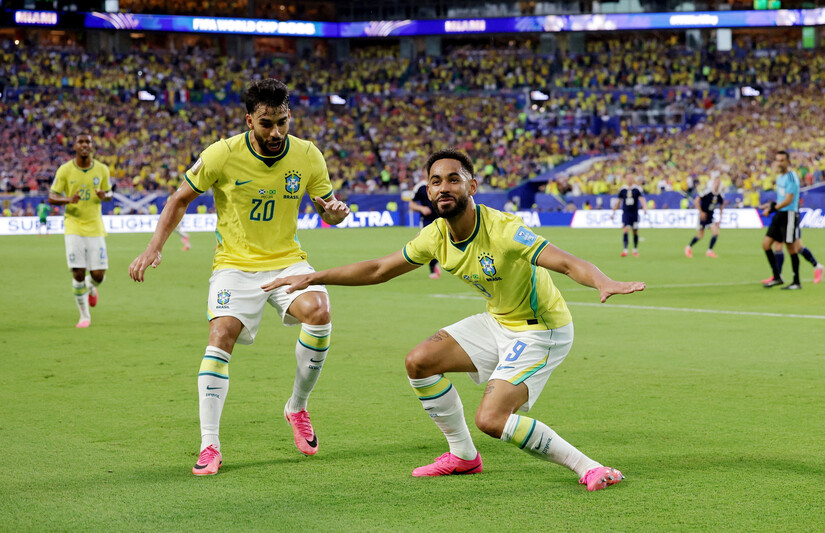
Winger Vinícius Júnior once again proved to be the absolute difference maker. His explosive pace repeatedly stretched Scotland's defensive line, creating massive dilemmas from the opening whistle. The Real Madrid star scored twice, hitting the back of the net in both halves to ensure he has scored in all three group-stage matches, establishing himself at the absolute forefront of the Golden Boot race. Brazil's midfield completely dominated possession, utilizing Bruno Guimarães to recycle second balls and limit Scotland's opportunities to launch counterattacks.
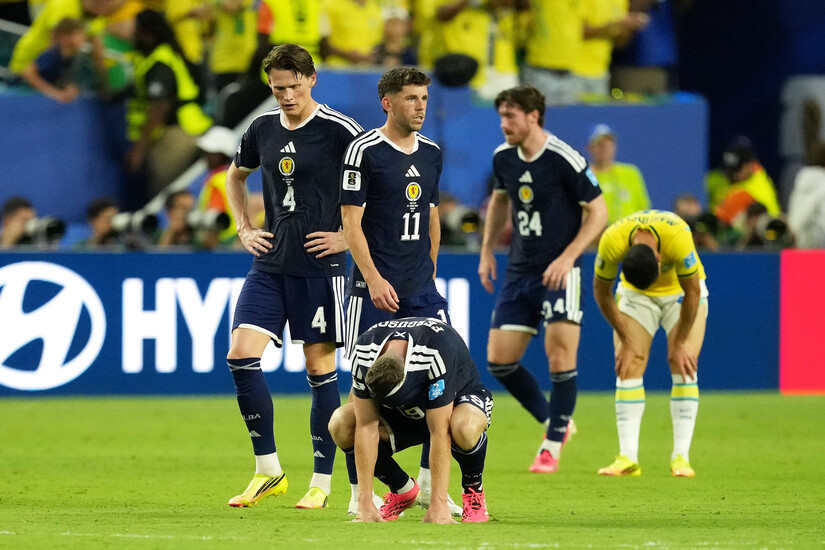
One of the afternoon's most emotional highlights materialized in the 78th minute when Neymar returned to World Cup action after an absence of 981 days. Although no longer operating as the undisputed centerpiece of Brazil's attack, his introduction from the bench drew a prolonged ovation and marked another significant milestone in his international career. Scotland battled bravely but lacked the technical depth to sustain attacking pressure, allowing Brazil's superior quality to cruise to a 3-0 shutout to claim Group C.
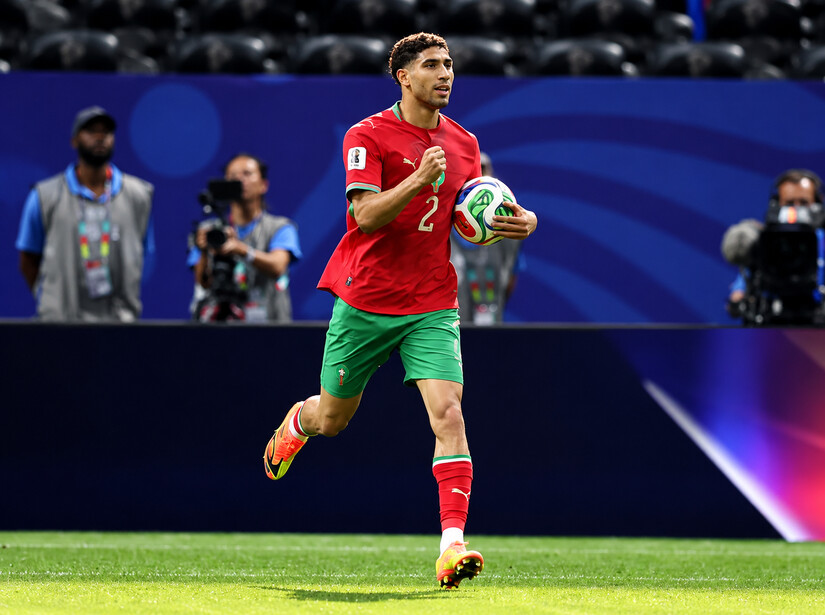
For a brief period at Atlanta Stadium, Haiti threatened to engineer one of the most astronomical surprises in modern tournament history. The Caribbean nation struck first, capitalising on a defensive lapse to record its first World Cup goal in more than five decades, stunning the Moroccan selections early. Haiti's confidence grew even further moments later when Mondy Prunier unleashed a spectacular, 30-yard long-range strike that doubled the advantage and momentarily placed Morocco under immense structural pressure.
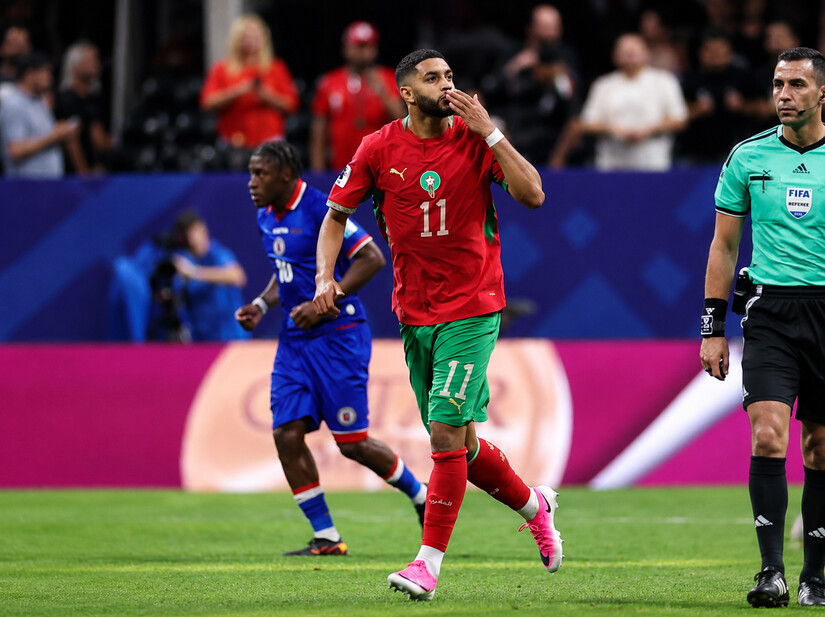
Rather than panicking under the 2-0 deficit, Walid Regragui’s side responded with immense composure. The Moroccan midfield gradually regained control of central possession, utilizing Sofyan Amrabat to restore spatial discipline while the attacking unit began systematically exploiting space behind Haiti's high defensive line. The comeback developed methodically. Morocco reduced the deficit before the halftime whistle, equalized shortly after the restart through a clinical header, and continued pressing forward with increasing confidence.
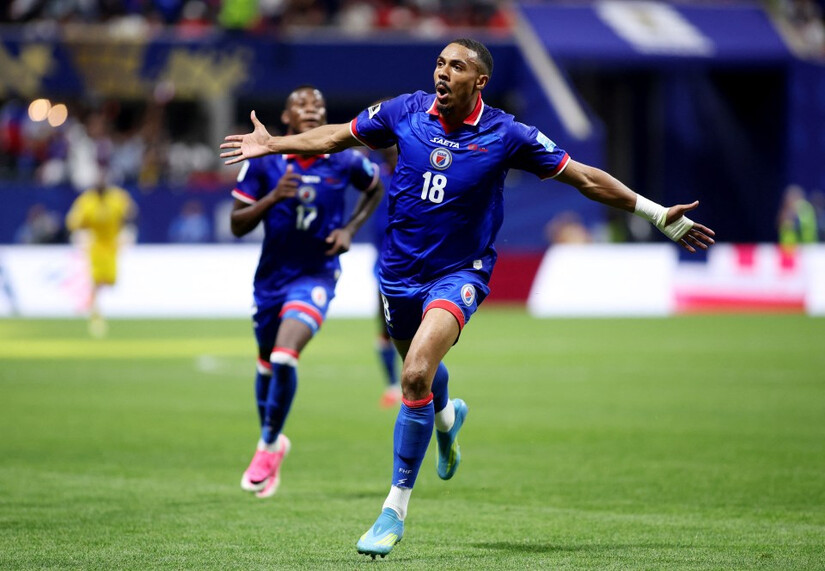
As Haiti tired physically under the grueling pace, Morocco's superior squad depth became completely decisive. Wave after wave of late vertical attacks eventually produced two additional goals, transforming what had once appeared to be a potential upset into a convincing 4-2 victory. The result secured Morocco's place in the Round of 32 alongside Brazil. Although Haiti finished their campaign without a point, the tournament debutants earned widespread respect for their fearless approach throughout the group stage.
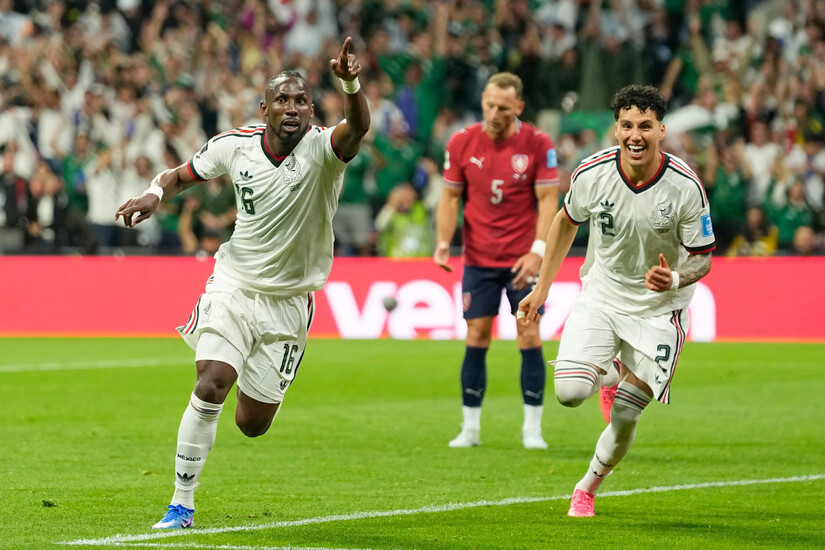
The final session of Day 14 shifted to Mexico, where the primary host nation completed a flawless opening phase. Playing before another capacity crowd at Mexico City Stadium, Mexico produced a composed and disciplined performance against Czechia, validating their status as a premier tournament force.

The home side controlled possession from the initial whistle, utilizing an efficient 4-3-3 matrix that rarely allowed Czechia opportunities to establish any offensive rhythm. Mexico's midfield circulated the ball with high precision, while the defensive pairing of Johan Vásquez and César Montes consistently interrupted Czech counterattacks before they could pierce the final third. By the end of the evening, Czechia had failed to register a single shot on target against Javier Aguirre's side.
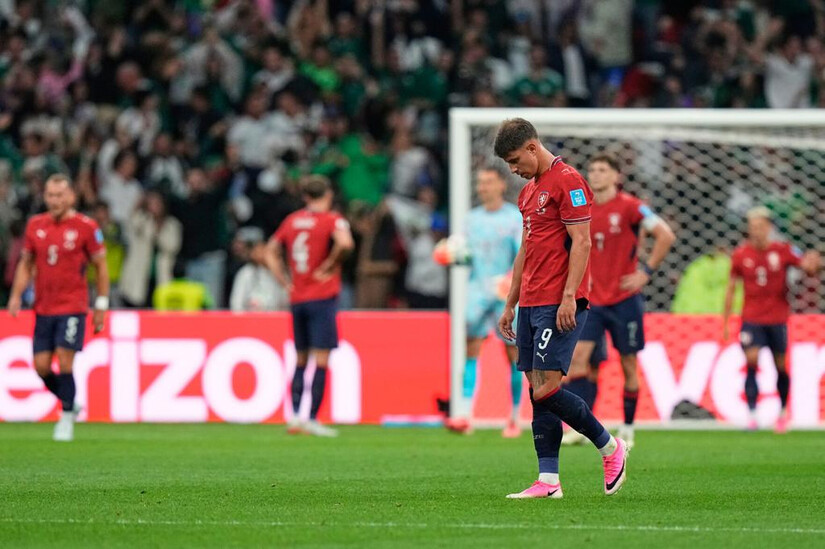
Mexico's attacking patience eventually translated into clinical goals, each one increasing the baseline confidence inside a stadium that has become the loudest venue in North America. The 3-0 victory completed a perfect group stage: three matches, three victories, six goals scored, and zero goals conceded. Mexico now advances to the Round of 32 carrying massive momentum and the absolute support of a nation that increasingly believes this squad can make a deep run on home soil.
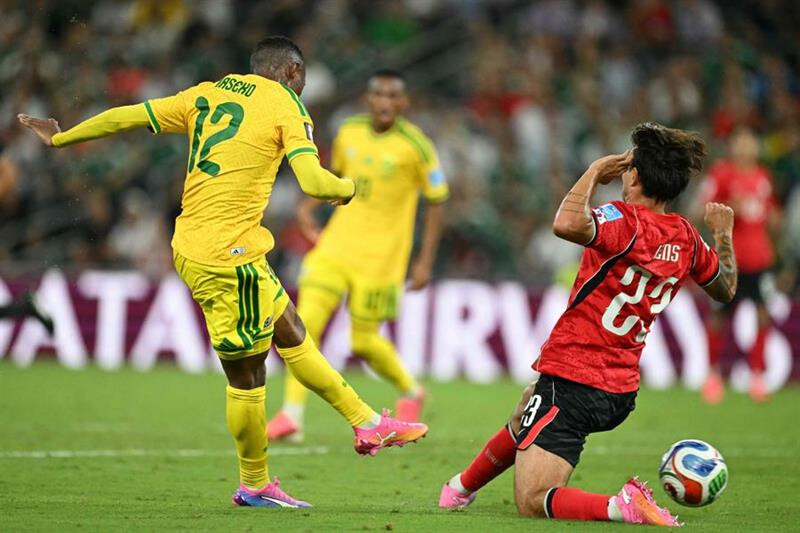
The final whistle at the Estadio BBVA in Monterrey produced one of the definitive moments in the history of South African football. Confronting a highly technical South Korea side that controlled possession for much of the evening, South Africa remained remarkably organized and structurally disciplined without the ball.
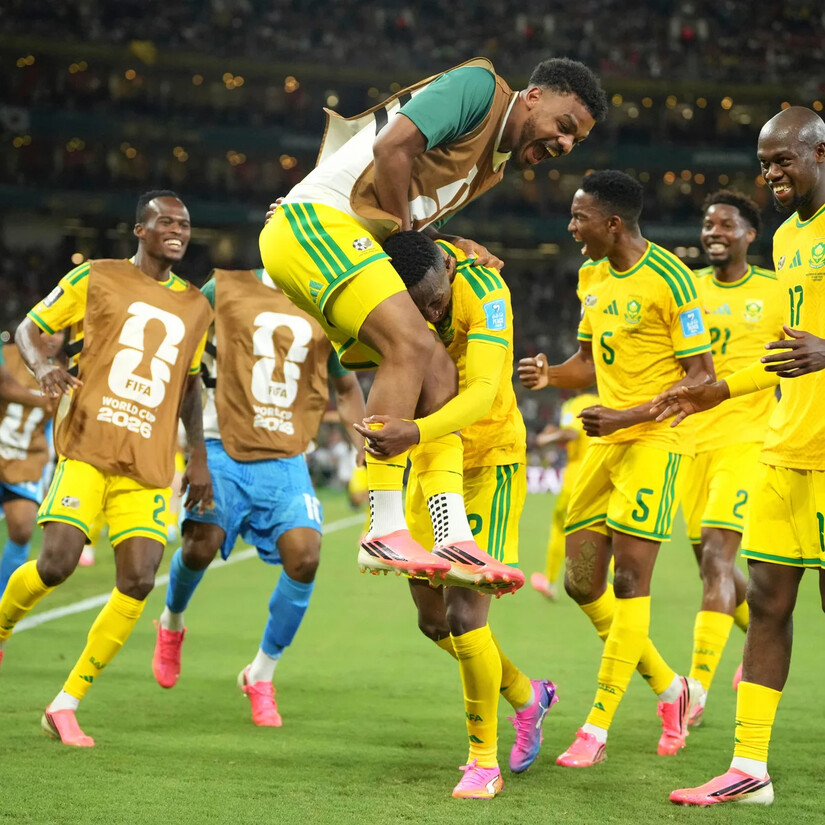
The African selection defended compactly within a rigid low block, denying central passing lanes and patiently waiting for transition opportunities to exploit. Those attacking avenues were highly restricted, but one clean opportunity proved more than enough. In the 63rd minute, winger Thapelo Maseko found the back of the net after a swift counterattack, a moment that survived a lengthy, tense VAR review before being officially confirmed.
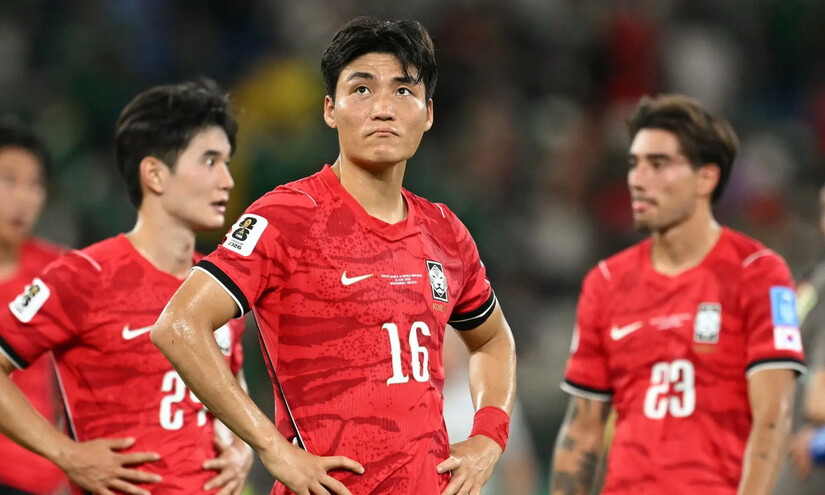
The final twenty-five minutes transformed into an epic exercise in defensive resilience. South Korea pushed additional players forward, shifting into an aggressive attacking shape that created several highly dangerous sequences around the penalty box. However, South Africa's defensive ring refused to break, blocking shots and dominating aerial duels until the final whistle confirmed the historic 1-0 victory. The achievement marks South Africa's first appearance in a World Cup knockout stage, cementing an iconic milestone for the program while sending South Korea home.
Several critical tactical themes crystallized as the first day of the decisive group-stage window concluded:
The group stage architecture is narrowing rapidly. As the remaining groups conclude their final fixtures, the margin for error disappears entirely, transforming the tournament into a cutthroat, single-elimination race for global supremacy.
MinneapoliMedia | Community. Culture. Civic Life.


Sunny, with a high of 94 and low of 64 degrees. Sunny for the morning, clear overnight.