74° and Clear
Image
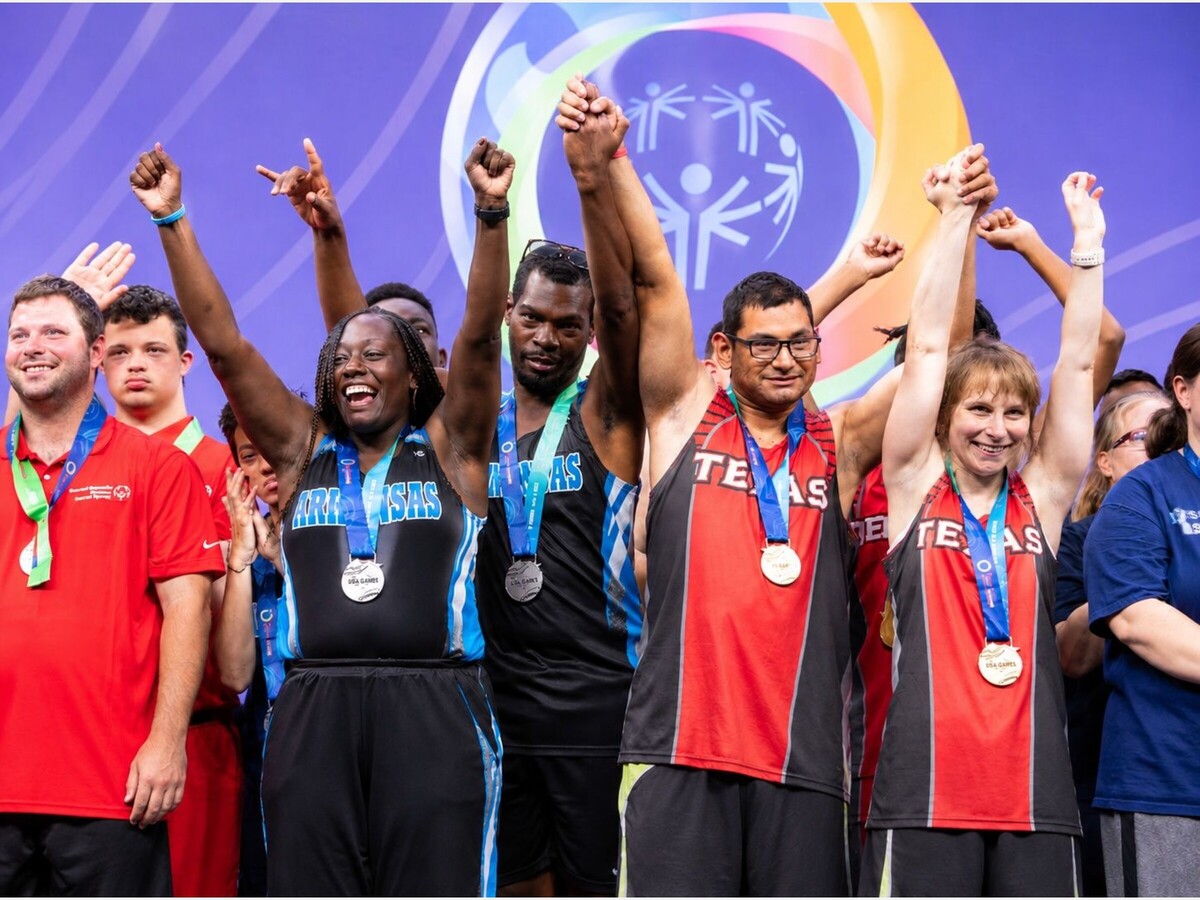


The Games, held June 20 through June 26, united approximately 3,000 athletes and 1,500 coaches from all 50 states. They were supported by more than 10,000 volunteers and drew an estimated 75,000 fans to venues across the region.
Athletes competed in 16 Olympic-type team and individual sports, including athletics, swimming, powerlifting, flag football, soccer, basketball, bocce, gymnastics, volleyball, and other events. Many competitions also featured Unified Sports, a Special Olympics model that brings athletes with and without intellectual disabilities together on the same teams.
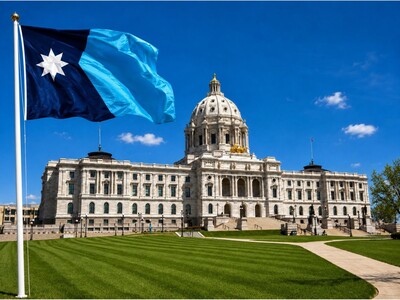
The University of Minnesota served as the central host site, with athletes housed on campus and many events staged at university facilities. The Games also extended across the metro area, including major competitions at the National Sports Center in Blaine and community events connected to sites such as Allianz Field in St. Paul and Mall of America in Bloomington.
The week began with a high-energy Opening Ceremony on Saturday, June 20, at Huntington Bank Stadium, featuring the Parade of Athletes, the arrival of the Law Enforcement Torch Run Final Leg, the lighting of the Flame of Hope cauldron, and musical performances by Demi Lovato and Jon Batiste.
The Closing Ceremony on Friday night brought the athletes back to the same stadium, this time not to begin the journey, but to mark what had been accomplished. It was a formal ending to the competition, but for many participants and families, it also served as a celebration of years of training, sacrifice, travel, courage, and community support.
The Games were also a national media event. ESPN provided extensive coverage across its platforms, including nearly 48 hours of live competition coverage on ESPN+ through the ESPN App, with featured events including athletics, swimming, powerlifting, and flag football. ABC also carried preview and review programming, helping bring the Minnesota-hosted Games to a national audience.
Beyond the competition venues, the Games placed a major focus on athlete health and long-term wellbeing through the Healthy Athletes program. The initiative offered free health screenings, education, and services to athletes, addressing barriers that people with intellectual disabilities often face in accessing consistent medical, dental, vision, hearing, and wellness care.
Organizers expected more than 15,000 free screenings to be administered during the week, with stations based at the University of Minnesota’s Health Sciences Education Center. For many athletes, the health services were not a side feature of the Games. They were a central part of the event’s broader mission to improve quality of life beyond sports.
That broader mission was visible throughout the week.
At competition sites, athletes were cheered not only for medals, but for effort, resilience, teamwork, and personal achievement. Families embraced at finish lines. Coaches shouted encouragement from the sidelines. Volunteers guided delegations through venues. Fans filled stands for athletes who, in many cases, had trained for years for the opportunity to compete on a national stage.
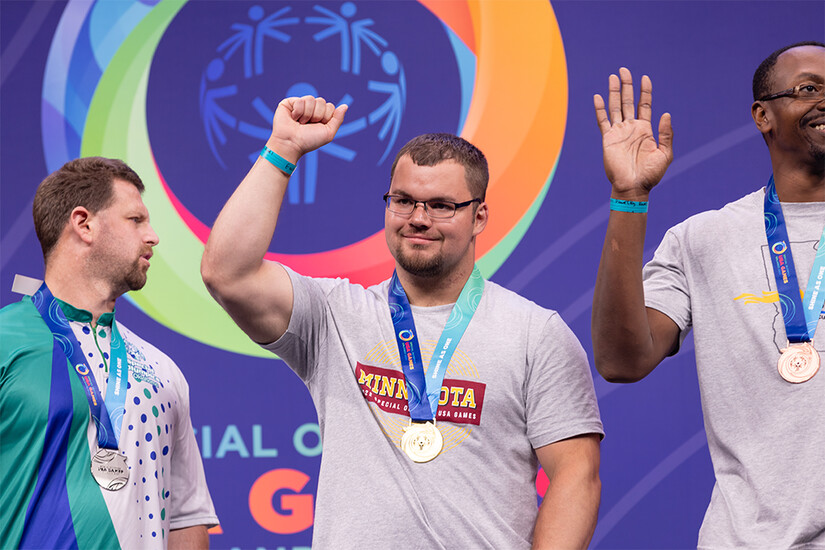
For Minnesota, hosting the Games represented one of the largest humanitarian and sporting events in state history. Hotels, restaurants, transportation networks, campuses, athletic venues, and public spaces across the Twin Cities absorbed the movement of thousands of visitors, while local volunteers helped turn the week into a statewide civic effort.
The event also arrived at a time when conversations about inclusion, disability rights, access, and representation remain deeply relevant. The Special Olympics has long argued that sports can do more than produce champions. It can shift public perception, build confidence, create friendships, improve health, and challenge communities to rethink what ability looks like.
In that sense, the 2026 USA Games were not only about who crossed the finish line first or who stood atop the medal podium. They were about whether a major American city, and the state surrounding it, could open its doors wide enough for every athlete to feel honored.
For one week, Minnesota did.
As the torch was lowered and delegations prepared to return home, the legacy of the Games remained larger than the final scores. It lived in the volunteers who showed up before sunrise, the families who traveled across the country, the athletes who competed under pressure, and the communities that saw, up close, the power of inclusion when it is not treated as a slogan, but as a public act.
The 2026 Special Olympics USA Games have ended. Their work in Minnesota has not.
MinneapoliMedia | Community. Culture. Civic Life.

Sunny, with a high of 94 and low of 64 degrees. Sunny for the morning, clear overnight.