74° and Clear
Image




The final round of group stage play continued Friday with another highly volatile chapter in the 2026 FIFA World Cup, as Groups G, H, and I concluded their structural schedules across six stadiums stretching across North America. Unlike the opening week of the tournament, when trailing nations still possessed operational room for recovery, Day 16 offered zero structural insulation. Every single matchday block carried direct consequences for mathematical qualification, immediate elimination, or seeding placement inside the bracket.
By the time the final whistles echoed shortly after midnight on the West Coast, three more group champions had been formally crowned, several nations had secured safe passage to the Round of 32, and the tournament's primary Cinderella narrative had achieved an unprecedented international milestone. France overwhelmed a heavily rotated Norway side to secure top placement in Group I, while Senegal delivered a ruthless five goal shutout to augment their goal difference parameters for third place wildcards. Spain edged Marcelo Bielsa's Uruguay to claim Group H, terminating the tournament path of a traditional South American giant. Concurrently, Cape Verde completed an extraordinary defensive masterclass, holding Saudi Arabia scoreless to claim the solitary point necessary to reach the knockout rounds in their debut World Cup appearance.
The evening window generated matching dramatic weight. Belgium thoroughly rediscovered its signature attacking fluidity to dismantle New Zealand and sweep the top seed in Group G, while Egypt and Iran produced one of the most structurally chaotic finishes in group stage history. A 93rd minute VAR offside intervention erased what appeared to be an Iranian match winner, ensuring that Egypt advances to the World Cup knockout phase for the first time in the history of the men's program. The expanded 48 team architecture has repeatedly rewarded tactical consistency over baseline reputation, a lesson completely verified on Day 16.
|
Team |
Played |
Won |
Drawn |
Lost |
GF |
GA |
GD |
Points |
Status |
|
Belgium |
3 |
1 |
2 |
0 |
6 |
2 |
+4 |
5 |
Qualified (W) |
|
Egypt |
3 |
1 |
2 |
0 |
5 |
3 |
+2 |
5 |
Qualified (R) |
|
Iran |
3 |
0 |
3 |
0 |
3 |
3 |
0 |
3 |
Eliminated |
|
New Zealand |
3 |
0 |
1 |
2 |
3 |
9 |
-6 |
1 |
Eliminated |
|
Team |
Played |
Won |
Drawn |
Lost |
GF |
GA |
GD |
Points |
Status |
|
Spain |
3 |
2 |
1 |
0 |
5 |
0 |
+5 |
7 |
Qualified (W) |
|
Cape Verde |
3 |
0 |
3 |
0 |
2 |
2 |
0 |
3 |
Qualified (R) |
|
Uruguay |
3 |
0 |
2 |
1 |
3 |
4 |
-1 |
2 |
Eliminated |
|
Saudi Arabia |
3 |
0 |
2 |
1 |
2 |
6 |
-4 |
2 |
Eliminated |
|
Team |
Played |
Won |
Drawn |
Lost |
GF |
GA |
GD |
Points |
Status |
|
France |
3 |
3 |
0 |
0 |
10 |
2 |
+8 |
9 |
Qualified (W) |
|
Norway |
3 |
2 |
0 |
1 |
8 |
6 |
+2 |
6 |
Qualified (R) |
|
Senegal |
3 |
1 |
0 |
2 |
6 |
5 |
+1 |
3 |
Advanced (3rd) |
|
Iraq |
3 |
0 |
0 |
3 |
2 |
13 |
-11 |
0 |
Eliminated |
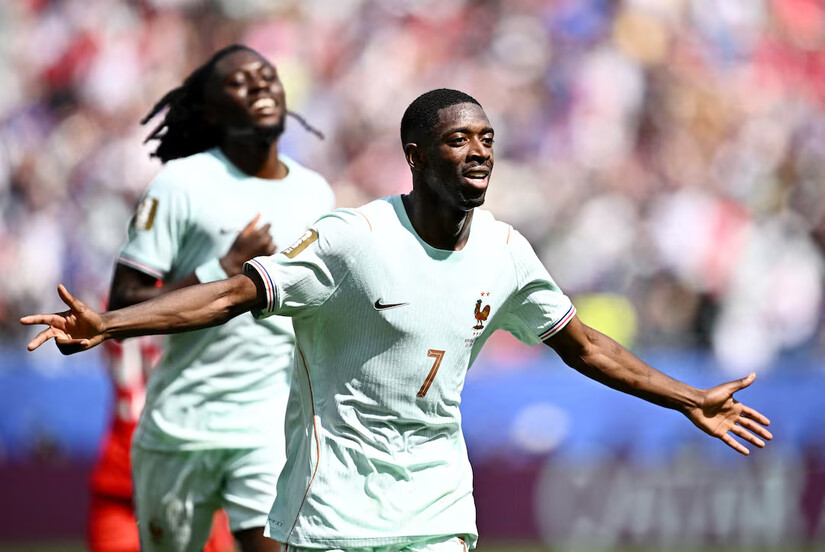
The day's opening block at Gillette Stadium in Foxborough featured an eagerly anticipated European heavyweight duel to resolve absolute supremacy in Group I. Didier Deschamps' side entered the pitch unblemished, matching a Norway roster that had captured headlines through the prolific output of Erling Haaland. However, the pre-match discourse underwent an immediate tactical shift when Norway manager Ståle Solbakken elected to rotate his starting eleven heavily, resting Haaland alongside several key defensive pillars to protect their baseline fitness for the Round of 32.
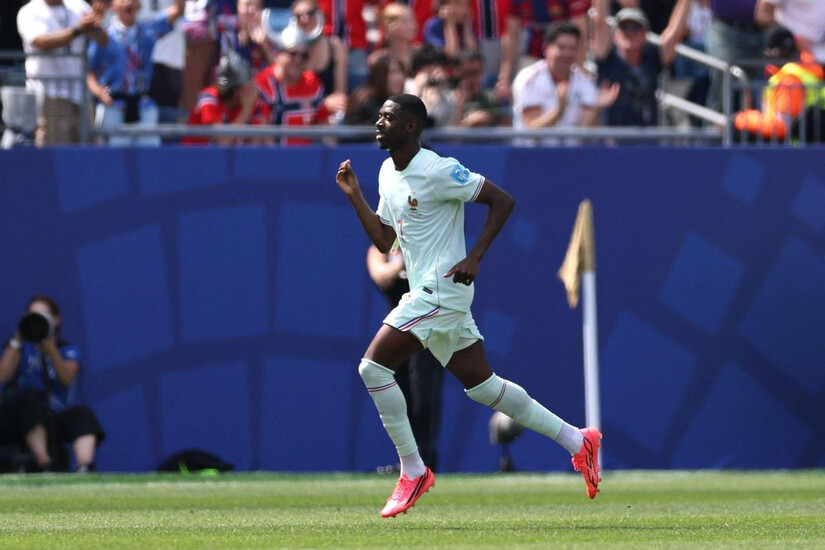
Les Bleus capitalized on the structural vacancy instantly. Implementing an aggressive, front foot midfield counter press through Eduardo Camavinga and Aurélien Tchouaméni, France completely choked out Norway's deep buildup play, turning possession over high up the pitch. Winger Ousmane Dembélé turned in a masterclass performance, exposing the makeshift Norwegian left flank via explosive vertical isolation play.
Dembélé struck his opening goal in the 14th minute, cutting inside with devastating speed before unleashing a low drive. He doubled the advantage in the 29th minute, cleaning up a neat transition sequence from Antoine Griezmann, before finalizing a historic first half hat trick in the 41st minute to forge a commanding 3-0 lead prior to the intermission.
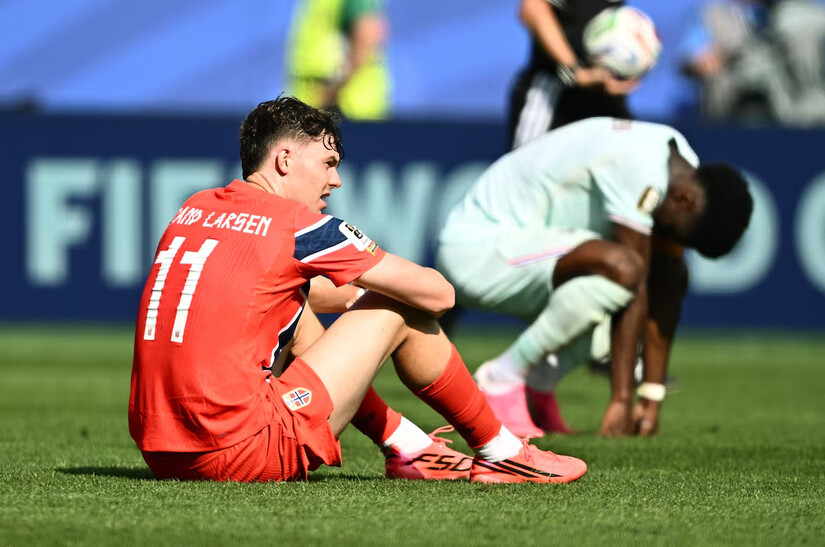
Solbakken injected Haaland into the central channel immediately after the interval, a tactical alteration that instantly generated offensive gravity and pinned France's center backs deeper. Norway clawed a goal back through a clinical finish from midfielder Thelo Aasgaard to pull the scoreline to 3-1. The Scandinavians engineered a golden opportunity to alter the entire psychological shape of the match when they were awarded a penalty kick following a defensive handling infraction inside the box.
However, French goalkeeper Mike Maignan produced a world class save, diving full length to deny Jørgen Strand Larsen from the spot. Denied their momentum swing, Norway's defensive ring fatigued late, allowing French substitute Désiré Doué to slide home a fourth goal deep into injury time to lock down the 4-1 blowout, cementing a flawless 9 point group stage for the European giants.
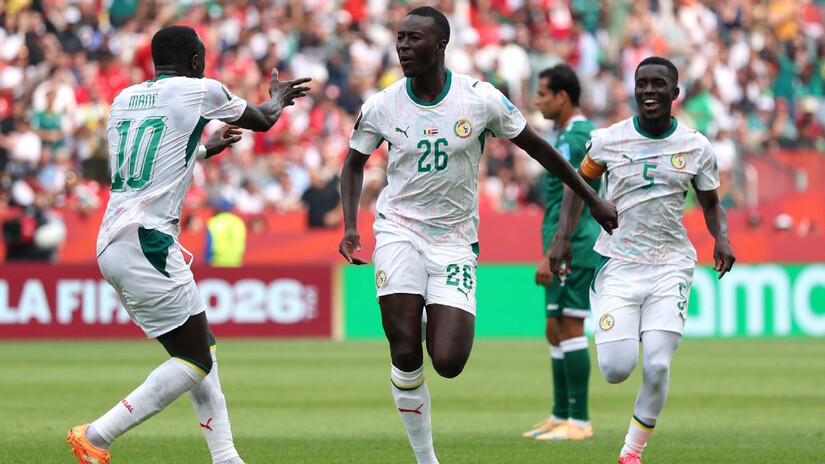
Concurrently, a non-negotiable tactical mission unfolded for Senegal, who took the pitch understanding that only an emphatic victory would preserve their structural eligibility for third place wildcard positioning. Facing an Iraq selection that had already been mathematically eliminated, the Lions of Teranga unleashed a textbook display of vertical transition speed.
The structural match balance tilted permanently early in the first half when a severe defensive challenge from an Iraqi center back resulted in a straight red card. Operating with a critical numeric advantage, Aliou Cissé’s side systematically overloaded the wide channels, moving the ball with high kinetic speed across the final third.
Senegal broke the deadlock via an authoritative header from Iliman Ndiaye, initiating a ruthless first half sequence that yielded three rapid goals before the halftime whistle blew.
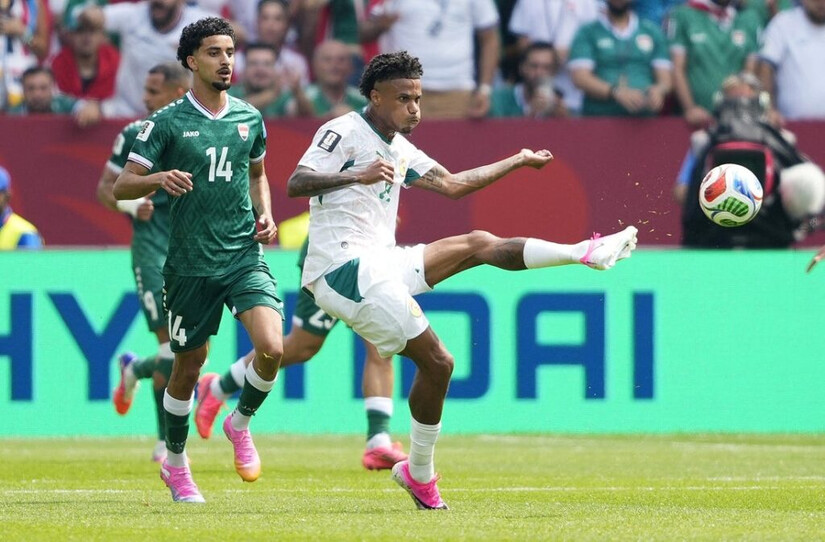
Rather than easing their offensive velocity after building a comfortable lead, Senegal maintained an intense counter press throughout the secondary half, fully cognizant that goal difference remains the final determinant for wildcard seeding. The midfield engine room completely choked out Iraq's rare transition attempts, allowing the African side to log a comprehensive 5-0 shutout. The emphatic result marks Senegal's largest victory in World Cup history, drastically elevating their mathematical prospects of advancing depending on the layout of remaining groups.
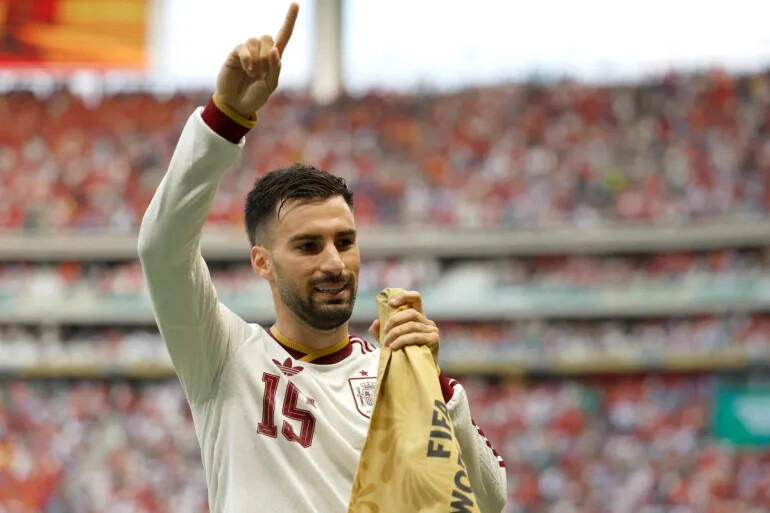
The evening schedule transitioned to the Estadio Akron in Zapopan, hosting a monumental Group H conflict defined by distinct, colliding footballing ideologies. Luis de la Fuente’s Spain sought to dictate the geography of the pitch via patient, structural possession combinations, while Marcelo Bielsa’s Uruguay deployed their trademark hyper aggressive, high velocity frontline press designed to turn the match into a chaotic transition war.
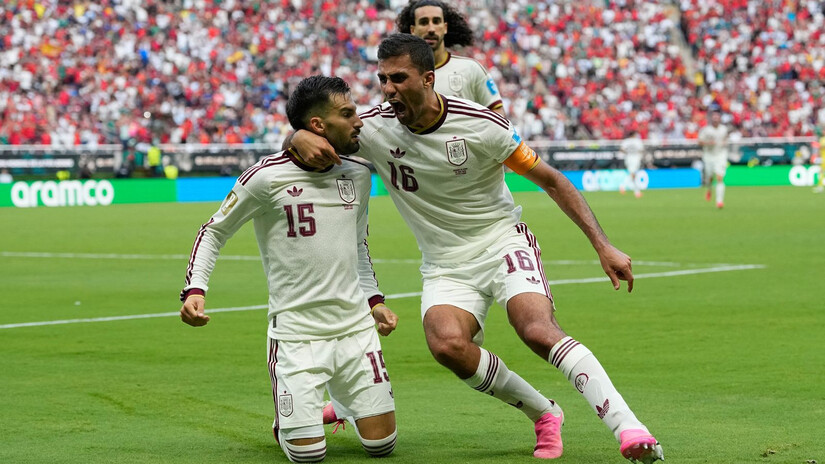
For the opening half hour, the tactical equilibrium remained uncompromised. Spain circulated the ball across their defensive line, trying to isolate Lamine Yamal and Nico Williams on the flanks, but Uruguay's dense back five shifted with excellent lateral coordination. Bielsa's midfield closed interior passing lanes effectively, limiting service into Darwin Núñez and forcing Spain into low probability crossing areas. Muslera marshaled his eighteen yard box with great distinction, logging two spectacular reaction stops to deny Rodri from distance.
The definitive breakthrough materialized in the 38th minute via a catastrophic mechanical error. What appeared to be a routine, looping cross from Fabián Ruiz traveled harmlessly into the box, but the veteran goalkeeper Fernando Muslera uncharacteristically fumbled the catch under zero aerial pressure. The loose ball dropped perfectly into the path of Álex Baena, who calmly side footed it into an unguarded net to hand Spain a 1-0 advantage.
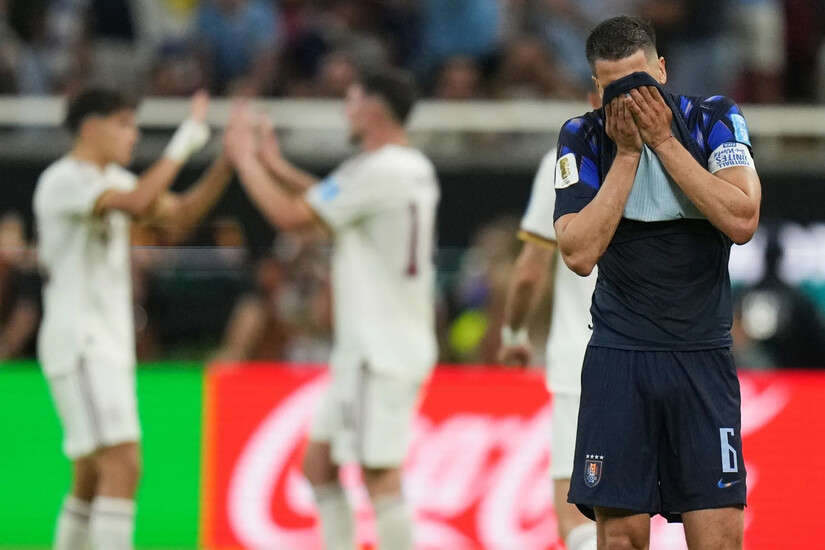
Uruguay responded with immense desperation after the interval. Bielsa altered their vertical spacing, introducing extra attackers and instructing his center backs to bypass short combinations entirely in favor of direct long balls into the final third. Spain's center back pairing of Robin Le Normand and Aymeric Laporte handled the aerial load flawlessly, winning 84 percent of their individual duels.
Uruguay engineered their optimal opportunity in the 81st minute when Núñez rolled his marker inside the box, but his low drive skipped agonizingly wide of the far post. De la Fuente's side managed the final tracking blocks of stoppage time with elite maturity, retaining possession to lock down the 1-0 shutout. The victory elevates Spain to seven points atop Group H without a single goal conceded all summer, while confirming a shocking, early tournament departure for the two-time world champions.
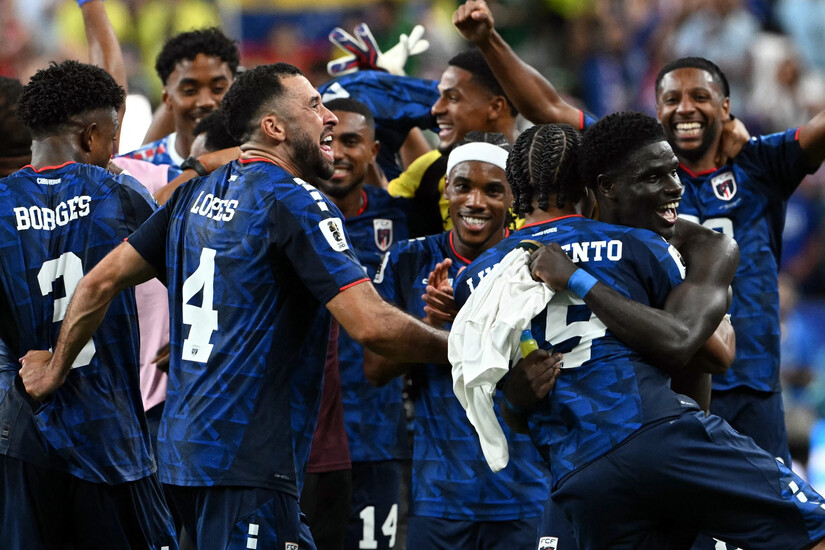
Simultaneously, an extraordinary sporting milestone played out at NRG Stadium in Houston, where tournament debutants Cape Verde collided with Saudi Arabia. Entering the final group match unbeaten on the heels of matching draws against Spain and Uruguay, the island nation of fewer than 600,000 people stood on the precipice of international history, requiring a singular point to secure certain passage to the Round of 32.
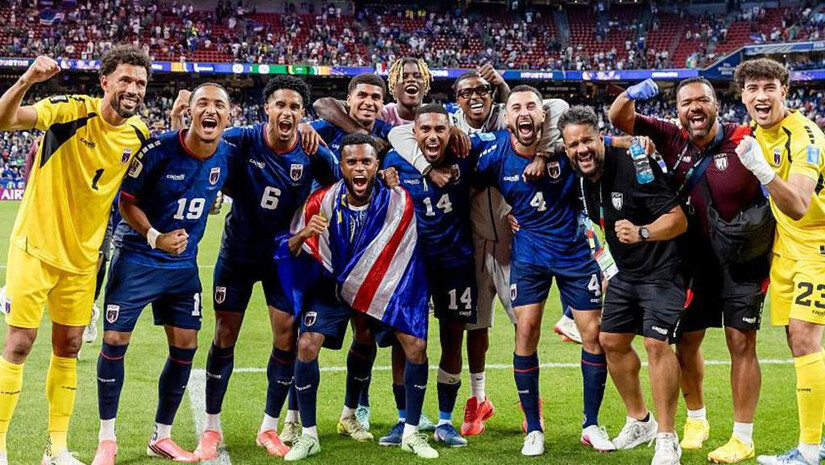
The immense psychological load of the setting failed to disrupt Cape Verde’s structural discipline. Bubista deployed his roster in a rigid, low block 4-5-1 configuration that completely prioritized spatial integrity over offensive expansion. The Blue Sharks compressed the distance between their midfield and defensive boundaries to absolute minimums, daring Saudi Arabia to pass through their central ring.
Saudi Arabia controlled nearly 68 percent of possession during the primary half, but their passing patterns remained entirely peripheral. Whenever the Green Falcons attempted to penetrate the interior lines, Cape Verde’s central pivots swarmed the ball carrier, forcing turnovers or low percentage crosses that were routinely cleared by Logan Costa.
The secondary half transformed into a pure test of physical endurance and mental concentration. As Saudi Arabia increased their attacking commitment by throwing advanced runners into the box, Cape Verde dropped deeper, utilizing a 5-4-1 defensive ring. Veteran goalkeeper Vozinha turned in a highly composed display, commanding his six yard area and collecting three crucial aerial crosses under intense pressure.
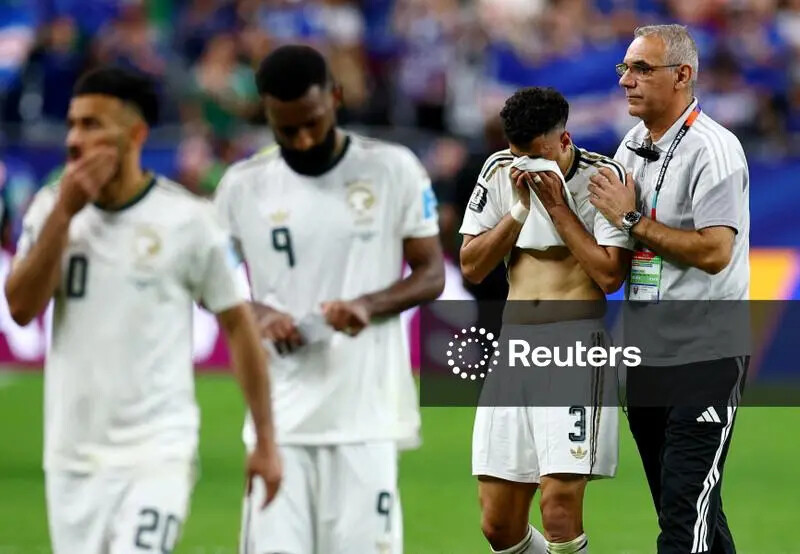
As news filtered through the technical areas that Spain had preserved their lead over Uruguay, the stadium atmosphere altered completely. Cape Verde managed the final minutes with absolute tactical focus, running down the clock to celebrate an incredible 0-0 gridlock. Remaining completely unbeaten through three fixtures against global giants, Cape Verde books a historic date against Argentina in the Round of 32, validating the competitive depth of the expanded tournament format.
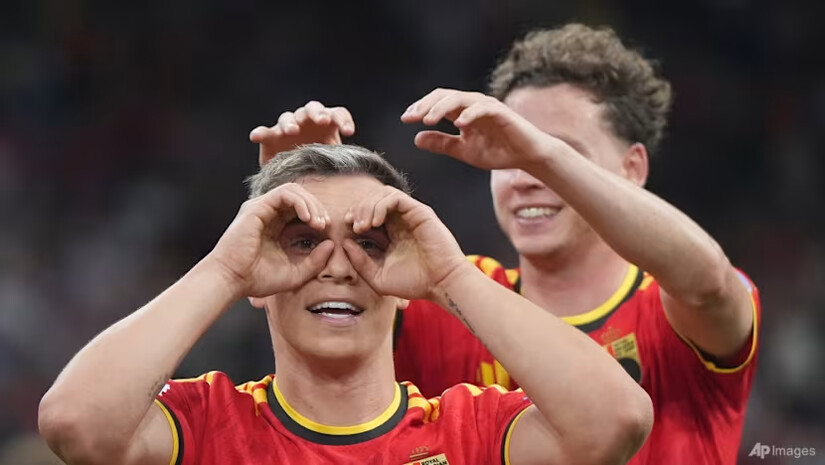
The final block of Day 16 fixtures shifted to the Pacific Northwest to conclude the intricate calculations of Group G. At BC Place in Vancouver, Belgium faced a resolute New Zealand squad that had historically competed with high physical intensity. Following consecutive draws against Egypt and Iran, Domenico Tedesco's side entered the match under intense domestic pressure to abandon their sluggish tempo and validate their deep pool of creative talent.
The initial twenty minutes generated familiar frustration for the Europeans. While Belgium dominated structural possession, New Zealand compressed into a dense back five that restricted clear interior looks. An early Belgian penalty appeal was promptly overturned following a rapid VAR video review, maintaining the scoreless deadlock.
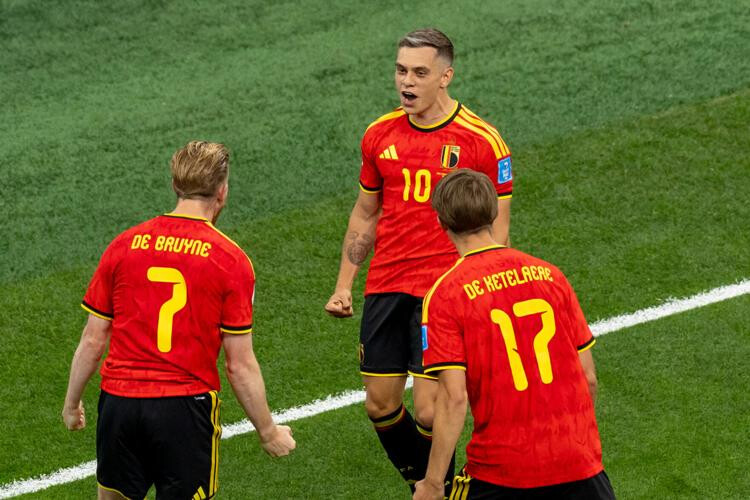
The technical breakthrough arrived in the 28th minute through a set piece sequence. Playmaker Kevin De Bruyne delivered a signature, inswinging corner kick that New Zealand failed to clear cleanly, allowing Leandro Trossard to react quickest and smash a low volley past the keeper to make it 1-0. The goal permanently altered the tactical geography of the match, forcing the All Whites to abandon their low block to search for an equalizer.
Belgium exploited the vacant transitional space with ruthless efficiency after the interval. Trossard completed his personal brace in the 52nd minute, finishing a quick combination move down the left flank. Kevin De Bruyne scored a spectacular individual goal in the 65th minute, taking a singular touch before driving a long range bullet into the top corner.
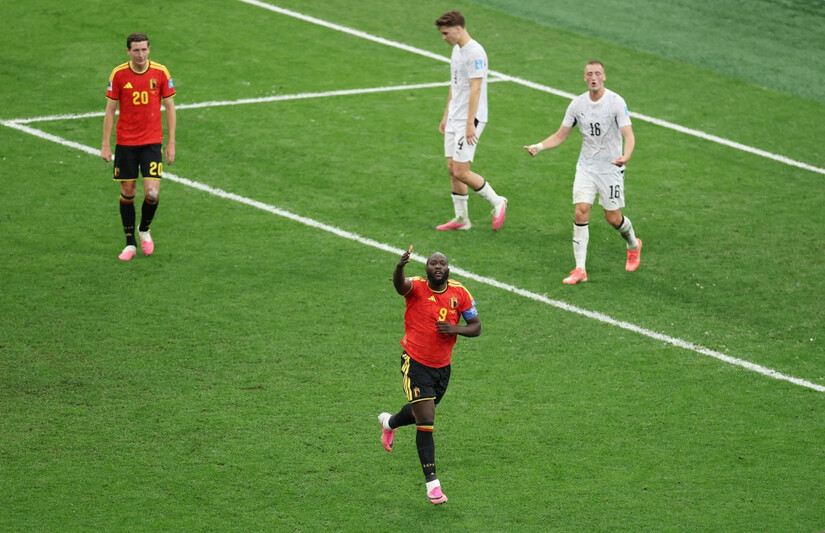
Late substitute cameos from Romelu Lukaku and Alexis Saelemaekers expanded the scoreline to five against an exhausted New Zealand backline. While the All Whites claimed a late technical consolation goal, the 5-1 rout comfortably secures Belgium the top spot in Group G on goal difference, restoring full offensive confidence ahead of the single elimination rounds.
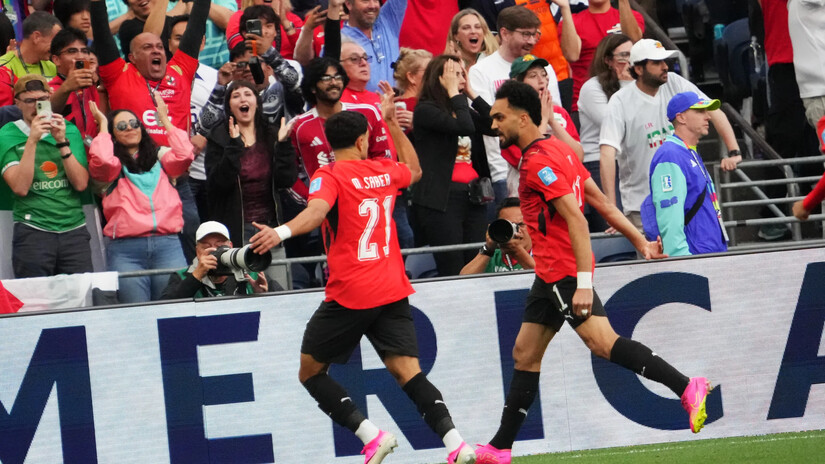
While Belgium asserted dominance in Canada, an unforgettable, emotionally charged spectacle unfolded 150 miles south at Lumen Field in Seattle. Egypt and Iran took the pitch deadlocked on points, fully aware that a singular 90 minute block would dictate which nation crossed the qualification threshold.
The Pharaohs engineered a dream start exactly 5 minutes into the contest. Exploding from a deep midfield transition, Mahmoud Saber drove into the final third, shifting his weight before unleashing a clinical strike inside the near post to make it 1-0. The early cushion allowed Hossam Hassan’s squad to instantly transition into a highly compact defensive block, shifting the burden of creative penetration entirely onto Team Melli.
Iran responded with immense tactical aggression. The Asians were presented with an optimal path to equality when the referee awarded a penalty kick following an interior tracking infraction. Captain Mehdi Taremi stepped up to the spot, but veteran Egyptian goalkeeper Mohamed El-Shenawy guessed correctly, launching a spectacular diving save to preserve the lead.
Iran refused to yield, reestablishing parity just minutes later when fullback Ramin Rezaeian surged completely unmarked down the right flank to hammer home an absolute rocket to tie the match at 1-1.
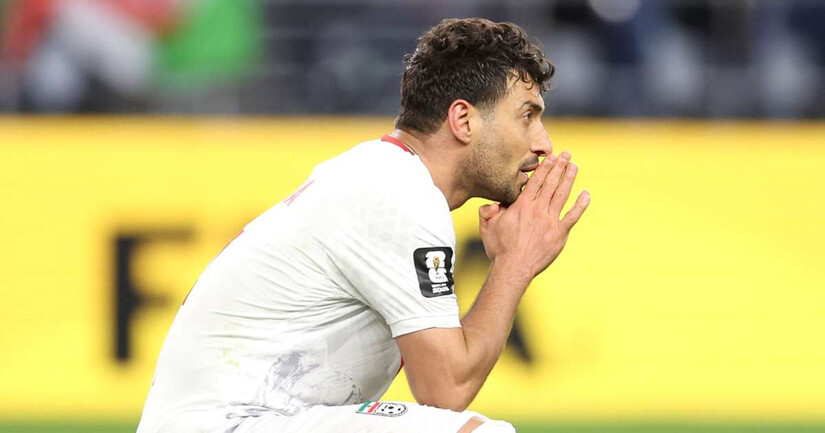
The secondary half devolved into an extraordinarily tense, physical war of attrition defined by tight marking and tactical caution. With Belgium running away with the match in Vancouver, both benches understood that conceding a secondary goal would mean official elimination. Iran pushed their pressing lines progressively higher, forcing Egypt into a deep low block survival script.
The match reached its absolute climax in the 93rd minute of play. Following a chaotic scramble inside the Egyptian box during a corner kick sequence, Iranian defender Shoja Khalilzadeh lunged forward to turn the ball past the line, igniting pandemonium across the Iranian technical area as players celebrated what appeared to be a dramatic, ticket punching 2-1 escape.
However, the assistant referee delayed the formal restart as the VAR room initiated a meticulous video review. For three agonizing minutes, players from both rosters gathered around the central circle while multiple camera angles were scrutinized. The stadium screens finally delivered the definitive ruling: offside during the primary aerial duel.
The goal was chalked off, restoring the 1-1 balance. Egypt successfully navigated the final seconds of injury time to secure the draw, mathematically booking a ticket to the Men's World Cup knockout rounds for the first time in national history, while leaving an unbeaten Iranian selection to depart the tournament by the absolute narrowest of margins.
Several critical strategic themes solidified as the group phase narrowed:
The introductory phases of the largest World Cup in history are permanently locked into the archive. As the qualified field enters the single elimination bracket of the Round of 32, theoretical permutations are permanently retired, leaving tactical execution and mental focus as the solitary paths to global immortality.
MinneapoliMedia | Community. Culture. Civic Life.


Sunny, with a high of 94 and low of 64 degrees. Sunny for the morning, clear overnight.